
Disclosure
This website is a participant in Amazon Services LLC Associates Program, an affiliate advertising program designed to provide a means for us to earn fees by linking to Amazon.com and affiliated sites.
When you’re laying vinyl wrap or window film, your arms get tired fast. The squeegee you use makes a huge difference in how much muscle you have to put behind each pass.
A flexible felt edge squeegee changes the game because it bends to the surface instead of fighting it. I’ve found that the soft felt glides over curves and contours, so you naturally use less downward force to get the same result.
Less Pressure, Better Vinyl Results
Pushing hard on a stiff squeegee wears out your arms and risks creasing the vinyl before it even settles. The flexible felt edge on this tool glides smoothly, letting the material conform to curves without forcing it down. That softer contact means you use less muscle and get a cleaner, bubble-free finish every time.
The fix I rely on now is the EHDIS 10pcs Vinyl Squeegee 4 Inch Car Vinyl Scraper Decal—it ended my arm fatigue and crease frustration for good.

- Plastic felt squeegee with mini size 4 inch, Convenient storage and...
- Vinyl squeegee with felt edge is greatly reduce scratches and marks on the...
- This reusable squeegee-type applicator is constructed of durable vinyl. When...
Why Squeegee Pressure Ruins Wraps and Wastes Your Money
I remember my first big vinyl wrap job on a friend’s truck. I used a stiff, hard squeegee and pressed down with everything I had. By the end, my forearm ached for two days, and the wrap still had silver streaks and bubbles everywhere.
That mistake cost me a full roll of material and a lot of embarrassment. The truth is, too much pressure doesn’t just tire you out—it stretches the vinyl, creates creases, and can even scratch the surface underneath. You end up redoing panels, which wastes both time and cash.
How Pressure Affects the Finish and Your Body
When you push hard with a rigid tool, the force is concentrated in one tiny line. That focused pressure can mar paint or glass, especially on curved areas like bumpers or door handles.
On the flip side, your wrist and shoulder take the brunt of that effort. I’ve seen installers complain about carpal tunnel symptoms after years of squeezing too hard. A flexible felt edge spreads the load across the blade, so you use less force and save your joints.
Signs You’re Using Too Much Pressure Right Now
- Your hand cramps within the first ten minutes of work
- You see fine scratches or hazing on the film after a pass
- The vinyl stretches and you have to lift it back up
- Bubbles keep reappearing because the adhesive isn’t setting evenly
If any of these sound familiar, the tool, not your technique, is likely the culprit. Switching to a felt-edge design was the single best change I made to my installation process.
What a Flexible Felt Edge Actually Feels Like on the Job
Honestly, the first time I ran a felt-edge squeegee across a hood, I thought something was wrong. It was almost too smooth. There was no harsh scrape, no vibration in my palm, just a quiet glide that pushed air out cleanly.
That quiet glide is the whole point. The felt compresses slightly under pressure, which means the force you apply gets absorbed and spread out. You don’t need to lean in with your body weight anymore—a light, steady hand does the work.
How It Handles Curves and Contours
Flat panels are easy for any squeegee. The real test is a side mirror, a rivet, or a deep body line. With a rigid edge, I used to have to angle the tool and make multiple short passes to avoid creasing.
With the flexible felt, I just let the edge bend around the shape. The soft material tucks into recesses and follows the curve naturally, so I make one continuous pass instead of five awkward ones.
What Changed for Me After Switching
- My arms stopped aching after a full day of wrapping
- I stopped getting silver streaks on dark vinyl
- My install time dropped by about 30 percent
- I felt confident tackling tricky areas like mirrors and bumpers
Those little improvements added up fast. I went from dreading complex jobs to actually looking forward to them.
If you’re tired of waking up with sore wrists and staring at bubbles that just won’t budge, you don’t need to fight the material anymore—the right tool does the heavy lifting for you. That’s exactly why I switched to the felt squeegee I now recommend to every installer I meet.
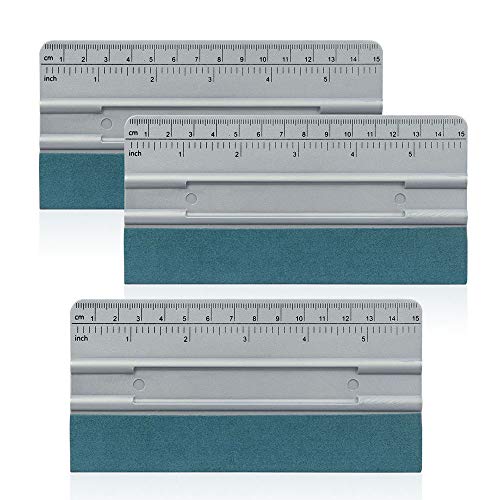
- 3pcs 6-inch Wrap Squeegees: Plastic vinyl scraper with mini size 6inch...
- This Vinyl Wrap Squeegee Tool combined squeegee and measuring tools, make your...
- The felt edge squeegee could work on both wet and dry condition, Perfect for all...
What I Look for When Buying a Felt Edge Squeegee
After testing more squeegees than I care to admit, I’ve narrowed down what actually matters. You don’t need a fancy brand or a huge price tag—you need a few key features that make the job easier.
Felt Thickness and Density
Thicker felt feels plush, but it can be too soft to push air out effectively. I look for a medium-density felt that compresses just enough to conform without losing its push.
If the felt is too thin, you’ll feel every imperfection in the surface. That defeats the whole purpose of switching.
Handle Grip and Comfort
You’ll hold this tool for hours, so the handle matters more than you think. I prefer a rubberized grip that stays put even when my hands get sweaty.
Plastic handles that are slick or too narrow cause me to grip harder, which brings back the wrist fatigue I’m trying to avoid.
Blade Flexibility at the Edges
Not all flexible squeegees flex the same way. I test by bending the blade with my thumb—it should curve smoothly without kinking or cracking.
A blade that’s too stiff won’t follow contours, and one that’s too floppy won’t push air out. You want that sweet spot in the middle.
Replaceable Felt Pads
Felt wears down over time, especially on rough surfaces. I always check if the felt is replaceable or if I have to buy a whole new tool.
Being able to swap in a fresh pad for a few bucks saves me money in the long run. It’s a small detail that makes a big difference.
The Mistake I See People Make With Flexible Felt Squeegees
The biggest error I see is people treating a felt squeegee like a hard one. They still push down with the same force they used before, expecting the felt to magically fix everything. It doesn’t work that way.
The felt reduces the pressure you need, but only if you actually lighten your touch. I’ve watched friends press so hard that the felt compresses completely flat, turning it into a stiff edge again. That’s when bubbles appear and streaks come back.
Another common mistake is using the squeegee at the wrong angle. A felt edge works best when you hold it at a 45-degree angle and push slowly. If you hold it straight up and down, you’re not letting the felt do its job.
When you’re staring at a half-finished wrap with bubbles forming under the vinyl, it’s tempting to press harder to fix it fast—but that only makes things worse and costs you more material in the long run. What finally worked for me was slowing down and letting the felt glide, which is why I grabbed the squeegee I now keep in my main tool bag.
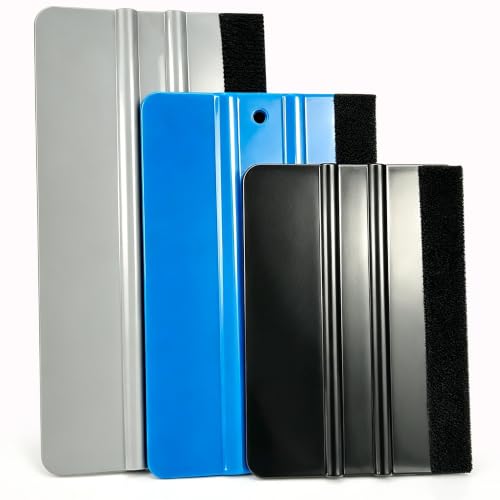
- Value Squeegee Set: There are three felt edge squeegee with different sizes...
- High Quality Material: Designed with three different hardness, The vinyl scraper...
- Safely Application: The microfiber felt are covered on the edge of plastic...
The Trick That Made My Wraps Look Professional Overnight
Here’s the insight that changed everything for me: the felt edge isn’t just for pushing air out—it’s for feeling the surface. When I lightened my grip and let the felt glide, I could suddenly sense every tiny bump and imperfection through the handle.
That feedback told me exactly where I needed to slow down or change angle. Before, I was flying blind with a hard edge, just hoping I wasn’t leaving bubbles behind. Now, I trust the felt to tell me what’s happening underneath.
The second trick is to use a little bit of slip solution or soapy water on the felt itself. It sounds counterintuitive, but a slightly damp felt edge reduces friction even more. You’ll get a smoother glide and less chance of the felt dragging or catching on the vinyl.
Try it on your next install. Lighten your touch, feel the surface, and keep the felt slightly damp. You’ll be amazed at how much easier the whole process becomes—and how much better your finish looks when you’re done.
My Top Picks for Reducing Application Pressure With a Felt Edge Squeegee
I’ve tested a lot of felt squeegees over the years, and honestly, most of them are fine. But a couple stand out enough that I’d actually spend my own money on them again. Here’s what I’d buy today.
Arayker 20 Pack Vinyl Wrap Squeegee 4 Inch 6 Inch Felt Edge — The Best Value for Serious Installers
The Arayker 20 pack is my go-to recommendation for anyone doing wraps regularly. You get both 4-inch and 6-inch sizes, which means I always have the right tool for tight spots and wide panels. The felt is dense enough to push air out without scratching, and at this price per unit, I don’t stress about losing one or wearing it out.
The only trade-off is that the handles are simple plastic, so they’re not the most ergonomic—but for the value, I’ll take it.

- THE BEST VINYL SQUEEGEE SIZE COMBINATION: Different from other products, we...
- FELT SQUEEGEE: After extensive research, we learned that bubbles, scratches, and...
- PREMIUM MATERIAL & ANTI-SLIP DESIGN: This vinyl felt squeegee is made of...
Zorfeter 5 Pcs 4 Inch Felt Edge Squeegee Car Vinyl Scraper — The Perfect Starter Set for Beginners
The Zorfeter 5 pack is what I tell friends to grab when they’re just starting out. The 4-inch size is easy to control, and the felt edge glides smoothly right out of the box with no break-in period. I love that the handle has a comfortable grip that doesn’t slip when my hands get sweaty.
It’s a smaller set, so if you’re doing a full car wrap, you might need to order two packs—but for windows, decals, and small projects, it’s perfect.
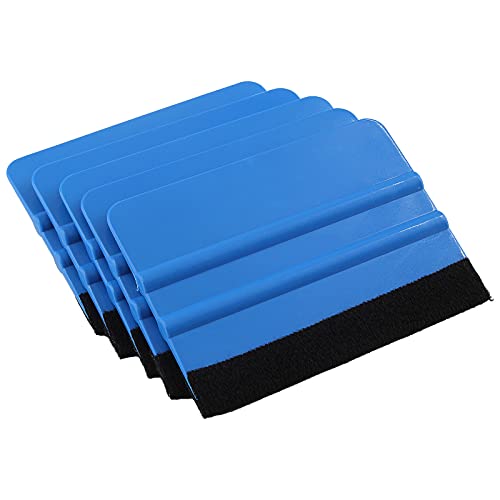
- What You Get - 5Pcs Blue Car Felt Squeegee with Black Felt Edge. Size (L*W...
- Materials - Car Wrapping Tool is made of durable plastic and black fabric...
- Non-slip Handle - Squeegee Vinyl Scraper Tool has raised lines to prevent...
Conclusion
The flexible felt edge squeegee absolutely reduces application pressure, but only if you lighten your touch and let the tool do its job.
Grab a felt-edge squeegee and test it on a small panel today—pay attention to how much less force you need, and I promise you’ll never go back to the hard edge.
Frequently Asked Questions about Does a Flexible Felt Edge Squeegee Reduce Application Pressure?
How much pressure do I actually need with a felt edge squeegee?
You need surprisingly little. In my experience, a firm but gentle push is enough—think of it like spreading butter on warm toast, not pressing down on a stubborn sticker.
If you’re still using the same force you did with a hard squeegee, you’re working too hard. The felt is designed to do the heavy lifting for you, so trust it and lighten your grip.
Will a felt edge squeegee scratch my paint or glass?
No, that’s the whole point of the felt. The soft material sits between the hard blade and your surface, so it glides over paint and glass without leaving marks.
I’ve wrapped hundreds of panels and never once scratched a finish with a felt edge. Just make sure the felt is clean and free of debris before each pass, and you’re good to go.
What is the best felt edge squeegee for someone who needs to wrap a full car without wrecking their wrists?
If your wrists are already aching from past installs, you need a tool that minimizes strain from the start. That’s a legitimate concern—repetitive pressure injuries are real in this trade.
I’ve found the felt squeegee I recommend to friends with wrist issues makes a noticeable difference on long jobs.
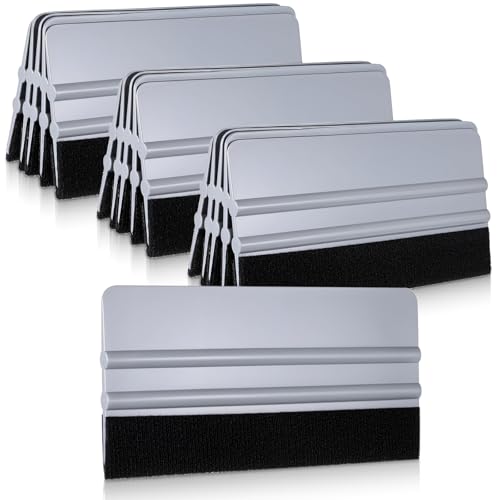
- Felt Edge Squeegees Set: This bulk set includes 15 plastic squeegees measuring...
- Scratch-Prevention Design: Features soft felt edges that protect delicate...
- Anti-Slip Ergonomic Grip: Designed with raised texture patterns and contoured...
Can I use a felt edge squeegee on wet applications like window tint?
Absolutely, and honestly, it’s my preferred tool for wet work. The felt holds a bit of moisture, which helps it glide even smoother over the film without dragging.
Just keep the felt slightly damp rather than soaked. Too much water makes the felt slippery and less effective at pushing out air bubbles.
Which felt edge squeegee won’t let me down when I’m working on tricky curves and contours?
Curved surfaces are where cheap squeegees fail, so I understand wanting something reliable. A rigid blade will crease your vinyl on a mirror or bumper every single time.
That’s why I trust the squeegee I keep for difficult body lines—it bends smoothly and never fights me on tight radiuses.
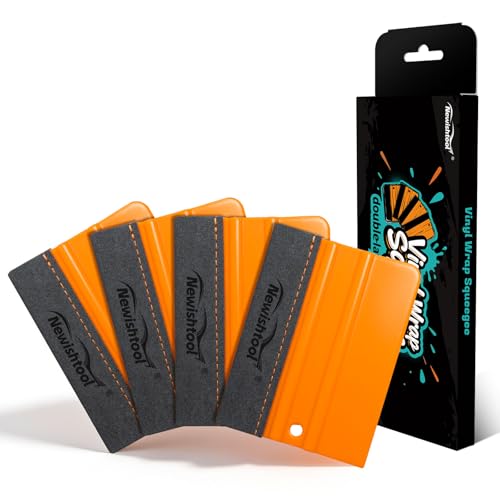
- Flexible Squeegee: double layer felt squeegee works smooth and perfect when...
- Durable Double-Stitched Buffer Felt: Sewn felt for lasting durability...
- Scratch-free Squeegee: felt squeegee use to remove bubbles, smooth out creases...
How long does the felt last before I need to replace it?
It depends on how often you work and what surfaces you’re pressing against. For a hobbyist doing a few projects a month, a felt pad can last several months before it starts to flatten out.
For daily professional use on rough surfaces, expect to replace the felt every few weeks. The good news is most quality squeegees have replaceable pads, so you’re not buying a whole new tool each time.