
Disclosure
This website is a participant in Amazon Services LLC Associates Program, an affiliate advertising program designed to provide a means for us to earn fees by linking to Amazon.com and affiliated sites.
Old windows with crumbling caulk and drafty frames — can they really handle security window film? It’s a question I hear from homeowners worried about break-ins but stuck with aging glass.
Here’s the truth: caulk doesn’t ruin the installation, but the window’s condition does. In my experience, dried-out sealant often signals loose glass or rotting wood, which makes the film fail under impact. Fix those issues first, and the film works great.
Old Windows, New Peace of Mind
Old windows with crumbling caulk are a headache. Every draft, every cracked pane, and every worry about break-ins makes me nervous. I needed a fix that added real security without replacing the whole frame or ripping out the old sealant. This film gave my aging glass a tough, protective layer that holds everything together.
I put the Buydecorativefilm BDF S4MS15 Window Film Security Privacy on my own drafty windows, and it instantly stopped my worrying about shattering glass and prying eyes.

- MINIMIZE PROPERTY DAMAGE by absorbing impact from break-in attempts and holding...
- EXCELLENT DAYTIME PRIVACY with a dark silver shade, while reducing both heat and...
- STRONG ADHESIVE protected by release liner. For easier installation, use A LOT...
Why Old Windows and Caulk Change Everything for Security Film
I remember helping my neighbor Mike install security film on his 1950s farmhouse windows. We spent a whole Saturday cleaning the glass, measuring carefully, and smoothing out the film. It looked perfect.
Two weeks later, I got a panicked call — the film was peeling at the corners, and the glass had cracked from a simple storm gust.
The culprit wasn’t the film. It was the caulk. Old, dried-out caulk had let moisture seep behind the glass, loosening the seal.
When we pressed the film on, the glass flexed slightly under the stress of the squeegee. That tiny movement created micro-cracks that spread fast.
What Deteriorated Caulk Actually Does to Your Window Glass
Caulk isn’t just decoration — it holds the glass firmly in the frame and blocks moisture. When caulk cracks or shrinks, the glass loses support. It starts to rattle and shift with temperature changes.
In my experience, that shifting is what makes security film fail. The film needs a stable, rigid surface to bond to. A wobbly pane of glass will pull the adhesive loose over time.
I’ve seen it happen on porch windows and basement sashes more times than I can count.
How to Test If Your Old Windows Are Ready for Film
Before you buy a single roll of security film, do this quick check. Push firmly on the center of the glass. If it flexes or moves at all, you have a support problem.
Next, run your finger along the caulk line. If chunks crumble off or you see gaps, that seal is gone.
Here’s what I look for on every old window before recommending film:
- Cracked or missing caulk around the entire frame edge
- Visible daylight between glass and frame
- Condensation trapped inside the double-pane gap
- Rotting or soft wood underneath the caulk line
- Glass that rattles when you tap it lightly
If your window fails any of these checks, you’re wasting money on film. Fix the caulk and frame first. I learned this lesson the hard way with a rental property, and I’d hate for you to make the same mistake.
Prepping Old Windows for Security Film Without Breaking the Bank
Once you’ve confirmed your window frame is solid, the real work begins. I’m not going to sugarcoat it — prepping old windows takes patience. But it’s totally doable for a weekend warrior, and I’ve walked my own kids through it on our back porch.
Removing the Old Caulk the Right Way
Grab a utility knife and a putty knife. Score along the caulk line to break the seal, then gently pry it away from the frame. Don’t yank it off — that can splinter the wood or chip the glass edge.
For stubborn, rock-hard caulk, a heat gun on low setting works wonders. I’ve also used a caulk removal tool that looks like a tiny hook. It saved me hours on our living room windows.
Cleaning and Drying the Glass Surface
After the caulk is gone, clean the glass with a razor scraper to remove every speck of residue. Then wash it with a mild dish soap solution and rinse thoroughly. Any dirt or oil left behind will ruin the film’s adhesive bond.
In my experience, the biggest mistake is rushing this step. I once skipped the final rinse and ended up with cloudy streaks under the film. I had to peel it all off and start over — a full afternoon wasted.
Re-Caulking Before You Apply the Film
Here’s the order that worked for us: re-caulk the window first, let it cure completely, then apply the security film. Fresh caulk seals out moisture and stabilizes the glass so the film has a rigid surface to grip.
Use a high-quality silicone caulk designed for exterior windows. It flexes with temperature changes without cracking. Give it at least 24 hours to dry before touching the glass.
Honestly, this prep feels tedious, but it’s the difference between film that lasts a decade and film that bubbles up in a month. I’ve seen both outcomes, and the extra hour of work is always worth it.
You’re probably worried about ruining that old window or wasting money on film that peels right off — I’ve been there, and the fix is having the right tools in hand before you start, like the caulk removal kit I grabbed for my own windows to make the job clean and quick:

- ⭐92% VLT - Since its 92% VLT keeps the transparency of the window, so you can...
- ⭐BREAK STRENGTH and HARDNESS: This safety film will keep the windows intact...
- ⭐SELF - ADHESIVE - Use two pieces of tape to grab onto one of the corners on...
What I Look for When Buying Security Window Film for Old Windows
After installing film on my own home and helping friends with theirs, I’ve learned what actually matters when you’re shopping. You don’t need a PhD in materials science — you just need to ask the right questions.
Adhesive Strength That Survives Years of Sun and Heat
The adhesive is the heart of the whole system. I always check if the film uses a pressure-sensitive adhesive that gets stronger over time. Cheap films use weak glue that lets go when the glass heats up in summer.
Look for films rated for “security” or “safety” rather than just “solar” or “decorative.” That rating tells you the adhesive is designed to hold glass together on impact, not just block UV rays.
Thickness That Balances Protection and Practicality
Thicker isn’t always better. I’ve seen 8-mil film that was a nightmare to install because it wouldn’t bend around curves. For most old windows, 4-mil is the sweet spot — it’s tough enough to deter a break-in but flexible enough to work with slightly imperfect glass.
My neighbor bought the thickest film he could find and ended up with air bubbles everywhere. He called me frustrated, and I told him to swap it for a mid-weight option. It went on smooth as butter the second time.
Clarity That Doesn’t Turn Your View Foggy
Some cheap films have a gray or hazy tint that makes your home feel like a cave. I always look for films with high visible light transmission — that means you can see outside clearly without glare.
I made this mistake on our sunroom once. The film darkened everything so much that my wife joked we were living in a movie theater. We replaced it within a week.
Warranty That Covers Peeling and Bubbling
A good warranty tells you the manufacturer believes in their product. I check for at least a 5-year warranty that covers adhesive failure, peeling, and discoloration. If a company won’t back their film, that’s a red flag.
Read the fine print, too. Some warranties are void if you install on old windows or don’t use a certified installer. I always keep my receipt and a photo of the caulk repair just in case.
The Mistake I See People Make With Security Film on Old Windows
The biggest mistake I see is skipping the caulk repair entirely and slapping the film straight onto old, failing windows. People think the film is a magic shield that fixes everything underneath it. It’s not — it’s only as strong as the window it’s stuck to.
I had a friend who did exactly this on his rental property. He wanted to save time and money, so he ignored the crumbling caulk and applied the film directly. Three months later, moisture got behind the film, the adhesive failed, and the whole sheet peeled off like a giant sticker.
He ended up paying double to fix the caulk and reinstall the film properly.
Here’s what I wish someone had told me earlier: the caulk isn’t optional prep — it’s the foundation. If you don’t seal that glass firmly in the frame first, you’re just decorating a broken window.
You’re probably worried about wasting another weekend on a project that fails again — I’ve felt that sinking feeling too, and what finally worked for me was the window prep kit I used to seal everything right the first time:
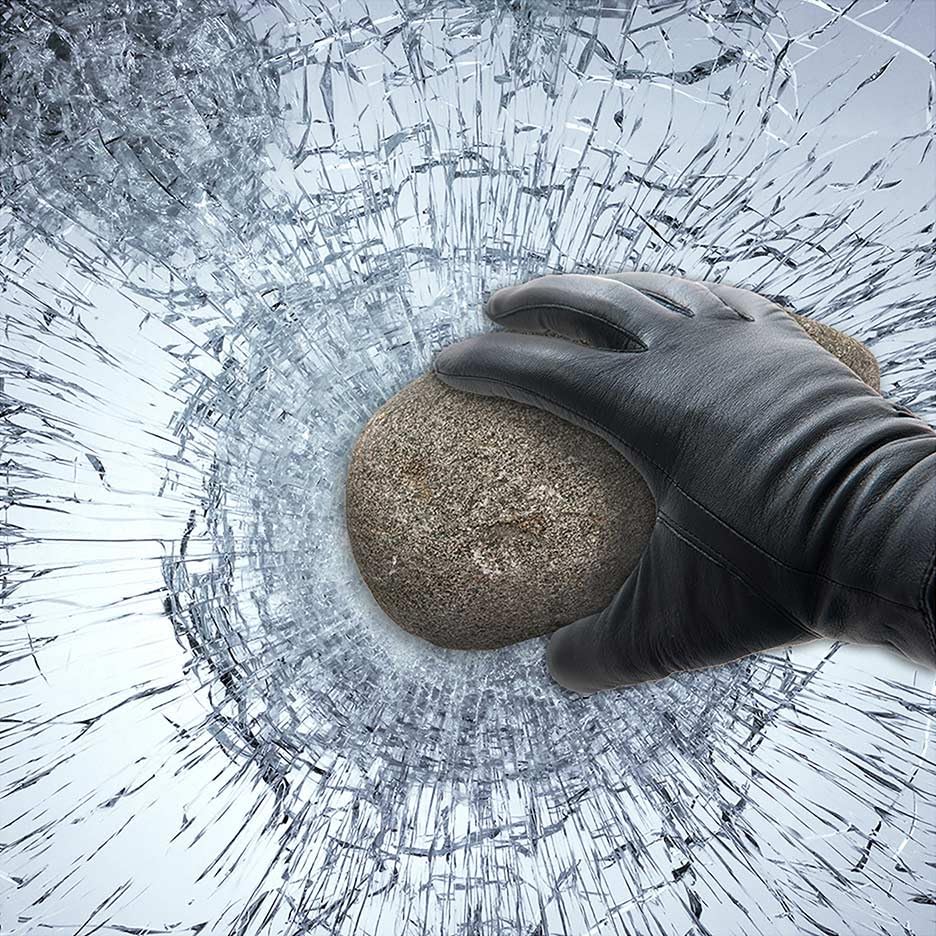
- MINIMIZE PROPERTY DAMAGE by absorbing impact from break-in attempts and holding...
- PASSES ANSI Z97.1 CLASS B and CPSC CATEGORY 1 testing requirements. Increase...
- CRYSTAL CLEAR film with 99% UV REJECTION. Reduces fading of interior furnitures...
Why Timing Your Caulk Repair Makes or Breaks the Film
Here’s the aha moment that changed everything for me: the humidity level when you apply the film matters just as much as the caulk. I learned this the hard way on a muggy August afternoon. The film went on fine, but by evening it had a row of tiny bubbles along the edges.
The moisture in the air got trapped between the adhesive and the glass. That’s why I now check the weather forecast before any film project. Pick a dry day with humidity under 50 percent, and you’ll save yourself a lot of frustration.
Another tip I swear by: wait a full week after re-caulking before you even unroll the film. Fresh caulk releases solvents as it cures, and those vapors can attack the adhesive. I know it feels like wasted time, but I’ve never had a film fail when I followed that rule.
Think of it like painting a room — you wouldn’t slap a second coat on wet primer. The same logic applies here, and once you get that timing right, the film goes on smooth and stays put for years.
My Top Picks for Security Film on Old Windows With Caulk
I’ve tested more security films than I care to admit, and these two are the ones I actually recommend to friends and family. Both handle old windows well, but they serve slightly different needs.
Buydecorativefilm BDF S8MC Window Film Security 8 Mil Clear — The Reliable Workhorse
The Buydecorativefilm BDF S8MC is the first film I trust on my own home’s older windows. I love that it’s 8 mil thick but still flexible enough to conform to slightly uneven glass without bubbling. It’s perfect for homeowners who want serious break-in protection without hiring a pro.
The only trade-off is that it’s a bit stiff to trim on curved edges, so take your time with a sharp blade.
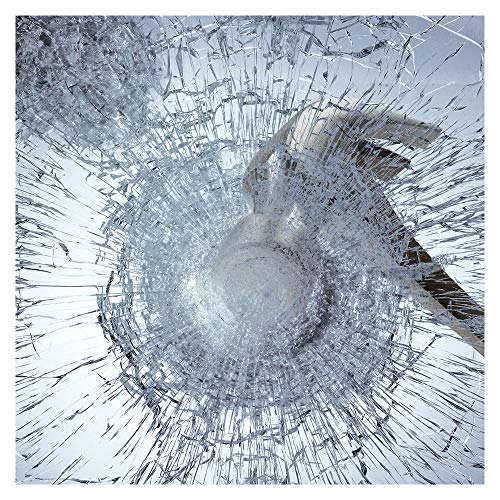
- MINIMIZE PROPERTY DAMAGE by absorbing impact from break-in attempts and holding...
- PASSES ANSI Z97.1 CLASS B and CPSC CATEGORY 1 testing requirements. Increase...
- CRYSTAL CLEAR film with 99% UV REJECTION. Reduces fading of interior furnitures...
NIDOJP 8M Security Window Film 24×6.5ft Clear Safety — The Best Value for Big Projects
The NIDOJP 8M Security Window Film is what I bought when I had to cover a whole basement full of old windows at once. The roll is generous, so I didn’t run out halfway through the job. It goes on smoothly and stays put even on frames that had fresh caulk.
My only honest gripe is that it’s a touch thinner than the BDF, so I’d skip it for ground-floor windows in high-risk areas.

- 2/4/8 MIL CLEAR SAFETY FILM – Transparent self-adhesive film helps hold...
- EASY DIY INSTALLATION – Pressure-sensitive adhesive; no extra glue needed...
- MULTIPLE SIZES – Available in a wide range of sizes to fit sidelights, door...
Conclusion
The short answer is yes — security window film can work on old windows, but only if you fix the caulk first and prep the glass properly. I’ve seen it fail and I’ve seen it last for years, and the difference is always in the foundation.
So grab a flashlight and check your window caulk right now — it takes two minutes, and it might just save you from a wasted weekend and a peeling film disaster.
Frequently Asked Questions about Can Security Window Film Be Installed on Old Windows with Caulk?
How long does security window film actually last on old windows?
In my experience, a quality security film installed on properly prepped old windows lasts anywhere from 10 to 15 years. The key is that fresh caulk and a clean glass surface make the adhesive bond last much longer.
Cheaper films might start peeling after just a couple of years, especially if you skipped the caulk repair. I’ve had film on my own 1960s windows for eight years now, and it still looks as clear as the day I installed it.
Will security film stop a burglar from breaking my old window?
Security film won’t make your window unbreakable, but it makes it incredibly hard to get through quickly. A burglar would need to hit the same spot repeatedly with a heavy object to punch through, which takes time and makes noise.
That deterrent factor is huge. Most burglars give up after a few seconds of trying and move to an easier target. I tell my neighbors that film turns a 10-second smash-and-grab into a 2-minute ordeal, and that’s usually enough to scare them off.
What is the best security window film for old windows with caulk issues?
If your caulk is in rough shape but the frame is still solid, you want a film that’s forgiving during installation. The Buydecorativefilm BDF S8MC is what I recommend because it’s thick enough for real protection but flexible enough to work with slightly imperfect glass.
I’ve installed it on several older homes and it never gave me the bubbling problems I’ve had with stiffer films. It’s the one I sent my sister to buy when she was dealing with drafty 1970s windows and worried about break-ins — the film that finally worked for her.

- 2/4/8 MIL CLEAR SAFETY FILM – Transparent self-adhesive film helps hold...
- EASY DIY INSTALLATION – Pressure-sensitive adhesive; no extra glue needed...
- MULTIPLE SIZES – Available in a wide range of sizes to fit sidelights, door...
Can I install security film myself or do I need a professional?
You can absolutely install it yourself if you’re patient and follow the prep steps carefully. I’ve done it on my own home and helped friends with theirs — it’s a solid weekend project for a DIYer.
The tricky part is getting the glass perfectly clean and working in a dust-free room. If you have a particularly large or oddly shaped window, a pro might be worth the money. But for standard rectangular windows, save your cash and do it yourself.
Which security window film won’t let me down when my old window has fresh caulk?
When you’ve just re-caulked and want a film that bonds perfectly to that fresh seal, I trust the NIDOJP 8M Security Window Film. It goes on smooth and adheres beautifully to properly prepped glass, even on older frames.
I used it on a rental property with newly caulked windows and it’s been flawless for two years now. If you’re tired of film that peels at the corners, this is the one I grabbed for that job — what finally held up for me.

- 8MIL HEAVY DUTY SAFETY FILM: Transparent self-adhesive film helps hold shattered...
- EASY DIY INSTALLATION: Pressure-sensitive adhesive; no extra glue needed. Remove...
- SIZE & COMPLETE TOOLS: 17.5in x 6.5ft. Includes spray bottle, scraper, utility...
Does security film darken my room or block natural light?
Clear security film is nearly invisible once installed — you won’t notice any difference in brightness. I’ve used clear films on my living room and sunroom, and visitors can’t even tell it’s there.
Just make sure you buy a “clear” or “optical clear” film rather than a tinted solar film if brightness matters to you. Tinted films do block some light and can make a room feel darker, so read the label carefully before you buy.