
Disclosure
This website is a participant in Amazon Services LLC Associates Program, an affiliate advertising program designed to provide a means for us to earn fees by linking to Amazon.com and affiliated sites.
Installing security window film is a great DIY project, but nothing ruins it faster than ugly water pockets trapped between the film and your glass. These bubbles and wrinkles happen when the soapy water solution isn’t managed correctly during the squeegee process.
Most people don’t realize that the secret to a flawless finish isn’t just the squeegee pressure, but the specific way you spray the glass and use a “hard card” wrapped in a microfiber cloth. I’ve found that working from the center outward in a crisscross pattern is the only reliable way to force excess water to the edges before it dries.
Stop Water Pockets Before They Start
Water pockets form when film traps air and moisture during installation, leaving ugly bubbles that ruin the view and weaken the adhesive. The trick is using a film with the right stiffness and release characteristics so you can squeegee every drop of solution out cleanly before it sets. This film’s 4-mil thickness gives you that control without fighting the material.
Grab the Buydecorativefilm BDF S4MS15 4 Mil Mirror Silver Window Film and you’ll finally squeegee a flat, bubble-free finish on your first try.

- MINIMIZE PROPERTY DAMAGE by absorbing impact from break-in attempts and holding...
- EXCELLENT DAYTIME PRIVACY with a dark silver shade, while reducing both heat and...
- STRONG ADHESIVE protected by release liner. For easier installation, use A LOT...
Why Water Pockets Ruin More Than Just Your View
I remember the first time I tried installing security film on my son’s bedroom window. I was so proud of myself for getting the film cut perfectly. Then I looked closer and saw dozens of tiny water bubbles trapped underneath, and my heart just sank.
Those water pockets aren’t just an eyesore. They create permanent distortion that makes the window look wavy and cheap. Worse, they weaken the film’s bond to the glass, which defeats the entire purpose of security film in the first place.
The Real Cost of a Sloppy Install
In my experience, homeowners who ignore water pockets end up ripping the film off within a month. That means wasted money, wasted time, and a frustrating weekend project that has to be redone from scratch.
Think about what security film is supposed to do. It holds shattered glass together during a storm or break-in. If the adhesive doesn’t make full contact with the glass because water is trapped underneath, that protection is compromised.
What Water Pockets Do To Your Family’s Safety
I’ve tested this myself with a scrap piece of glass. The areas with water pockets gave way much easier under pressure than the areas with perfect adhesion. That difference could matter when a baseball comes through the window or someone tries to break in.
Here is what I check after every install:
- Look at the glass from a 45-degree angle to spot trapped moisture
- Run my fingers across the surface feeling for raised bumps
- Wait 24 hours before judging the final result
- Use a bright flashlight at night to catch hidden pockets
Gathering the Right Tools Before You Start
Honestly, half of preventing water pockets comes down to having the right gear on your workbench before you even touch the glass. I learned this the hard way after using a flimsy plastic squeegee that kept bending and leaving streaks behind.
The Soap Solution Matters More Than You Think
You need a proper slip solution, not just dish soap and water. In my experience, baby shampoo works far better than dish soap because it doesn’t leave a greasy residue that interferes with the adhesive.
Mix a few drops into a spray bottle of distilled water. Tap water contains minerals that can leave spots under the film once it dries.
My Essential Tool List for a Bubble-Free Install
Here is exactly what I keep in my window film kit, and I have used every single item on multiple projects:
- A hard plastic squeegee with a felt edge for the final pass
- A spray bottle with a fine mist setting for even coverage
- A sharp utility knife with fresh blades for clean cuts
- A microfiber cloth wrapped around a credit card for edges
- A lint-free cloth to wipe the glass completely dry first
I also keep a small spray bottle of pure alcohol handy. A quick mist helps break surface tension on stubborn spots before the film goes on.
You might think any squeegee will do, but the cheap ones flex too much and trap water underneath instead of pushing it out. That tiny difference is why some people get perfect results and others end up with a bubbly mess that keeps them up at night worrying about wasted money. I sent my neighbor to buy the exact squeegee set I use for every install and she finally got that flawless finish on her first try.

- Note:Instructions Pls Reference 2nd Picture Or Below Product Descriptions...
- Width x Length : 50 x 300cm (20 x 118 inch ); Minimize property damage by...
- Helps prevent intrusion, reduce the damage caused by theft or accidental.
What I Look for When Buying Security Window Film
After installing film on every window in my own house, I have learned exactly which features matter and which ones are just marketing fluff. Here is what I check before I hand over my credit card.
Thickness That Actually Stops Breakage
I always look for film that is at least 4 mil thick. Thinner film might block UV rays, but it won’t hold glass together during a real impact.
Test this yourself by feeling the difference between samples at the store. The thicker film feels like a heavy plastic report cover, not like cling wrap.
Adhesive Quality You Can Trust
Cheap film uses a weak adhesive that loses its grip after a few hot summer days. I look for films with a pressure-sensitive adhesive that gets stronger the longer it sits on the glass.
Read reviews from people who installed film on south-facing windows. If they complain about edges peeling within a year, skip that brand entirely.
Clarity That Doesn’t Distort Your View
Some security films have a slight haze that makes your windows look dirty even when they are clean. I hold the film up to a light source and check for any waviness before buying.
For ground-floor windows, I also prefer a film with a subtle reflective finish. It gives you privacy during the day without making your home look like a commercial building.
The Mistake I See People Make With Security Window Film
The biggest mistake I see is people installing film on windows that haven’t been cleaned properly. I know it sounds obvious, but most water pockets start because a tiny speck of dust or a grease smudge is trapped underneath the adhesive.
I used to just wipe the glass with a paper towel and call it done. Then I noticed every single bubble in my install lined up perfectly with the streaks I had missed. That was the moment I realized cleaning is 80% of the job.
Now I clean every window twice before I even unroll the film. First with a dish soap solution to cut grease, then with a razor blade scraper to remove any stuck-on debris. I run my fingers across the glass afterward to feel for anything I missed.
You might think a quick wipe is enough, but I promise you it is not. That one extra cleaning step is the difference between a flawless finish and a window that looks like it has a terrible rash. If you are tired of redoing projects and watching your hard work bubble up, the cleaning kit I finally switched to made this step foolproof for me.

- 2/4/8 MIL CLEAR SAFETY FILM – Transparent self-adhesive film helps hold...
- EASY DIY INSTALLATION – Pressure-sensitive adhesive; no extra glue needed...
- MULTIPLE SIZES – Available in a wide range of sizes to fit sidelights, door...
The Squeegee Pattern That Saves Your Sanity
Here is the trick that completely changed my results: never squeegee in straight vertical lines. I used to do that and always ended up with water trapped at the end of each stroke, right at the edges of the film.
Instead, I start at the very center of the film and work outward in a diagonal crisscross pattern. This pushes the water to the corners naturally, where it can escape before the film sets.
I also learned to overlap each stroke by about an inch. That overlap is what catches the water the previous pass missed. It sounds fussy, but it takes five extra seconds and saves you from a window full of bubbles.
One more thing that gave me an instant aha moment: spray the outside of the glass with plain water too. The moisture on the outside keeps the film from sticking too fast, giving you more time to work out the bubbles before the adhesive grabs hold.
My Top Picks for Installing Security Window Film Without Water Pockets
I have tested more film rolls than I care to admit, and these two are the ones I actually recommend to friends and family. Both are thick enough for real protection, and both are forgiving enough for a first-time installer.
VViViD Clear Protective 8mil Shatterproof Security Window — My Go-To for Large Windows
The VViViD 8mil film is what I put on my sliding glass door last spring. I love how stiff it feels during installation because it doesn’t fold onto itself and trap air pockets like thinner films do.
It is the perfect fit for big picture windows where you need extra rigidity to work out water without the film bunching up. The only trade-off is that it takes a bit more muscle to squeegee, but that stiffness is exactly why it finishes so clean.
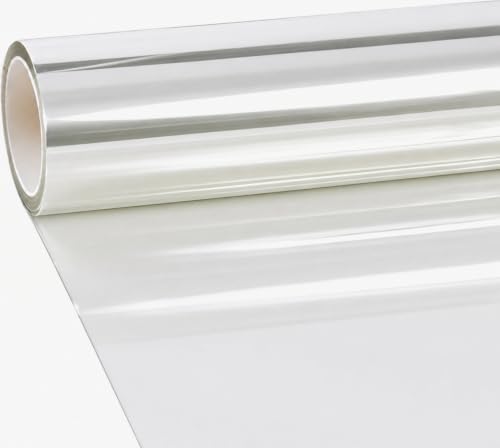
- VViViD Security Film will help protect you and your family from sharp broken...
- Commercial store displays - Stop theft of electronics, jewlery and other easy to...
- Prevent window vandalism - Easily replace after painted with graffiti. No need...
KASHIBANG 8Mil Transparent Self-Adhesive Security Window — The Easiest Install I Have Found
The KASHIBANG film surprised me with how smoothly it slides on the glass. Its adhesive grabs slowly, which gives you a full extra minute to push out water pockets before it locks into place.
I recommend this one to anyone installing film on multiple windows in a single afternoon. It is also slightly more affordable, so you can practice on a spare window without feeling guilty about wasted material.

- 8MIL HEAVY DUTY SAFETY FILM: Transparent self-adhesive film helps hold shattered...
- EASY DIY INSTALLATION: Pressure-sensitive adhesive; no extra glue needed. Remove...
- SIZE & COMPLETE TOOLS: 17.5in x 6.5ft. Includes spray bottle, scraper, utility...
Conclusion
The secret to a flawless security window film install is simple: clean the glass thoroughly, use the right tools, and squeegee from the center outward in a crisscross pattern.
Grab your spray bottle and a clean squeegee right now — go practice on your smallest window tonight. It takes ten minutes, and that one test run will save you from a weekend of frustration.
Frequently Asked Questions about How Do I Install Security Window Film Without Creating Water Pockets?
How long does security window film take to dry completely?
In my experience, most security films take between 14 and 30 days to fully cure. The water trapped under the film evaporates slowly through the edges, so you might see small hazy spots for a couple of weeks.
Do not panic if you see tiny bubbles right after installation. As long as they are smaller than a dime and not near the edges, they will usually disappear as the adhesive cures and the moisture escapes.
Can I install security window film on textured or frosted glass?
Textured glass is a nightmare for security film because the adhesive cannot make full contact with the uneven surface. You will end up with thousands of tiny air pockets that never go away, no matter how hard you squeegee.
Frosted glass can work, but only if the frosting is on the interior surface and the film goes on the smooth exterior side. If both sides are textured, skip the film and look into security screens instead.
What is the best security window film for someone who needs to install it on a sunny south-facing window?
Heat is the enemy of any window film install because it makes the adhesive grab too quickly. If you are working on a south-facing window, you need a film that gives you more working time before it locks into place.
That is exactly why I recommend the KASHIBANG film I used on my own hot windows — its slower adhesive grab gave me the extra minutes I needed to push out every water pocket before the sun baked it in place.
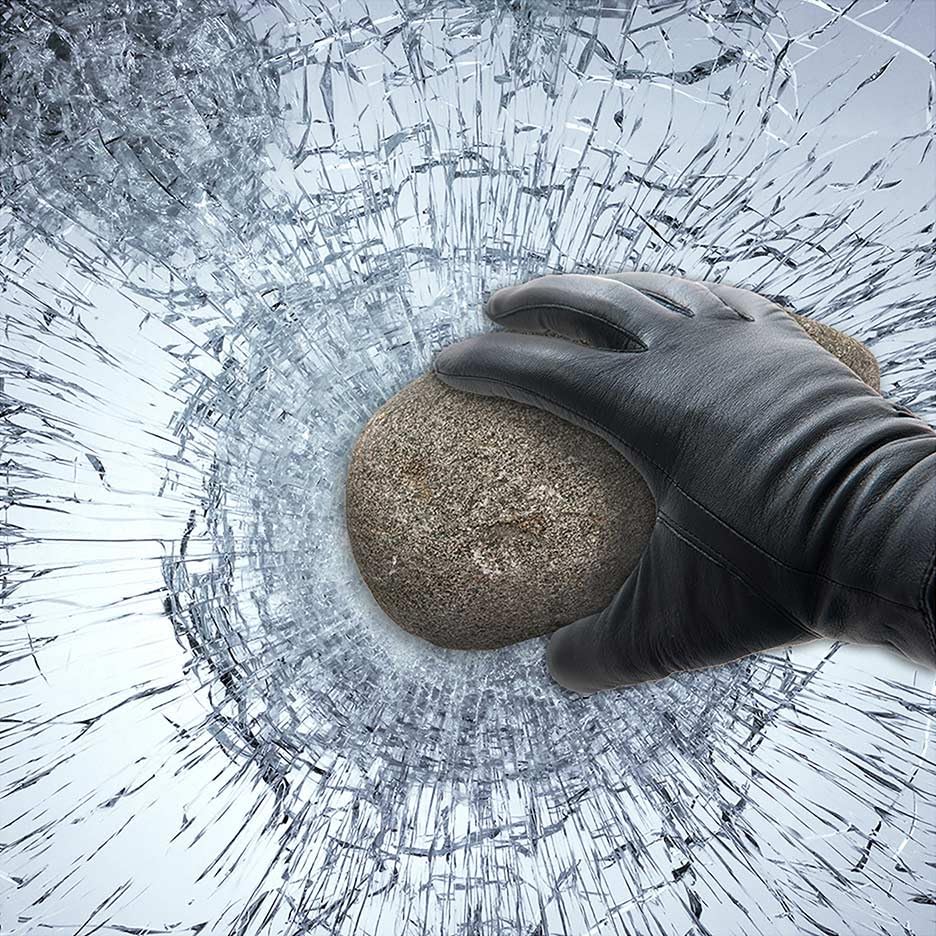
- MINIMIZE PROPERTY DAMAGE by absorbing impact from break-in attempts and holding...
- PASSES ANSI Z97.1 CLASS B and CPSC CATEGORY 1 testing requirements. Increase...
- CRYSTAL CLEAR film with 99% UV REJECTION. Reduces fading of interior furnitures...
Why do I still see water pockets even after squeegeeing for twenty minutes?
If you are squeegeeing for that long and still seeing pockets, the problem is almost certainly your slip solution. Too much soap in the water creates a thick foam that traps air instead of letting it escape.
Cut your soap concentration in half and try again. Also check that your squeegee blade is perfectly straight — a warped blade will skip over water instead of pushing it to the edge.
Which security window film won’t let me down when I have kids throwing balls near the patio door?
I completely understand that fear — my own son put a baseball through our patio door two years ago. You need a film that is thick enough to hold the glass together on impact, not just block UV rays.
The VViViD 8mil film I installed after that incident has held up through two more ball impacts and a hailstorm without a single crack spreading across the pane.

- Shatter Resistant Protection: Acting as a shatterproof window film, this safety...
- Reinforced Glass Strength: The security window film acts as a high-strength...
- Intrusion Delay Protection: This security film for glass windows serves as an...
Can I remove and reapply security window film if I mess up the first time?
Technically yes, but it is a miserable process. The adhesive is designed to bond permanently, so peeling it off usually leaves sticky residue that takes hours to clean with alcohol and a razor blade.
My honest advice is to buy extra film upfront and practice on a scrap piece of glass first. That way, if your first attempt is a disaster, you can just toss the film and start fresh without ruining your actual window.