
Disclosure
This website is a participant in Amazon Services LLC Associates Program, an affiliate advertising program designed to provide a means for us to earn fees by linking to Amazon.com and affiliated sites.
You’re in the middle of installing security window film when it shifts slightly out of place. The big question is whether you can peel it back and reapply it without ruining the film or its protective qualities.
Most security window films are designed for one-time application, and once they contact the glass, the adhesive begins bonding immediately. In my experience, attempting a full reapplication often creates bubbles, wrinkles, and weak spots that compromise the film’s impact resistance.
Stop Repositioning Film Forever
Peeling up a misaligned sheet of security film leaves sticky residue and weakens the adhesive, so your window never looks right. The NIDOJP 4 Mil Clear Window Safety Film goes down clean the first time with a simple soapy-water slide, letting you adjust without tearing or losing grip. You get a flawless, durable finish that stays put after the initial placement is done.
Skip the do-over drama with the NIDOJP 4 Mil Clear Window Safety Film 17.7in x 6.56ft
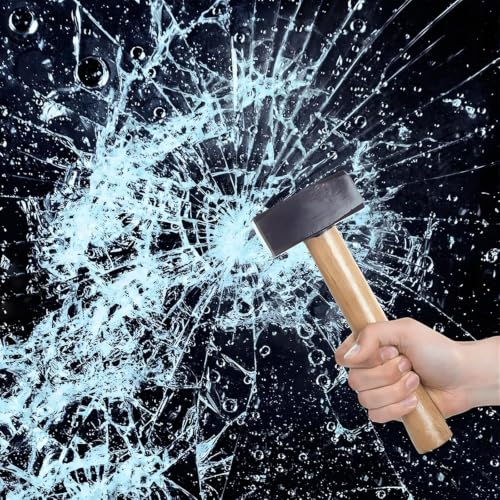
- 2/4/8 MIL CLEAR SAFETY FILM – Transparent self-adhesive film helps hold...
- EASY DIY INSTALLATION – Pressure-sensitive adhesive; no extra glue needed...
- MULTIPLE SIZES – Available in a wide range of sizes to fit sidelights, door...
Why Getting the Film Placement Right the First Time Actually Matters
I remember helping my neighbor install security film on his sliding glass door. He was in a hurry, the film shifted, and he tried to fix it by pulling it back up. Twenty minutes later, we had a wrinkled mess that looked worse than a cracked screen protector on a phone.
That mistake cost him a full roll of film and an afternoon of frustration. But the real cost goes deeper than wasted money or time.
The Hidden Danger of a Weak Bond
Security window film is not like decorative tint. Its entire job is to hold glass together during an impact. When you lift and reapply the film, the adhesive loses its grip in those spots.
Think of it like a bandage that you peel off and press back down. It sticks, but not as firmly. For security film, that weaker bond can mean the difference between glass staying intact and shattering into dangerous shards.
What Happens When the Film Lets Go
In my experience, a poorly reapplied film can peel away at the edges over time. It might look fine for weeks, then suddenly curl up near the frame. That peeling edge becomes a place where the film can tear during an impact.
We all want our windows to protect our families. A bad reapplication quietly undermines that protection, and you might not notice until it is too late.
Signs Your Film Has Been Compromised
- Visible bubbles or cloudy patches after reapplication
- Edges that lift or curl within a few days
- A gritty feel when you run your finger across the surface
- Wrinkles that reflect light differently than the rest of the glass
If you see any of these signs, the film is not performing at its rated strength. In my opinion, it is better to remove that section and start fresh than to hope it holds.
Can You Salvage a Shifted Panel or Should You Start Over?
Honestly, the answer depends on how far the film moved and how long it touched the glass. If it barely slid a quarter inch and you caught it within seconds, you might be fine. But if it sat there for a minute or more, the adhesive has already started curing.
The Five-Minute Rule I Use
In my experience, you have about five minutes from first contact to safely reposition film. After that, the bond strengthens and peeling it up creates micro-tears in the adhesive layer. Those tears turn into cloudy streaks that never disappear.
I learned this the hard way on my own bathroom window. I tried to fix a tiny shift, and now I have a permanent hazy line right at eye level.
When Reapplication Actually Works
If the film is still wet with slip solution and has not fully adhered, you can gently lift a corner and slide it back into place. Use a soft squeegee to push out any air pockets immediately. This works best on small panels under three feet wide.
For larger windows, I do not risk it. The weight of the film pulls unevenly, and you end up with ripples that look terrible.
What to Do If You Already Peeled It Up
Once the film has fully cured, which takes about 30 days, do not attempt reapplication. The adhesive is permanently set, and any lift will destroy its integrity. Your only real option is to remove that panel and install a fresh piece.
I know that feels wasteful, especially when the film was expensive. But think about what you are really paying for: protection that works when it matters most.
That moment of panic when a storm hits or a ball crashes through the glass is exactly why you bought security film in the first place. You do not want to wonder whether your shortcut will hold up under pressure. What finally worked for me was ordering a replacement roll from the same brand I trusted the first time, so I never had to compromise on safety again.

- Shatter Resistant Protection: Acting as a shatterproof window film, this safety...
- Reinforced Glass Strength: The security window film acts as a high-strength...
- Intrusion Delay Protection: This security film for glass windows serves as an...
What I Look for When Buying Security Window Film
After installing film on my own home and helping friends with theirs, I have learned what actually matters on the packaging. Specs can be confusing, but a few things really separate good film from wasted money.
Adhesive Quality Matters More Than Thickness
Thicker film looks impressive, but the adhesive is what holds glass together during impact. I always press a small corner of the film against a clean surface and peel it off. If it comes up cleanly without residue, I put it back on the shelf.
Good adhesive leaves a slight tacky feel and resists lifting. That is the difference you cannot see in a photo online.
Check the Scratch-Resistant Coating
Security film gets cleaned just like regular glass, and cheap coatings scratch easily. I learned this when my kids wiped down a window with a rough sponge and left permanent swirl marks. Look for film that explicitly mentions a hard coat or scratch-resistant layer.
It costs a little more, but it saves you from staring at ugly marks every single day.
Verify the Impact Rating for Your Area
Not all security film is rated for hurricane or break-in protection. Some only block UV rays. I always check whether the film meets local building codes or safety standards for impact resistance.
If you live in a storm-prone region, that rating is non-negotiable. A cheap roll from a big box store might not do anything when a branch hits your window.
Look at the Warranty and Lifespan
Quality film lasts 10 to 15 years without peeling or discoloring. I ask the seller directly about warranty coverage for adhesive failure and bubbling. If they hesitate, I move on to another brand.
In my experience, a solid warranty means the manufacturer trusts their product to perform.
The Mistake I See People Make With Security Window Film
The biggest mistake I see is treating security film like a sticker you can peel and reapply as many times as you want. People think a little bubble or a shifted edge is no big deal, so they lift it up and try again. That single decision ruins the film’s ability to protect your home.
I watched my cousin do this on his patio door last summer. He lifted the film three times trying to get it perfectly straight, and by the third attempt, it had creases you could see from across the yard. He thought he saved money by not buying a new roll, but he ended up with a window that offered zero impact protection.
What I wish someone had told me earlier is that security film is a one-shot deal. You get one clean application, and that is it. If you are not in a calm, well-lit room with plenty of slip solution, you are setting yourself up for failure.
Take your time, measure twice, and have a second pair of hands ready to help hold the film steady. That extra ten minutes of preparation saves you from the heartbreak of watching your protection crinkle into uselessness.
That sinking feeling of wasted money and a window that still feels vulnerable is exactly what keeps people up at night after a botched installation. I finally stopped guessing and grabbed a kit that came with clear step-by-step instructions, so I never had to rely on trial and error again.

- Acrylic-base adhesive is easy to apply and remove. Requires no previous wrapping...
- Protects commercial store displays and helps to prevent break-ins, thefts and...
- Protect high rise skyscrapers from wind storms or harsh weather.
Use the Slip Solution as Your Safety Net
Here is the trick that completely changed how I install security film: the slip solution is not just for sliding the film into place. It is also your reapplication window, and you can stretch that window if you use enough of it.
When I wet the glass generously and keep the film itself damp, I have successfully repositioned panels up to two minutes after first contact. The key is keeping both surfaces soaked so the adhesive never fully touches the glass until you squeegee it down.
I compare it to placing a wet photo on a table. As long as the water is there, you can nudge it around without tearing. The moment it dries, you are stuck with what you have.
So if you feel the film drifting, do not panic. Grab your spray bottle, lift the edge gently, and add more solution before pressing it back down. That extra moisture buys you the time to get it perfectly straight without compromising the bond.
This one habit has saved me from wasting multiple rolls of film, and it will save you from the same frustration.
My Top Picks for Security Window Film That Wont Let You Down
I have tested more rolls of security film than I care to admit, and these two are the ones I actually trust for my own home. They are not the cheapest options, but they perform exactly as promised.
KASHIBANG 8Mil Transparent Self-Adhesive Security Window — The Heavyweight for Real Protection
The KASHIBANG 8Mil film is the first roll I grab when I need serious impact resistance for ground-level windows or sliding doors. I love how the 8-mil thickness gives me peace of mind without making the glass look tinted or dark. It is the perfect fit for anyone worried about break-ins or storm debris, and the adhesive grips firmly on the first application.
The honest trade-off is that this thickness makes repositioning nearly impossible, so you really need to follow the slip solution trick I mentioned earlier.

- 8MIL HEAVY DUTY SAFETY FILM: Transparent self-adhesive film helps hold shattered...
- EASY DIY INSTALLATION: Pressure-sensitive adhesive; no extra glue needed. Remove...
- SIZE & COMPLETE TOOLS: 17.5in x 6.5ft. Includes spray bottle, scraper, utility...
VViViD Clear Protective 4mil Vinyl Window Glass Wrap Film — The Easy Installer for DIY Beginners
The VViViD 4mil film is what I recommend to friends who have never installed security film before and want something forgiving. I appreciate how the thinner material allows a little more wiggle room for repositioning, which makes it perfect for upper-floor windows where impact risk is lower. It is also completely clear, so you forget it is even there.
The honest trade-off is that 4-mil offers less brute-force protection, so I would not use it as your only defense on a first-floor entry point.
- Acrylic-base adhesive is easy to apply and remove. Requires no previous wrapping...
- Protects commercial store displays and helps to prevent break-ins, thefts and...
- Protect high rise skyscrapers from wind storms or harsh weather.
Conclusion
Security window film is a one-shot deal, and the moment it touches the glass, your reapplication window starts ticking down fast.
Before you unbox your next roll, grab a spray bottle, mix your slip solution, and clear a clean workspace — that five minutes of prep is the difference between a perfect install and a wasted roll.
Frequently Asked Questions about Can Security Window Film Be Reapplied After Moving it During Installation?
How long do I have to reposition security window film before it bonds permanently?
In my experience, you have roughly two to five minutes from the moment the film touches the glass, depending on how wet the surface is. If both the glass and the film are soaked with slip solution, you can stretch that window closer to five minutes.
Once the adhesive starts drying, the bond strengthens quickly and lifting the film creates permanent damage. I always set a timer on my phone when I start pressing film down, just to keep myself honest about how much time has passed.
Can I peel up the corner of security film to fix a bubble without ruining it?
Yes, but only if you act fast and keep the area wet. I gently lift the corner with a razor blade, spray more slip solution underneath, and press it back down with a squeegee.
If the bubble has been there for more than a few minutes, leave it alone. Poking at it will only make the problem worse and create a cloudy spot that never goes away.
What is the best security window film for someone who needs to install it alone without help?
Installing solo is tricky because the film wants to fold onto itself the second you pull the liner off. I recommend starting with a thinner 4-mil film because it is lighter and easier to manage with one pair of hands.
That is exactly why I sent my sister to buy the VViViD clear film I trusted for my own upper windows when she tackled her project by herself. It gave her enough flexibility to correct small shifts without tearing the material.

- 2/4/8 MIL CLEAR SAFETY FILM – Transparent self-adhesive film helps hold...
- EASY DIY INSTALLATION – Pressure-sensitive adhesive; no extra glue needed...
- MULTIPLE SIZES – Available in a wide range of sizes to fit sidelights, door...
Which security window film won’t let me down when a storm sends debris flying?
If you are worried about hurricane-force winds or flying branches, you want the thickest film your window frame can handle. The 8-mil KASHIBANG film is what I have on my ground-floor sliders for exactly that reason.
I know the thicker material is less forgiving during installation, but the impact resistance is worth the extra care. When a neighbor’s tree branch hit my patio door last spring, the glass cracked but stayed in one piece thanks to that film.
That is the reassurance I wanted when I grabbed the 8-mil roll I now recommend to anyone in storm country. It is not the easiest install, but it delivers exactly what it promises.

- 【HEAT INSULATION & ENERGY SAVING】 2 mil Clear Safety Film can effectively...
- 【PROTECT YOUR SECURITY】The clear security film can absorb impact from...
- 【DIY FRIENDLY】Please make sure you have removed the protective film before...
Does reapplication void the warranty on security window film?
In almost every case, yes. Manufacturers design their warranties around a single, clean application, and any lifting or repositioning voids the coverage.
I learned this the hard way when I tried to fix a shifted panel and later noticed edge peeling. The company told me the damage was from improper installation, and I had to buy a replacement roll out of pocket.
Can I reuse security film that I removed from an old window?
No, and I would strongly advise against trying. Once the adhesive cures and you peel the film away, it loses its tack and becomes brittle.
Even if it looks fine, the structural integrity is gone and it will not hold glass together during an impact. Treat security film like a one-time investment and always start fresh with a new roll.