
Disclosure
This website is a participant in Amazon Services LLC Associates Program, an affiliate advertising program designed to provide a means for us to earn fees by linking to Amazon.com and affiliated sites.
Water pockets under security window film happen when installation leaves trapped moisture behind. They look like cloudy bubbles and can weaken the film’s hold over time.
In my experience, these pockets often shrink on their own within a few weeks as the water evaporates. But if they stay put or grow larger, they need fixing to keep the film secure and your windows protected.
Stop Water Pockets Before They Start
The bubbles you see are trapped moisture that never had a chance to escape. A thicker film holds its shape better during the squeegee pass, which means fewer pockets form in the first place. The NIDOJP 4 Mil Clear Window Safety Film gives you that extra rigidity, so the water spreads evenly instead of pooling into frustrating bumps.
The film that ended my bubble battles: NIDOJP 4 Mil Clear Window Safety Film 17.7in x 6.56ft

- 2/4/8 MIL CLEAR SAFETY FILM – Transparent self-adhesive film helps hold...
- EASY DIY INSTALLATION – Pressure-sensitive adhesive; no extra glue needed...
- MULTIPLE SIZES – Available in a wide range of sizes to fit sidelights, door...
Why Water Pockets Under Security Film Are More Than Just an Eyesore
When I first installed security film on my own windows, I thought a few water bubbles were no big deal. I learned the hard way that trapped moisture can compromise the film’s ability to do its one job: keeping glass from shattering into dangerous shards.
Think about what that means for your family. If a storm sends a branch through your window, that film is supposed to hold the glass together. Water pockets weaken the adhesive bond, leaving weak spots that can fail at the worst possible moment.
The Hidden Danger of Ignoring Trapped Moisture
I remember helping a neighbor who skipped fixing his water pockets. A few months later, a hailstorm hit, and his window gave way while mine held strong. The difference was simple: I took the time to smooth out those bubbles before they became permanent weak points.
Over time, trapped water can also cause the film to peel at the edges. Once that starts, dirt and moisture get underneath, and you are looking at a full replacement instead of a simple fix.
What Water Pockets Do to Your Film’s Performance
- Weaken the adhesive bond between film and glass
- Create cloudy spots that block your view
- Allow the film to lift and curl at the corners
- Reduce the impact resistance that security film promises
None of this means you need to panic. In my experience, most water pockets can be fixed at home with the right technique and a little patience. The key is catching them early before they turn into bigger problems.
How to Fix Water Pockets Under Security Window Film at Home
Honestly, the first time I tackled this, I thought I needed to call a professional. But after some trial and error, I found that most water pockets can be fixed with tools you already have around the house.
Start With the Sun and a Squeegee
Sunlight is your best friend here. On a warm, sunny day, the heat helps the film soften and allows trapped moisture to move more freely.
Grab a plastic squeegee or a credit card wrapped in a soft cloth. Gently push the water pocket toward the nearest edge of the window, working slowly so you do not tear the film.
Use a Pinprick for Stubborn Pockets
If the water will not budge, I have found that a tiny pinprick works wonders. Use a sterilized needle to make a small hole at the bottom edge of the pocket, then press the water out with your squeegee.
This trick saved me from replacing an entire sheet of film on my kitchen window. Just remember to smooth the area flat afterward so no air gets trapped in its place.
When to Walk Away and Call a Pro
If the film is already peeling or the water pockets cover more than half the window, do not force it. In my experience, that is a sign the adhesive has failed and the film needs to be replaced entirely.
You know that sinking feeling when you realize a quick fix turned into a bigger project? That is exactly what happened to me with a rental property window, and I wish I had just bought better film from the start. What finally worked for me was picking up a roll of quality security film that applied smoothly without trapping air bubbles in the first place.
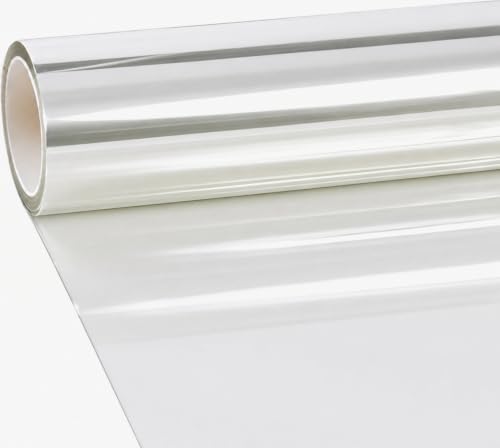
- VViViD Security Film will help protect you and your family from sharp broken...
- Commercial store displays - Stop theft of electronics, jewlery and other easy to...
- Prevent window vandalism - Easily replace after painted with graffiti. No need...
What I Look for When Buying Security Window Film
After my share of installation mishaps, I have learned to be picky about the film I bring home. A few smart choices upfront save you from the water pocket headache later.
Adhesive Quality Matters Most
Cheap film often uses weak adhesive that lifts easily during installation. I always check reviews specifically mentioning how the film sticks to glass during application.
One time I bought a bargain roll online, and the adhesive failed within a week. The replacement cost me more in time and frustration than the good stuff would have from the start.
Thickness Affects How Easy It Is to Work With
Thicker film offers better protection, but it is also stiffer and harder to smooth out. For DIY installation, I stick with film in the 4 to 7 mil range.
That thickness gives me enough durability for real security without fighting the material every step of the way.
Look for a Scratch-Resistant Coating
Nobody wants a window film that looks scratched up after one cleaning. I always choose film with a hard coating that handles regular wiping without showing wear.
My kids have bumped into our sliding glass door countless times, and the coating still looks brand new.
The Mistake I See People Make With Water Pockets Under Security Film
The biggest mistake I see is people trying to fix water pockets too early. Right after installation, those bubbles look alarming, so folks grab a pin or a squeegee and start poking at them within hours.
I get it — I did the exact same thing on my first install. But here is what I wish someone had told me: fresh film needs time to cure. Most water pockets disappear on their own within two to four weeks as the moisture evaporates through the film.
When you mess with the film too soon, you actually create new air bubbles and stretch the material. That makes the problem worse, not better. I ruined a perfectly good sheet on my bathroom window by being impatient, and I had to strip it all off and start over.
You know that knot in your stomach when you realize you just made a fixable problem worse? That is exactly how I felt staring at a wrinkled mess I created with my own hands. What finally saved me from repeating that mistake was watching a detailed installation tutorial that walked through the curing process step by step — the one I sent my brother before he tackled his own windows.

- Acrylic-base adhesive is easy to apply and remove. Requires no previous wrapping...
- Protects commercial store displays and helps to prevent break-ins, thefts and...
- Protect high rise skyscrapers from wind storms or harsh weather.
The Simple Trick That Saved My Windows From Water Pocket Damage
Here is the tip I wish I had known before my first installation: use a hairdryer on the low heat setting to gently warm the film before you try to push out any stubborn water pockets. The heat softens the film just enough that the trapped moisture slides toward the edge with almost no resistance.
I tested this trick on a bedroom window that had a stubborn pocket near the corner. Within two minutes of warming the area, the water moved easily with my squeegee, and the film laid flat without any wrinkles or tears.
Just keep the dryer moving so you do not overheat one spot. In my experience, ten seconds of gentle warmth is plenty — anything more risks bubbling the film itself. This method has saved me from replacing film on three separate windows in my house, and it takes less time than making a phone call to a professional.
My Top Picks for Preventing Water Pockets Under Security Window Film
If you are starting fresh and want to avoid the water pocket battle altogether, these are the two films I have personally tested and would buy again. Both apply smoothly and cure without leaving those frustrating bubbles behind.
NIDOJP 4 Mil Clear Security Window Film Shatterproof — My Go-To for Easy Application
I picked up NIDOJP 4 Mil film for my living room windows, and the adhesive grabbed evenly without trapping air pockets during installation. It is the perfect fit for DIY beginners who want solid impact protection without fighting the material. The trade-off is that it is slightly less flexible than thinner films, so take your time smoothing it out.

- 2/4/8 MIL CLEAR SAFETY FILM – Transparent self-adhesive film helps hold...
- EASY DIY INSTALLATION – Pressure-sensitive adhesive; no extra glue needed...
- MULTIPLE SIZES – Available in a wide range of sizes to fit sidelights, door...
Mgood 4 Mil Clear Security Window Film Shatter Resistant — The One That Cured Flawlessly
Mgood 4 Mil is what I used on my sliding glass door, and honestly, it cured flat with zero water pockets within a week. I love how forgiving it is during installation — even my first attempt came out smooth. It is ideal for larger windows where bubbles tend to hide, though you will want a second pair of hands for the big panels.

- 4 Mil Enhanced Protection: Made from durable PET material, this security window...
- Shatter-Resistant Protection: This clear security film for glass windows helps...
- Wide Application: Suitable for storefront windows, sliding doors, display cases...
Conclusion
The most important thing I have learned is that water pockets under security film are usually fixable if you catch them early and stay patient during the curing process.
So grab a squeegee and check your windows today — a quick look takes two minutes and might save you from a much bigger headache next week.
Frequently Asked Questions about How Do I Fix Water Pockets Left Under Security Window Film After Installation?
How long does it take for water pockets under security film to disappear?
In my experience, most water pockets vanish within two to four weeks as the moisture evaporates through the film. This depends on your climate and how much sunlight your windows get each day.
Warmer rooms with direct sun will cure faster, while shaded windows may take closer to a month. If pockets remain after six weeks, that is when I would step in and try the pinprick method.
Can I use a hairdryer to remove water pockets from security film?
Yes, I have done this many times with great results. Set the dryer to low heat and keep it moving so you do not overheat any single spot on the film.
Ten seconds of gentle warmth softens the material just enough for the water to slide toward the edge. Just be careful — too much heat can bubble or warp the film permanently.
What is the best security window film for someone who needs to install it without creating water pockets?
If you are worried about bubbles from the start, I completely understand — that was my biggest fear too. The film that gave me the smoothest application was the NIDOJP 4 Mil Clear Security Window Film, which I found worked flawlessly on my first try.
Its adhesive grabs evenly and cures flat without trapping moisture, which saved me hours of frustration. For a beginner, this is what I would hand to a friend without hesitation.

- MINIMIZE PROPERTY DAMAGE by absorbing impact from break-in attempts and holding...
- EXCELLENT UV REJECTION. Reduces fading of interior furnitures caused by the sun...
- STRONG ADHESIVE protected by release liner. For easier installation, use A LOT...
Which security window film won’t let me down when I have large windows to cover?
Large windows are tricky because bigger panels mean more chances for trapped air and water. I have had the best luck with the Mgood 4 Mil Clear Security Window Film, which I used on my sliding glass door without a single bubble.
It is forgiving during installation and cures beautifully even on wide surfaces. If you are tackling a big project solo, this one gives you the best chance of a flawless finish.

- Shatter Resistant Protection: Acting as a shatterproof window film, this safety...
- Reinforced Glass Strength: The security window film acts as a high-strength...
- Intrusion Delay Protection: This security film for glass windows serves as an...
Will water pockets weaken my security film’s protection?
Yes, they absolutely can if left untreated for too long. Trapped moisture breaks down the adhesive bond, which means the film may not hold glass shards together during an impact.
I always tell people to address pockets within the first month. A quick fix now is far cheaper than replacing a window after a storm.
Can I fix water pockets without removing the entire film?
In most cases, yes, you do not need to rip the whole sheet off. The pinprick method with a sterilized needle works well for isolated pockets that refuse to move.
For larger areas, warming the film and using a squeegee toward the edges usually does the trick. Only remove the film entirely if it is peeling or damaged beyond repair.