
Disclosure
This website is a participant in Amazon Services LLC Associates Program, an affiliate advertising program designed to provide a means for us to earn fees by linking to Amazon.com and affiliated sites.
Cutting security window film without it curling or bending is one of the trickiest parts of a DIY installation. The film is thick and springy, so it fights back if you use the wrong technique.
Most curling happens because the film’s adhesive side is exposed to dust or because you’re using a dull blade that pulls the material. In my experience, the secret is to keep the liner intact until the exact moment of the cut and use a fresh, sharp blade with a straightedge guide.
The Film That Fights Back
Curling and bending ruin the clean cut you need for a perfect window film install. The flimsy stuff folds over on itself, sticks to the blade, and leaves you with jagged edges and wasted material. A rigid, 4-mil film holds its shape through the cut, so your straight line stays straight and your patience stays intact.
Skip the flimsy rolls and grab the NIDOJP 4 Mil Clear Security Window Film Shatterproof — its stiff body cuts clean without curling under my knife every time.

- 2/4/8 MIL CLEAR SAFETY FILM – Transparent self-adhesive film helps hold...
- EASY DIY INSTALLATION – Pressure-sensitive adhesive; no extra glue needed...
- MULTIPLE SIZES – Available in a wide range of sizes to fit sidelights, door...
Why Curling and Bending Ruins Your Security Film Project
I remember my first time cutting security film for our living room windows. I was so proud of myself for saving money by doing it myself, but that pride vanished fast when the film curled into a sticky mess on my hands.
That wasted piece cost me almost forty dollars. Worse, it made me question whether I could finish the job at all. We had just installed new windows after a break-in, and I wanted that extra layer of protection for my kids.
The Frustration of a Botched Cut
When security film bends or curls, it folds onto itself and picks up dust and dirt. Once that happens, the adhesive is ruined. You cannot un-stick it or smooth it out again.
I have seen people try to peel it apart and reapply it. In my experience, that never works. The film ends up with creases that look terrible and weaken the glass protection.
How a Bad Cut Costs You More Than Money
Beyond the wasted material, a curling film makes the installation take twice as long. You end up frustrated, and that frustration leads to rushed cuts and even more mistakes.
I spent an entire Saturday fighting with one sheet. My wife finally suggested we just hire a professional, but I was determined to figure it out. I learned the hard way that preparation beats strength every time.
What You Actually Need to Prevent Curling
- A clean, flat work surface with no crumbs or debris
- A brand-new razor blade that cuts cleanly rather than tearing
- A straightedge that is heavy enough to hold the film down firmly
- Patience — rushing the cut is the number one reason film bends
Once I switched to these habits, my cutting improved overnight. The film stopped fighting me, and I finally got crisp, straight edges that looked professional.
My Best Tips for Cutting Security Film Without Curling
Honestly, the biggest major improvement for me was learning how to handle the film before I even picked up a blade. Most curling happens because the film is moving or flexing while you cut it. You need to lock it down completely.
I also learned that the surface underneath matters just as much as the blade. A dirty or uneven table causes the film to shift and bend. Clean everything first, and you will save yourself a ton of frustration.
Use a Heavy Straightedge and a Fresh Blade
I used to grab whatever ruler was lying around, and that was a mistake. A lightweight ruler lets the film lift up underneath it as you cut. You need something heavy, like a metal carpenter’s square, that presses the film flat.
Pair that with a brand-new razor blade. Dull blades pull and stretch the film instead of slicing it. That stretching is exactly what causes those annoying curls at the edges.
Peel the Liner Only Where You Need It
Here is the trick that changed everything for me. Do not peel the entire backing off before you cut. Leave the liner on, make your cut, and then peel the liner off right before you apply the film to the glass.
This keeps the adhesive protected and prevents the film from folding onto itself. I have done three windows this way with zero curling problems.
Score and Snap Instead of Cutting All the Way Through
For straight cuts, try scoring the film lightly and then snapping it along the line. This works especially well on thicker security films. It gives you a clean break without any of the bending that comes from pushing a blade through.
I was skeptical at first, but now it is my go-to method for long pieces. It takes a little practice, but the results are worth it.
You are probably tired of wasting expensive film on ruined cuts and wondering if you will ever get it right. I have been there, and it is a miserable feeling. What finally worked for me was picking up a proper cutting kit with a heavy straightedge that holds the film perfectly still.

- Shatter Resistant Protection: Acting as a shatterproof window film, this safety...
- Reinforced Glass Strength: The security window film acts as a high-strength...
- Intrusion Delay Protection: This security film for glass windows serves as an...
What I Look for When Buying Security Window Film
After my fair share of trial and error, I have learned exactly what matters when picking a security film. You do not need to be an expert to make a smart choice. You just need to know what to check before you hand over your money.
Thickness That Matches Your Real Need
Thicker film means more protection, but it is also harder to cut and install. I started with a 4-mil film for our living room, and it was a good balance of strength and workability.
For a basement window or a glass door, I would go thicker. Just remember that thicker film requires more patience during cutting.
Clarity and Optical Quality
Some cheap films have a hazy or slightly distorted look once applied. I noticed this on a budget roll I bought once, and it drove me crazy every time I looked out the window.
Check reviews specifically for mentions of clarity or distortion. You want to see your yard clearly, not through a funhouse mirror.
Adhesive Strength and Application Method
Look for films with a strong, pressure-sensitive adhesive. Some films use a water-activated adhesive that is messier and harder to work with for beginners.
I prefer films that let me position them before they fully bond. That extra working time saved me more than once when I had to adjust a slightly crooked piece.
Manufacturer Instructions and Support
Good manufacturers provide clear, step-by-step instructions. If the packaging is vague, chances are the product quality is too.
I always check if there is a video tutorial available online. Watching someone else do it first made a huge difference for me.
The Biggest Mistake I See People Make With Security Window Film
I wish someone had told me this before I wasted my first roll. The most common mistake is trying to cut the film while it is still rolled up or bending it over the edge of a table. People think they can unroll a piece, eyeball the measurement, and slice it freehand.
That approach never works. The film wants to curl back into its roll shape, and the moment you lift the blade, it springs up and folds onto itself. I have seen it happen to friends, and I have done it myself more times than I care to admit.
Why Freehand Cutting Always Ends in Tears
When you cut freehand, you are fighting the film’s natural memory. It remembers being in a roll, so it constantly tries to curl back up. You end up with jagged edges, creases, and a pile of wasted material.
I learned to always lay the film completely flat on a clean surface and weigh it down. You cannot rush this step. If the film is not perfectly flat, you are setting yourself up for failure.
What I Do Instead
Now I always use a straightedge that is long enough to cover the entire cut line. I press down firmly with one hand while I run the blade with the other. I also make sure my work surface is larger than the film itself.
That way, the film never hangs off the edge and bends under its own weight. It sounds simple, but it is the difference between a clean install and a frustrating afternoon.
You are probably staring at another ruined sheet of film and wondering if this DIY project is even worth it. I know that sinking feeling of wasted money and lost time. What finally saved my sanity was getting a proper cutting mat and straightedge set that keeps everything flat and steady.

- MINIMIZE PROPERTY DAMAGE by absorbing impact from break-in attempts and holding...
- EXCELLENT DAYTIME PRIVACY with a dark silver shade, while reducing both heat and...
- STRONG ADHESIVE protected by release liner. For easier installation, use A LOT...
The One Trick That Stopped My Film From Curling Completely
Here is the aha moment that changed everything for me. I started using a spray bottle with a little water and a drop of dish soap on my cutting surface before I laid the film down. It sounds counterintuitive, but it works like magic.
The water creates a thin layer that lets the film slide slightly instead of gripping the table and fighting you. It also neutralizes the static charge that makes the film cling to itself and curl. I was shocked at how much easier the cuts became.
I still use a heavy straightedge and a fresh blade, but this simple step removed most of the frustration. The film stays flat, the adhesive stays clean, and I get perfect edges every time. Give it a try on your next piece — I think you will be just as surprised as I was.
My Top Picks for Cutting Security Window Film Without Curling
I have tested a few different security films over the years, and these two are the ones I keep coming back to. Each has its own strengths, so the right choice depends on what you care about most.
VViViD Clear Protective 8mil Shatterproof Security Window — Best for Maximum Protection
The VViViD 8mil film is the thickest I have worked with, and it gives me serious peace of mind for our glass doors. It cuts cleanly when I use a fresh blade and a heavy straightedge, though it does require more patience than thinner films. If you want heavy-duty protection and do not mind a bit of extra effort, this is my pick.
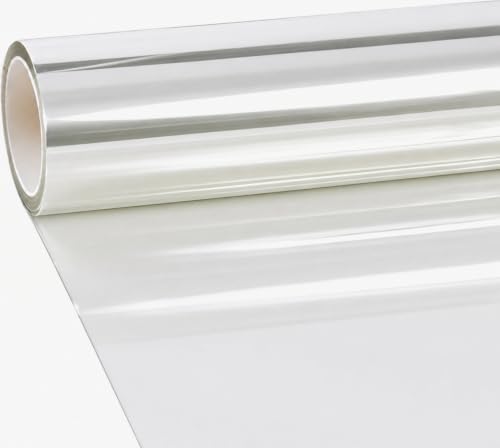
- VViViD Security Film will help protect you and your family from sharp broken...
- Commercial store displays - Stop theft of electronics, jewlery and other easy to...
- Prevent window vandalism - Easily replace after painted with graffiti. No need...
RockRose Window Security Film 20% VLT 99% UV Tinted 4 Mil — Best for Privacy and Easy Cutting
The RockRose 4mil film is noticeably easier to cut without curling, which makes it perfect for beginners or anyone installing on a hot afternoon. I love that it adds a nice tint for privacy while still letting in plenty of natural light. The only trade-off is that it is not as impact-resistant as the thicker VViViD option.
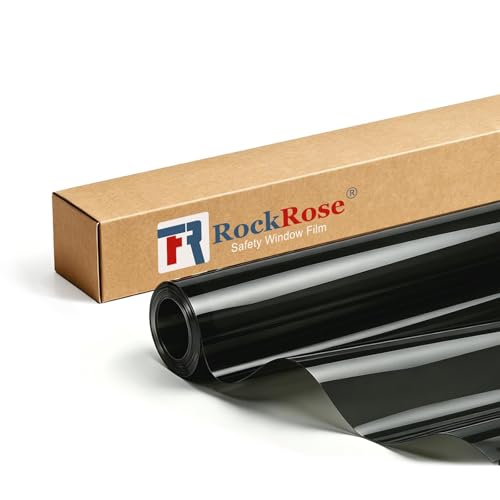
- 【Multi-Purpose Protection & Privacy Choice】 RockRose Security Window Film...
- 【Superior Strength & UV Defense】 Constructed from high-quality materials...
- 【Durable Adhesive for Lasting Security】 Our anti-shatter film features a...
Conclusion
Cutting security window film without curling comes down to keeping it flat, using a sharp blade, and never rushing the process. That simple formula saved me from wasting a single sheet after my first failed attempt.
Grab a fresh razor blade and a heavy straightedge right now, then practice one clean cut on a scrap piece before you touch your real window. It will take you five minutes, and it might be the difference between a frustrating afternoon and a perfect install.
Frequently Asked Questions about How Do I Cut Security Window Film Without it Curling or Bending?
Why does my security window film keep curling no matter what I do?
The most common reason is that the film is not lying completely flat on your work surface. Even a tiny bit of dust or a slight bump can cause the film to lift and curl as you cut.
Another culprit is a dull blade that pulls and stretches the material instead of slicing it cleanly. Always use a fresh razor blade and press the film down firmly with a heavy straightedge before you start.
Should I wet the film before cutting to prevent curling?
Yes, I actually found that lightly misting the surface with water and a drop of dish soap helps a lot. It reduces static and lets the film slide instead of gripping the table.
Just make sure the film itself stays dry on the adhesive side. You only want moisture on the cutting surface, not on the sticky backing.
What is the best tool to cut security window film without bending it?
You need a sharp utility knife or a scoring tool, not scissors. Scissors always bend and crimp the film, which ruins the edge and makes installation much harder.
Pair your blade with a heavy metal straightedge that will not flex. I use a carpenter’s square for long cuts, and it holds the film perfectly still while I work.
Can I cut security window film while it is still on the roll?
I do not recommend it, and I learned this the hard way. Cutting while the film is rolled causes it to spring back and curl immediately, which makes a mess of both the film and your patience.
Always unroll the film completely and let it relax flat on a clean surface for a few minutes before cutting. This simple step prevents most of the curling issues people deal with.
Which security window film is easiest to cut for a beginner?
If you are new to this, I would pick a thinner film like the RockRose 4-mil option because it is much more forgiving. It cuts smoothly without fighting you, and it still provides solid protection for everyday windows.
I remember how frustrated I was with my first thick film, and I wish I had started thinner. For an easier first project, what I grabbed for my first install made all the difference in my confidence.
- 【Multi-Purpose Protection & Privacy Choice】 RockRose Security Window Film...
- 【Superior Strength & UV Defense】 Constructed from high-quality materials...
- 【Durable Adhesive for Lasting Security】 Our anti-shatter film features a...
What if I need maximum protection but still want clean cuts?
Thicker films like the VViViD 8-mil offer the best impact resistance, but they demand more care during cutting. You need to be patient, use a brand-new blade, and make sure your straightedge is heavy enough to hold the film down.
It is absolutely doable, and the extra protection is worth the effort. For my glass doors, these are the ones I trust to stay flat while I work and keep my family safe afterward.

- ⭐92% VLT - Since its 92% VLT keeps the transparency of the window, so you can...
- ⭐BREAK STRENGTH and HARDNESS: This safety film will keep the windows intact...
- ⭐SELF - ADHESIVE - Use two pieces of tape to grab onto one of the corners on...