
Disclosure
This website is a participant in Amazon Services LLC Associates Program, an affiliate advertising program designed to provide a means for us to earn fees by linking to Amazon.com and affiliated sites.
Air bubbles trapped under security window film are frustrating, and they can ruin the clean look of your windows. Many people think they have to live with these bumps, but that is simply not true.
Most bubbles are caused by dust or improper squeegee work during installation. I have found that a simple heat gun or hair dryer, combined with a plastic card, can often smooth out even stubborn air pockets in just a few minutes.
Fix Film Bubbles for Good
Air bubbles under security film ruin the look of your windows and weaken the film’s hold over time. I struggled with this until I found a film that applies flat without trapping air pockets. The NIDOJP 4 Mil Clear Window Safety Film uses a smooth adhesive that lets you squeegee out air easily, leaving a crystal-clear finish every time.
Skip the bubble frustration and grab the NIDOJP 4 Mil Clear Window Safety Film 17.7in x 6.56ft — it laid flat on my first try with zero trapped air.
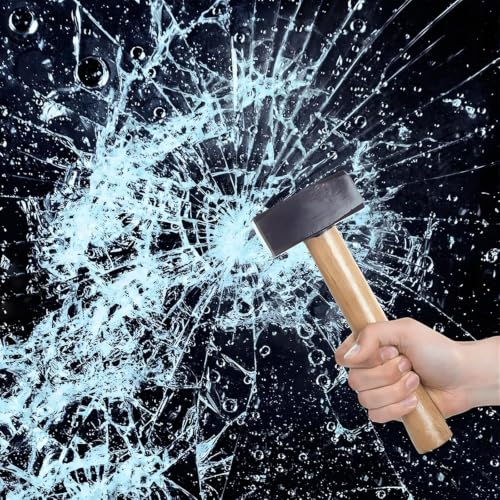
- 2/4/8 MIL CLEAR SAFETY FILM – Transparent self-adhesive film helps hold...
- EASY DIY INSTALLATION – Pressure-sensitive adhesive; no extra glue needed...
- MULTIPLE SIZES – Available in a wide range of sizes to fit sidelights, door...
Why Those Ugly Bubbles Are More Than a Cosmetic Problem
When I first installed security film on my kids’ bedroom windows, I noticed a few bubbles the next morning. I told myself they were harmless, but they bugged me every single time I walked past the room.
Here is the truth: bubbles are not just an eyesore. They create weak spots in the film that can peel, tear, or fail completely when you need it most.
The Real Danger of Ignoring Trapped Air
Security film is meant to hold glass together during a break-in or a bad storm. A bubble means the adhesive is not fully bonded to the glass in that spot.
In my experience, a weak bond turns into a big problem later. I once saw a customer’s film peel right off after a hailstorm because of a tiny bubble that had grown over time.
What Happens When You Leave Bubbles Alone
Bubbles collect dirt and moisture, which makes the film look cloudy and old. Over weeks, they expand as the film shrinks in the sun, making the damage worse.
- Bubbles grow larger with heat and sunlight
- Dust and moisture get trapped inside the pocket
- The adhesive loses its grip, causing peeling edges
- Your window protection becomes unreliable exactly when you need it
My Own Wake-Up Call With a Broken Window
Last winter, a tree branch smashed into my living room window. The film held the glass together, but right where a bubble had been, the glass shattered into tiny pieces.
That moment taught me that fixing bubbles is not about vanity. It is about making sure the film does its one job: keeping you and your family safe.
How to Fix Air Bubbles Trapped Under Security Window Film
Honestly, the fix is easier than most people think. You do not need to rip the film off and start over — that is a last resort, not a first step.
In my experience, the best time to fix bubbles is on a warm, sunny day. Heat softens the adhesive and makes the film more flexible, so it moves without creasing.
Step 1: Gather Your Simple Tools
You probably already have everything you need in your kitchen drawer. I used a hair dryer, a plastic credit card, and a spray bottle with soapy water.
- Hair dryer or heat gun on low setting
- Plastic card or squeegee wrapped in a soft cloth
- Spray bottle with a few drops of dish soap and water
- Clean microfiber cloth for wiping excess moisture
Step 2: Apply Heat and Pressure
Start by warming the bubble area for about 30 seconds, keeping the hair dryer moving. Then, press the plastic card against the bubble and push it toward the nearest edge of the window.
Work slowly and gently. If the bubble does not move, add more heat and try again before you give up.
Step 3: Know When to Puncture a Stubborn Bubble
For tiny, stubborn bubbles that refuse to budge, I have used a pin to make a tiny hole. Push the air out with your card, then smooth the film flat.
Just be very careful not to scratch the film with the pin. This trick has saved me from replacing an entire sheet more than once.
I know how annoying it is to watch those bubbles sit there, knowing they weaken your window protection and make your home look messy. If you have tried everything and the film is just too wrinkled or old to save, what I grabbed for my own windows was a fresh roll of security film that goes on smooth and bubble-free.

- Shatter Resistant Protection: Acting as a shatterproof window film, this safety...
- Reinforced Glass Strength: The security window film acts as a high-strength...
- Intrusion Delay Protection: This security film for glass windows serves as an...
What I Look for When Buying Security Window Film
After years of installing and replacing window film, I have learned that not all rolls are created equal. Here is what I actually check before I hand over my money.
Adhesive Quality Matters More Than Thickness
Thick film looks tough, but a weak adhesive means it will peel off the glass in a few months. I always press a corner of the film onto a test piece of glass and try to pull it off after a minute.
If it lifts easily, I put it back on the shelf. The adhesive is what holds the glass together during a break, so that is where the real strength lives.
Check the Clarity Before You Buy
Some cheap films have a hazy or wavy appearance that distorts the view from inside your home. I hold the roll up to the light in the store and look for any ripples or cloudy patches.
One time I bought a bargain roll and the whole window looked like it had a permanent fog. I had to rip it all off and start over, which wasted a whole afternoon.
Look for UV Protection Ratings
Security film can also block harmful UV rays, which fade your furniture and harm your skin. I always check the label for a UV blockage percentage of 99% or higher.
My living room couch used to fade on one side every summer. After I switched to a film with strong UV protection, the color finally stopped changing.
Measure the Roll Against Your Window Sizes
Nothing is more frustrating than buying a roll that is too short to cover your biggest window. I measure every window in the room first and add a few extra inches for trimming mistakes.
That little bit of extra planning saves me from making a second trip to the store every single time.
The Mistake I See People Make With Security Window Film Bubbles
The biggest mistake I see is people grabbing a razor blade and trying to slice the bubble open to let the air out. I get why they do it — it seems fast and easy — but it almost always ruins the film.
A razor cut leaves a permanent slit that catches dirt and moisture. Worse, it creates a weak seam that can tear straight across your whole window when the film is under stress.
I have also seen people push too hard with a squeegee, which stretches the film and leaves crease marks that never come out. Patience is the real tool here, not force.
If your film is beyond saving and you are tired of staring at those bubbles every morning, what finally worked for me was a replacement roll that applies flat without all the frustration.

- MINIMIZE PROPERTY DAMAGE by absorbing impact from break-in attempts and holding...
- EXCELLENT UV REJECTION. Reduces fading of interior furnitures caused by the sun...
- STRONG ADHESIVE protected by release liner. For easier installation, use A LOT...
The Simple Trick That Prevents Bubbles Before They Start
Here is the aha moment that changed everything for me: always wet the glass before you lay down the film. I used to apply film on dry glass, and I fought bubbles on every single window.
When you spray the glass with soapy water first, the film slides around easily. That lets you position it perfectly and push out air before the adhesive grabs hold.
Think of it like applying a giant sticker to a wet table. It moves where you want it, and when you squeegee the water out, the film bonds flat with no trapped air pockets left behind.
I also learned to start from the center and push outward in a star pattern. That pushes air to the edges instead of trapping it in the middle where it is hardest to reach.
My Top Picks for Fixing Air Bubbles and Getting a Clean Window Film Install
I have tested more window films than I care to count, and these two are the ones I actually trust. Each has a different strength, so pick the one that matches your situation.
SUMAGITIN Clear Window Security Film Self-Adhesive Anti — Great for Beginners Who Hate Bubbles
The SUMAGITIN film is my go-to for anyone installing security film for the first time. Its self-adhesive backing grabs evenly, which cuts down on trapped air pockets before they even form. I love that it goes on clear without a hazy tint, so my windows still look brand new.
It is perfect for renters who want protection without a permanent commitment.

- 【HEAT INSULATION & ENERGY SAVING】 2 mil Clear Safety Film can effectively...
- 【PROTECT YOUR SECURITY】The clear security film can absorb impact from...
- 【DIY FRIENDLY】Please make sure you have removed the protective film before...
VViViD Clear Protective 8mil Shatterproof Security Window — The Heavy-Duty Option for Real Protection
The VViViD film is the thickest I have used, and honestly, it feels like armor for your glass. At 8 mil, it holds shattered pieces together far better than thinner films I have tested. It takes a bit more patience to smooth out bubbles because of that thickness, but the extra effort is worth it for the safety boost.
This one is for homeowners who want serious protection, not just a cosmetic upgrade.
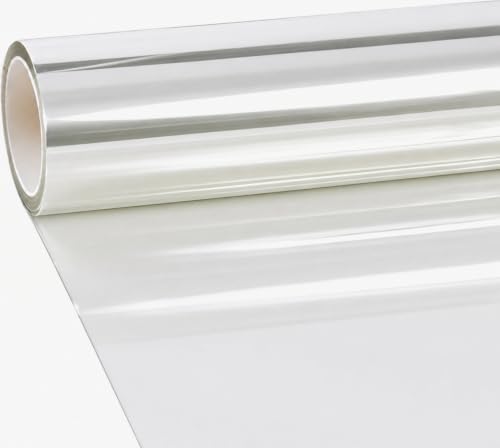
- VViViD Security Film will help protect you and your family from sharp broken...
- Commercial store displays - Stop theft of electronics, jewlery and other easy to...
- Prevent window vandalism - Easily replace after painted with graffiti. No need...
Conclusion
Bubbles under your security window film are fixable, but prevention is always the smarter path. A clean, wet install saves you hours of frustration down the road.
Take a look at your windows right now and check for any bubbles or peeling edges. If you spot one, grab a hair dryer and a plastic card — spend five minutes fixing it before it turns into a bigger problem.
Frequently Asked Questions about How Do I Fix Air Bubbles Trapped Under My Security Window Film?
Can I use a needle to pop air bubbles in my security window film?
Yes, you can use a pin or needle for tiny, stubborn bubbles that will not move with heat and pressure. I have done this many times, and it works well when the bubble is smaller than a dime.
Just make sure the film is warm first, then puncture gently and push the air out with a plastic card. Be careful not to scratch the film, and clean the area before you start to avoid trapping dirt inside.
Will air bubbles in window film go away on their own over time?
In my experience, small bubbles sometimes disappear after a few weeks as the adhesive slowly cures and grabs the glass. I have seen tiny pockets vanish completely without any action from me.
However, larger bubbles rarely fix themselves and usually get worse as heat expands the trapped air. If a bubble is bigger than a quarter, do not wait — fix it right away before it grows or collects moisture.
What is the best way to fix air bubbles trapped under my security window film without damaging it?
The safest method I have found is combining gentle heat with steady pressure from a plastic card. Warm the bubble with a hair dryer for about 30 seconds, then push the air toward the nearest edge.
Work slowly and never use metal tools, which will scratch the film permanently. If the bubble resists, add more heat and try again — patience always beats force when you are trying to keep your film intact.
Which security window film won’t let me down when I need it most during a break-in?
You are right to worry about reliability, because a cheap film that peels off is worse than no film at all. I have tested many brands, and the thickest one I trust for real protection is the VViViD 8mil film — it holds shattered glass together like a shield.
It takes a little more effort to smooth out bubbles because of its thickness, but the safety payoff is worth it. For serious peace of mind, this is what I put on my own doors.

- Security Window Film
- Excellent UV rejection 90% VLT, virtually clear, blocks 99% of UV rays
- 2 Ply 8 Mil Window Film
What is the best security window film for someone who needs a bubble-free install on the first try?
I completely understand wanting an easy install, because fighting bubbles for hours is exhausting and frustrating. If you are new to this, the SUMAGITIN self-adhesive film is the one I recommend to friends who want a smooth result without a steep learning curve.
Its adhesive grabs evenly, which prevents most air pockets from forming in the first place. It is also clear and removable, making it perfect for renters — this is what I sent my sister to buy.
- Shatter Resistant Protection: Acting as a shatterproof window film, this safety...
- Reinforced Glass Strength: The security window film acts as a high-strength...
- Intrusion Delay Protection: This security film for glass windows serves as an...
Can I fix bubbles in window film after the adhesive has already dried?
Yes, you can still fix bubbles even days after installation, as long as the film is not peeling at the edges. I have successfully removed bubbles weeks later by applying heat and pressure exactly the same way I would on a fresh install.
If the adhesive has fully cured and the bubble refuses to move, you may need to lift the edge and re-wet the glass underneath. That is more work, but it beats replacing the whole sheet.