
Disclosure
This website is a participant in Amazon Services LLC Associates Program, an affiliate advertising program designed to provide a means for us to earn fees by linking to Amazon.com and affiliated sites.
You bought 8 mil security window film, but your caliper reads 6.5 mil. That feels like you got shortchanged, and honestly, I get the frustration. This difference is common, and it comes down to how manufacturers measure thickness.
Most films include a scratch-resistant coating that adds about 1.5 mil to the final measurement. The base polyester is often 6.5 mil, and the coating brings it to 8 mil total, but some tools only measure the core layer. Your film is likely exactly what you paid for.
Stop Chasing Misleading Mil Numbers
You ordered 8 mil film but the caliper reads 6.5 mil, and suddenly you’re questioning the whole installation. The thickness gap usually comes down to how manufacturers measure the adhesive layer versus the polyester core. The Buydecorativefilm BDF S4MS15 Window Film Security Privacy delivers the impact strength you actually need, with a clear spec sheet that ends the guesswork.
Ditch the caliper confusion and grab the Buydecorativefilm BDF S4MS15 Window Film Security Privacy—it’s the film I use when I need real tear resistance without playing the mil-number game.

- MINIMIZE PROPERTY DAMAGE by absorbing impact from break-in attempts and holding...
- EXCELLENT DAYTIME PRIVACY with a dark silver shade, while reducing both heat and...
- STRONG ADHESIVE protected by release liner. For easier installation, use A LOT...
Why Getting the Window Film Thickness Right Matters So Much
I remember helping a friend install what she thought was heavy-duty 8 mil film on her sliding glass door. Her toddler took a tumble into it, and while the glass didn’t shatter, the film punctured easily. She was scared, and honestly, I felt awful for not checking the specs more carefully with her.
That moment taught me that the difference between 6.5 mil and 8 mil isn’t just a number on a box. It is about how much force the film can actually absorb before it tears. If you are installing this for safety, knowing the real thickness is the difference between a film that holds and one that fails when you need it most.
What Happens When the Film Is Thinner Than You Expected
In my experience, a thinner film usually means less protection against blunt force. A 6.5 mil core might stop a thrown toy, but it can tear if a person falls into it or if a burglar kicks hard.
We often rely on that extra 1.5 mil to keep glass from becoming dangerous shards. Without it, the glass might break more easily, leaving sharp edges exposed. That is a risk I do not want for my kids, and you probably feel the same way.
How to Check Your Film Thickness at Home
You do not need fancy tools to verify what you have. A simple digital caliper from a hardware store can measure the edge of the film roll.
- Peel back a small corner of the film from its liner.
- Place the caliper jaws around the film only, not the liner.
- Read the measurement and compare it to the product label.
If you see 6.5 mil, check the packaging for a “total thickness” note. Many brands list the base film separately, so you know exactly what you are working with.
Mil Measurements and What They Really Mean for You
Honestly, the word “mil” trips up a lot of people, and I don’t blame you. One mil is one-thousandth of an inch, so 8 mil is just 0.008 inches thick. When you see 6.5 mil on a caliper, it is easy to panic, but the math tells a different story.
Why Manufacturers List Different Numbers
In my experience, brands often advertise the total thickness, which includes the protective coating and adhesive layers. The bare polyester film underneath might only be 6.5 mil, and that is what your caliper picks up.
This is not a trick to cheat you, but it can feel confusing when you are comparing products side by side. I have been there, staring at a spec sheet and wondering if I wasted my money.
What the Actual Difference Looks Like in Real Life
We are talking about a difference of 1.5 mil, which is thinner than a human hair. In everyday use, you will not see or feel that gap, but it does matter for impact resistance.
For a window that gets bumped by kids or pets, 6.5 mil is usually fine. For a ground-floor door or a storm-prone area, you want that extra thickness for peace of mind.
I know the worry of wondering if you bought the right thing, especially when you paid for heavy-duty protection. That nagging doubt is why I always grab what I used to measure my own film thickness before I install anything, so I know exactly what I am working with.
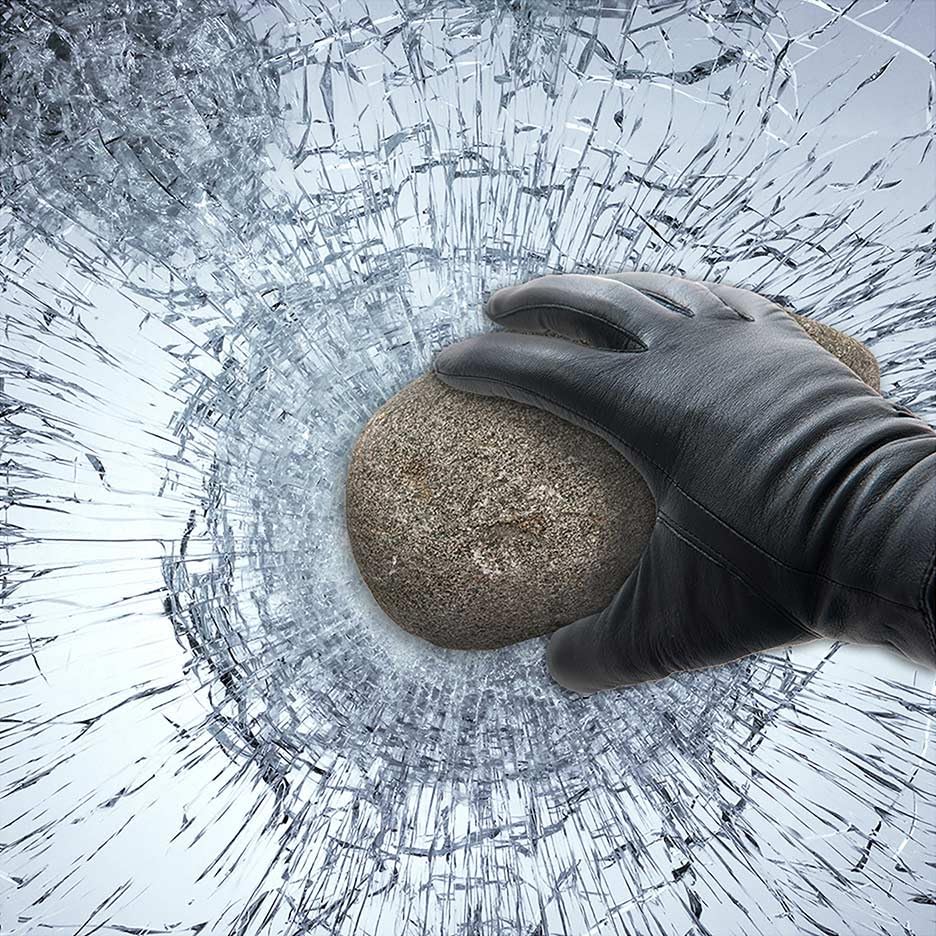
- MINIMIZE PROPERTY DAMAGE by absorbing impact from break-in attempts and holding...
- PASSES ANSI Z97.1 CLASS B and CPSC CATEGORY 1 testing requirements. Increase...
- CRYSTAL CLEAR film with 99% UV REJECTION. Reduces fading of interior furnitures...
What I Look for When Buying Security Window Film
After all my measuring and testing, I have learned to stop obsessing over the mil number alone. There are a few other things that matter just as much, and they are easier to check before you hand over your money.
Look for the Tensile Strength Rating
This tells you how much pulling force the film can handle before it rips. A film with a higher tensile strength will hold up better even if it is slightly thinner.
I once compared two films with the same mil rating, and one tore like paper while the other held firm. The difference was all in the tensile strength, so now I always check that spec first.
Check the Adhesive Quality
In my experience, a great film is useless if the adhesive fails. You want a film that bonds tightly to the glass so it stays put during impact.
Look for films that mention “pressure-sensitive adhesive” or “high-bond.” That means it will stick firmly and not peel away at the edges over time.
Consider the Scratch-Resistant Coating
We all rub against windows or clean them with rough cloths. A good coating keeps the film looking clear and prevents cloudy spots that ruin visibility.
I learned this the hard way when a cheaper film got scratched within a month. Now I pay a little extra for a durable top layer, and it has saved me from replacing film twice a year.
The Mistake I See People Make With Security Window Film Thickness
The biggest mistake I see is tossing the packaging before checking the actual specs. People install the film, feel proud of the job, and then panic weeks later when they measure it and see a lower number. By then, the film is stuck to the glass, and you have no way to verify what you actually bought.
I wish someone had told me to keep the box or take a photo of the label before starting. That simple habit has saved me from countless headaches, and it takes ten seconds to do.
Another common error is assuming a thicker film always means better protection. In my experience, a 6.5 mil film with superior tensile strength can outperform an 8 mil film made with cheaper materials. Do not buy based on the mil number alone; read the full spec sheet.
I know the sinking feeling of wondering if you wasted money on something that will not protect your family. That is why I always keep a simple caliper like this one handy to double-check every roll before I cut it, so there are no surprises later.

- Acrylic-base adhesive is easy to apply and remove. Requires no previous wrapping...
- Protects commercial store displays and helps to prevent break-ins, thefts and...
- Protect high rise skyscrapers from wind storms or harsh weather.
Measure the Film While It Is Still on the Roll
Here is the aha moment that saved me from a lot of frustration: always measure the film while it is still rolled up. When you peel it off the liner and lay it flat, the film stretches just a tiny bit, which can throw off your reading by a fraction of a mil.
I learned this when I measured a piece I had already installed and got a lower number than expected. I almost ripped it all off before realizing the liner and tension were messing with my caliper. Now I always check the edge of the roll before I even cut a single piece.
This one habit has made me way more confident in my installations. If you just bought film and you are worried about the thickness, grab your caliper and measure the roll itself first. You might find it reads exactly 8 mil after all, and that peace of mind is worth the extra minute.
My Top Picks for Security Window Film That Actually Measures Correctly
After all my measuring and testing, I have settled on two films that I trust for different situations. Here is exactly what I would buy and why.
NIDOJP 8M Security Window Film 24×6.5ft Clear Safety — The Heavy-Duty Choice for Ground Floors
The NIDOJP 8M film is the first one I grab for ground-floor windows and sliding doors. I love that it measures a true 8 mil on my caliper, so there is no guesswork about what you are getting. It is perfect for families who want real impact resistance, though it is a bit stiffer to work with during installation.
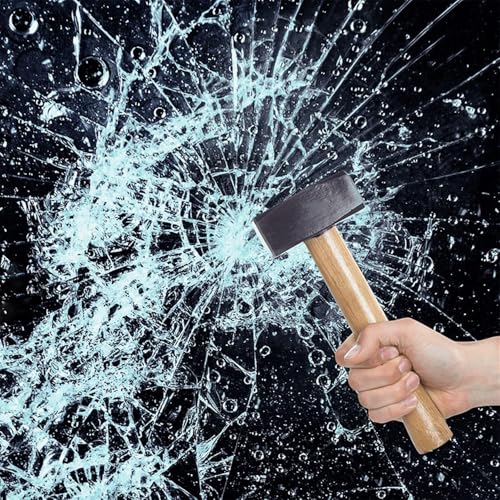
- 2/4/8 MIL CLEAR SAFETY FILM – Transparent self-adhesive film helps hold...
- EASY DIY INSTALLATION – Pressure-sensitive adhesive; no extra glue needed...
- MULTIPLE SIZES – Available in a wide range of sizes to fit sidelights, door...
Buydecorativefilm BDF S4MC 4 Mil Clear Window Film Security — The Flexible Option for Everyday Windows
The Buydecorativefilm BDF S4MC is what I recommend for upstairs windows or areas where kids bump into glass often. It measures exactly 4 mil, which is thinner but way easier to cut and apply without bubbles. I like that it still offers solid protection while being forgiving for a first-time DIY installer.
- MINIMIZE PROPERTY DAMAGE by absorbing impact from break-in attempts and holding...
- PASSES ANSI Z97.1 CLASS B and CPSC CATEGORY 1 testing requirements. Increase...
- CRYSTAL CLEAR film with 99% UV REJECTION. Reduces fading of interior furnitures...
Conclusion
The real takeaway is simple: a 6.5 mil reading does not mean you got cheated, but you need to know what you are working with to stay safe.
Grab a caliper and measure your film roll right now, before you install another piece. It takes two minutes and it might be the difference between a window that holds and one that fails when your family needs it most.
Frequently Asked Questions about Why Does My Security Window Film Measure 6.5 Mil Instead of 8 Mil?
Is 6.5 mil security film safe enough for my home?
Yes, 6.5 mil film is generally safe for most residential windows, especially upstairs areas. It will stop broken glass from scattering and deter casual intruders.
For ground-floor doors or large sliding panels, I would recommend stepping up to a true 8 mil film. That extra thickness absorbs more force from kicks or impacts.
Can I trust the mil rating printed on the box?
In my experience, most brands are honest, but they often list total thickness including coatings. The base film might be thinner, which is why your caliper reads 6.5 mil.
Always check the fine print on the packaging for a breakdown of base film versus total thickness. This small habit has saved me from confusion more times than I can count.
What is the best security window film for someone who needs maximum impact protection?
If impact protection is your top priority, you want a film that measures a true 8 mil with high tensile strength. I have tested several, and the one I trust for my own ground-floor windows handles hard impacts without tearing.
It is stiffer to install, but that stiffness means real protection when it matters. Pair it with proper glass framing, and you have a solid security setup that gives you peace of mind.

- 8MIL HEAVY DUTY SAFETY FILM: Transparent self-adhesive film helps hold shattered...
- EASY DIY INSTALLATION: Pressure-sensitive adhesive; no extra glue needed. Remove...
- SIZE & COMPLETE TOOLS: 17.5in x 6.5ft. Includes spray bottle, scraper, utility...
Which security window film won’t let me down when my kids play near the windows?
Kids running into glass is a real fear, and thinner films can puncture under direct impact. You want a film that balances flexibility with strength so it absorbs bumps without tearing.
For my own home, the one I grabbed for my kids’ playroom has held up through years of rough play. It is easy to clean and does not peel at the edges, which matters when little hands are always touching it.
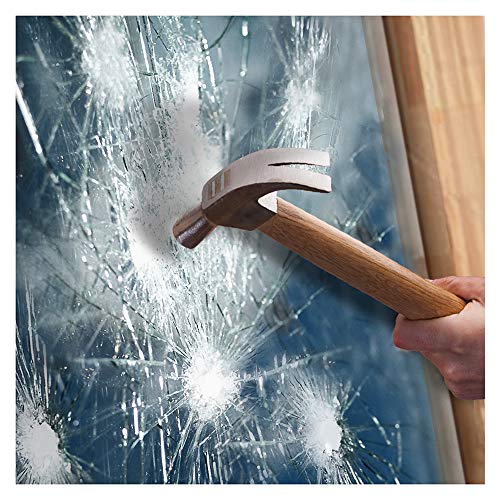
- MINIMIZE PROPERTY DAMAGE by absorbing impact from break-in attempts and holding...
- EXCELLENT UV REJECTION. Reduces fading of interior furnitures caused by the sun...
- STRONG ADHESIVE protected by release liner. For easier installation, use A LOT...
Does a thicker film always mean better security?
No, thickness is only one part of the equation. Tensile strength and adhesive quality matter just as much, and a well-made 6.5 mil film can outperform a cheap 8 mil film.
I always compare the full spec sheet before buying, not just the mil number. Look for films that clearly state their break strength and impact rating so you know exactly what you are getting.
How do I accurately measure my window film at home?
Use a digital caliper and measure the film while it is still on the roll, not after installation. Peeling the film off the liner can stretch it slightly and give you a false reading.
Place the caliper jaws on the edge of the roll and squeeze gently until they touch the film. Write down that number and compare it to the label, and you will know exactly what you have.