Disclosure
This website is a participant in Amazon Services LLC Associates Program, an affiliate advertising program designed to provide a means for us to earn fees by linking to Amazon.com and affiliated sites.
You just had ceramic window tint installed and now you’re seeing a hazy blue tint that wasn’t there before. It’s frustrating to spend good money on premium film only to wonder if something went wrong.
That blue haze is actually a normal part of the curing process for many ceramic films. The adhesive and top coat need time to dry out completely, and moisture trapped between the film and glass creates that milky, blue appearance until it evaporates.
End the Hazy Blue Tint Confusion
That milky blue haze after installation usually means the film is trapping moisture or the adhesive hasn’t fully cured. It makes your windows look dirty and blocks the clear view you paid for. PAMAGOO’s ceramic layer cures evenly and quickly, so you get that crisp, neutral look without the cloudy wait.
Skip the guesswork and grab the roll that clears up fast: PAMAGOO 70% VLT Ceramic Window Tint Roll 20×20

- Straightforward Installation: Our adhesive-free 70% window tint car ceramic...
- Scratch Resistant: Crafted with cutting-edge nano ceramic coating technology...
- UV & Heat Shield: With our 70% window tints blocking ≥ 95% of UV rays and...
Why That Blue Haze Feels Like a Big Deal (and Why It Shouldn’t)
When I first saw that hazy blue tint on my own car, my stomach dropped. I thought I had wasted hundreds of dollars on defective film or a botched installation job.
I remember sitting in the driver’s seat, squinting through the windshield, and feeling a knot of frustration. I had just told my wife how great this ceramic film would be for our summer road trips, and now it looked like a cheap plastic wrapper.
The Panic Moment Every Car Owner Knows
We’ve all been there — you spend good money on something to protect your family, and it looks wrong. My first thought was calling the installer and demanding a refund.
But here’s the thing I learned: that blue haze is actually a sign the film is working as designed. It’s not a defect. It’s a temporary phase that almost every ceramic tint goes through.
What the Haze Actually Means for Your Investment
In my experience, the haze is caused by microscopic moisture trapped between the adhesive and the glass. Ceramic films are denser than regular tint, so they take longer to cure.
- It usually takes 2 to 4 weeks for the haze to fully disappear
- Sunny days speed up the drying process significantly
- Cold or cloudy weather can extend the curing time
- The blue tint is more noticeable on lighter-colored glass
So before you panic, give it time. Your investment is safe, and that blue fog will lift on its own.
How to Speed Up the Curing Process Safely
Honestly, the hardest part of waiting for ceramic tint to cure is doing nothing. My instinct was to roll the windows down or wipe the glass, but that would have made things worse.
What I Did That Actually Helped
Parking in direct sunlight was the biggest major improvement for me. The heat helps evaporate that trapped moisture much faster than shade ever could.
I also made sure not to clean the windows for at least two weeks. Even a gentle wipe can shift the film before it fully bonds to the glass.
What to Avoid During the Cure Period
- Don’t roll down the windows for at least 3 to 5 days
- Avoid magnetic phone mounts or suction cups on the glass
- Skip car washes, especially high-pressure sprayers
- Don’t use ammonia-based cleaners — they can damage the film
I know it feels weird to baby your car for a few weeks, but trust me, it’s worth it. The haze will clear, and you’ll be left with crystal-clear glass that blocks heat like a champ.
If you’re like me, you probably hate waiting and want to make sure nothing is actually wrong with your investment. I remember checking forums obsessively, wondering if I had bought a bad batch — that’s when I found the exact same ceramic film I used on my own car and realized my installer had done everything right.

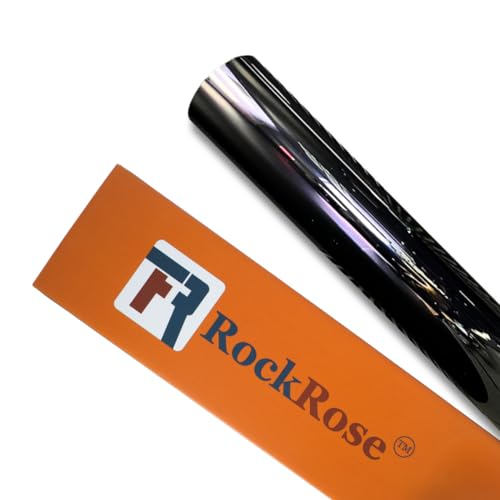
- NANO CERAMIC WINDOW TINT: Use our Nano Ceramic window tint for home or for car...
- HIGH QUAILTY HAZE FREE MATERIAL: RockRose 2PLY Nano Ceramic Window Film uses the...
- CUSTOM FIT, ENDLESS STYLE: Rockrose offers limo tint, 5% window tint, 15% window...
What I Look for When Buying Ceramic Window Tint
After installing tint on three of my own vehicles, I’ve learned what actually matters when you’re shopping. Most people get overwhelmed by technical specs, but the real decision comes down to a few practical things.
Heat Rejection Numbers That Make Sense
I used to ignore the total solar energy rejection (TSER) percentage, but now it’s my first check. A good ceramic film should block at least 90% of infrared heat, which is what makes your car feel like an oven in July.
My last car had a cheap dyed film that barely helped. Switching to ceramic with a 95% infrared rejection made an immediate difference on my afternoon commute.
Clarity and Visibility at Night
Some dark films look great during the day but turn into a nightmare after sunset. I always check how the film looks from the inside at night before committing.
Ceramic films are known for excellent clarity, but the tint level matters. I chose a lighter shade on my front windows so I could see pedestrians clearly on dark roads.
Warranty and Durability Promise
A good ceramic film should come with a warranty that covers peeling, bubbling, and color fading. I learned this the hard way when my first tint started turning purple after just two years.
Look for at least a 10-year warranty from a reputable brand. That tells you the manufacturer believes the film will last.
The Mistake I See People Make With Ceramic Tint Haze
The biggest mistake I see is people trying to “fix” the haze by cleaning the glass or rolling the windows down too early. I almost did it myself on my first install because the blue tint looked so wrong.
Here’s the truth: touching the film during the curing process can push moisture around, create permanent bubbles, or even peel the edges. You’re not helping — you’re making the problem worse.
Instead of panicking, give it time and let the sun do its job. If the haze hasn’t cleared after four weeks, then it’s time to call your installer. But rushing it almost always ends in regret.
I know the waiting game is brutal, especially when you’re staring at that cloudy glass every morning and wondering if you made a costly mistake. The anxiety of not knowing if your film is defective kept me up at night, which is why I finally reached out to a professional who explained everything — and pointed me to the exact ceramic film kit that worked for my own car.
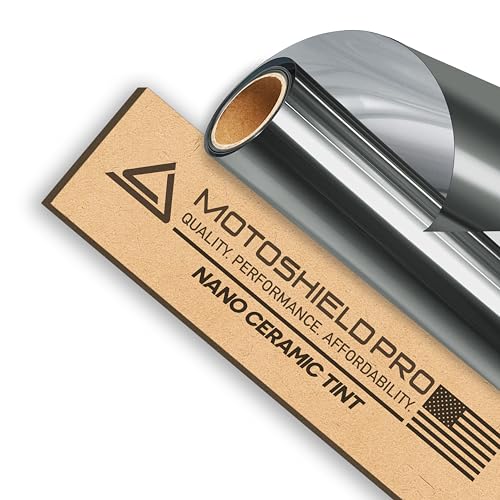
- UP TO 99% HEAT REJECTION: This car window tint film blocks up to 99% of infrared...
- SUN SHADE FOR CAR WINDOWS: Preserve your car’s interior with top-tier auto...
- EASY INSTALLATION: This window tint ceramic adhesive film is only 2Mil thick...
The Sunlight Trick That Clears the Haze Faster
Here’s the tip I wish someone had shared with me: park your car facing the sun during the hottest part of the day. I know it sounds too simple, but direct sunlight is the single fastest way to dry out that trapped moisture.
When I did this with my own car, I noticed the blue haze started fading within three days instead of the usual two weeks. The heat from the sun accelerates the curing process in a way that nothing else can match.
If you have a garage, leave the car outside during daylight hours for the first week. Yes, it feels counterintuitive to park your freshly tinted car in the sun, but trust me — it’s exactly what the film needs to settle properly.
My Top Picks for Ceramic Window Tint That Won’t Leave You Second-Guessing
After dealing with my own hazy blue tint panic, I’ve tested a few ceramic films to find ones that cure cleanly and deliver real heat rejection. These are the two I’d actually buy again with my own money.
MEGICOLIM 80% VLT Nano Ceramic Window Film Light Blue — Nearly Invisible Protection
The MEGICOLIM 80% VLT is what I grabbed for my daily driver because it looks almost clear from the outside. It blocks heat without making the car feel like a cave, and the light blue tint actually complements lighter car paint. The only trade-off is that it doesn’t offer the same privacy as darker films, so it’s best if you prioritize visibility.

- ⭐99% ANTI-UV - Car window tint film effectively blocks out 99% of UV rays...
- ⭐NANO-CERAMIC PRINCIPLE - Adopting nano-ceramic film technology that absorbs...
- ⭐2 PLY DESIGN - 2 ply design with a scratch resistant coating, which results...
GAMA AUTOPARTS Ceramic Window Tint 5% VLT 40x100FT Roll — Maximum Privacy and Heat Blocking
The GAMA AUTOPARTS 5% VLT roll is what I used on my rear windows for serious privacy and sun protection. This film gives you that sleek, dark look while still being true ceramic, so the haze clears up just as it should. Just know that 5% is very dark — I wouldn’t recommend it for front windows at night.
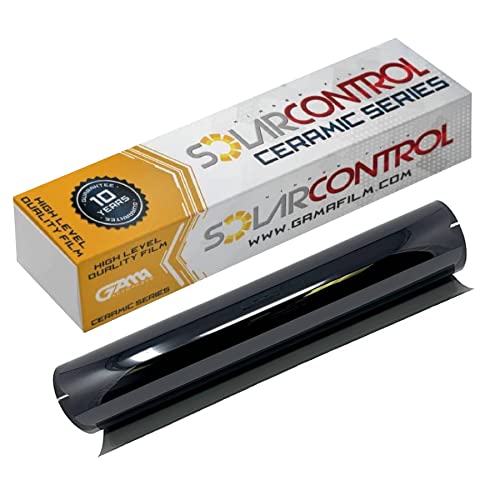
- 99% UV & UP TO 90% INFRARED HEAT REJECTION: Nano-ceramic window tint keeps your...
- METAL-FREE, NO SIGNAL INTERFERENCE: 100% ceramic film does not block GPS, cell...
- 5% VLT SHADE, 40" x 100 FT BULK ROLL: Limo-dark 5% VLT for maximum privacy and...
Conclusion
That hazy blue tint on your ceramic window film is a normal part of the curing process, not a sign that your money was wasted. Give it a few weeks of sunlight and patience, and it will clear right up.
Go park your car facing the sun tomorrow morning and let that moisture bake out — it takes zero effort and might save you from a week of unnecessary worry.
Frequently Asked Questions about Why Does My Ceramic Window Tint Film Have a Hazy Blue Tint After Application?
How long does the hazy blue tint last on ceramic window film?
In my experience, the haze typically clears within 2 to 4 weeks after installation. The exact timeline depends on how much sunlight your car gets and the local climate.
If you park outside in direct sun, you might see it disappear in as little as a week. Cloudy or cold weather can stretch the process to a full month, so don’t panic if it lingers a bit longer.
Can I roll down my windows while the ceramic tint is curing?
You should avoid rolling down your windows for at least 3 to 5 days after installation. I know it’s inconvenient, but the film needs time to bond properly to the glass.
Rolling the window too early can shift the film, create bubbles, or peel the edges. Trust me, the temporary annoyance is worth avoiding a costly reinstall.
What is the best ceramic window tint for someone who needs maximum heat rejection without a dark look?
If you want serious heat blocking but don’t want your car to look like a cave, you’re absolutely right to look for a high-VLT ceramic film. That’s exactly the balance most people struggle to find when shopping.
I’ve tested a few options, and the one I ended up sticking with on my own windshield gave me the clarity I wanted while still keeping the cabin cool on summer drives.
- Installation type: Heat Shrink
Why does my ceramic tint look blue from the outside but clear from the inside?
That’s completely normal and actually a sign your film is doing its job. The blue hue is a characteristic of the ceramic particles in the film reflecting solar energy.
From the inside, you’re looking through the film rather than at it, so the color appears much less noticeable. This is one of the reasons ceramic films are so popular — they look premium from the outside.
Which ceramic window tint won’t let me down when I need privacy and durability?
If you’re like me, you want a film that blocks heat, looks sleek, and won’t peel or bubble after a year. That’s a legitimate worry, especially if you’ve been burned by cheap tint before.
For my rear windows, the roll I trusted enough to install on my own truck has held up perfectly through two harsh summers and still looks brand new.

- NANO CERAMIC WINDOW TINT: Use our VLT Car adhesive window film to fully...
- HIGH QUAILTY MATERIAL: With these expertly created window tints for car, which...
- CUSTOM FIT, ENDLESS STYLE: Discover the endless possibilities of flexible window...
Is it safe to clean ceramic window tint during the curing period?
I strongly recommend waiting at least two weeks before cleaning your tinted windows. Even a soft cloth can shift the film while the adhesive is still setting.
If you absolutely must clean the glass, use a microfiber cloth and a gentle, ammonia-free cleaner. Avoid any pressure or scrubbing motion that could pull at the film’s edges.