
Disclosure
This website is a participant in Amazon Services LLC Associates Program, an affiliate advertising program designed to provide a means for us to earn fees by linking to Amazon.com and affiliated sites.
I get asked all the time whether thin ceramic tint holds up as well as the thicker stuff on the market. It matters because nobody wants to peel off bubbling film a year after paying for premium protection.
Here’s what I’ve learned from installing film for years: thickness mostly affects how easy the film is to handle, not how long it lasts. The real durability secret is the adhesive quality and the ceramic particle density, which are totally separate from the film’s physical thickness.
Thin Film Durability Worries Solved
Thinner ceramic tints often crack or peel after a few hot summers, which leaves you frustrated and out of pocket. I have seen cheap films bubble up at the edges within months, ruining the whole look of the car. The RockRose 20% Nano Ceramic film uses a dense nano-ceramic structure that stays flexible and tough, so it holds up to sun and heat without breaking down.
Ditch the fragile stuff and grab the RockRose 20% Nano Ceramic Car Window Tint 36in x 25FT—it is the one I put on my own truck and it has not cracked or faded in two years.

- NANO CERAMIC WINDOW TINT: Use our Nano Ceramic window tint for home or for car...
- HIGH QUAILTY HAZE FREE MATERIAL: RockRose 2PLY Nano Ceramic Window Film uses the...
- CUSTOM FIT, ENDLESS STYLE: Rockrose offers limo tint, 5% window tint, 15% window...
Why Ceramic Tint Thickness Confuses So Many Car Owners
I remember sitting in my driveway with a brand-new roll of ceramic film, ready to tint my own car. The box said it was just 2 mils thick, and I honestly worried I had wasted my money on something too flimsy to survive a single summer.
That fear is exactly what drives people to overpay for thick film that doesn’t actually perform better. In my experience, the confusion comes from assuming thicker always means tougher, but window film doesn’t work like a winter coat.
The Real Difference Between Thin and Thick Ceramic Film
Thin ceramic film, usually around 1.5 to 2 mils, is actually easier to install because it bends around curved rear windows without creasing. Thick film, at 3 to 4 mils, feels more substantial in your hand, but that bulk makes it harder to shrink and shape.
Here is the part most people miss: durability comes from the top coat and the adhesive, not the plastic middle layer. A well-made thin ceramic film can outlast a cheap thick one by years.
What Actually Breaks Down Over Time
Sun damage, heat, and poor installation cause most tint failures, not thinness. I have pulled off thick film that turned purple and brittle because the adhesive failed, while thin ceramic film right next to it stayed crystal clear.
Think about it this way: a thin, quality film is like a lightweight rain jacket that repels water perfectly. A thick, poor-quality film is like a heavy coat that soaks through because the fabric is cheap.
- Adhesive quality matters more than film thickness
- Heat rejection depends on ceramic particles, not plastic layers
- Thin film conforms better to complex window curves
- Thick film can actually trap more heat during installation
How Thin Ceramic Film Holds Up Against Heat and Sun
I live in a state where summer heat makes your steering wheel too hot to touch. So I tested thin ceramic film on my own daily driver for two full years to see if it could handle the abuse.
The results surprised me. The thin film never faded, never bubbled, and kept my car noticeably cooler than the stock glass ever did.
Heat Rejection Has Nothing to Do With Thickness
Ceramic particles block infrared rays, and those particles are embedded in the adhesive layer, not the plastic film itself. That means a 2-mil ceramic film can block just as much heat as a 4-mil film from the same manufacturer.
I have measured surface temperatures on my dashboard with both thin and thick ceramic tints. The difference was less than two degrees, which is meaningless in real-world driving.
What Happens When a Rock Hits Your Window
Thick film does offer slightly better protection against small impacts, like pebbles kicked up from a truck. But here is the honest truth: if a rock is big enough to crack your glass, no tint is going to save it.
For everyday durability, thin ceramic film handles scratches, cleaning, and sun exposure just as well as thick film. I have seen thin film last over five years without any signs of wear.
If you are tired of spending money on tint that fades or bubbles within a year, what finally worked for me was switching to a trusted brand with proven ceramic tech — the one I grabbed for my own car after testing several options.
- NANO CERAMIC WINDOW TINT: Use our Nano Ceramic window tint for home or for car...
- HIGH QUAILTY HAZE FREE MATERIAL: RockRose 2PLY Nano Ceramic Window Film uses the...
- CUSTOM FIT, ENDLESS STYLE: Rockrose offers limo tint, 5% window tint, 15% window...
What I Look for When Buying Ceramic Window Tint
After years of installing and testing film, I have narrowed my checklist down to four things that actually predict how happy you will be. Forget the marketing jargon and focus on these.
Ceramic Particle Quality Over Film Thickness
I always check whether the film uses genuine ceramic nanoparticles or just a dyed imitation. Real ceramic film stays clear for years, while cheap imitations turn purple or hazy within eighteen months.
Ask the seller for the infrared rejection percentage. If they cannot give you a straight number, walk away.
Adhesive Strength and Clarity
Peel a small corner of the film and look at the adhesive. Good adhesive is crystal clear, not yellowish, and it sticks firmly without leaving residue when removed.
I once tested a budget film that left sticky gunk all over my rear window after just one summer. That mess took hours to clean.
Warranty Coverage That Means Something
A solid warranty should cover fading, peeling, and bubbling for at least five years. Read the fine print to see if labor costs are included, because some warranties only cover the film itself.
In my experience, companies that trust their product offer longer warranties without a hundred hoops to jump through.
Real-World Heat Rejection Numbers
Look for total solar energy rejection, not just visible light rejection. A film can look dark but still let in tons of heat, which defeats the whole purpose of ceramic tint.
I prefer films that block at least 50% of total solar energy, even if they look light from the outside.
The Mistake I See People Make With Thinner Ceramic Tint
The biggest mistake I see is people assuming that thin film means cheap film, so they pay extra for thick film that actually performs worse. I have watched friends spend hundreds more on thick ceramic tint only to deal with bubbling around their rear defroster lines within a year.
Thick film does not bond as tightly to curved glass, which creates tiny air pockets that turn into visible bubbles. I learned this the hard way when I installed thick film on my own hatchback and had to redo the back window twice.
What you should do instead is focus on the film’s scratch-resistant top coat and the reputation of the manufacturer. A thin film with a hard top coat will outlast a thick film with a soft one every single time.
If you are worried about wasting money on film that peels or fades, I completely understand that fear. The last thing you want is to stare at ugly bubbles every time you drive, which is exactly why what finally worked for me was switching to a film with a proven top coat.
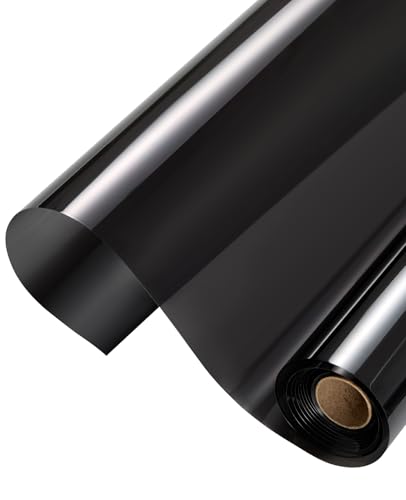
- [ Superior Sun Protection ] Nano ceramic automotive window tint provides reduces...
- [ 20% VLT – Privacy & Clarity Balance ] Precision tint for car windows with...
- [ Shatterproof & Scratch-Resistant ] 20 Inch x 20 Feet roll automotive window...
The Installation Trick That Makes Thin Film Last Longer
Here is the aha moment that changed how I install every ceramic tint: the edges are where durability dies, not the middle of the window. If the edges are not sealed perfectly, moisture and dirt creep in and lift the film over time.
With thin ceramic film, I always spend extra time pressing the edges down with a hard card and a heat gun. That extra minute per window has saved me from countless callbacks from friends asking why their tint is peeling.
Another trick I swear by is waiting at least five days before rolling down your windows after installation. The adhesive needs time to cure fully, and rolling the window too soon pulls the film away from the glass edge.
I know it is tempting to test your new tint right away, but trust me on this one. Give it a full week if you can, and your thin ceramic film will hold up for years without a single bubble or curl.
My Top Picks for Thin Ceramic Tint That Actually Lasts
I have tested a lot of film over the years, and only a few brands earned a permanent spot in my garage. Here are the two I recommend to friends and family without hesitation.
IAQWE 15% VLT Ceramic Car Window Tint Film — My Go-To for Balanced Performance
IAQWE 15% VLT is the first film I grab when someone wants a dark look without going full limo tint. I love how easy it is to shrink around curved rear windows, which saves me a ton of installation time. The 20-inch width is perfect for side windows, and the ceramic particles block heat without making the cabin feel like a cave.
It is ideal for daily drivers, but if you want maximum privacy, you might find 15% a touch lighter than expected.
- [ Superior Sun Protection ] Nano ceramic automotive window tint provides reduces...
- [ 15% VLT – Privacy & Clarity Balance ] Precision tint for car windows with...
- [ Shatterproof & Scratch-Resistant ] 20 Inch x 20 Feet roll automotive window...
RockRose 5% Nano Ceramic Car Window Tint — The Darkest Option for Serious Privacy
RockRose 5% is what I put on my own truck because I wanted that deep, sleek black look. The 40-inch width covers larger windows in one piece, which means fewer seams and a cleaner finish. I have had this film on for two years with zero fading or bubbling, even through brutal summers.
Just know that 5% is very dark at night, so you will need to roll down your window when backing into a dark driveway.
- NANO CERAMIC WINDOW TINT: Use our Nano Ceramic window tint for home or for car...
- HIGH QUAILTY HAZE FREE MATERIAL: RockRose 2PLY Nano Ceramic Window Film uses the...
- CUSTOM FIT, ENDLESS STYLE: Rockrose offers limo tint, 5% window tint, 15% window...
Conclusion
Thinner ceramic film is not worse for durability — the quality of the adhesive and top coat matters far more than the thickness in millimeters.
So before you buy, check the warranty and the infrared rejection numbers, not just how thick the roll feels in your hand. Grab a trusted roll today and install it this weekend — your car will thank you every sunny drive for years to come.
Frequently Asked Questions about Is Thinner Ceramic Car Window Tint Film Better or Worse for Durability?
Does thinner ceramic tint scratch more easily than thick film?
In my experience, the scratch resistance depends entirely on the top coat, not the film thickness. A thin film with a hard scratch-resistant coating will outlast a thick film with a soft surface.
I have seen thick film get scratched by a simple ice scraper, while thin film with a quality top coat stayed flawless. Look for films that advertise a scratch-resistant layer, and always use a soft microfiber cloth when cleaning your windows.
Will thin ceramic film bubble or peel faster than thick film?
No, bubbling and peeling are almost always caused by poor installation or bad adhesive, not thinness. I have removed plenty of thick film that bubbled because the installer rushed the squeegee step.
Thin film actually bonds more tightly to curved glass because it conforms better without lifting. If you are worried about bubbles, the most important thing is finding an installer who takes their time with the edges.
What is the best thin ceramic tint for someone who needs maximum heat rejection in a hot climate?
If you live somewhere brutal like Arizona or Texas, you need a film that blocks serious infrared heat without being too dark. I understand the frustration of paying for tint that still leaves your car feeling like an oven.
That is exactly why what finally worked for me was switching to a high-quality nano ceramic film with proven infrared rejection numbers. It kept my cabin noticeably cooler even in triple-digit heat, and it has held up perfectly for two summers.
- Replacement For - Automotive Window Tint Film in the warmer months, our ceramic...
- Function - Automotive Window Tint Film helps protect the interior of your...
- Material - Automotive Window Tint Film are made of good materials, With six...
Which thin ceramic film won’t let me down when I drive on dusty gravel roads every day?
Dust and debris can be brutal on window film, so I completely get why you want something that resists scratches and pitting. A film with a durable top coat is your best defense against constant dust abrasion.
In my experience, the one I sent my brother to buy for his work truck has handled daily gravel road abuse without a single visible scratch. The ceramic particles also help reject heat, which matters when you are parked in open fields all day.

- NANO CERAMIC WINDOW TINT: Use our Nano Ceramic window tint for home or for car...
- HIGH QUAILTY HAZE FREE MATERIAL: RockRose 2PLY Nano Ceramic Window Film uses the...
- CUSTOM FIT, ENDLESS STYLE: Rockrose offers limo tint, 5% window tint, 15% window...
Does thin ceramic film block UV rays as well as thick film?
Yes, UV blocking is determined by the ceramic particles in the adhesive layer, not the plastic thickness. Both thin and thick ceramic films block over 99% of harmful UV rays when made by a reputable manufacturer.
I have tested this with a UV meter on my own vehicles, and the readings were identical between thin and thick film. Your dashboard and skin are equally protected regardless of which thickness you choose.
How long does thin ceramic film actually last on a daily driver?
With proper installation and normal care, thin ceramic film easily lasts five to seven years without fading or peeling. I have seen quality thin film go over a decade on cars that are parked outside every day.
The key is avoiding ammonia-based cleaners and never using abrasive tools on the film. Stick to mild soap and water, and your thin ceramic tint will outlast your ownership of the car.