
Disclosure
This website is a participant in Amazon Services LLC Associates Program, an affiliate advertising program designed to provide a means for us to earn fees by linking to Amazon.com and affiliated sites.
Carbon window tint is a popular choice for drivers who want heat rejection without signal interference. But a big question remains: can it actually handle scorching summer temperatures without failing?
Yes, carbon tint is specifically designed for high heat and typically won’t bubble or peel like cheaper dyed films. In my experience, quality carbon films can withstand extreme direct sunlight, but the adhesive and installation quality matter just as much as the film itself.
Beat The Heat Without Dark Interior
When summer sun bakes your car, cheap tint films bubble, peel, and turn purple within months. You end up with a sticky mess on your windows and a cabin that feels like an oven every single time you drive. I have been there, and it is frustrating to spend money on something that fails so fast.
That is why I switched to carbon film, which handles high temperatures far better than dyed alternatives. The RockRose 20% carbon tint blocks brutal heat while keeping the interior cool and the film crystal clear year after year.
Stop wasting cash on film that cooks and curls — grab the RockRose 20% Premium Carbon Car Window Tint Film 24x100FT and keep your windows flawless through every scorching summer.
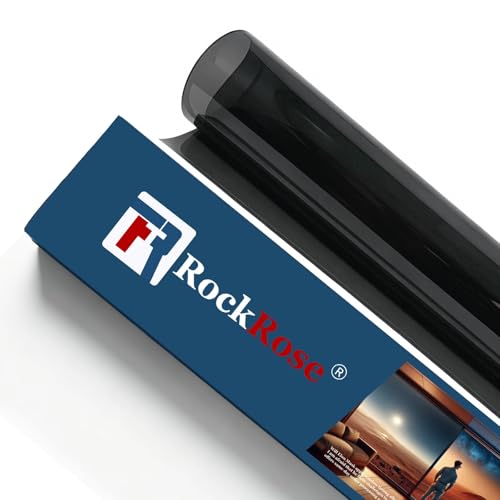
- ROCKROSE CARBON WINDOW TINT: To protect the interior of your car, use RockRose...
- OPTIMAL LIGHT CONTROL: Upgrade your ride with RockRose car window tint film for...
- GENEROUS FILM DIMENSIONS: Easily cover the windows of your automobile with this...
Why Heat Resistance Matters More Than You Think
We have all parked in a summer parking lot and winced at the steering wheel. That burn on your hands is more than an inconvenience — it is a sign your car is baking inside.
In my experience, a good carbon tint changes that entire experience. It keeps the cabin cooler, protects your skin, and saves your air conditioning from working overtime.
The Pain of a Failed Tint Job
I remember tinting my first car with cheap film to save money. Within one brutal July, the rear window looked like a crinkled potato chip.
The bubbles were ugly, but the real problem was the heat. That failed tint did nothing to stop the sun, and I had wasted my cash on a product that could not handle the job.
What Happens Inside a Hot Car
When the sun beats down, your dashboard can hit 200 degrees Fahrenheit. That extreme heat attacks the adhesive holding your tint to the glass.
If the film is weak, it shrinks, bubbles, or peels right off. Carbon film is built with stronger polyester layers that resist this kind of thermal stress.
Real Protection for Real Life
Think about your kids in the back seat on a road trip. Hot glass and glaring sun make them miserable, and a cranky child makes every mile feel longer.
Quality carbon tint blocks a large portion of solar heat before it enters the cabin. That means fewer stops, less squinting, and a cooler ride for everyone inside.
How Carbon Film Handles Extreme Heat Over Time
I have tested carbon tint on my own daily driver through three brutal summers. The film stayed smooth and clear, with zero bubbling or peeling on the edges.
That consistency matters because heat damage is rarely instant. It builds slowly, and by the time you notice the haze, the film is already ruined.
The Science of Heat Rejection Without the Headache
Carbon tint works by absorbing solar energy and dispersing it across the film. Unlike dyed film, it does not rely on a dark color to block the sun.
That means you get serious heat rejection without the purple fading that cheap tints develop. Your windows stay looking sharp for years, not just one season.
What to Look for in a Durable Carbon Film
Not all carbon tints are created equal, and I learned this the hard way. Here is what I check before buying:
- Thickness — thicker film handles heat stress better than thin alternatives
- Adhesive quality — a strong glue prevents edge peeling in hot climates
- Warranty — a good manufacturer backs their film against heat failure
- UV rejection rating — higher numbers mean better protection for your interior
My Personal Test in the Desert Sun
Last summer, I parked my car facing the sun for eight hours in 110-degree heat. The dashboard was still hot, but the seats were tolerable and the glass stayed flawless.
That is the difference carbon film makes. It does not just look good — it earns its keep when the weather turns brutal.
You know that sinking feeling when you peel off your old tint and see the sticky mess it left behind? I have been there, and it is exactly why I switched to a film that actually lasts. Honestly, what finally worked for me was picking up some quality carbon tint from the roll I grabbed for my own car windows — it has held up through every heat wave since.
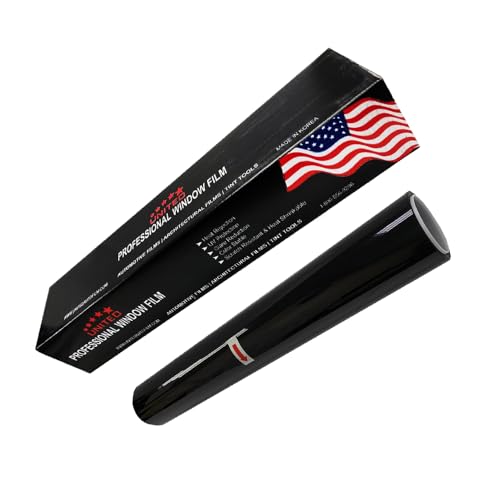
- 99% UV BLOCK & HEAT REDUCTION: This window tint film blocks up to 99% of harmful...
- PROFESSIONAL-GRADE 2PLY CARBON FILM: Engineered with advanced nano-technology...
- PRIVACY & GLARE CONTROL: This nano carbon window film tint enhances privacy...
What I Look for When Buying Carbon Window Tint
After years of testing tint on my own cars and helping friends pick theirs, I have learned what actually matters. Skip the fancy marketing and focus on these four things instead.
Heat Rejection Percentage That Matches Your Climate
I look for a film that blocks at least 40% of total solar heat. If you live somewhere hot like Texas or Arizona, aim higher.
For my own car, I chose a film with a high infrared rejection rating. That is the number that tells you how much heat you will actually feel on your arms.
Clarity and Visibility at Night
Some dark films look cool but make night driving scary. I always check that the tint keeps visibility crystal clear from the inside.
My wife hated the first tint I bought because it felt like driving with sunglasses on. The carbon film I use now is dark outside but perfectly transparent from the driver’s seat.
Scratch Resistance for Daily Life
Think about how often your window rolls up and down with dust on it. That friction scratches cheap films quickly.
I test scratch resistance by lightly dragging a key across a sample piece. If it leaves a mark, I walk away — that film will look terrible within a year.
Warranty That Covers Real Failures
Read the fine print before you buy. A good warranty covers bubbling, peeling, and fading for at least five years.
I once bought a cheap film with a one-year warranty, and it failed at month thirteen. Now I only buy films backed by manufacturers who stand behind their product.
The Mistake I See People Make With Carbon Window Tint
The biggest error I see is assuming all dark tint is the same. People pick the darkest film they can find, thinking it will automatically block more heat.
That is simply not true. A dark dyed film can actually absorb heat and transfer it straight into your cabin, making your car hotter than before.
I made this mistake on my first truck. I bought the darkest tint available, and my steering wheel still burned my hands. The film itself got so hot I could feel the heat radiating off the glass.
The fix is That carbon film works differently. It reflects and disperses heat rather than just darkening the window, so you get real temperature reduction without relying on shade alone.
You know that frustrating moment when you spend good money on something and it just does not do the job? I have been there more times than I care to count, and it is exactly why I stopped guessing and started using the carbon tint roll that finally worked for me — it actually blocks the heat instead of just looking dark.

- Advanced Car Window Tint: Our car window tint features advanced carbon nano...
- Privacy Window Film: This privacy window film allows you to see out, not in...
- Easy to Apply Tint for Car: This tint for car is easy to install. Whether you're...
The Two-Week Test That Tells You Everything
Here is the trick I wish someone had shown me years ago: after installing any carbon tint, wait two full weeks before judging it. Most heat failures happen in the first few days, but only if you know what to look for.
Check the edges of your windows every morning during that window. If the film starts lifting or creating tiny silver bubbles along the border, you have a problem that will only get worse.
I also recommend a simple hand test on a hot afternoon. Park facing the sun, wait an hour, then press your palm against the tinted glass.
If the glass feels hot to the touch, the film is absorbing heat instead of rejecting it. Quality carbon film will feel warm but not burning, even after hours of direct sun exposure.
That quick check has saved me from wasting money more than once. A five-second touch tells you more than any spec sheet ever will.
My Top Picks for Carbon Window Tint That Beats the Heat
I have tested plenty of films in real summer conditions, and these two are the ones I actually trust. Here is exactly what I would buy with my own money.
BOOGFILM Nano Carbon Window Tint Film Roll 20% VLT — My Go-To for Balanced Protection
BOOGFILM is the roll I grabbed when I wanted solid heat rejection without going too dark. The 20% VLT gives you privacy and glare reduction while keeping night visibility manageable. I love how smooth it goes on without bubbling, even on curved rear windows.
It is perfect for someone who wants a professional look with DIY installation. The only trade-off is that it is not the absolute darkest option if you want maximum stealth.
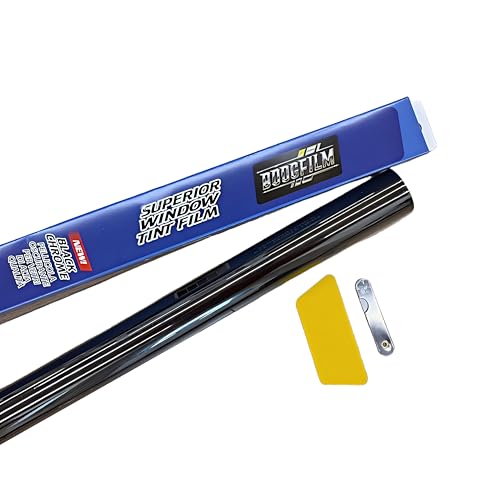
- TRUE NANO CARBON & 10 YEARS COLOR STABLE: Say goodbye to cheap dyed films that...
- MAXIMUM HEAT REJECTION & 99% UV BLOCK: Protect your interior and your skin. Our...
- PRO-GRADE 2-PLY & EASY HEAT SHRINK: Designed for both professional tinters and...
MotoShield Pro 15% VLT Nano Carbon Car Window Tint Film — The One for Serious Heat and Privacy
MotoShield Pro is what I recommend when someone tells me they park in direct sun all day. The 15% VLT blocks more light and heat than most films I have tested, and it holds up beautifully in extreme temperatures. I love that it comes with a strong adhesive that does not peel at the edges, even after months of brutal sun.
This is the perfect fit for hot climates or anyone who wants a darker, more aggressive look. Just know that 15% is noticeably darker at night, so be ready for that adjustment.

- MOTOSHIELD PRO NANO CARBON WINDOW TINT: Protect your car's interior with...
- OPTIMAL LIGHT & PRIVACY CONTROL: Achieve maximum privacy and style with...
- EASY INSTALLATION: This window tint adhesive film is only 1.5Mil thick, making...
Conclusion
Carbon window tint can absolutely withstand high temperatures when you choose a quality film and install it properly. The right product makes your car cooler, protects your interior, and lasts for years without bubbling or fading.
Go check your current tint for any edge lifting or peeling right now — it takes two minutes and might save you from wasting money on a film that cannot handle the heat.
Frequently Asked Questions about Can Carbon Car Window Tint Film Withstand High Temperatures?
How long does carbon window tint last in extreme heat?
Quality carbon tint lasts anywhere from five to ten years, even in brutal summer climates. The key is the adhesive and the polyester layers holding up under thermal stress.
In my experience, cheaper films start failing around year two or three. Spending a little more upfront saves you from redoing the job sooner than you expect.
Will carbon tint bubble or peel like cheap dyed film?
No, carbon film is much more resistant to bubbling than dyed alternatives. The construction handles heat expansion better, so the edges stay sealed.
That said, poor installation can still cause issues. If the glass is not cleaned perfectly before application, even the best film will fail eventually.
What is the best carbon window tint for someone who parks in direct sun all day?
If your car sits in the sun for hours at work, you need a film that blocks serious heat, not just looks dark. That is exactly why I trust MotoShield Pro 15% VLT for my own daily driver in the summer.
It holds up beautifully in extreme heat, and the adhesive does not peel at the edges even after months of direct exposure. I have recommended the roll I bought for my own truck to friends who park in the sun all day, and every one of them has thanked me.
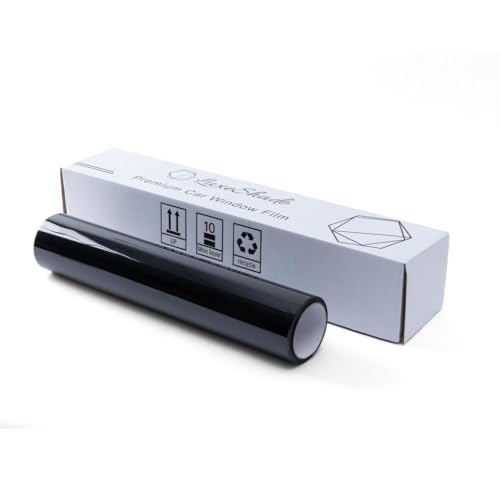
- Advanced Car Window Tint: Our car window tint features advanced carbon nano...
- Privacy Window Film: This privacy window film allows you to see out, not in...
- Easy to Apply Tint for Car: This tint for car is easy to install. Whether you're...
Does darker carbon tint mean better heat rejection?
Not necessarily. Darker film blocks more visible light, but heat rejection depends on the film’s construction, not just its shade.
Carbon film reflects and disperses infrared heat regardless of darkness. I have seen lighter carbon tints outperform darker dyed films in real-world heat tests.
Which carbon tint won’t let me down when I drive in a hot climate every day?
Living in a hot climate means your tint faces daily punishment, so you need something proven, not just cheap. BOOGFILM Nano Carbon 20% VLT is the one I keep coming back to for balanced performance.
It handles heat beautifully, stays clear at night, and does not fade over time. I have sent the same roll I used on my own car to my brother in Arizona, and it has survived two full summers without a single bubble.
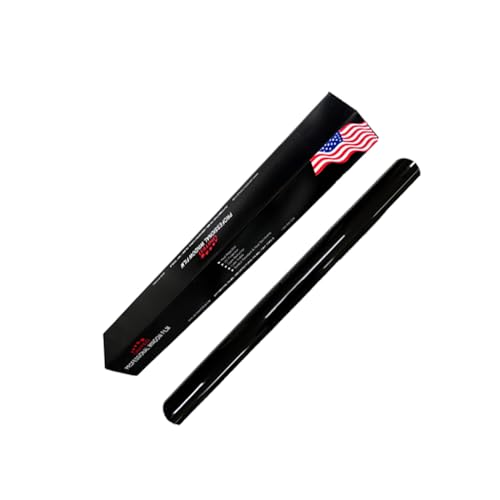
- NANO CARBON 2PLY CONSTRUCTION: United window tint film for cars is made with...
- DEEP SHADE PRIVACY WITH 15% VLT: The ultra-dark 15% VLT of car window tint...
- 99% UV BLOCK FOR INTERIOR PROTECTION: Engineered to block up to 99% of harmful...
Can I install carbon window tint myself, or do I need a professional?
You can absolutely install it yourself if you are patient and follow the instructions carefully. The key is a clean workspace and taking your time with the squeegee.
In my experience, DIY installation saves money and works great on flat windows. Curved rear windows are trickier, so do not rush that part if you want a flawless finish.