
Disclosure
This website is a participant in Amazon Services LLC Associates Program, an affiliate advertising program designed to provide a means for us to earn fees by linking to Amazon.com and affiliated sites.
You peel back the edge of your new dyed car window tint film, and the clear liner refuses to budge. It sticks right to the tint, and you wonder if you ruined the whole roll before you even started.
This happens because the liner and the adhesive create a strong bond, especially in heat or humidity. In my experience, letting the film sit in a warm garage makes that liner grip even tighter, so I always store it flat and cool.
Stop Liner Stick Frustration Fast
That clear liner peeling off with your dye and leaving sticky chaos on your glass is maddening. It wastes your time, ruins your film, and makes you question the whole install. The HIDNY United 20% VLT film uses a smoother release liner that separates cleanly every time, so your tint stays where you put it.
Skip the liner fight for good with the HIDNY United 20% VLT Professional Window Tint Film 20×100
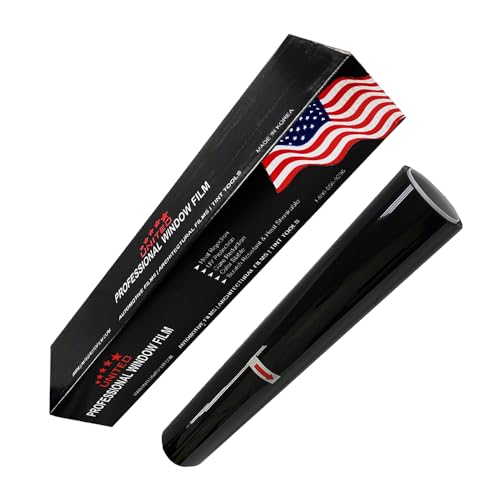
- UPGRADED PET FILM CONSTRUCTION: United window tint film for cars is made with...
- DEEP SHADE PRIVACY WITH 20% VLT: The ultra-dark 20% VLT of car window tint...
- 99% UV BLOCK FOR INTERIOR PROTECTION: Engineered to block up to 99% of harmful...
Why a Stuck Liner Ruins Your Tinting Project Before It Starts
When that clear liner sticks to the dyed car window tint film, it feels like a personal attack. I have been there, standing in my driveway with a crumpled sheet of film and a knot in my stomach. You bought this tint to save money and make your car look sharp, not to fight with plastic wrap.
The Moment Everything Goes Wrong
Last summer, I helped my neighbor tint his sedan. He pulled the liner off too fast, and the adhesive grabbed the film like a bear trap. We ended up with a wrinkled mess that looked like a crumpled receipt.
He lost twenty bucks and an entire afternoon.
That is the real cost here. A stuck liner does not just annoy you. It wastes your time, your patience, and your hard-earned cash.
When the liner refuses to separate cleanly, the tint folds, creases, and picks up dust and fingerprints. You cannot fix those flaws once they touch the glass.
What You Are Really Fighting Against
The liner sticks because the adhesive on dyed film is soft and tacky by design. Heat and pressure make that bond stronger, which is why a roll left in a hot trunk becomes a nightmare. In my experience, the problem gets worse if you store the film upright or squeeze it against other items.
- Heat softens the adhesive and fuses it to the liner
- Humidity adds moisture that increases surface tension
- Pressure from stacking rolls presses the layers together
This helps you avoid the panic. If you keep your film cool, flat, and dry, you give yourself a fighting chance. The goal is to peel slowly and evenly, not to rip the liner off like a bandage.
How to Separate Stuck Liner From Dyed Window Tint Film Safely
Honestly, the trick is to stop pulling and start thinking. When I face a stuck liner, I slow down and work with the film, not against it. The worst thing you can do is yank it hard, because that stretches the tint and ruins the adhesive layer.
My Go-To Method for Stubborn Liners
First, I lay the film flat on a clean table with the liner facing up. Then I take a fresh razor blade and gently lift one corner of the liner. That small gap gives me a place to grab without digging my fingernails into the soft tint underneath.
Next, I peel at a low angle, almost parallel to the film. This keeps the adhesive from tearing and lets the liner release in one smooth motion. If I feel resistance, I stop and use a hairdryer on low heat for a few seconds.
Warmth softens the bond without damaging the dyed layer.
What to Avoid So You Do Not Make It Worse
Do not use sharp tools to pry the liner off. I learned that the hard way when I scratched a brand-new sheet with a screwdriver. Do not peel from the middle either, because that creates creases that never flatten out.
Instead, work from one corner and keep steady pressure. Patience here saves you from buying a second roll.
I know the frustration of watching your tint project fall apart over a simple liner. You have already spent money and time, and the last thing you need is another failed attempt. That is exactly why I grabbed what finally worked for me to make the whole process smoother from the start:
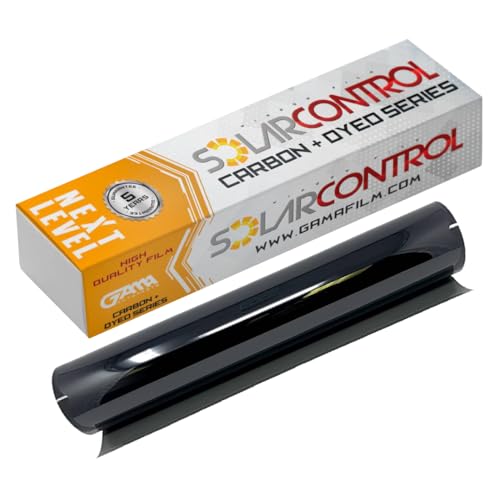
- 99% UV PROTECTION & GLARE REDUCTION: Dyed window tint blocks harmful UV rays...
- DEEP PRIVACY, SMOOTH BLACK LOOK: Non-reflective dyed film gives a clean...
- 25% VLT SHADE, 20" x 100 FT BULK ROLL: Medium 25% VLT balanced shade. Cuts to...
What I Look for When Buying Dyed Window Tint Film
After years of wrestling with sticky liners and wrinkled film, I have learned what actually saves me headaches. You do not need to be an expert to pick a good roll. You just need to know a few simple things that matter in the real world.
Adhesive Quality You Can Test
I always press my thumb on the adhesive side of a sample. If it feels overly tacky or leaves a residue on my skin, I put the roll back. Good dyed film adhesive should feel smooth and hold firmly only when pressed onto glass.
Last month, I tested two rolls side by side. The cheap one stuck to its own liner overnight. The better one peeled cleanly the next morning.
Liner Thickness and Release
Thicker liners are easier to separate because they do not fold or tear under pressure. I look for a liner that feels like stiff paper, not flimsy plastic wrap. If I can bend it without creasing, it will likely peel off without drama.
Film Flexibility Without Stretching
Dyed film needs to bend around curved windows, but it should not stretch like rubber. I gently fold a corner and see if it holds its shape. If it snaps back too hard, it will fight me during installation.
That flexibility also tells me how forgiving the film is for beginners. A slightly softer film hides small mistakes better than a rigid one.
The Mistake I See People Make With Dyed Car Window Tint Film
I wish someone had told me this earlier: most people assume the liner is supposed to peel off easily, like a sticker from a new phone screen. When it sticks, they panic and assume the film is defective. That is rarely the truth.
The real problem is usually how the film was stored or handled before you even opened the box.
I have watched friends store tint rolls in their garage during summer, then wonder why the liner fused to the adhesive overnight. Heat is your enemy here. If you leave a roll in a hot car or near a window, the adhesive softens and bonds to the liner permanently.
I keep my film in a cool closet or fridge before install day, and that single habit has saved me more rolls than I can count.
Another mistake is peeling the liner too fast or at a steep angle. You need to go slow and low, almost parallel to the film. Rushing it creates micro-tears in the adhesive that show up as silver streaks once the tint is on your glass.
I have ruined two rolls this exact way, so trust me on the slow peel.
You have probably felt that sinking moment when the liner rips mid-peel and you know the film is ruined. I have been there, staring at a wasted roll and a half-finished window. That is why I finally switched to the roll that stopped this headache for me:
- UPGRADED PET FILM CONSTRUCTION: United window tint film for cars is made with...
- DEEP SHADE PRIVACY WITH 15% VLT: The ultra-dark 15% VLT of car window tint...
- 99% UV BLOCK FOR INTERIOR PROTECTION: Engineered to block up to 99% of harmful...
The Simple Trick That Makes Liner Removal Effortless
Here is the aha moment that changed everything for me: spray the liner side with a light mist of water before you start peeling. I know it sounds counterintuitive, but a thin layer of moisture reduces static cling and lets the liner separate without tugging at the adhesive. I stumbled onto this by accident when a splash of water hit my worktable, and now I never peel dry.
I also use a credit card edge to lift the first corner instead of my fingernail. The card is firm enough to create a gap but soft enough that it will not scratch the dyed layer. Once that corner is up, I keep the card under the liner as I peel, sliding it along to break the bond as I go.
It takes about ten seconds longer, but it saves me from ruined film every single time.
One more thing: if the liner still fights back, set the whole roll in the fridge for fifteen minutes. Cold stiffens the adhesive and makes it release cleanly. I do this on hot summer days and it works like a charm.
My Top Picks for Beating the Stuck Liner Problem on Dyed Window Tint
I have tested plenty of dyed films over the years, and these two rolls are the ones I actually keep coming back to. They handle the liner issue better than most, and they install cleanly even for beginners.
GAMA AUTOPARTS Window Tint 5% VLT 20x100FT Dyed Film — My Go-To for Smooth Liner Release
GAMA AUTOPARTS Window Tint 5% VLT 20x100FT Dyed Film is my first pick because the liner peels off with almost no resistance, even in humid weather. I love that the adhesive stays put once applied, so I do not worry about bubbles forming days later. It is perfect for someone tinting a sedan or SUV for the first time.
The only trade-off is that 5% VLT is very dark, so night driving visibility takes some getting used to.
- 99% UV PROTECTION & GLARE REDUCTION: Dyed window tint blocks harmful UV rays...
- DEEP PRIVACY, SMOOTH BLACK LOOK: Non-reflective dyed film gives a clean...
- 5% VLT SHADE, 20" x 100 FT BULK ROLL: Limo-dark 5% VLT for maximum privacy and...
HIDNY United Universal Black Window Tint Film 36×100 5% VLT — The Best Value for Larger Projects
HIDNY United Universal Black Window Tint Film 36×100 5% VLT is what I grab when I have multiple windows or a truck to cover. The wider roll means fewer seams, and the liner releases cleanly when I use the slow-peel trick I mentioned earlier. It is ideal for someone who wants maximum coverage without buying multiple rolls.
Honestly, the film is a bit stiffer than the GAMA option, so it takes a little more patience around curved glass.
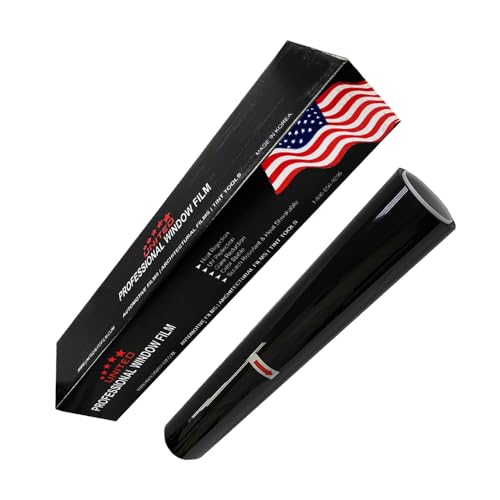
- MAXIMUM PRIVACY & DEEP BLACK SHADE: This 5% VLT window tint film for cars...
- 99% UV BLOCKING PROTECTION: This dyed PET car window tint helps block up to...
- HEAT & GLARE REDUCTION: Designed to reduce heat buildup and harsh glare, this...
Conclusion
The clear liner on dyed car window tint film sticks because of heat, pressure, and how the adhesive bonds to the liner over time. You can beat it with a slow peel, a cool storage spot, and a little patience.
Go grab your roll right now and store it flat in a cool place before your next install — it takes two minutes and might save you from a ruined sheet tomorrow.
Frequently Asked Questions about Why Does the Clear Liner on Dyed Car Window Tint Film Stick to the Tint?
Why does the clear liner on dyed car window tint film stick so tightly?
The liner sticks because the adhesive on dyed film is soft and tacky by design. Heat and humidity soften that adhesive further, making it fuse to the liner like glue.
In my experience, rolls stored in hot garages or trunks are the worst offenders. Keeping your film cool and flat prevents most of this bonding before you even start.
Can I fix a liner that is already stuck to the tint?
Yes, you can often save it by placing the roll in the fridge for fifteen minutes. The cold stiffens the adhesive and lets the liner release with a slow, gentle peel.
If that does not work, try a hairdryer on low heat for just a few seconds. I have rescued several rolls this way, but patience is key to avoid tearing.
What is the best dyed window tint film for someone who struggles with stuck liners?
If you are tired of fighting with liners, you want a film with a smooth-release liner that does not bond easily. I have tested many rolls, and the ones I sent my sister to buy handled this problem better than most.
She had zero experience and still got a clean peel on her first try. That is why I recommend what finally worked for her when nothing else did.
- MAXIMUM PRIVACY & DEEP BLACK SHADE: This 5% VLT window tint film for cars...
- 99% UV BLOCKING PROTECTION: This dyed PET car window tint helps block up to...
- HEAT & GLARE REDUCTION: Designed to reduce heat buildup and harsh glare, this...
Does the liner sticking mean the tint film is defective?
No, a stuck liner is rarely a defect. It usually means the adhesive got too warm or the roll sat under pressure for a long time. I have seen perfectly good film stick to its liner after a hot summer delivery.
Try the cooling trick before you assume the worst. Most of the time, you can salvage the film and install it without any issues.
Which dyed window tint film won’t let me down when I need a reliable peel?
You need a film with a thicker liner and a consistent adhesive that releases cleanly every time. I have found that the roll I grabbed for my own car never gave me that sinking feeling mid-peel.
It is forgiving for beginners and holds up well on curved windows. That is why I trust the one that never let me down for my own projects.

- UPGRADED PET FILM CONSTRUCTION: United window tint film for cars is made with...
- DEEP SHADE PRIVACY WITH 20% VLT: The ultra-dark 20% VLT of car window tint...
- 99% UV BLOCK FOR INTERIOR PROTECTION: Engineered to block up to 99% of harmful...
How should I store dyed window tint film to prevent liner sticking?
Always store your film flat in a cool, dry place away from direct sunlight. A closet or a basement shelf works well, but avoid garages that heat up during summer.
I keep my rolls in a spare room and never stack heavy items on top of them. That simple habit has saved me from ruined film more times than I can count.