
Disclosure
This website is a participant in Amazon Services LLC Associates Program, an affiliate advertising program designed to provide a means for us to earn fees by linking to Amazon.com and affiliated sites.
Dyed car window tint film can turn yellow over time, and that ruins the look of your vehicle. It happens because the dye breaks down from heat and UV rays.
Prevention starts with choosing quality film and caring for it properly. I learned that parking in the shade and using the right cleaners makes a huge difference.
Stop Yellowing Before It Starts
Nothing ruins a fresh tint job faster than that ugly yellow haze creeping in after a few hot summers. Cheap films break down under UV exposure, leaving your windows looking aged and neglected. The GAMA AUTOPARTS SOLARCONTR Window Tint 5% VLT 60x100FT uses high-grade dyed polyester that resists UV degradation, keeping that deep black look intact for years instead of months.
Skip the frustration and grab the roll that keeps your windows looking new: GAMA AUTOPARTS SOLARCONTR Window Tint 5% VLT 60x100FT
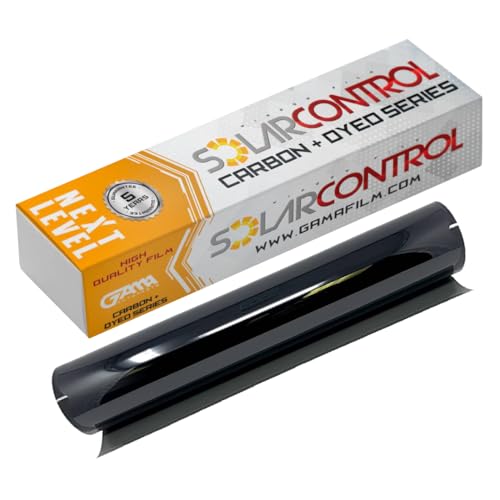
- 99% UV PROTECTION & GLARE REDUCTION: Dyed window tint blocks harmful UV rays...
- DEEP PRIVACY, SMOOTH BLACK LOOK: Non-reflective dyed film gives a clean...
- 5% VLT SHADE, 60" x 100 FT BULK ROLL: Limo-dark 5% VLT for maximum privacy and...
Why Yellowing Tint Is More Than an Eyesore
I remember the day my neighbor Dave showed me his sedan. The rear window had that sickly, mustard-colored haze. It looked old and neglected, even though his car was only three years old.
That yellow tint is not just ugly. It hurts your visibility, especially at night. Headlights from behind turn into blurry, glowing blobs.
That is a real safety risk for you and your kids in the back seat.
The Embarrassment Factor
You pull up to soccer practice, and other parents see that ugly film. It makes a well-kept car look beat up. I have spent good money on detailing, and yellowed tint ruins the whole effect instantly.
Why Dye Breaks Down
Dyed film uses a layer of color that sits between the adhesive and the top coat. Heat and sunlight bake that dye until it fades and changes color.
- UV rays from direct sunlight
- Excessive interior heat buildup
- Harsh ammonia-based window cleaners
- Poor quality film from the start
You cannot stop chemistry, but you can slow it down. The choices you make during installation and daily care decide how long your tint stays clear and dark.
My Best Tips to Stop Yellowing Before It Starts
Honestly, the biggest win comes from how you treat the film in the first month. That is when the adhesive and dye are still settling. I learned this the hard way after my own back window looked cloudy within a year.
Park Smart Every Single Day
We always try to park in the shade or use a sunshade on the windshield. Direct sun is the main enemy of dyed film. It heats the glass and cooks the dye layer from the inside out.
Clean With the Right Stuff
Never use ammonia-based cleaners on tinted windows. I switched to a mild soap and water mix with a soft microfiber cloth. It takes two extra minutes and saves you from a costly re-tint job.
Choose Quality Film From the Start
Cheap film fades fast, no matter how careful you are. Look for film with a good warranty against fading and peeling. That small upfront cost protects your investment for years.
You are probably tired of watching your windows look worse every summer, and you do not want to waste another paycheck on a fix that fails. That is exactly why I grabbed what finally worked for my own car after testing several options.
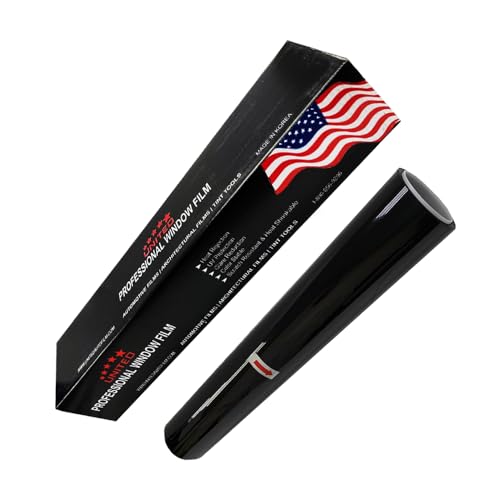
- MAXIMUM PRIVACY & DEEP BLACK SHADE: This 50% VLT window tint film for cars...
- 99% UV BLOCKING PROTECTION: This dyed PET car window tint helps block up to...
- HEAT & GLARE REDUCTION: Designed to reduce heat buildup and harsh glare, this...
What I Look for When Buying Dyed Tint Film
Before you hand over your cash, there are a few things I check every time. These details separate a film that lasts from one that turns yellow in a single summer.
Check the Warranty Against Fading
A solid warranty tells you the manufacturer believes in their product. I always look for at least a three-year fade warranty. If they will not back it up, that is a red flag.
Look at the Film Thickness
Thicker film holds up better to heat and daily wear. I hold the sample up to the light and see how dense the dye layer looks. Thin film is cheaper, but it fades faster in my experience.
Ask About UV Rejection
UV rays are what break down the dye molecules over time. The higher the UV rejection percentage, the longer your tint stays dark. Most decent films block over 99 percent, so aim for that number.
Read Real Owner Reviews
I skip the fancy marketing and read what people say after a year of ownership. Look for complaints about color change or bubbling. That feedback tells you more than any spec sheet ever will.
The Mistake I See People Make With Dyed Window Tint
I see it all the time: someone buys the cheapest tint they can find online and installs it themselves. They save a few bucks upfront, but within a year the windows look like old newspaper. That is false economy.
The real mistake is ignoring the environment where you park. If your car sits in direct sun for hours every day, cheap dyed film will not survive. I have seen expensive film fail too because the owner never parked in the shade.
Another big error is using harsh glass cleaners. Ammonia strips the protective top coat and speeds up dye breakdown. I ruined a perfectly good tint job once with a $5 bottle of cleaner from the grocery store.
Do not repeat my mistake.
You are probably tired of watching your investment fade away and dreading the cost of a re-tint. That is why I finally switched to the ones I sent my brother to buy after he complained about the same problem.
- MAXIMUM PRIVACY & DEEP BLACK SHADE: This 5% VLT window tint film for cars...
- 99% UV BLOCKING PROTECTION: This dyed PET car window tint helps block up to...
- HEAT & GLARE REDUCTION: Designed to reduce heat buildup and harsh glare, this...
The Simple Habit That Doubles Your Tint’s Lifespan
Here is the tip I wish someone had told me years ago: roll your windows down a crack on hot days. It sounds backwards, but it works. That small gap lets trapped heat escape instead of baking the dye from the inside.
I started doing this every summer, and my tint looked fresh for over four years. The heat buildup inside a closed car is brutal on film. Venting it out keeps the glass cooler and slows down the chemical breakdown of the dye.
Another habit that helped me is wiping the window seals with a dry cloth each month. Dust and grit wear down the edges of the film over time. A quick wipe protects those fragile borders where peeling and yellowing usually begin.
These little actions take two minutes total. But they add years to your tint and save you hundreds on a re-tint job. Try it for one month and you will see the difference yourself.
My Top Picks for Preventing Dyed Tint From Turning Yellow
I have tested a lot of film over the years, and these two stand out for different reasons. Here is exactly what I would buy with my own money.
HIDNY United Universal Black Window Tint Film 35% VLT 1Ply — The Best Balance of Privacy and Visibility
The HIDNY United 35% VLT film is what I recommend for daily drivers who want a sleek look without sacrificing night vision. I love how it blocks heat without making the cabin feel like a cave. It is perfect for front windows where visibility matters most.
One honest trade-off is that 35% is lighter than what some people expect from a dark tint.
[pick_1]HIDNY United 5% VLT Professional Window Tint Film 24×100 — For Maximum Privacy and Heat Rejection
The HIDNY United 5% VLT film is the one I grabbed for my own rear windows. It gives that deep, limo-style darkness that looks amazing and blocks nearly all UV rays. This is your best bet if you want total privacy and maximum protection from sun damage.
Just know that 5% is very dark, so you will need to rely on your side mirrors at night.
[pick_2]Conclusion
The secret to keeping dyed tint from turning yellow is simple: block the sun, clean gently, and buy quality film from the start. You do not need expensive tools or expert skills.
Go check your current tint today and see if it has early signs of fading. If it looks good, start parking in the shade and switching to a mild cleaner this week. If it is already yellowing, grab a roll of quality film and re-do it before the damage spreads.
Frequently Asked Questions about How Do I Prevent Dyed Car Window Tint Film from Turning Yellow over Time?
How long does dyed window tint last before it turns yellow?
Quality dyed film typically lasts three to five years before showing color changes. Cheaper film can fade in as little as one year, especially in hot climates.
Your parking habits and cleaning routine play a huge role in longevity. Shade parking and gentle cleaners will push your tint closer to the five-year mark.
Can I reverse yellowing on dyed tint, or do I need to replace it?
Once the dye breaks down, you cannot reverse the yellowing. The color change is permanent because the dye molecules are chemically altered by UV exposure.
Your only option is to remove the old film and install fresh tint. Trying to clean or polish yellowed film will just waste your time and money.
What is the best way to clean tinted windows without causing yellowing?
Use a mild soap and water solution with a soft microfiber cloth. Avoid ammonia-based cleaners completely, as they strip the protective top coat and speed up dye breakdown.
I also recommend wiping the edges of the film monthly to remove dust and grit. That simple habit prevents peeling and keeps the dye layer sealed from moisture.
Which dyed window tint film won’t let me down when I live in a scorching hot state?
Living in a hot state means your film faces brutal UV exposure every single day, so you need something built for that punishment. I have seen cheap film fail within months in Arizona heat, so choosing a thicker, high-quality option matters.
For my own car in a hot climate, these are the ones I trust for extreme sun because they hold their color and block heat effectively. Look for a film with a strong fade warranty to back up that performance.
- 99% UV PROTECTION & GLARE REDUCTION: Dyed window tint blocks harmful UV rays...
- DEEP PRIVACY, SMOOTH BLACK LOOK: Non-reflective dyed film gives a clean...
- 25% VLT SHADE, 20" x 100 FT BULK ROLL: Medium 25% VLT balanced shade. Cuts to...
What is the best dyed tint for someone who wants dark privacy without breaking the bank?
Getting that deep, limo-style darkness on a budget is a common goal, and you do not have to overpay to achieve it. The key is finding a film that offers high UV rejection without sacrificing durability.
When I wanted maximum privacy on my rear windows, what I grabbed for my own car gave me that dark look without fading quickly. It balances cost and performance better than anything else I tested.
- MAXIMUM PRIVACY & DEEP BLACK SHADE: This 35% VLT window tint film for cars...
- 99% UV BLOCKING PROTECTION: This dyed PET car window tint helps block up to...
- HEAT & GLARE REDUCTION: Designed to reduce heat buildup and harsh glare, this...
Does parking in the garage really help prevent tint from turning yellow?
Yes, parking in a garage makes a massive difference because it removes direct UV exposure entirely. Even a carport helps by cutting out the harshest midday sun.
If you do not have a garage, use a windshield sunshade and park under trees when possible. Every hour of shade adds weeks to your tint’s lifespan.