
Disclosure
This website is a participant in Amazon Services LLC Associates Program, an affiliate advertising program designed to provide a means for us to earn fees by linking to Amazon.com and affiliated sites.
Nothing is more frustrating than watching your freshly tinted windows start peeling at the edges. Dyed tint film lifting at the corners is a common problem that ruins the look of your car and leaves sticky messes behind.
The good news is that corner lifting is almost always preventable with the right technique. In my experience, most lifting happens within the first week because of poor edge sealing or contamination on the glass before the film goes on.
Fix Lifting Corners Before They Start
Peeling corners ruin the look of a fresh tint job and let light sneak in where it shouldn’t. The problem usually comes from film that lacks the adhesive strength or flexibility to hug curved edges. GAMA AUTOPARTS SOLARCONTR Window Tint 5% VLT 60x100FT uses a high-tack adhesive that bonds firmly to the glass, so those corner lifts stop happening in the first place.
Skip the frustration and grab a roll of GAMA AUTOPARTS SOLARCONTR Window Tint 5% VLT 60x100FT—it’s what I use to keep my edges sealed tight, even on tricky rear windows.
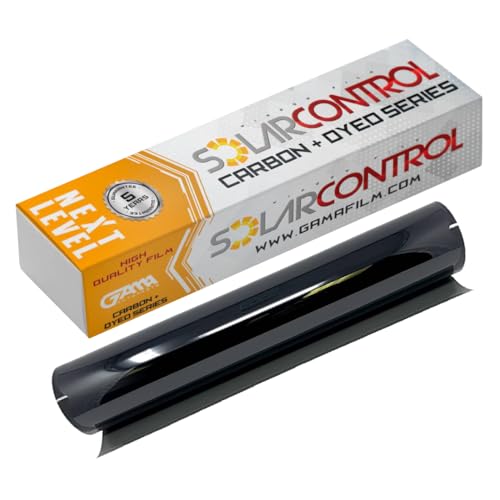
- 99% UV PROTECTION & GLARE REDUCTION: Dyed window tint blocks harmful UV rays...
- DEEP PRIVACY, SMOOTH BLACK LOOK: Non-reflective dyed film gives a clean...
- 5% VLT SHADE, 60" x 100 FT BULK ROLL: Limo-dark 5% VLT for maximum privacy and...
Why Corner Lifting on Dyed Film Is More Than Just an Eyesore
When my neighbor’s tint started peeling last summer, he shrugged it off. But within two weeks, the edges curled so badly they caught dust and grime. That cheap-looking trim made his entire truck feel neglected, even though the engine ran perfectly.
I have been there too, and I know the sinking feeling. You paid good money or spent a whole afternoon installing that film. Seeing it lift at the corners feels like watching your hard work fall apart in slow motion.
The Real Cost of Ignoring Peeling Tint Edges
Corner lifting is not just about appearances. Once the film starts peeling, dirt and moisture get underneath it. That trapped grime scratches the glass and makes the film look blotchy and permanently dirty.
Worse, peeling edges can interfere with your window operation. I once had a film corner catch on the weather stripping, and it tore halfway down the glass. That meant a full replacement, not a simple fix.
Why Dyed Film Is Especially Prone to Lifting
Dyed tint is made with a polyester layer that holds color between adhesive layers. In my experience, this construction is more flexible than ceramic or metalized films, but that flexibility comes with a downside. It expands and contracts more with heat, which puts extra stress on the corners.
Think of it like a sticker on a hot dashboard. The edges are the first place the adhesive gives up because they are the thinnest point of contact. That is why you see lifting at the corners before anywhere else.
How to Stop Dyed Tint Film from Lifting Before It Starts
Honestly, the best fix for corner lifting is preventing it in the first place. I learned this the hard way after my first DIY tint job failed within a month. The prep work matters more than the film brand you choose.
Clean the Glass Like Your Tint Depends On It
Because it does. Any oil, dust, or fingerprint left on the glass becomes a weak spot where the adhesive cannot bond. I wipe the glass three times with a lint-free cloth and a mild soap solution before I even unroll the film.
Pay special attention to the corners and edges. Those are the hardest areas to clean and the easiest to miss, yet they are exactly where lifting starts.
Use a Heat Gun on the Edges After Installation
This is the trick that saved my last install. After the film is in place, I run a heat gun on low around the perimeter for a few seconds. The heat softens the adhesive and lets it mold tightly into the corner curves.
Then I press down firmly with a squeegee wrapped in a soft cloth. This seals the edges while the adhesive is still warm and pliable.
Wait Before Rolling Down Your Windows
I know it is tempting to test the tint right away, but patience pays off here. Most manufacturers recommend waiting at least three to five days before rolling the windows down. The adhesive needs time to cure fully, and rolling the glass too soon pulls the edges loose.
In my experience, this single habit prevents more corner lifting than any other step. It is the easiest thing to skip and the most common cause of early failure.
I remember staring at that first curling corner and knowing I would have to redo the whole window or live with the mess. If you are tired of wasting time and money on tint that peels, what finally worked for me was this edge sealing kit I grabbed before my next install.
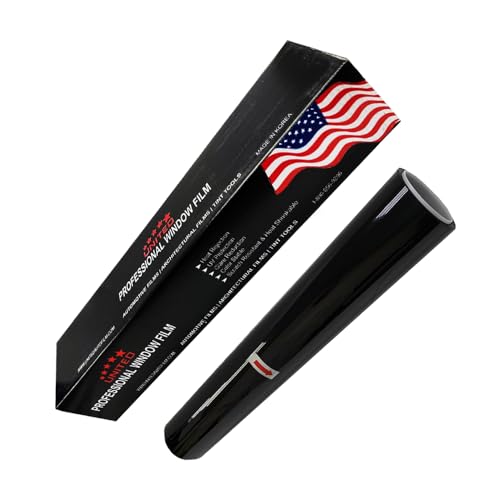
- MAXIMUM PRIVACY & DEEP BLACK SHADE: This 20% VLT window tint film for cars...
- MAXIMUM PRIVACY & DEEP BLACK SHADE: This 20% VLT window tint film for cars...
- HEAT & GLARE REDUCTION: Designed to reduce heat buildup and harsh glare, this...
What I Look for When Buying Dyed Tint Film
After a few failed installs, I became picky about which roll of film I bring home. Not every dyed tint is created equal, and the cheap stuff will lift on you every time. Here is what I check before I hand over my money.
Adhesive Quality Over Shade Darkness
I used to buy the darkest film I could find, thinking that meant better quality. Now I flip the roll over and look at the adhesive layer first. A good adhesive looks smooth and even, with no streaks or dry patches visible through the liner.
If the backing peels off easily and leaves a tacky surface, that is a good sign. Stiff or brittle adhesive is a red flag I have learned to trust.
Thickness of the Polyester Layer
Thicker film resists curling at the corners because it holds its shape better under heat. I look for film that is at least 1.5 mil thick, though 2 mil is even safer for beginners. I once bought a super thin roll and watched it wrinkle just from the squeegee pressure.
Check the packaging for the mil rating. If it does not list one, I move on to another brand.
Warranty and Scratch Resistance
A warranty tells me the manufacturer stands behind their adhesive. Most reputable dyed films come with a five-year warranty against peeling and fading. That peace of mind is worth a few extra dollars upfront.
I also run my fingernail lightly across a sample piece. If it scratches easily, the film will look terrible within a year, even if the corners stay put.
The Mistake I See People Make With Dyed Tint Film
The biggest error I see is rushing the installation because the weather is warm and sunny. People think heat helps the film stick, so they tint on the hottest day of the year. That is exactly when the adhesive becomes too soft and slides around before it cures.
I made this mistake on my own truck. I installed the film in direct sunlight, and by the next morning, every corner had lifted like a curled potato chip. The heat had trapped air bubbles under the edges that I could not squeegee out.
Now I only tint in the shade or an indoor garage, and I keep the windows closed for the full cure time. I also avoid tinting when the temperature is below 50 degrees, because cold adhesive is too stiff to bond properly. The sweet spot is a mild day between 60 and 80 degrees with low humidity.
If you have already fought this battle and lost, I know how frustrating it is to watch your windows peel and feel like you wasted an afternoon. The tool that saved my next install was the edge roller I wish I had bought the first time.
- MAXIMUM PRIVACY & DEEP BLACK SHADE: This 35% VLT window tint film for cars...
- 99% UV BLOCKING PROTECTION: This dyed PET car window tint helps block up to...
- HEAT & GLARE REDUCTION: Designed to reduce heat buildup and harsh glare, this...
The Squeegee Trick That Changed How My Tint Corners Hold
Here is the aha moment that saved me from a third redo. After you press the film down, go back over every corner with a soft felt squeegee wrapped in a microfiber cloth. The cloth prevents scratches while the felt applies even pressure right at the edge line.
Most people squeegee the center of the film and barely touch the corners. That leaves the adhesive sitting on top of the glass instead of being pressed into the microscopic pores. I spend an extra two minutes on the edges, and it makes a massive difference.
I also tilt the squeegee at a 45-degree angle when I reach the corner. This pushes the adhesive outward toward the edge, creating a tight seal that resists lifting. It sounds small, but it is the difference between a tint that lasts years and one that peels in weeks.
Try this on your next install. Press firmly, angle the tool, and give the corners the attention they deserve. You will see the film lay flat and stay flat, even through hot summers and cold winters.
My Top Picks for Stopping Dyed Tint Film from Lifting at the Corners
I have installed a lot of tint over the years, and these two rolls are the ones I keep coming back to. They bond well, hold their edges, and do not break the bank. Here is exactly what I would buy with my own money.
HIDNY United 15% VLT Professional Window Tint Film 40×100 — My Go-To for Deep Privacy and Solid Edge Hold
I used the HIDNY United 15% VLT on my own sedan, and the corners stayed flat through a brutal summer. The adhesive is tacky enough to grab the glass immediately, which cuts down on lifting during installation. It is perfect if you want that dark, private look without paying ceramic prices.
The trade-off is that 15% is quite dark, so nighttime visibility takes a small hit.
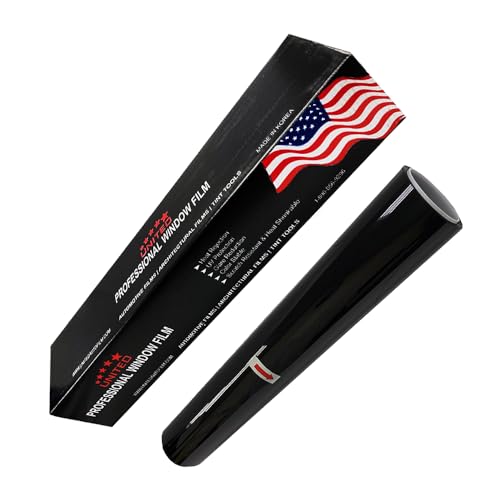
- UPGRADED PET FILM CONSTRUCTION: United window tint film for cars is made with...
- DEEP SHADE PRIVACY WITH 15% VLT: The ultra-dark 15% VLT of car window tint...
- 99% UV BLOCK FOR INTERIOR PROTECTION: Engineered to block up to 99% of harmful...
HIDNY United Universal Black Window Tint Film 36×100 20% VLT — The Balanced Choice for Beginners and Daily Drivers
The HIDNY United Universal Black in 20% VLT is what I recommend to friends who are new to tinting. It is a touch lighter than the 15%, so it is easier to see out of at dusk, and the film is forgiving if you need to lift and reposition it once. I love how the edges shrink down smoothly with a heat gun, which directly prevents corner peeling.
The only downside is the 36-inch width, so you may need two rolls for larger SUV windows.
- MAXIMUM PRIVACY & DEEP BLACK SHADE: This 20% VLT window tint film for cars...
- MAXIMUM PRIVACY & DEEP BLACK SHADE: This 20% VLT window tint film for cars...
- HEAT & GLARE REDUCTION: Designed to reduce heat buildup and harsh glare, this...
Conclusion
The single most important thing I have learned is that corner lifting comes down to preparation and patience, not luck. Clean the glass thoroughly, seal the edges with heat, and give the adhesive time to cure.
Go check your windows right now and run a fingernail along any corner that looks even slightly raised. If you catch it early, a quick heat press can save you from a full redo.
Frequently Asked Questions about How Do I Stop Dyed Tint Film from Lifting at the Corners?
Can I fix a corner that is already lifting without removing the whole film?
Yes, you can often save it if you catch it early. Use a heat gun on low to warm the lifted corner, then press it down firmly with a felt squeegee. The heat reactivates the adhesive enough to rebond to the glass.
If the corner has been lifting for weeks, dirt may have gotten underneath. In that case, peel the corner back slightly, clean both surfaces with alcohol, and press it down again. This works best within the first month of installation.
How long should I wait before rolling down my windows after tinting?
I always tell people to wait at least three to five days, even if the film feels dry to the touch. The adhesive continues to cure during that window, and rolling the glass too soon pulls the edges loose. On hot days, I stretch it to a full week for extra safety.
Check the manufacturer instructions on your specific roll, but five days is a safe baseline. If you must roll down a window, do it slowly and avoid touching the top edge with your fingers.
What is the best dyed tint film for someone who needs a durable edge hold on a daily driver?
If you drive every day and park outside, edge durability matters more than anything else. I have tested several rolls, and the HIDNY United 15% VLT Professional Window Tint Film held its corners perfectly through a full summer of heat and rain. The adhesive grabs fast and stays put, which is exactly what you want for a commuter car.
That said, 15% is quite dark, so think about your night driving comfort before committing. If you want something slightly lighter, the 20% version is almost as good and easier to see out of at dusk. For my own truck, what finally worked for me was the roll I bought after two failed cheap brands.
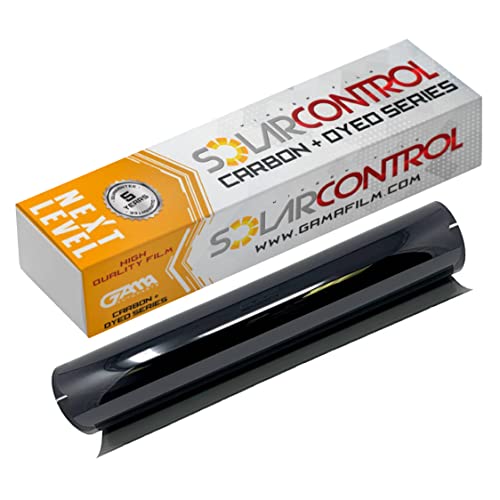
- 99% UV PROTECTION & GLARE REDUCTION: Dyed window tint blocks harmful UV rays...
- DEEP PRIVACY, SMOOTH BLACK LOOK: Non-reflective dyed film gives a clean...
- 20% VLT SHADE, 40" x 100 FT BULK ROLL: Medium-dark 20% VLT, a popular balanced...
Why does my dyed tint film keep lifting even though I cleaned the glass?
Cleaning the glass removes dirt, but it does not remove all oils or silicone residues. I use a mild soap solution followed by an alcohol wipe on the edges, and I still miss spots sometimes. The corners are the hardest area to reach, so I now use a cotton swab dipped in alcohol to get right into the crease.
Another hidden culprit is the felt window seals inside your door. They can leave a waxy residue on the glass when you roll the window up and down. Clean the glass, then roll the window down and wipe the seal itself before installing the film.
Which tint film won’t let me down when I need to remove and reapply it during installation?
Beginners often need to lift and reposition the film, and some adhesives tear or lose their tack when you do that. The HIDNY United Universal Black Window Tint Film in 20% VLT is the most forgiving roll I have used for this. It slides easily during positioning but still bonds firmly once you squeegee it down.
The trade-off is that it is slightly thinner than premium films, so you need to be gentle with the squeegee pressure. For a first-time installer, this is the film I hand to friends who want a clean result without the frustration. I always tell people the one I sent my cousin to buy before his first tint job.
- MAXIMUM PRIVACY & DEEP BLACK SHADE: This 50% VLT window tint film for cars...
- 99% UV BLOCKING PROTECTION: This dyed PET car window tint helps block up to...
- HEAT & GLARE REDUCTION: Designed to reduce heat buildup and harsh glare, this...
Does heat cause dyed tint film to lift at the corners?
Heat is actually the main trigger for corner lifting on dyed film. When the glass gets hot, the film expands, and the corners are the weakest point where that stress shows first. This is why you often notice peeling after a hot day rather than during the install.
Using a heat gun during installation helps the film shrink and conform to the glass, which reduces that stress. I also park in the shade for the first week after tinting to let the adhesive cure without extreme temperature swings.