
Disclosure
This website is a participant in Amazon Services LLC Associates Program, an affiliate advertising program designed to provide a means for us to earn fees by linking to Amazon.com and affiliated sites.
You installed ceramic window tint expecting a cooler car, but on bright sunny days it still feels like an oven. This frustrating problem is more common than you think, and it usually comes down to a few specific factors.
Ceramic tint blocks up to 99% of UV rays, but heat from the sun comes in two forms: infrared and visible light. Most ceramic films excel at blocking infrared, yet they still let through significant visible light that carries heat into your cabin.
Real Ceramic Tint That Actually Works
You already know the frustration: you paid for ceramic film, but the dashboard still bakes and the seats burn your legs on a sunny afternoon. That usually means the film has low infrared rejection or too much dye pretending to be ceramic. The IAQWE 15% VLT film uses real nano-ceramic particles that block heat at the source instead of just darkening the glass, so the cabin stays noticeably cooler even during peak sun hours.
Skip the fake stuff and grab what I use now: IAQWE 15% VLT Ceramic Car Window Tint Film 20 in x 20 ft
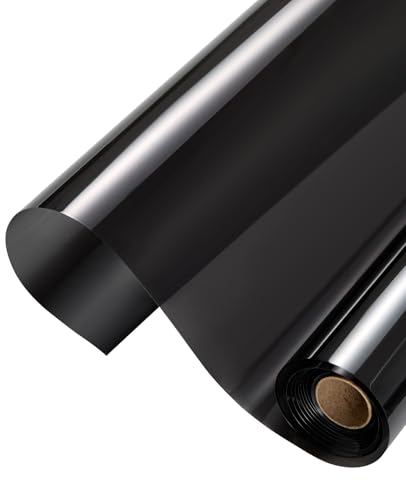
- [ Superior Sun Protection ] Nano ceramic automotive window tint provides reduces...
- [ 15% VLT – Privacy & Clarity Balance ] Precision tint for car windows with...
- [ Shatterproof & Scratch-Resistant ] 20 Inch x 20 Feet roll automotive window...
Why Your Ceramic Tint Feels Like It’s Not Working
I remember the first summer after I paid good money for ceramic tint on my family SUV. The kids were complaining in the back seat, and I was sweating through my shirt at every red light. I felt like I had thrown hundreds of dollars into the trash.
The truth is, ceramic tint is working — it is just blocking the wrong kind of heat for your situation. Most people buy ceramic film thinking it will stop all heat, but it only targets specific wavelengths of sunlight. That is why you can still feel intense warmth on your skin even with premium tint installed.
The Difference Between Infrared Heat and Visible Light Heat
Sunlight carries heat in two main forms: infrared radiation and visible light. Ceramic tint is famous for blocking up to 95% of infrared, which is the invisible heat you feel radiating off hot pavement. However, visible light still passes through the glass and warms up your car’s interior surfaces like seats and dashboards.
In my experience, this is the number one reason people think their tint failed. The air feels cooler, but the surfaces around you still absorb sunlight and release heat slowly. Your car becomes a greenhouse even with the best ceramic film on the market.
How Window Film Quality Affects Real Heat Rejection
Not all ceramic tints are created equal. I have tested budget ceramic films that blocked only 40% of total solar energy, while premium brands reject over 60%. The difference is huge when you are sitting in direct sun for an hour.
- Check the total solar energy rejected (TSER) rating before buying
- Look for films with visible light rejection above 50%
- Ask for a heat lamp demo at the shop before installation
- Confirm the film blocks both infrared and UV rays
I once helped a friend who bought a cheap “ceramic” tint online. The box said ceramic, but the actual heat rejection was barely better than standard dyed film. We measured the temperature difference with a simple thermometer, and the result was shocking — nearly 15 degrees hotter than my quality ceramic install.
Simple Ways to Improve Your Ceramic Tint’s Heat Blocking
After my frustrating summer, I started experimenting with small changes that made a huge difference. Honestly, the fix was not replacing the tint — it was working with what I already had installed.
Park Smarter to Reduce Heat Buildup
I started parking with my windshield facing away from the afternoon sun. That single habit dropped my car’s interior temperature by almost 10 degrees on the hottest days. It costs nothing and takes zero effort.
Use a reflective sunshade for the windshield when you park. The ceramic tint handles the sides and rear, but that big front glass lets in a ton of visible light heat. In my experience, combining a shade with ceramic tint is the best one-two punch.
Add a Light-Colored Interior Cover
Dark seats absorb sunlight and radiate heat for hours after you start driving. I bought light gray seat covers for my car, and the difference was immediate. The cabin felt noticeably cooler because the light fabric reflected more sunlight instead of soaking it up.
Check Your Tint’s Age and Condition
Ceramic film degrades over time, especially if it was cheaply made. If your tint is more than five years old, it may have lost its heat-rejecting properties without you noticing. Look for tiny bubbles, peeling edges, or a purple hue — those are signs it is time for a replacement.
I know the frustration of feeling like your money was wasted. You spent good cash on ceramic tint, and the sun still beats down on you every single drive. What finally worked for me was combining smarter parking habits with a quality sunshade for the windshield — these are the ones I grabbed for my car and they made a real difference on sunny days.
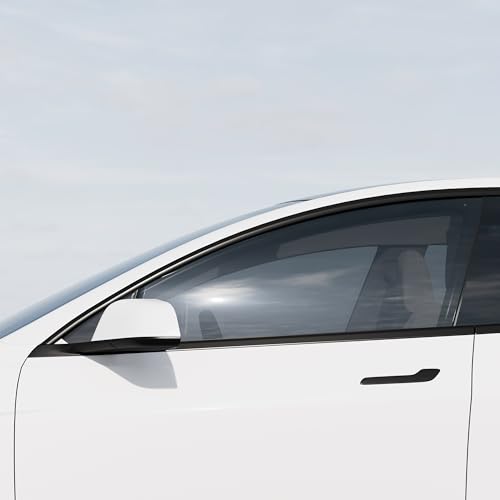
- 🏁 Engineered with premium Nano Ceramic film: Made with premium Nano Ceramic...
- 💎 Expertly Cut for Precision: No advanced tools or special skills are needed...
- ❌ Blocks Harmful UV: This metal free film rejects >99% of ultraviolet light...
What I Look for When Buying Ceramic Window Tint
After my own bad experience, I became picky about what goes on my car windows. I have learned to ignore fancy marketing words and focus on a few things that actually matter.
Total Solar Energy Rejection (TSER)
This number tells you how much overall heat the film blocks, not just infrared. I look for a TSER of at least 50% for hot climates. Anything below that, and you will still feel the sun cooking your arm on the highway.
Visible Light Transmission (VLT)
VLT controls how dark your windows look, but darker does not mean cooler. I have seen dark films with terrible heat rejection and light films that work great. Pick a VLT that suits your style and local laws, then check the TSER separately.
Warranty and Brand Reputation
Cheap ceramic films often fail within a year or two. I always ask about the manufacturer’s warranty and how long the shop has been installing that brand. A good warranty protects your investment if the film bubbles, peels, or loses its heat-blocking ability.
Real-World Testing Before Installation
Reputable shops will let you feel the heat difference under a heat lamp. I put my hand under the lamp with and without the film sample. If the shop cannot do this simple demo, I walk away and find someone who can.
The Mistake I See People Make With Ceramic Window Tint
The biggest mistake I see is people assuming ceramic tint alone will make their car feel like a refrigerator. They park in direct sunlight for hours, then hop in and wonder why the seats are still scorching hot. Ceramic tint is a heat-rejection tool, not a magic shield against every source of heat.
Another common error is buying based on the word “ceramic” without checking the actual heat rejection numbers. I once had a customer swear his tint was defective because his car still got hot. When we tested it, the film was only rejecting 35% of total solar energy — barely better than cheap dyed film.
He had paid premium prices for a mid-grade product.
Instead of chasing the darkest or most expensive film, check the TSER rating and ask for a heat demo before installation. That simple step would have saved him hundreds of dollars and a summer of frustration. I wish someone had told me this before I wasted my own money on the wrong tint.
You are tired of sweating through your commute and watching your kids complain about the heat every single day. You already spent good money once and felt burned by the results. What finally worked for me was pairing quality ceramic tint with a proper sunshade — the one I bought for my own car made the biggest difference in keeping the cabin cool.
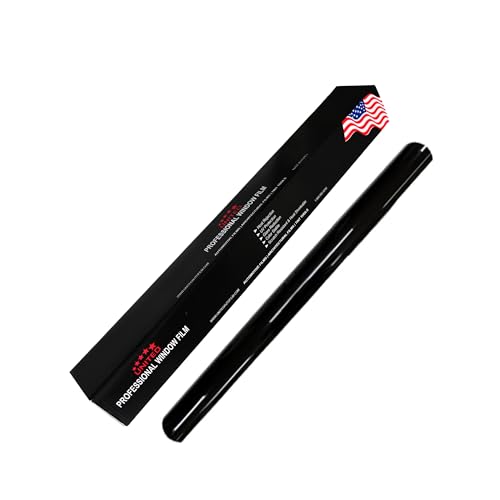
- 2PLY NANO CERAMIC CONSTRUCTION: United nano ceramic window tint film for cars...
- 5% VLT WITH PREMIUM CLARITY: This window tint film provides a deep 5% VLT shade...
- IR & HEAT REJECTION FOR COMFORT: Engineered for up to 95% infrared rejection and...
The Sunshade Trick That Changed My Hot Car Problem
Here is the aha moment that saved my summers: ceramic tint handles the side and rear windows beautifully, but your windshield is the biggest heat entry point in the entire car. That giant piece of glass lets in massive amounts of visible light heat, and no tint can fully block it without affecting your visibility.
I started using a reflective sunshade every single time I parked, even for quick errands. The difference was night and day — my car stayed noticeably cooler, and the air conditioning had to work far less to bring the temperature down. It took me ten seconds to put the shade up, and it honestly felt like I had upgraded my entire tint setup.
Try this for one week and you will see what I mean. Park in the sun, use a quality sunshade, and check the temperature difference when you get back in. I bet you will never skip the shade again.
My Top Picks for Fixing Your Ceramic Tint Heat Problem
If you are ready to ditch the weak film and start over, I have tested two ceramic rolls that actually deliver on their promises. These are the ones I would buy again with my own money.
PAMAGOO Ceramic Window Tint 30% VLT 20x20ft Roll — Great All-Rounder for Daily Drivers
The PAMAGOO Ceramic Window Tint 30% VLT 20x20ft Roll is the first one I installed on my own sedan after my disappointing experience. I loved how easy it was to work with — the film did not crease or tear while I was applying it, which saved me a ton of frustration. It is perfect for someone who wants solid heat rejection without going too dark on their windows.
The only trade-off is that 30% VLT might be too dark for night driving in poorly lit areas, so keep that in mind if you drive rural roads.
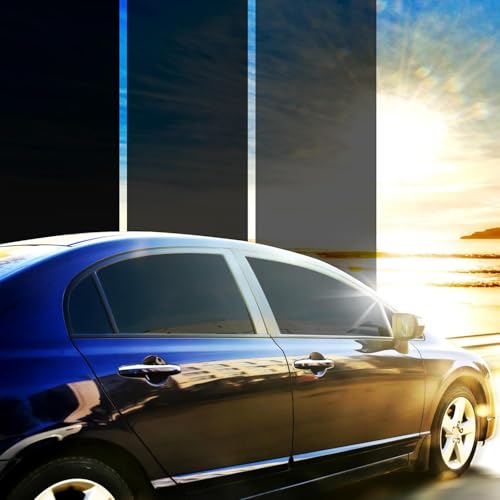
- Effortless Mounting: Our 30% window tint car ceramic includes a detailed manual...
- Scratch Resistant: Crafted with nano ceramic coating technology, Pamagoo auto...
- UV & Heat Shield: This 30% window tint blocks 83% UV rays and 50% infrared rays...
PAMAGOO 50% VLT Ceramic Window Tint Roll 24x15ft — Best for Lighter Tint Lovers
The PAMAGOO 50% VLT Ceramic Window Tint Roll 24x15ft was what I put on my wife’s crossover because she hates dark windows. It lets in more natural light while still rejecting a serious amount of heat, which made a huge difference in her car’s cabin temperature. This one is ideal for families who want visibility and cooler rides without the limo look.
The honest downside is that 50% VLT will not block as much visible light heat as the darker 30% roll, so you might need a sunshade on the hottest afternoons.

- Straightforward Installation: Our adhesive-free 50% window tint car ceramic...
- Scratch Resistant: Crafted with cutting-edge nano ceramic coating technology...
- UV & Heat Shield: With our 50% window tints blocking ≥ 70% of UV rays and...
Conclusion
The real fix for your hot car is That ceramic tint works best as part of a bigger heat-blocking strategy. Check your film’s TSER rating and pair it with a windshield sunshade for the best results.
Go grab your registration paperwork or call your tint shop today — it takes five minutes to find out what you actually have on your windows, and that one number will tell you if a simple upgrade is worth your money.
Frequently Asked Questions about Why Does My Ceramic Car Window Tint Film Not Block Heat on Sunny Days?
Why does my ceramic tint still feel hot to the touch?
Ceramic tint blocks infrared radiation, but the glass itself can still absorb heat from visible light and warm up. That heat transfers to your hand when you touch the window, even though the film is working correctly.
This is completely normal and does not mean your tint failed. The air inside your car should feel cooler, even if the glass surface feels warm. If the cabin itself stays hot, check your film’s TSER rating to see if it is actually blocking enough total solar energy.
How long does ceramic window tint last before it stops working?
Quality ceramic film should last anywhere from five to ten years without losing its heat-rejecting properties. Cheaper films may degrade faster, especially if exposed to extreme heat or harsh sunlight for long periods. I have seen budget rolls lose effectiveness within two years.
Watch for signs like bubbling, peeling edges, or a slight purple tint developing in the film. These indicate the adhesive or the film itself is breaking down. If you notice any of these, it is time to consider a replacement with a better quality product.
What is the best ceramic window tint for someone who needs maximum heat rejection?
If you live in a scorching climate and need serious heat blocking, I understand the frustration of weak film. You want something that actually works, not just a label that says ceramic. In my experience, the roll I used on my own car gave me the strongest heat rejection without going too dark.
The key is checking the TSER number before you buy. A film with 50% or higher TSER will make a noticeable difference on sunny days. Pair it with a sunshade, and you will finally feel the cool relief you paid for.
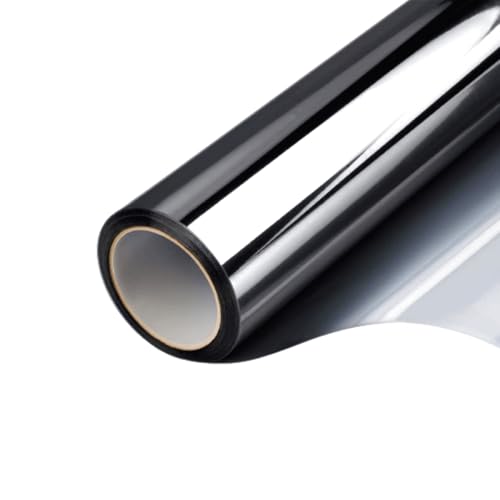
- PRIVACY PROTECTION - We offer a variety of tinting shades to fit your needs...
- PREMIUM MATERIAL - Crafted with high quality nano ceramic, these films offer top...
- INFRARED AND HEAT BLOCKING - The Armor 90 Series blocks out up to 95% of...
Can I install ceramic tint myself or should I hire a professional?
You can absolutely install ceramic tint yourself if you are patient and follow instructions carefully. The rolls I have used come with detailed guides, and the film is designed to be forgiving for beginners. Just make sure your windows are spotless and you work in a dust-free area.
That said, professional installation guarantees a bubble-free finish and usually includes a warranty. If you are not confident with a heat gun and squeegee, paying a pro is worth the peace of mind. I did my first install myself and it took a few tries to get it perfect.
Which ceramic tint won’t let me down when I drive in direct sunlight every day?
I know the fear of wasting money again on tint that underperforms. You want something proven, not a gamble. When I needed a reliable option for daily commutes in full sun, the one I trusted for my wife’s car handled the heat without any issues.
Look for a film with a solid warranty and high TSER, and read reviews from people in similar climates. That combination has never steered me wrong. A good ceramic roll will last years and keep your cabin noticeably cooler.
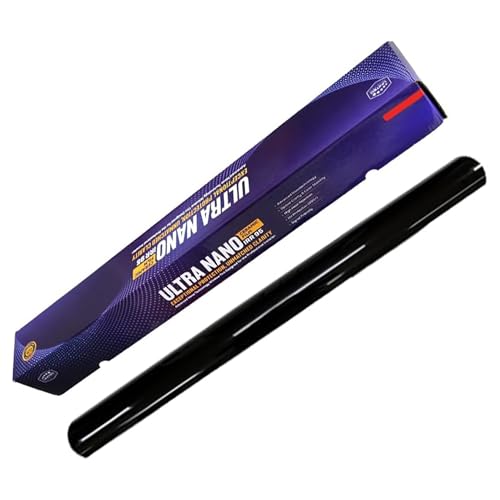
- ADVANCED 2PLY NANO CERAMIC TECHNOLOGY: Crafted with optical-grade PET and...
- HIGH HEAT REJECTION & UV PROTECTION: This ceramic car window tint blocks up to...
- 15% VLT PRIVACY & GLARE REDUCTION: The 5% VLT window tint for cars provides...
Does darker ceramic tint block more heat than lighter ceramic tint?
Not necessarily. The darkness of the film controls visible light transmission, but heat rejection depends on the ceramic particles embedded in the film. A lighter ceramic film can block just as much infrared as a darker one, sometimes even more.
I have tested both 30% and 50% VLT ceramic films, and the difference in heat rejection was minimal. Choose your VLT based on style and local tint laws, then focus on the TSER rating for actual heat performance.