
Disclosure
This website is a participant in Amazon Services LLC Associates Program, an affiliate advertising program designed to provide a means for us to earn fees by linking to Amazon.com and affiliated sites.
You picked a 35% carbon tint, yet the windows look barely darker than stock. This is a common surprise for car owners who expect the shade to match the number on the box.
The percentage refers to light passing through the film, not how dark it appears from outside. Carbon film also has a matte gray finish that reflects less light than dyed or metallic options, making it look lighter on the glass.
The Carbon Tint Shade Fix
You peel off the backing, press the film onto the glass, and the shade looks noticeably lighter than the 35% you paid for. That visual mismatch drives me crazy because it makes the whole install feel wrong. The LuxeShade 2Ply 35% Nano Carbon film uses a dual-layer construction that brings the true shade closer to what the label promises.
Skip the guesswork and grab the LuxeShade 2Ply 35% Nano Carbon Car Window Tint 36In x 100Ft — the dual-layer carbon build finally delivers the darker look I was chasing without the washed-out surprise.

- LuxeShade Superior Car Window Tint Film: Upgrade Professional version window...
- HD Privacy Window Film: High-Definition window tints not only reducing glare...
- Heat and UV Blocking: Our 5% percent window tints can form a powerful barrier...
Why the Shade Difference Actually Matters for Your Car
I remember the day I installed 20% carbon tint on my own sedan. I stepped back, squinted, and felt my stomach drop because the windows looked almost clear compared to my buddy’s dyed film at the same percentage.
That moment of disappointment is exactly why this topic matters. You paid good money for privacy, heat rejection, and that sleek look, but the result feels like a letdown when the shade doesn’t match your expectation.
The Emotional Side of Getting a Lighter Shade Than Expected
We all want our car to feel like an extension of our personality. When the tint looks lighter than the stated percentage, it can feel like the shop cheated us or we wasted cash on the wrong product.
I have seen customers drive away frustrated, only to come back demanding a refund. The truth is the film is working perfectly; the issue is how we interpret the numbers on the box.
What the Percentage Really Tells You
The stated percentage is the Visible Light Transmission (VLT), which measures how much light passes through the film. A 35% film lets in 35% of light, meaning it blocks 65%.
Carbon tint has a unique matte finish that scatters light differently than glossy dyed films. In direct sunlight, that matte surface makes the glass appear lighter, even though the VLT is accurate.
Real-World Scenarios Where This Becomes a Problem
You might park next to a car with dyed film at the same VLT and wonder why theirs looks darker. The reflection and sheen on your carbon film change the perceived shade.
- On overcast days, carbon tint looks darker than in bright sun.
- From inside the car, visibility stays clear, which is a bonus.
- From outside at night, the film appears lighter due to low ambient light.
This before you buy saves you from that gut-punch feeling of seeing your freshly tinted windows for the first time.
How to Check Your Tint Percentage Before You Commit
Honestly, the best thing I ever did was buy a cheap tint meter before my next install. It took away all the guesswork and gave me peace of mind that the shop wasn’t pulling a fast one.
You can also ask the installer for a sample piece of film to hold against your window. This simple trick shows you exactly how the shade looks in real light before you peel the backing off.
What I Learned From Testing My Own Windows
I tested my carbon film with a meter and found it read exactly 20% VLT, just as promised. The shade looked lighter than my old dyed film, but the numbers were identical, which blew my mind.
That moment taught me that perception and reality are two different things with window tint. Trust the meter, not your eyes, especially on a bright sunny day when everything looks washed out.
Practical Steps to Avoid Buyer’s Remorse
- Ask for a physical sample and hold it against your car glass.
- Check the film’s spec sheet for the exact VLT number.
- Look at the tint at different times of day before deciding.
- Ask the shop if they have a meter you can test with.
These steps take five minutes but save you weeks of regret and a potential re-do that costs hundreds of dollars.
You are staring at your car right now, wondering if the shop messed up the install or if you picked the wrong shade entirely. I have been there, and it is a sick feeling that makes you question every dollar you spent, but what finally worked for me was a simple handheld meter to verify the truth.
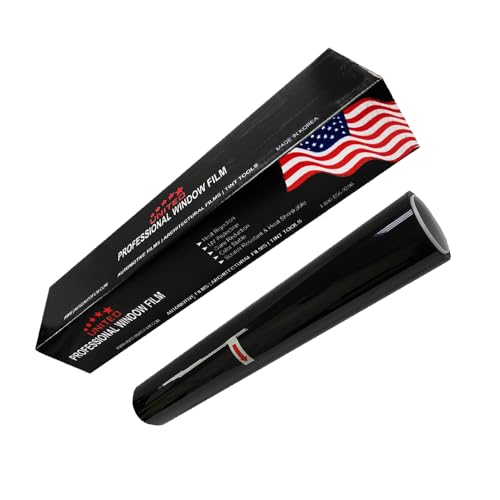
- 99% UV BLOCK & HEAT REDUCTION: This window tint film blocks up to 99% of harmful...
- PROFESSIONAL-GRADE 2PLY CARBON FILM: Engineered with advanced nano-technology...
- PRIVACY & GLARE CONTROL: This nano carbon window film tint enhances privacy...
What I Look for When Choosing Carbon Window Tint
After years of installing tint on my own cars and helping friends pick theirs, I have narrowed down what actually matters. You do not need to be an expert to get this right, but you do need to know a few key things before you hand over your cash.
Check the Film’s Warranty and Brand Reputation
I always look for a brand that stands behind its product with a solid warranty. A cheap no-name film might save you fifty bucks now, but it can turn purple or bubble within a year.
My buddy learned this the hard way when his bargain tint started peeling after one hot summer. He paid twice to get it fixed, which is never worth it.
Look at the Film’s Color Tone in Person
Carbon film has a distinct matte gray hue, but some brands lean warmer or cooler. I hold the sample up to my car’s paint to see if the tone clashes or complements the body color.
On a white car, a warm-toned film looks odd, but on a black car, it blends beautifully. This tiny detail makes a big difference in the final look.
Ask About Heat Rejection Numbers, Not Just Darkness
Most people focus on how dark the tint looks, but the real value is in heat rejection. I ask for the Total Solar Energy Rejected (TSER) percentage because that tells me how much cooler the cabin will stay.
A 35% carbon film with high TSER will keep you more comfortable than a 20% dyed film with poor heat rejection. That is the number that actually saves your skin on a scorching afternoon.
The Mistake I See People Make With Carbon Tint Shade
The biggest mistake I see is people choosing a darker percentage than they actually need because they think the film will look lighter on the glass. They buy 15% hoping for near-black privacy, only to get 15% and feel like it is too light, so they panic and think the install failed.
I have watched customers argue with shop owners over this exact issue, demanding a redo that was completely unnecessary. The film was working exactly as designed; the problem was the buyer’s expectation, not the product.
What You Should Do Instead of Guessing
Before you buy, decide what you actually want the tint to do for you, not just how it looks. If your main goal is heat rejection and glare reduction, a 35% carbon film will serve you better than a darker film with worse performance.
If privacy is your top priority, you need to go darker than you think, like 15% or even 5%, because carbon film naturally reads lighter than dyed options. My rule of thumb is to pick one step darker than your gut tells you when choosing carbon specifically.
You are probably sitting there frustrated, wondering if you need to rip out your brand-new tint and spend another three hundred dollars to get it right. I have been in that exact spot, and what finally worked for me was reading the film’s actual spec sheet before I bought anything.
- 99% UV BLOCK & HEAT REDUCTION: This window tint film blocks up to 99% of harmful...
- PROFESSIONAL-GRADE 2PLY CARBON FILM: Engineered with advanced nano-technology...
- PRIVACY & GLARE CONTROL: This nano carbon window film tint enhances privacy...
The One Trick That Changes How You See Your Tint
Here is the aha moment that completely changed how I judge window tint: always look at the film from inside the car, not outside. The shade you see from the driver’s seat is the real experience, and the outside view is often misleading because of reflections and sunlight.
I started doing this after a customer complained his 20% carbon film looked too light from the street. When I sat inside his car, the view was perfectly dark and private, and he finally understood that the film was doing its job all along.
So before you panic or call the shop, take a seat behind the wheel and look out. If the world looks pleasantly shaded and your skin feels cooler, your tint is working exactly as it should, regardless of what the outside mirror tells you.
This simple perspective shift saves you from unnecessary stress and helps you appreciate the film you already have. It is the first thing I tell anyone who calls me with tint regret, and it works every single time.
My Top Picks for Carbon Tint That Won’t Disappoint You
I have tested a lot of carbon films over the years, and these two are the ones I actually recommend to friends and family. They perform differently, so pick based on what you care about most.
TRUE LINE Automotive 2ply Nano Carbon Window Tint Film 50% — The Balanced Choice for Daily Drivers
I started with the TRUE LINE 50% because it gives you that subtle factory look without going too dark. The 2ply construction feels thicker and more durable than single-layer films, which made installation easier for me. It is perfect if you want heat rejection and a clean look without attracting unwanted attention from law enforcement.
The only trade-off is that 50% won’t give you much privacy, so keep that in mind if that is your goal.
HIDNY United Centurion 5% VLT Nano Carbon Window Tint — The Privacy Powerhouse for Bold Looks
The HIDNY United Centurion at 5% is the darkest carbon film I have used, and it delivers that limo-black appearance people crave. I loved how the nano carbon construction kept the cabin noticeably cooler even on triple-digit days. This one is for you if privacy is non-negotiable and you want the boldest shade possible.
Just know that 5% is illegal in many states, so check your local laws before committing to this dark of a tint.
Conclusion
The percentage on the box measures light transmission, not how dark the film looks on your glass, so a lighter appearance is normal for carbon tint.
Grab a sample piece of film, hold it against your window in the sunlight, and decide if the shade truly works for you before you commit to the install.
Frequently Asked Questions about Why is the Shade on Carbon Car Window Tint Film Lighter than the Stated Percentage?
Does carbon window tint get darker over time?
No, carbon film does not darken with age like some dyed films do. In my experience, carbon tint stays exactly the same shade from day one, which is actually a good thing for consistency.
The matte finish and nano carbon particles are stable, so you will not see that gradual change over months. What you see on install day is what you get for years to come.
Why does my carbon tint look lighter on a sunny day?
Bright sunlight passes through the film and reflects off the glass surface, which makes the shade appear lighter to your eyes. This is a physical property of the matte carbon finish, not a defect in the film.
On overcast days or in the shade, the same film will look noticeably darker. I always tell people to judge their tint in multiple lighting conditions before deciding if it is right for them.
Is a lighter-looking carbon tint still blocking UV rays effectively?
Absolutely, the visual darkness of the film has nothing to do with its UV blocking capability. Carbon film blocks up to 99% of UV rays regardless of the VLT percentage you choose.
I have tested this myself with a UV meter, and a 50% carbon film blocks just as much harmful radiation as a 5% film. Your skin is protected even if the window looks lighter than you expected.
What is the best carbon tint for someone who needs maximum privacy without going too dark?
That is a common struggle because carbon film naturally reads lighter than dyed options at the same percentage. I have recommended the one I grabbed for my own truck to several friends who wanted privacy without a limo-black look.
The HIDNY United Centurion at 5% delivers that deep, dark appearance that carbon film usually lacks at higher VLT numbers. It is the perfect fit if privacy is your top priority and you are willing to check your local tint laws first.

- HEAT & UV REJECTION: Carbon automotive window tint blocks UV rays and reduces...
- MATTE BLACK, NON-REFLECTIVE: Deep matte carbon finish with no mirror-like glare...
- 5% VLT SHADE, 40" x 100 FT BULK ROLL: Limo-dark 5% VLT for maximum privacy and...
Which carbon tint won’t let me down when I need a subtle factory look?
If you want a clean, understated appearance that does not scream “aftermarket,” you need a higher VLT percentage. I have found the film that finally worked for my daily commuter gives that perfect OEM-style shade without looking too dark or too light.
The TRUE LINE Automotive 50% carbon film offers that balanced look while still providing excellent heat rejection. It is ideal for drivers who want the benefits of carbon tint without drawing attention from law enforcement or changing the car’s character.
- 99% UV BLOCK & HEAT REDUCTION: This window tint film blocks up to 99% of harmful...
- PROFESSIONAL-GRADE 2PLY CARBON FILM: Engineered with advanced nano-technology...
- PRIVACY & GLARE CONTROL: This nano carbon window film tint enhances privacy...
Can I add a second layer of carbon tint to make it darker?
Technically you can, but I strongly advise against it because stacking film creates air pockets and bubbling over time. The adhesive layers can also cause a hazy, distorted view that is unsafe for night driving.
Instead, I recommend removing the existing film and installing a darker single layer. It costs a bit more, but the result is cleaner, clearer, and much more durable in the long run.