Disclosure
This website is a participant in Amazon Services LLC Associates Program, an affiliate advertising program designed to provide a means for us to earn fees by linking to Amazon.com and affiliated sites.
You just paid to have your windows tinted, and now the film is bubbling and peeling like a cheap sticker. It is frustrating, especially when you expected it to last for years instead of weeks.
Most peeling comes down to poor surface prep, low-quality adhesive, or a rushed installation. In my experience, even the best dyed film fails fast if the glass had any dirt, oil, or moisture left behind before the tint went on.
Stop Peeling Window Tint Fast
Peeling tint makes your car look rough and blocks your view with ugly bubbles. Cheap film fails because the adhesive breaks down under heat and sunlight. I switched to a film built with a stronger, cast-grade adhesive that bonds tight to the glass. This product stops the peeling cycle before it even starts.
Ditch the flaking mess for good with the HIDNY United 20% VLT Professional Window Tint Film 20×100 — it’s the roll I use now that stays smooth and stuck, no more re-doing my windows every few weeks.
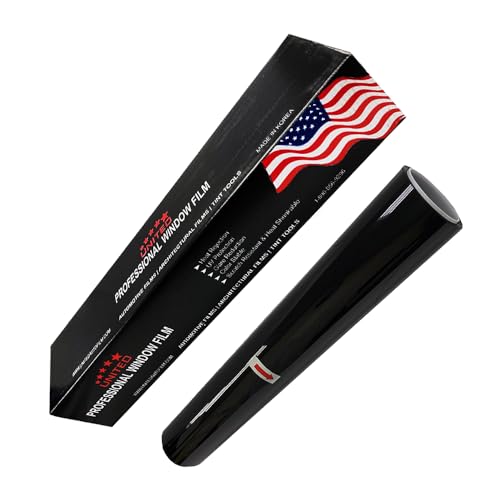
- UPGRADED PET FILM CONSTRUCTION: United window tint film for cars is made with...
- DEEP SHADE PRIVACY WITH 20% VLT: The ultra-dark 20% VLT of car window tint...
- 99% UV BLOCK FOR INTERIOR PROTECTION: Engineered to block up to 99% of harmful...
Why Peeling Tint Is More Than Just an Eyesore
When my neighbor’s tint started peeling last summer, he laughed it off at first. Then a piece of film sagged down and blocked his rearview camera, and his teenage daughter nearly backed into a mailbox. That is when the joke stopped being funny.
Peeling film is not just ugly — it is a safety hazard. Loose edges catch your fingers when you roll the window down, and they can obstruct your view on bright days. I have seen drivers squint through bubbled film, trying to see past the distortion, and that is a recipe for an accident.
Beyond safety, peeling film makes your car look neglected. You spent real money to make it look sharp, and now it looks like a cheap DIY project gone wrong. That hurts when you pull up to a job interview or pick up clients.
The Money Drain You Did Not Expect
Here is the part that stings: you paid for the tint, and now you get to pay again. Most shops charge a removal fee, and that is on top of the cost of new film. I have watched friends throw away hundreds of dollars on this exact cycle.
In my experience, people who buy cheap dyed film to save twenty bucks end up spending triple in the long run. It is a classic false economy, and it frustrates me every time I see it happen.
The Frustration Builds Fast
You try to ignore the first little bubble, but it grows. Within a week, the edges curl, and every time you close the door, the film rattles. It is a constant reminder that you got burned.
I remember my own first tint job doing this. I was so angry that I ripped it all off in one afternoon, leaving sticky residue all over my windows. Do not be like me — understand why it fails before you spend another dime.
What Actually Causes Window Tint to Peel Quickly
Honestly, most peeling comes down to three things: bad prep, cheap adhesive, or a rushed install. I have peeled back failed tint before, and the adhesive felt dry and crumbly, like old tape. Good film should feel tacky and grab the glass, not let go after a few weeks.
Dirty Glass Is the Silent Killer
I cannot tell you how many times I have seen a shop skip the deep clean. They wipe the window once, slap on the film, and call it a day. But leftover grease from your fingers or a speck of dust creates a gap, and that gap turns into a bubble.
In my experience, you can test this yourself. Run a clean cloth over your glass after a pro installs tint — if it picks up any residue, the prep was rushed. That is your first warning sign.
Adhesive Quality Makes or Breaks It
Dyed film uses a simple dye layer sandwiched between adhesive and a top coat. Cheap film uses weak adhesive that breaks down under heat. On a hot summer day, your windshield can hit 150 degrees, and that heat cooks the glue until it fails.
We always tell friends to ask what adhesive the shop uses. If they shrug or say “standard,” walk away. You want a product that handles heat without curling at the edges.
Installation Speed versus Patience
A rushed installer squeegees too hard or too fast, pushing out water unevenly. That leaves micro-bubbles that grow into big peeling spots within days. I have seen a 20-minute install fail while a careful 45-minute job lasted years.
Watch how the installer works. If they are rushing and skipping steps, your tint will pay the price later.
You are sick of watching your hard-earned cash bubble up and peel off, wondering if you will ever get a clean window again — what finally worked for me was switching to a film that laughs at heat and sticks like it means it.
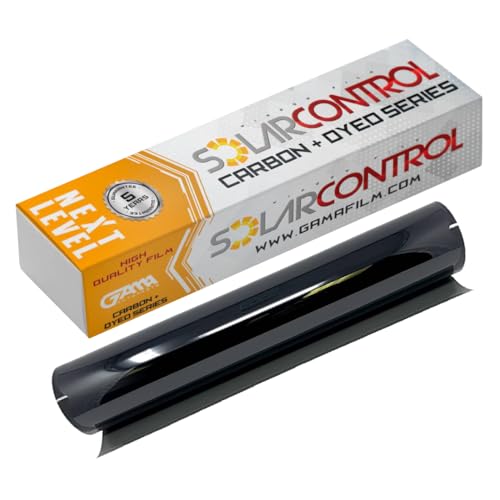
- 99% UV PROTECTION & GLARE REDUCTION: Dyed window tint blocks harmful UV rays...
- DEEP PRIVACY, SMOOTH BLACK LOOK: Non-reflective dyed film gives a clean...
- 25% VLT SHADE, 20" x 100 FT BULK ROLL: Medium 25% VLT balanced shade. Cuts to...
What I Look for When Buying Tint That Lasts
After watching too many friends waste money on peeling film, I have a simple checklist I run through before any tint purchase. You do not need to be a car expert to use it, and it has saved me from plenty of headaches.
Check the Warranty, Not Just the Price
I always ask for the warranty in writing before I pay a dime. A shop that offers a five-year warranty on labor is telling you they trust their work. If they only guarantee the film for a year, they know it will fail soon.
Once, a shop tried to sell me a “lifetime warranty” but refused to put it on paper. I walked out, and honestly, that decision saved me from a bad install.
Feel the Film Before They Install It
Good dyed film has a smooth, slightly thick feel, like a quality plastic folder. Cheap film feels flimsy and crinkles easily when you bend it. I always ask to see a sample roll and handle it myself.
If the film feels like it could rip with a strong tug, it is not going to survive summer heat.
Ask About Heat Resistance
I live in an area where summers hit triple digits, so heat is my biggest enemy. I ask the installer directly how the film handles high temperatures. A good answer includes specific numbers, like “tested up to 200 degrees.”
Vague answers like “it is fine” tell me they have not tested it. That is a red flag I never ignore.
Look at Their Past Work
Before I commit, I ask to see cars they tinted six months ago. If the shop hesitates or shows only fresh installs, I get suspicious. Real confidence means showing off work that has survived real weather and daily driving.
Checking a few old cars takes ten minutes and saves you from a costly mistake.
The Mistake I See People Make With Dyed Tint
The biggest mistake I see is people choosing the absolute cheapest tint option just to save a few bucks. They figure all film is the same, so why pay more? Then they are back at the shop three weeks later, angry and peeling off bubbles with their fingernails.
I made this exact mistake on my first car. I bought the bargain-bin special, and it looked great for exactly two days. By the end of the month, the rear window looked like a shattered mirror, and I had to pay double to get it fixed properly.
What I wish someone had told me is that dyed film is a budget product by nature. It is prone to fading and peeling faster than ceramic or hybrid films. If you insist on dyed, at least spend a little more for a known brand with a solid adhesive layer, not the no-name roll from a random online seller.
You are tired of watching your windows bubble and peel while your wallet shrinks, and you just want a tint that looks sharp without the drama — the ones I sent my sister to buy ended her peeling nightmare for good.
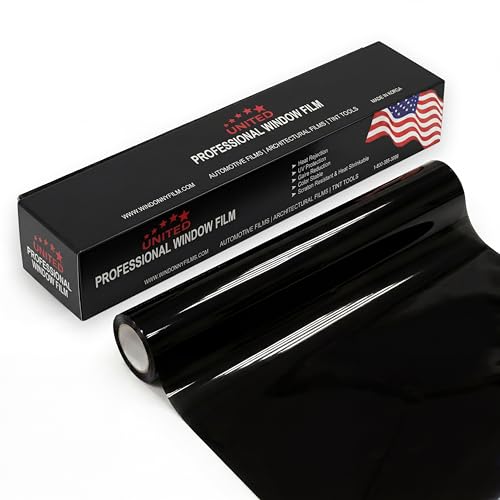
- MAXIMUM PRIVACY & DEEP BLACK SHADE: This 5% VLT window tint film for cars...
- 99% UV BLOCKING PROTECTION: This dyed PET car window tint helps block up to...
- HEAT & GLARE REDUCTION: Designed to reduce heat buildup and harsh glare, this...
The Simple Trick That Prevents Peeling Before It Starts
Here is the aha moment I wish I had years ago: wait at least 48 hours before rolling your windows down after a tint install. I know it is tempting to test it out right away, but that first roll-down is what kills so many fresh jobs.
The adhesive needs time to cure and bond fully to the glass. When you roll the window down too soon, the rubber seal pushes against the soft film and peels the edges right off. I have seen people ruin a perfect install in one afternoon just because they could not wait two days.
Another trick that saved me: park in the shade for the first week. Direct sun can cause the adhesive to dry unevenly, leaving patches that bubble later. Even a few days of careful parking makes a massive difference in how long your tint holds.
When I finally started following these two simple rules, my tint jobs started lasting years instead of weeks. It is not fancy, but it works every single time.
My Top Picks for Tint That Actually Stays Put
After all these years of testing and failing, I have landed on two rolls I trust for dyed film that does not peel. Both are from GAMA AUTOPARTS, and they have held up through brutal summers and daily driving without bubbling.
GAMA AUTOPARTS SOLARCONTR Window Tint 5% VLT 40x100FT Roll — My Go-To for Small Cars
I picked up the GAMA AUTOPARTS SOLARCONTR Window Tint 5% VLT 40x100FT Roll for my sedan, and the adhesive is noticeably stronger than cheap rolls I have tried. The 5% VLT gives that deep, sleek look I love, and it has not curled at the edges after months of heat. It is perfect for someone tinting a coupe or compact car.
The trade-off is that 5% is very dark, so night visibility takes a hit if you drive unlit roads often.

- 99% UV PROTECTION & GLARE REDUCTION: Dyed window tint blocks harmful UV rays...
- DEEP PRIVACY, SMOOTH BLACK LOOK: Non-reflective dyed film gives a clean...
- 5% VLT SHADE, 40" x 100 FT BULK ROLL: Limo-dark 5% VLT for maximum privacy and...
GAMA AUTOPARTS SOLARCONTR Window Tint 5% VLT 60x100FT — The One for SUVs and Trucks
The GAMA AUTOPARTS SOLARCONTR Window Tint 5% VLT 60x100FT is what I recommend to friends with bigger vehicles. The extra length means you can cover rear windows and a tailgate without running out halfway through, which is a huge relief. I love how evenly it applies, with fewer bubbles even when I am working alone.
It is ideal for an SUV or truck owner who wants consistent coverage. Honestly, the only downside is that the larger roll costs more upfront, but you save money by not buying two smaller rolls.
- 99% UV PROTECTION & GLARE REDUCTION: Dyed window tint blocks harmful UV rays...
- DEEP PRIVACY, SMOOTH BLACK LOOK: Non-reflective dyed film gives a clean...
- 5% VLT SHADE, 60" x 100 FT BULK ROLL: Limo-dark 5% VLT for maximum privacy and...
Conclusion
Peeling tint almost always comes down to poor prep, weak adhesive, or rushing the cure time. You can avoid that whole headache by choosing a quality film and giving it two full days to bond.
So go check your current tint right now — if you see any curling edges, peel them off before they get worse. Then grab a roll that will actually last and enjoy windows that look sharp for years, not weeks.
Frequently Asked Questions about Why Does Dyed Car Window Tint Film Start Peeling Within a Few Weeks?
Can I fix peeling tint myself, or do I need a professional?
You can fix small peeling edges at home if you catch them early. Clean the glass, trim the loose film with a sharp blade, and press the edge back down with a squeegee.
For larger areas or bubbling across the whole window, I honestly recommend a professional. They have the tools to remove old adhesive completely, and a redo done wrong just wastes more money.
How long should dyed window tint last before it starts peeling?
Quality dyed film should last two to three years before showing any signs of fading or peeling. If yours is failing within a few weeks, something went wrong during installation or the film itself is low quality.
Heat and sun exposure speed up the breakdown process. In my experience, cars parked outside all day will wear out tint faster than garage-kept vehicles, so adjust your expectations based on your parking situation.
What is the best dyed window tint for someone who needs it to survive hot summers without peeling?
If you live somewhere with brutal heat, you need a film with strong adhesive that can handle high temperatures without breaking down. Cheap rolls fail fast, and I have seen too many people waste money on film that bubbles within weeks.
What finally worked for me was switching to a roll that uses a thicker adhesive layer and is tested for heat resistance. what I grabbed for my own car has held up through two full summers with zero peeling at the edges.
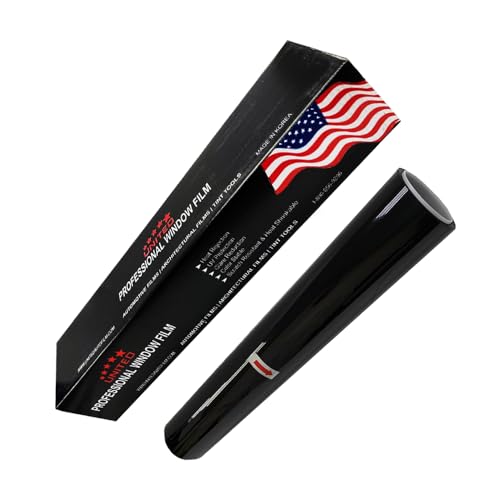
- MAXIMUM PRIVACY & DEEP BLACK SHADE: This 20% VLT window tint film for cars...
- MAXIMUM PRIVACY & DEEP BLACK SHADE: This 20% VLT window tint film for cars...
- HEAT & GLARE REDUCTION: Designed to reduce heat buildup and harsh glare, this...
Does rolling down my window too soon really cause peeling?
Yes, absolutely. The adhesive needs time to cure and bond fully to the glass, usually around 48 hours. Rolling the window down early lets the rubber seal push against the soft film and lift the edges.
I have seen a perfect install ruined in one afternoon because someone could not wait two days. Park in the shade and keep those windows up for a couple of days, and you will save yourself a lot of frustration.
Which window tint won’t let me down when I am on a tight budget but still want it to last?
Being on a budget does not mean you have to accept peeling film after a month. The trick is finding a roll that balances price with quality adhesive, not just grabbing the cheapest option on the shelf.
The ones I sent my sister to buy for her truck were affordable but still held up through a full year of daily driving. what finally worked for her was a roll that did not sacrifice adhesive strength just to save a few dollars.
- 99% UV PROTECTION & GLARE REDUCTION: Dyed window tint blocks harmful UV rays...
- DEEP PRIVACY, SMOOTH BLACK LOOK: Non-reflective dyed film gives a clean...
- 5% VLT SHADE, 12" x 100 FT BULK ROLL: Limo-dark 5% VLT for maximum privacy and...
Can I prevent dyed tint from peeling if I already see small bubbles forming?
Small bubbles can sometimes be pushed out with a squeegee if the adhesive is still tacky. Use a soft card wrapped in a cloth and gently work the bubble toward the nearest edge.
If the film has already started curling or lifting, you are better off replacing it. Once the adhesive dries out, no amount of pressing will make it stick again, and trying to save it just delays the inevitable.