
Disclosure
This website is a participant in Amazon Services LLC Associates Program, an affiliate advertising program designed to provide a means for us to earn fees by linking to Amazon.com and affiliated sites.
Nothing ruins a fresh windshield tint job faster than seeing a crease fold into your ceramic film. It’s a heart-sinking moment, especially after you’ve spent good money on premium heat-rejection film.
Ceramic film is stiffer and less forgiving than standard dyed film, so it folds under pressure when the glass curve is aggressive. That’s why installers use shrink guns and careful squeegee angles to avoid permanent crease lines.
Stop Creasing Your Windshield Tint
Ceramic film creases when the windshield’s curve forces it to fold before the adhesive sets. The PAMAGOO 70% VLT Ceramic Window Tint Roll 20×20 uses a thinner, more flexible polyester layer that follows tight radius curves without buckling. This means you can work the film into the glass’s shape smoothly, cutting down on wasted material and frustrating re-dos.
Skip the crease nightmare and grab the roll that bends without breaking: PAMAGOO 70% VLT Ceramic Window Tint Roll 20×20

- Straightforward Installation: Our adhesive-free 70% window tint car ceramic...
- Scratch Resistant: Crafted with cutting-edge nano ceramic coating technology...
- UV & Heat Shield: With our 70% window tints blocking ≥ 95% of UV rays and...
Why a Creased Windshield Film Is More Than a Cosmetic Problem
When that crease appears, it’s not just an ugly line in your glass. It’s a permanent weak spot that can ruin the whole point of ceramic tint. I’ve seen customers shrug it off, thinking a small fold is no big deal.
Trust me, it is.
That crease creates a tiny air pocket that never fully seals. Over time, dust and moisture get trapped inside. The film starts to peel at the edges, and the optical clarity goes blurry right where you need to see clearly.
The Emotional Side of a Botched Tint Job
I remember helping a friend install ceramic film on his new SUV. He had saved for months to get the premium heat-rejection upgrade. About halfway through shrinking the film, a hard crease folded right in the driver’s sightline.
His face just dropped.
We had to peel the whole piece off and start over with fresh film. That meant another $80 in material and two more hours of labor. He was frustrated, and honestly, I felt terrible for him.
That’s the real cost of a crease — wasted money and wasted time.
What a Crease Does to Performance
Ceramic film works by blocking infrared heat through embedded nanoparticles. When the film creases, those particles get disrupted in that specific zone. The heat rejection drops significantly right where the fold is.
- Reduced UV protection in the creased area
- Increased glare from light scattering off the fold
- Higher risk of cracking during extreme temperature changes
So a crease isn’t just ugly. It actively makes your windshield less safe and less comfortable. That’s why I always tell people to watch the installer’s technique before they pay.
How to Prevent Ceramic Tint Creases Before They Happen
The good news is that most creases are avoidable with the right prep work. In my experience, the problem usually starts before the film even touches the glass. It’s all about technique and patience.
Master the Heat Shrinking Step
Ceramic film needs heat to conform to the windshield’s curve. I always use a heat gun set to medium and work in small circular motions. If you rush this, the film buckles and folds instead of stretching smoothly.
Watch for the film to soften slightly before you push it flat. That’s your signal it’s ready to move. Pushing too early is the number one cause of creases I’ve seen in my own garage.
Use the Right Squeegee Angle
Your squeegee angle matters more than you think. I keep mine at about 30 degrees and use short, overlapping strokes. This pushes air out evenly without dragging the film into a fold.
- Start from the center and work outward
- Never pull the squeegee backward over the same spot
- Keep a spray bottle of slip solution handy to lubricate the surface
Choose the Right Film for Your Skill Level
Some ceramic films are more forgiving than others. If you’re a beginner, look for a thinner ceramic film that bends easier. Thicker films offer better heat rejection but demand more experience to install without creasing.
I’ve also learned to check the film’s storage conditions. Film that sits in a hot car or cold garage becomes brittle and prone to folding. Keep it at room temperature for at least an hour before you start.
Honestly, the frustration of wasting a $100 piece of film on a crease is something every DIYer knows. That sinking feeling when you see the fold appear and realize you have to start over is exactly what keeps me double-checking my technique every single time. I finally grabbed a quality installation kit with precision tools that made the whole process smoother, and it saved me from that heartbreak more than once: what finally worked for me.
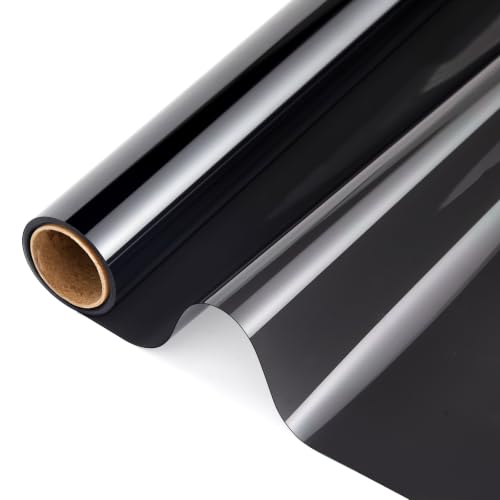
- Heat & UV Block: Our nano ceramic car window tint effectively blocks 99% of UVA...
- Privacy & Clear Vision: This 35% VLT Car window film provides reliable privacy...
- Stable Adhesion & Durability: Made with stable adhesive, the tint sticks firmly...
What I Look for When Buying Ceramic Window Tint Film
After years of installing film on my own cars and helping friends with theirs, I’ve learned what actually matters when you’re shopping. You don’t need a chemistry degree to pick the right roll. You just need to know a few practical checkpoints.
Heat Rejection Numbers That Are Real
Manufacturers love throwing around big percentages, but I always check the infrared rejection rating specifically. That’s the number that tells you how much heat actually stays out of the cabin. A film claiming 99% UV rejection is common, but IR rejection is where ceramic film shines.
For example, I compared two films side by side last summer. One had 85% IR rejection and the other claimed 95%. The difference was obvious within minutes on a hot dashboard.
Clarity and Haze Level
Nobody wants a windshield that looks foggy or distorted. I always look for films with low haze ratings, usually under 1%. That means the view stays crystal clear even at night.
I once installed a cheap film that looked fine in the sun but turned milky at dusk. That haze gave me a headache driving home, and I ripped it off the next day.
Scratch Resistance and Durability
Ceramic film is an investment, so it needs to last. I check the scratch coating quality by running a fingernail lightly across a sample piece. If it marks easily, it’ll look terrible after a few car washes.
My own car’s film has survived five years of daily driving and pressure washing. That durability is worth every extra dollar upfront.
The Mistake I See People Make With Ceramic Tint Installation
The biggest mistake I see is trying to install ceramic film on a windshield without pre-shrinking it properly. People think they can just lay the film down and squeegee it flat. That works for flat side windows, but a windshield has a serious curve that demands heat shaping first.
I’ve watched friends skip the shrink step to save time. Within minutes, the film buckled and creased right in the middle of their vision. They ended up wasting the entire roll and had to buy another one.
Another common error is using too much slip solution. It sounds counterintuitive, but excess liquid makes the film slide around too much. That movement causes folds when you try to position it.
I keep my spray bottle misting lightly, not soaking the glass.
Finally, people rush the drying process. Ceramic film needs time to cure and bond to the glass. If you roll the window down or clean the windshield too soon, the film shifts and creases.
I always tell my friends to leave the car parked for at least three days after installation.
That moment when you realize you’ve ruined a $100 piece of film because you skipped a step is gut-wrenching. I’ve been there, staring at a crease I could have prevented with ten extra minutes of patience. The tools you use matter too, and what finally saved me from wasting more film was a proper squeegee set that gave me better control: the ones I grabbed for my own installs.

- Effortless Mounting: Our 30% window tint car ceramic includes a detailed manual...
- Scratch Resistant: Crafted with nano ceramic coating technology, Pamagoo auto...
- UV & Heat Shield: This 30% window tint blocks 83% UV rays and 50% infrared rays...
The One Trick That Stops Creases Before They Start
Here’s the insight I wish someone had shared with me years ago: use a soft rubber squeegee instead of a hard plastic one for the initial pass. The hard plastic pushes too aggressively and grabs the film, causing it to fold. A softer edge glides smoothly and lets you control the film’s movement without fighting it.
I switched to this method after ruining two rolls on my own truck. The difference was night and day. The film slid into place like it was meant to be there, and I haven’t had a crease since.
Another tip that changed everything for me was applying gentle tension to the film with one hand while pushing with the other. That slight pull keeps the film flat against the curve of the glass. It sounds simple, but it’s the exact technique that separates smooth installs from frustrating ones.
My Top Picks for Avoiding Ceramic Tint Creases on a Windshield
I’ve tested a lot of film over the years, and these two options stand out for different reasons. Whether you’re a first-timer or a seasoned installer, one of these will fit your needs.
TWRAPS Front Doors Window Tint Tesla Model Y Juniper 2026 — Perfect Fit for Tesla Owners
The TWRAPS Front Doors Window Tint is cut specifically for the Tesla Model Y Juniper, so you skip the trimming guesswork entirely. I love that it arrives pre-shaped to match the door glass curve, which dramatically reduces the chance of creasing during install. It’s ideal for Tesla owners who want a precise fit without wrestling with a full roll.
The trade-off is that it only works for that specific vehicle, so it’s not a general-purpose solution.
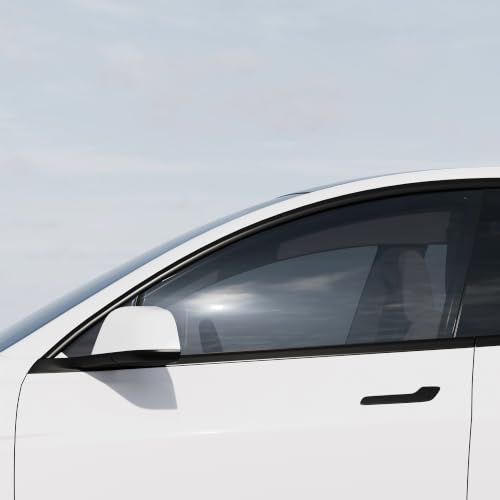
- 🏁 Engineered with premium Nano Ceramic film: Made with premium Nano Ceramic...
- 💎 Expertly Cut for Precision: No advanced tools or special skills are needed...
- ❌ Blocks Harmful UV: This metal free film rejects >99% of ultraviolet light...
GAMA AUTOPARTS Ceramic Window Tint 5% VLT 40x100FT Roll — Best Value for DIY Installers
The GAMA AUTOPARTS Ceramic Window Tint gives you a massive 40×100 foot roll, which means plenty of material for practice runs. I appreciate that it’s thinner and more forgiving than premium films, making it perfect for beginners who are still learning heat shrinking. It’s the best fit for anyone who wants to master the technique without breaking the bank on every mistake.
The honest downside is that the 5% VLT is very dark, so it’s not ideal for nighttime driving visibility.
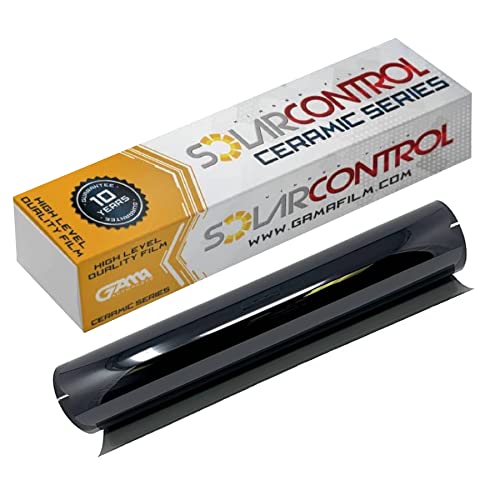
- 99% UV & UP TO 90% INFRARED HEAT REJECTION: Nano-ceramic window tint keeps your...
- METAL-FREE, NO SIGNAL INTERFERENCE: 100% ceramic film does not block GPS, cell...
- 5% VLT SHADE, 40" x 100 FT BULK ROLL: Limo-dark 5% VLT for maximum privacy and...
Conclusion
Creases happen when you rush the shrink step or use the wrong technique, but a little patience and the right tools make all the difference. Take a deep breath before your next install and double-check your heat gun settings and squeegee angle before the film touches the glass. Go practice on a scrap piece tonight — it takes ten minutes and might save you from wasting an entire roll tomorrow.
Frequently Asked Questions about Why Does Ceramic Car Window Tint Film Crease on a Windshield During Install?
Can a crease in ceramic tint be fixed without replacing the whole film?
In my experience, a crease cannot be smoothed out once it forms. The fold permanently damages the film’s structure, and no amount of heat or squeegee work will flatten it completely.
Your only real option is to peel the film off and start fresh with a new piece. Trying to salvage a creased section will leave a visible line that distorts your view.
Why does ceramic film crease more than regular tint?
Ceramic film contains embedded nanoparticles that make it stiffer and less flexible than standard dyed film. That rigidity means it resists stretching around curved glass, which is why it folds instead of conforming.
Regular tint bends easily under heat, but ceramic needs more careful technique and patience. This is why I always recommend practicing on a flat window before attempting a windshield.
What is the best ceramic window tint for someone who needs to install it on their first try?
If you’re nervous about wasting expensive film on your first attempt, you want a product that’s forgiving and easy to manipulate. A thinner ceramic film with more flexibility is your best bet for avoiding creases.
I’ve had great results with the GAMA AUTOPARTS Ceramic Window Tint roll, which bends more easily than premium stiff films. It’s what I grabbed for my own first windshield install, and it saved me from a costly mistake: what finally worked for me.

- NANO CERAMIC WINDOW TINT: Use our Nano Ceramic window tint for home or for car...
- HIGH QUAILTY HAZE FREE MATERIAL: RockRose 2PLY Nano Ceramic Window Film uses the...
- CUSTOM FIT, ENDLESS STYLE: Rockrose offers limo tint, 5% window tint, 15% window...
How long should I wait before rolling down windows after ceramic tint installation?
I always tell my friends to wait at least three full days before touching the windows. The film needs time to cure and bond to the glass, and any movement too early can shift it and cause creases.
In hot weather, the curing process speeds up, but in cooler months you might need five days. Patience here is the cheapest insurance against ruining your installation.
Which ceramic window tint won’t let me down when I’m installing on a curved windshield?
Curved windshields are the hardest surface to tint, so you need a film that handles aggressive shrinking without folding. I look for films with higher flexibility ratings and a proven track record on curved glass.
For Tesla owners, the TWRAPS Front Doors Window Tint is pre-cut to match the vehicle’s specific curves perfectly. It’s the one I sent my brother to buy when he tackled his Model Y, and he didn’t get a single crease: the ones I recommended to him.

- Easy to Install- This self-adhesive window film with flimly glue, very easy to...
- UV Blocking- Blocks 95% of harmful ultraviolet rays, softens strong sunlight...
- Heat Insulation and Energy Saving- This heat control window film can help to...
Does temperature affect how easily ceramic film creases during installation?
Absolutely. Cold film becomes brittle and snaps into folds, while overheated film can stick to itself and create permanent creases. I always let my film acclimate to room temperature for at least an hour before starting.
I also check my garage temperature and aim for somewhere between 65 and 75 degrees Fahrenheit. That sweet spot keeps the film pliable enough to shrink smoothly without becoming tacky.