
Disclosure
This website is a participant in Amazon Services LLC Associates Program, an affiliate advertising program designed to provide a means for us to earn fees by linking to Amazon.com and affiliated sites.
Nothing is more frustrating than unrolling a fresh roll of carbon window tint only to have it fold over and stick to itself like tape. This issue ruins the film, wastes your money, and turns a simple DIY project into a headache.
In my experience, the problem usually comes down to static electricity, heat, and how the film is stored or unrolled. Carbon film is especially prone to this because its construction creates more static charge than standard dyed film, making it cling aggressively.
Stop the Sticking and Folding
When tint film folds and sticks to itself, it becomes a frustrating, unusable mess that wastes your money and time. The adhesive grabs instantly, creating creases and bubbles that are impossible to fix once the layers touch. MotoShield Pro uses a firmer nano-carbon construction that resists folding during handling, while its smooth liner releases cleanly so you can position it without the edges curling back and sticking together.
This is the film I use now to end the sticking nightmare: MotoShield Pro 15% VLT Nano Carbon Car Window Tint Film

- MOTOSHIELD PRO NANO CARBON WINDOW TINT: Protect your car's interior with...
- OPTIMAL LIGHT & PRIVACY CONTROL: Achieve maximum privacy and style with...
- EASY INSTALLATION: This window tint adhesive film is only 1.5Mil thick, making...
Why Fighting With Sticky Tint Film Wastes Your Time and Money
I remember the first time I tried to tint my own car windows. I was so excited to save a few bucks and get that sleek, dark look. Twenty minutes later, I was holding a crumpled, folded mess of film that looked like a used candy wrapper.
That ruined piece of film wasn’t just a small loss. It was the exact piece I needed for my driver’s side window, and I had to buy a whole new roll. When carbon tint film sticks to itself, it creates permanent creases that you simply cannot smooth out.
The Emotional Toll of a Ruined DIY Project
We have all been there, sitting in the driveway with the sun beating down, feeling our patience drain away. Every time the film folds, you feel like you are literally throwing dollar bills into the trash. It is enough to make you want to give up and pay a professional hundreds of dollars.
In my experience, the frustration multiplies when you are on a tight schedule. You block out a Saturday afternoon for this task, and suddenly you are looking at a half-finished car with bubbles and creases. The stress is real, and it is completely avoidable once you understand the root cause.
What Is Actually Happening to Your Film
Carbon tint film is made of multiple layers, and these layers generate a lot of static electricity during manufacturing. This static charge is what makes the film want to grab onto itself the moment it touches. It is not a defect in the product; it is just the nature of the material.
Think of it like trying to fold a balloon. The surface tension and static make it impossible to keep flat. This simple fact changed my entire approach to installation, and it will change yours too.
Simple Storage and Handling Tricks to Stop the Sticking
Once I realized static was the enemy, I started changing how I handled the film before I even touched the glass. The biggest mistake I made was leaving the roll in a hot car or direct sunlight before installation. Heat makes the adhesive layer soft and tacky, which means it will grab onto itself at the slightest touch.
Now, I always bring the roll inside and let it sit at room temperature for at least an hour before I start. I also keep it standing upright on its end, never laying flat, so the edges do not get compressed and bent.
How to Unroll the Film Without Causing Folds
This part took me a few tries to get right, but honestly, it is a major improvement. Do not just pull the film off the roll like you are tearing off paper towels. That aggressive pulling creates friction, which creates more static charge.
Instead, I gently peel the film back at a very low angle, almost parallel to the roll itself. I move slowly and let the film come off naturally without any tension. If I feel it starting to curl inward, I stop immediately and lay it flat on a clean surface.
Tools That Actually Help Prevent Sticking
In my experience, a little bit of baby powder or talcum powder on your hands works wonders. It reduces the oils and moisture from your skin that can make the film cling. I also keep a spray bottle with a soapy water solution ready to wet the film surface before I position it.
- Keep the film away from dusty or dirty surfaces, as debris creates bumps that cause folds.
- Use a soft, lint-free cloth to handle the edges instead of your bare fingers.
- Work in a shaded area or indoors to reduce heat buildup on the film.
Honestly, the most common reason people give up on DIY tinting is not the cutting or the squeegeeing — it is the sheer frustration of watching the film stick to itself before you even get it on the window. You have already spent the money and the afternoon, and you are left wondering if you will ever get that crisp, professional finish you pictured. I know that feeling all too well, which is why I finally grabbed a pre-cut tint kit that takes the guesswork out of the process, so the film is already shaped and ready to apply without all the folding drama.

- ✅ 2 PLY DESIGN: 1.5mil thickness, CARBON double Ply film is thicker than most...
- ✅ ADVANCED HEAT AND GLARE BLOCKING: rejects up to 50% of the heat coming...
- ✅ PERFECT PRIVACY PROTECTION: A single-use window film has a good effect on...
What I Look for When Buying Carbon Window Tint Film
After ruining a few rolls myself, I learned to be picky about what I buy. Not every carbon tint film is created equal, and the cheap stuff often causes more problems than it solves. Here is what I check before I hand over my money.
Adhesive Quality and Liner Thickness
The liner is the clear backing sheet you peel off before installation. If it is too thin and flimsy, it will wrinkle easily and expose the adhesive to itself. I gently bend a corner of the roll in the store to see if the liner holds its shape without creasing.
Good adhesive should feel slightly tacky but not aggressively sticky. If it feels like tape, it will fold on you no matter how careful you are. I look for a film that feels smooth and slides slightly when I rub two layers together.
Shade Consistency Across the Roll
Nothing looks worse than a window that is darker in one spot than another. I hold the roll up to a light source and check for any streaks or thin patches in the carbon layer. In my experience, inconsistent shading usually means the manufacturer cut corners on the dye process.
Scratch Resistance on the Outer Layer
You will be sliding a squeegee across this film dozens of times during installation. If the outer layer scratches easily, you will see permanent white lines all over your window. I gently run my fingernail across a small corner of the film to test its hardness.
If it leaves a mark, I put the roll back on the shelf. A $20 savings is not worth a window that looks scratched and hazy after one afternoon of work.
The Mistake I See People Make With Carbon Tint Film
The biggest mistake I see is people trying to apply the film to a dirty or slightly damp window. They think a quick wipe with a dry cloth is enough, but that leaves behind oils, dust, and tiny particles. Those little bumps create air pockets that force you to lift and reposition the film, which is exactly when it folds and sticks to itself.
I used to make this same error, and it cost me a full roll of film. Now, I spend a solid ten minutes cleaning the glass with a dedicated glass cleaner and a fresh razor blade to scrape off any stubborn residue. I follow that with a thorough rinse and a squeegee to remove all moisture.
Another mistake is rushing the process. I see people try to lay the entire sheet in one quick motion, which almost always causes a fold in the middle. I work from the center outward, peeling the liner back only a few inches at a time while pressing the film down slowly.
You have already invested time and money into this project, and the last thing you need is another ruined roll sitting in the trash. That sinking feeling of watching your hard work crumple into a sticky ball is exactly why I switched to a kit that comes with pre-cut pieces and extra liner protection, so I never have to fight the film before it even touches the glass.
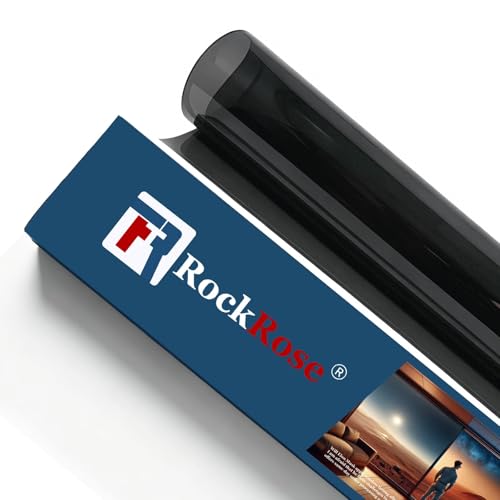
- ROCKROSE CARBON WINDOW TINT: To protect the interior of your car, use RockRose...
- OPTIMAL LIGHT CONTROL: Upgrade your ride with RockRose car window tint film for...
- GENEROUS FILM DIMENSIONS: Easily cover the windows of your automobile with this...
The Slip-Sheet Trick That Saves Every Roll of Film
Here is the one trick I wish someone had shown me years ago: use a clean sheet of plain paper as a buffer between the film and itself. When you peel the carbon film off the roll, immediately lay it sticky-side-up on a large piece of wax paper or a clean poster board. This gives the adhesive a safe surface to rest on instead of grabbing onto the next layer of film.
I started doing this after my third ruined roll, and it completely changed my installation process. The film stays perfectly flat, and I can slide it around easily without it folding over. I keep a stack of cheap poster boards in my garage specifically for this purpose.
Another part of the trick is to cut your film into manageable sections before you start, rather than trying to handle one giant sheet. Smaller pieces are easier to control, and they generate less static when you move them. Trust me, your patience and your wallet will thank you.
My Top Picks for Carbon Tint Film That Actually Stays Flat
I have tested more rolls of carbon tint film than I care to admit, and these two are the ones I keep coming back to. They handle differently during installation, and each one serves a specific purpose depending on your project.
RockRose 5% Premium Carbon Car Window Tint Film 20in x 10FT — The Darkest Shade with a Sturdy Liner
The RockRose 5% film is the first roll I reach for when I want that deep, limo-dark look. The liner is noticeably thicker than other budget films I have tried, which means it resists folding and sticking while you work. It is perfect for someone who wants maximum privacy and does not mind a very dark cabin.
The honest trade-off is that 5% visibility is extremely low at night, so you will need to rely heavily on your side mirrors.
- ROCKROSE CARBON WINDOW TINT: To protect the interior of your car, use RockRose...
- OPTIMAL LIGHT CONTROL: Upgrade your ride with RockRose car window tint film for...
- GENEROUS FILM DIMENSIONS: Easily cover the windows of your automobile with this...
HIDNY United 35% VLT Carbon Window Tint Film 40×100 2PLY — The Balanced Shade for Daily Drivers
The HIDNY United 35% film is what I recommend to friends who actually drive their cars every day and need a legal, practical shade. The two-ply construction gives it extra rigidity, so it does not curl up on itself the moment you peel the liner. I love that the 40-inch width gives you plenty of room to cut multiple windows from one sheet.
The only downside is that 35% is not as dark as some people want, so if you are chasing that blacked-out look, this is not the one.
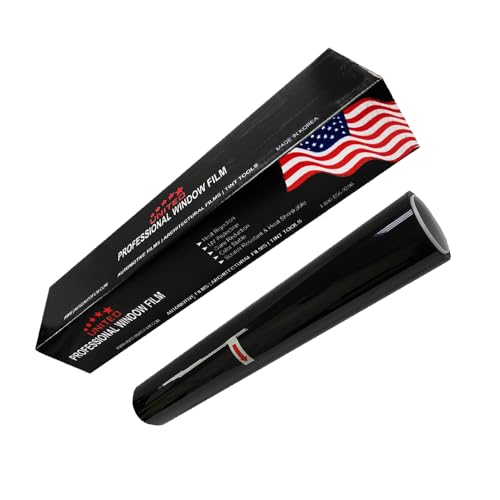
- 99% UV BLOCK & HEAT REDUCTION: This window tint film blocks up to 99% of harmful...
- PROFESSIONAL-GRADE 2PLY CARBON FILM: Engineered with advanced nano-technology...
- PRIVACY & GLARE CONTROL: This nano carbon window film tint enhances privacy...
Conclusion
The real secret to stopping carbon tint film from folding and sticking together is controlling static, heat, and moisture before you ever touch the glass. Once you master those three things, the whole process becomes dramatically easier.
Go grab a clean poster board and a roll of film right now, and practice the slip-sheet trick on a small piece. It takes five minutes, and it might be the reason your next tint job finally comes out perfect.
Frequently Asked Questions about Why Does My Carbon Car Window Tint Film Keep Folding and Sticking Together?
Can I fix carbon tint film that has already folded and stuck together?
Unfortunately, once the adhesive layers have bonded to each other, you cannot separate them without leaving permanent creases and damage. The film is essentially ruined at that point, and trying to peel it apart will only make it worse.
Your best option is to set that piece aside and start fresh with a new section. In my experience, it is always better to cut a new piece than to waste twenty minutes fighting a folded one that will never look right on the glass.
Does heat make carbon tint film more likely to stick to itself?
Yes, heat is one of the biggest culprits. When the film gets warm, the adhesive becomes soft and tacky, which means it grabs onto itself much faster. That is why I always recommend storing your roll in a cool, shaded area before installation.
If you leave a roll in a hot car or direct sunlight, you are practically guaranteeing a sticky mess. I learned this the hard way when I left a roll on my dashboard for an hour and came back to a solid, unusable tube of film.
What is the best carbon tint film for someone who struggles with folding and sticking?
If you have fought with flimsy film before, you need something with a sturdier liner and more rigidity. I have found that the thicker two-ply options I have tested hold their shape much better and resist curling during installation. That extra layer makes a noticeable difference when you are trying to keep the film flat.
For a first-time installer, this kind of film gives you more forgiveness while you learn the technique. It is not a magic fix, but it removes one major variable from the equation, which is exactly what you need when you are already frustrated.
- ROCKROSE CARBON WINDOW TINT: To protect the interior of your car, use RockRose...
- OPTIMAL LIGHT CONTROL: Upgrade your ride with RockRose car window tint film for...
- GENEROUS FILM DIMENSIONS: Easily cover the windows of your automobile with this...
Why does my carbon tint film curl at the edges before I even apply it?
Edge curling usually happens because the film was stored flat or under heavy weight for too long. The edges get compressed and lose their natural shape, so they want to roll inward when you peel the liner. I always store my rolls upright on their end to prevent this.
Another cause is low humidity in your workspace. Dry air increases static electricity, which makes the edges want to curl and grab onto anything nearby. I run a small humidifier in my garage during winter months, and it has cut my curling problems in half.
Which carbon tint film won’t let me down when I am installing in direct sunlight?
Installing in direct sunlight is the hardest scenario, and you need a film that can handle the heat without turning into a sticky mess. I have had the best luck with the premium rolls with reinforced adhesive layers that stay manageable even when the glass is warm. The adhesive holds its structure longer, giving you time to position it correctly.
That said, I still recommend working in shade whenever possible. Even the best film will fight you in blazing heat, so pick a spot with some cover and give yourself the best chance of success.
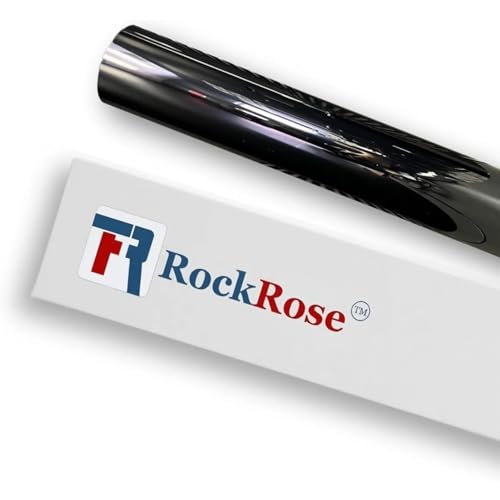
- Superior Sun Protection: RockRose Carbon Auto Tint is a Premium Tint that blocks...
- Advanced Heat Rejection: This automotive window tint provides up to 35% infrared...
- Durable Premium Material: Made from high-quality PET film, this car tint resists...
How do I stop the film from sticking to my fingers while I work?
The oils and moisture on your skin are natural adhesives, and they make the film want to cling to you. I keep a small bowl of baby powder nearby and dust my hands lightly before touching the film. It cuts down on the stickiness without leaving any residue on the film itself.
You can also wear thin nitrile gloves, which I prefer for larger jobs. They keep your hands clean and reduce the static charge that builds up when your skin rubs against the film. Just make sure the gloves are powder-free so they do not leave streaks on the glass.