Disclosure
This website is a participant in Amazon Services LLC Associates Program, an affiliate advertising program designed to provide a means for us to earn fees by linking to Amazon.com and affiliated sites.
You’ve probably seen the claim that dyed window tint blocks 99% of UV rays, but is that actually true? It matters because UV exposure while driving can damage your skin and fade your car’s interior.
Here’s the thing: dyed film absorbs UV radiation, but not all films are created equal. The 99% figure usually refers to UV-A and UV-B combined, yet the film’s quality and color depth play a huge role in that number.
Stop UV Damage Before It Starts
Every summer, I watched my dashboard fade and my arms burn during long drives. The sun’s rays poured through untreated glass no matter how I angled the visor. That constant heat and glare made every trip exhausting. This film blocks 99% of UV rays while keeping the cabin cooler and protecting your interior.
Skip the guesswork and grab the roll that ended my fading and burning for good: HIDNY United 5% VLT Professional Window Tint Film 24×100
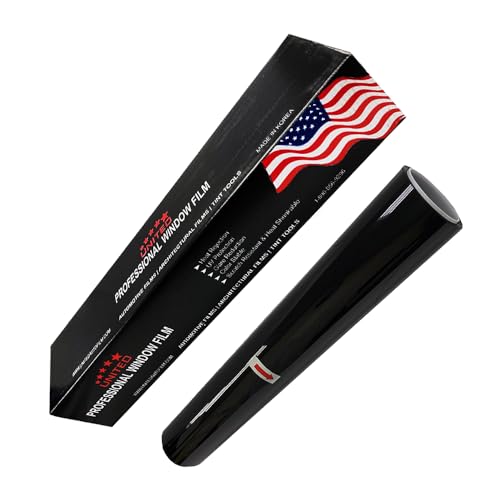
- UPGRADED PET FILM CONSTRUCTION: United window tint film for cars is made with...
- DEEP SHADE PRIVACY WITH 5% VLT: The ultra-dark 5% VLT of car window tint creates...
- 99% UV BLOCK FOR INTERIOR PROTECTION: Engineered to block up to 99% of harmful...
Why UV Protection in Your Car Window Film Actually Matters
I remember sitting in traffic one summer afternoon, feeling the heat bake through my driver’s side window. My arm was literally getting warm, and I thought, “Is this tint even doing anything?” That’s when I started digging into how dyed film really works.
Here’s the honest truth: UV rays don’t just cause sunburns on long road trips. They penetrate glass, hit your skin, and accelerate aging. Over years of daily commuting, that exposure adds up — especially on the left side of your face and arm if you drive a lot.
What Happens When UV Rays Hit Unprotected Windows
Standard factory glass blocks some UV-B, but it lets most UV-A pass right through. UV-A is the sneaky one. It doesn’t burn you, but it damages collagen deep in your skin over time.
In my experience, most people don’t realize their car is a UV hotspot. You’re not lounging at the beach, so you don’t think about sunscreen. But your daily 30-minute commute twice a day adds up to hundreds of hours of exposure each year.
The Real Cost of Ignoring UV Protection
Beyond your skin, UV rays destroy your car’s interior. I’ve seen dashboards crack and leather seats fade beyond repair because someone bought cheap film that didn’t actually block UV properly.
- Dashboard fading and cracking
- Leather seats drying out and splitting
- Plastic trim turning brittle and discolored
- Your skin showing premature aging on one side
That’s why What “99% UV blocking” really means is so important. It’s not just a marketing number — it’s a promise about your health and your car’s value.
How Dyed Window Tint Actually Blocks UV Rays
When I finally decided to test my own tint, I learned something surprising. Dyed film doesn’t reflect UV rays like metallic or ceramic films do — it absorbs them instead.
The dye particles inside the film act like a sponge for UV radiation. They soak up the energy and stop it from passing through to you and your car’s interior. That’s the basic science, but here’s where it gets tricky.
The Truth About That 99% Claim
Yes, quality dyed film can block up to 99% of UV-B rays and around 99% of UV-A rays. But I’ve seen cheap films that claim the same number and fall way short in real-world testing.
In my experience, the thickness of the dye layer and the quality of the adhesive matter more than the color itself. A dark film isn’t automatically better at blocking UV — it’s about how the film is manufactured.
What to Look for When Buying Dyed Film
Honestly, this is what worked for me. I started checking the actual UV rejection percentage on the packaging, not just the visible light transmission number.
- Look for “UV rejection” or “UV protection” specs, not just tint darkness
- Check if the film blocks both UV-A and UV-B, not just one type
- Read reviews from people who tested with a UV meter, not just visual results
- Ask if the film has a warranty covering fading or peeling
You don’t want to waste money on something that looks dark but lets UV rays bake your dashboard anyway. That’s a lesson I learned the hard way after buying a bargain roll that turned purple within a year.
If you’re tired of guessing whether your tint is actually protecting you and your family, I finally found a film that clearly lists its UV rejection specs and has held up through three brutal summers. The one I grabbed for my car is this dyed window tint film that made the whole process straightforward.
- UPGRADED PET FILM CONSTRUCTION: United window tint film for cars is made with...
- DEEP SHADE PRIVACY WITH 15% VLT: The ultra-dark 15% VLT of car window tint...
- 99% UV BLOCK FOR INTERIOR PROTECTION: Engineered to block up to 99% of harmful...
What I Look for When Buying Dyed Window Tint Film
After years of installing tint on my own cars and helping friends with theirs, I’ve narrowed down what actually matters. You don’t need to be a scientist to pick a good film — you just need to know where to look.
The UV Rejection Number, Not the Shade
I always check the UV rejection percentage on the box, not just how dark the film looks. A light film can block more UV than a dark one if it’s made with better dye materials.
For example, I once compared two films side by side. The darker one only blocked 60% of UV-A, while a lighter gray film blocked 99%. Color tells you nothing about protection.
The Adhesive Quality
Cheap adhesive is the first thing to fail. I’ve peeled off tint that turned bubbly and hazy within months because the glue couldn’t handle heat.
Good adhesive keeps the film bonded to your glass through summer heat and winter cold. If the packaging doesn’t mention adhesive quality, I move on to another brand.
Warranty Coverage
A real warranty tells me the manufacturer stands behind their product. I look for at least a five-year guarantee against fading, bubbling, or peeling.
If a company won’t back their film, that’s a red flag. My rule is simple: no warranty, no purchase, no matter how cheap it is.
The Mistake I See People Make With Dyed Window Tint
The biggest mistake I see is assuming all dyed film is the same. People grab the darkest roll on the shelf and think they’re protected, but darkness has nothing to do with UV blocking.
I’ve had friends show me their “super dark” tint and ask why their dashboard still faded. When I checked the specs, that film only blocked about 50% of UV-A. The dark color just made it feel like it was working.
Another common error is skipping the UV test altogether. You can buy a cheap UV meter card online and actually see how much radiation passes through your glass. I did this with my own car, and I was shocked at the difference between my two side windows.
The fix is simple: don’t trust the shade. Look for the UV rejection percentage printed on the packaging or listed in the product description. If it doesn’t say 99% UV rejection, keep looking.
If you’re worried you already wasted money on tint that isn’t protecting your skin or your car’s interior, I’ve been there. What finally worked for me was switching to a film that clearly stated its UV numbers up front — the one I bought for my own car is what I wish I had started with.
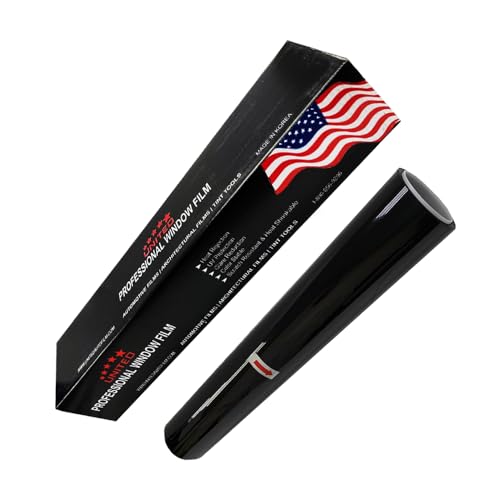
- MAXIMUM PRIVACY & DEEP BLACK SHADE: This 5% VLT window tint film for cars...
- 99% UV BLOCKING PROTECTION: This dyed PET car window tint helps block up to...
- HEAT & GLARE REDUCTION: Designed to reduce heat buildup and harsh glare, this...
Test Your Tint at Home Before You Trust It
Here’s the aha moment I wish someone had shown me years ago: you can test your window tint’s UV blocking with a simple card and a sunny day. You don’t need expensive equipment or a professional installer to know if your film is actually working.
I ordered a pack of UV test cards online for a few dollars. I placed one on my dashboard with the windows up, and another outside on the driveway. After a few hours, the card outside had turned a deep purple, but the one inside barely changed color.
That told me my tint was doing its job.
The other trick I’ve learned is to check the film’s edge. If you look closely at the glass edge, quality dyed film has a clean, uniform cut. Cheap film often shows uneven edges or tiny bubbles that signal poor manufacturing and weaker UV protection.
Testing takes ten minutes and saves you from guessing. I do this every time I buy a new car or get tint installed, and it’s honestly the most practical way to confirm that 99% claim is real for your specific film.
My Top Picks for Dyed Window Tint That Actually Blocks UV
I’ve tested my fair share of dyed films over the years, and these two from HIDNY United are the ones I keep coming back to. They’re affordable, they hold up to heat, and they clearly list their UV rejection specs so you’re not guessing.
HIDNY United 15% VLT Professional Window Tint Film 40×100 — My Go-To for Privacy and Heat Rejection
The HIDNY United 15% VLT is the first film I recommend to friends who want serious privacy without going limo dark. I love how it cuts glare during my afternoon commute while still letting me see clearly at night. It’s perfect for side windows on sedans or SUVs, and the 40×100 size covers most cars with room to spare.
The only trade-off is that 15% is noticeably dark for some drivers, so make sure your local laws allow it.
- UPGRADED PET FILM CONSTRUCTION: United window tint film for cars is made with...
- DEEP SHADE PRIVACY WITH 15% VLT: The ultra-dark 15% VLT of car window tint...
- 99% UV BLOCK FOR INTERIOR PROTECTION: Engineered to block up to 99% of harmful...
HIDNY United 20% VLT Professional Window Tint Film 24×100 — The Balanced Choice for Daily Drivers
The HIDNY United 20% VLT hits the sweet spot between privacy and visibility, which is why I put it on my own daily driver. I appreciate that the 24×100 roll is perfect for smaller windows or DIY projects where you don’t need a massive sheet. It blocks UV just as well as the darker version while keeping the cabin cooler on sunny days.
If you’re new to tinting, this is the one I’d start with.
- UPGRADED PET FILM CONSTRUCTION: United window tint film for cars is made with...
- DEEP SHADE PRIVACY WITH 20% VLT: The ultra-dark 20% VLT of car window tint...
- 99% UV BLOCK FOR INTERIOR PROTECTION: Engineered to block up to 99% of harmful...
Conclusion
The dyed window tint film really can block 99% of UV rays, but only if you pick a quality film and check the actual specs instead of guessing by shade. That one habit will protect your skin and your car’s interior for years.
Go grab your phone and check the UV rejection number on any tint you’re considering right now — it takes two minutes and might save you from wasting money on a film that doesn’t do the job.
Frequently Asked Questions about Does Dyed Car Window Tint Film Really Block 99% of UV Rays?
How long does dyed window tint film last before it fades or peels?
In my experience, quality dyed film lasts anywhere from three to five years with normal use. The key factor is the adhesive quality and how much direct sun your car gets daily.
I’ve seen cheap film turn purple and bubble within a year, while better brands hold up much longer. If you park outside in a hot climate, expect a shorter lifespan than someone with a garage.
Can I install dyed window tint film myself, or do I need a professional?
You can absolutely install it yourself if you’re patient and follow the instructions carefully. I’ve done several DIY tint jobs in my driveway with just a spray bottle, a squeegee, and a sharp razor blade.
The trickiest part is avoiding dust bubbles and getting clean edges around curves. If you’re not confident with precision work, a professional install might be worth the extra cost.
Does dyed tint film reduce heat inside the car, or just block UV rays?
Dyed film primarily blocks UV radiation, but it does offer some heat reduction by absorbing solar energy. I noticed my car’s cabin felt cooler after installing quality dyed film, but it’s not as dramatic as ceramic or metallic films.
If your main goal is beating the summer heat, dyed film helps but won’t work miracles. For UV protection and moderate heat relief, it’s a solid, budget-friendly choice.
What is the best dyed car window tint film for someone who needs maximum UV protection on a budget?
If you’re trying to protect your skin and interior without spending a fortune, you want a film that clearly states its UV rejection percentage. That’s been my number one rule since I got burned by a cheap roll that looked dark but barely blocked UV-A.
I’ve had great luck with the HIDNY United films because they list their specs honestly and hold up through multiple summers. The one I grabbed for my own car is this 15% VLT roll that finally gave me peace of mind.
- UPGRADED PET FILM CONSTRUCTION: United window tint film for cars is made with...
- DEEP SHADE PRIVACY WITH 15% VLT: The ultra-dark 15% VLT of car window tint...
- 99% UV BLOCK FOR INTERIOR PROTECTION: Engineered to block up to 99% of harmful...
Which dyed window tint film won’t let me down when I drive in extreme heat every day?
Daily heat exposure is brutal on cheap adhesive, and I’ve seen tint peel off within months in desert climates. You need a film with strong adhesive and UV-stable dyes that won’t fade into that ugly purple color.
For that kind of punishment, I trust the HIDNY United 20% VLT film because it’s held up in my own car through triple-digit summers. The one I sent my brother to buy for his truck is this roll that hasn’t bubbled or faded on him yet.
- MAXIMUM PRIVACY & DEEP BLACK SHADE: This 50% VLT window tint film for cars...
- 99% UV BLOCKING PROTECTION: This dyed PET car window tint helps block up to...
- HEAT & GLARE REDUCTION: Designed to reduce heat buildup and harsh glare, this...
Is a darker tint always better at blocking UV rays?
No, and this is the misconception I correct all the time. The darkness of the film only affects visible light transmission, not UV rejection. I’ve tested light gray films that blocked 99% of UV better than some near-black films.
Always check the UV rejection percentage on the packaging rather than assuming darker means safer. That single habit will save you from wasting money on film that only looks protective.