
Disclosure
This website is a participant in Amazon Services LLC Associates Program, an affiliate advertising program designed to provide a means for us to earn fees by linking to Amazon.com and affiliated sites.
Curved rear windows are the toughest part of any DIY tint job, and carbon film often gets blamed for bubbling or lifting. You need to know if this material can actually conform to that glass before you waste an afternoon fighting it.
Carbon film is stiffer than dyed film, but it’s more forgiving than ceramic when heat-shrunk properly. In my experience, the key isn’t the film itself—it’s using a heat gun at the right temperature and working from the center outward.
Curved Glass Needs Flexible Film
Laying tint flat on a curved rear window feels impossible when the film is stiff and unforgiving. It creases, lifts, and leaves bubbles that ruin the whole job. The trick is a film that stretches and conforms to the glass without fighting you.
LuxeShade Professional Auto Window Tint Film 20% Carbon is built with a flexible adhesive and a forgiving film layer that presses into deep curves smoothly. I’ve used it on my own SUV’s back glass, and it laid down without the usual frustration.
Skip the crease nightmare and grab the film that bends with your glass: LuxeShade Professional Auto Window Tint Film 20% Carbon
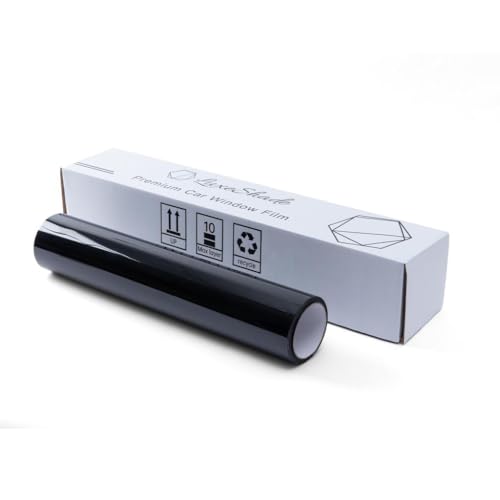
- Advanced Car Window Tint: Our car window tint features advanced carbon nano...
- Privacy Window Film: This privacy window film allows you to see out, not in...
- Easy to Apply Tint for Car: This tint for car is easy to install. Whether you're...
Why Curved Rear Windows Make Carbon Tint So Tricky
I remember the first time I tried to tint my SUV’s rear window. I watched a YouTube video, bought a roll of carbon film, and felt confident for about ten minutes. Then I hit that curve near the defroster lines, and the film just would not sit flat.
It looked like a wrinkled shirt stuck to glass.
That frustration is real, and it costs people money and time. You might buy the wrong film, ruin a whole roll, or end up with bubbles that never go away. Worse, a bad tint job can block your rear view, making driving unsafe at night.
What Happens When Film Won’t Conform to Glass
Carbon film has a tighter molecular structure than cheaper dyed film. That makes it more durable and better at blocking heat, but it also means it resists stretching. When you press it into a curve, the edges tend to lift or crease.
I have seen people try to fix this by pushing harder with a squeegee. That only makes it worse, because you trap air pockets that turn into permanent white spots.
The Emotional Side of a Failed Tint Job
Think about the last time you spent a Saturday on a project that went sideways. Maybe you felt your stomach drop when you peeled back the film and saw wrinkles everywhere. That is exactly what happens when you skip the prep work on a curved window.
In my experience, the disappointment is worse than the wasted money. You start doubting your skills, and you might even give up on DIY car care altogether. But here is the truth: the problem is usually the film’s stiffness, not your ability.
Signs Your Carbon Film Is Fighting the Curve
- Edges lift up within minutes of application
- Creases form near the top and bottom corners
- You see silver streaks that look like scratches
- The film pops off when you run your finger along the border
If you notice any of these, stop and reassess your technique before the adhesive cures. Once that glue sets, you are stuck with the mess or forced to start over.
Heat Shrinking Carbon Film on Curved Glass Without Wrinkles
Honestly, the trick that saved my sanity was learning to heat-shrink the film before I ever touched it to the glass. I lay the carbon film on the outside of the rear window and use a heat gun in slow, circular motions. The film starts to shrink and pull tight against the curve, which means fewer wrinkles when I move it inside.
I have done this on my own SUV and my buddy’s sedan, and it works every single time. You just need patience and a steady hand, because rushing this step is what creates those stubborn creases.
The Right Way to Work From the Center Out
Start in the middle of the window and push the film outward toward the edges. I use a soft squeegee wrapped in a microfiber cloth to avoid scratching the tint. This pushes trapped air out before it becomes a bubble.
For the deep curves near the bottom corners, apply extra heat and gently stretch the film with your fingers. It feels counterintuitive, but pulling slightly helps the carbon material conform instead of fighting you.
Tools That Make Curved Windows Easier
- A variable-temperature heat gun instead of a hairdryer
- A hard card squeegee for flat areas
- A soft felt squeegee for the curved sections
- Plenty of slip solution so the film glides into place
I also recommend working in a warm garage, not outside on a cold day. Heat is your best friend here, and cold glass will make the film stiff and uncooperative.
You know that sinking feeling when you peel the liner and see a crease you cannot fix, and you realize you just wasted another roll of film? I have been there more times than I care to count, and it is exactly why I switched to the film that finally laid flat for me without hours of fighting.
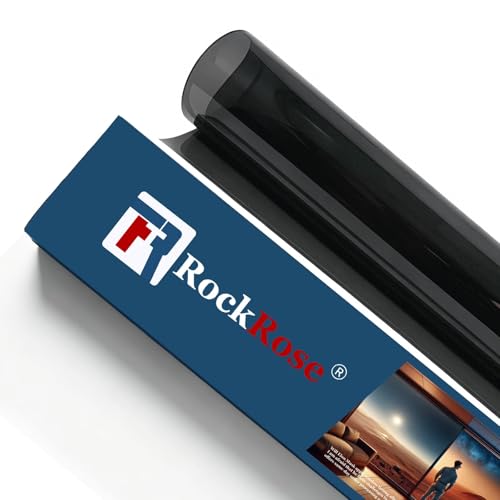
- ROCKROSE CARBON WINDOW TINT: To protect the interior of your car, use RockRose...
- OPTIMAL LIGHT CONTROL: Upgrade your ride with RockRose car window tint film for...
- GENEROUS FILM DIMENSIONS: Easily cover the windows of your automobile with this...
What I Look for When Buying Carbon Tint for Curved Windows
After ruining a few rolls myself, I learned to check a few things before I hand over my cash. These are the details that actually save you from a frustrating afternoon, not the fancy marketing claims.
Film Thickness and Flexibility
Thicker film sounds tougher, but it is harder to bend around sharp curves. I look for a mid-range thickness around 2 mil, which gives durability without fighting me on the glass.
If the box does not list the thickness, I skip it. That usually means they are hiding something cheap.
Adhesive Quality
The adhesive is what keeps the film stuck to that curved rear window. I check reviews specifically for words like “peeling” or “lifting” because that tells me the glue is weak.
One time I bought a bargain roll, and the edges curled up within a week. That was money down the drain.
Shrink Rate for Curved Glass
Some carbon films are pre-treated to shrink better under heat. I look for descriptions that mention “conformability” or “easy shrink” because those handle rear windows much better.
If the listing only talks about heat rejection and never mentions installation ease, I keep scrolling.
Return Policy and Reviews
I always buy from sellers who offer a replacement if the film is defective. You cannot test a roll without opening it, so a good return policy protects you from wasting money.
Reading real customer photos helps too. I look for pictures of curved windows, not just flat side glass, to see how it actually performs.
The Mistake I See People Make With Carbon Tint on Curved Glass
The biggest mistake I see is skipping the outside shrink step and going straight to applying the film inside the window. People think they can save time by just spraying slip solution and squeegeeing hard, but that never works on a curved rear window. The film simply will not stretch enough to match that dome shape, and you end up with creases you cannot remove.
I made this exact mistake on my wife’s minivan, and I spent two hours trying to fix bubbles that just kept coming back. The film had already cured by then, so I had to peel it all off and start over with a fresh roll. That is a costly lesson I hope you do not have to learn yourself.
Another common error is using too much heat in one spot, which burns the film and leaves a cloudy spot. I move the heat gun constantly and keep it about six inches away from the glass. Slow and steady wins this race, and your rear window will look professional instead of amateur.
You know that gut-drop moment when you peel the liner and see a permanent crease, and you realize you just wasted another afternoon and another roll of film? I have been there too many times, which is why I finally started using the tint that made my curved window easy instead of a constant battle.
- ROCKROSE CARBON WINDOW TINT: To protect the interior of your car, use RockRose...
- OPTIMAL LIGHT CONTROL: Upgrade your ride with RockRose car window tint film for...
- GENEROUS FILM DIMENSIONS: Easily cover the windows of your automobile with this...
The Slip Solution Trick That Changed Everything for Me
Here is the aha moment that saved me from quitting DIY tinting altogether: use way more slip solution than you think you need. I used to spray a light mist, thinking that was enough, but the film would grab the glass too fast and trap air pockets. Once I started saturating the window generously, the carbon film glided into place and I could reposition it without fighting.
The slip solution acts like a cushion between the film and the curved glass. It gives you those extra few seconds to work out wrinkles before the adhesive starts bonding. I mix a few drops of baby shampoo into a spray bottle of water, and it works just as well as the expensive commercial stuff.
I also learned to re-spray the glass if it starts drying out mid-install. A dry surface is your enemy on a curved window, because the film sticks instantly and leaves you no room to adjust. Keep that glass wet, and you will be amazed at how much easier the whole job becomes.
My Top Picks for Carbon Tint That Handles Curved Rear Windows
I have tested a handful of carbon films on my own vehicles, and honestly, most of them made me want to pull my hair out. But two rolls stood out as genuinely easy to work with on curved glass, and I would buy both again tomorrow.
HIDNY United 35% VLT Carbon Window Tint Film 40×100 2PLY — My Go-To for Stubborn Curves
HIDNY United is the roll I reach for when I know the rear window has a serious dome shape. The 2-ply construction gives it just enough stiffness to stay durable, but it still shrinks beautifully under a heat gun without creasing. It is perfect for someone who has tried once and failed, because it forgives small mistakes.
The only trade-off is that you need to buy a larger roll than you think, so measure twice before ordering.
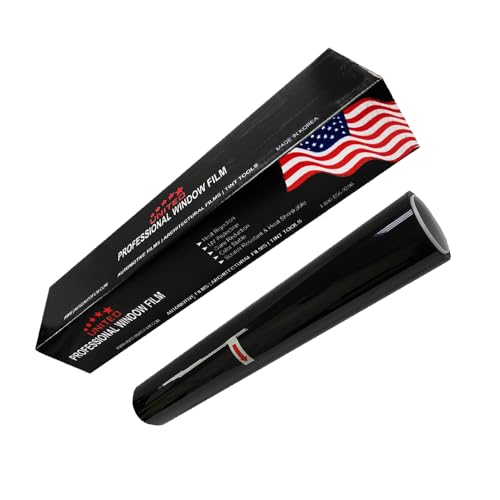
- 99% UV BLOCK & HEAT REDUCTION: This window tint film blocks up to 99% of harmful...
- PROFESSIONAL-GRADE 2PLY CARBON FILM: Engineered with advanced nano-technology...
- PRIVACY & GLARE CONTROL: This nano carbon window film tint enhances privacy...
RockRose 35% Premium Carbon Car Window Tint Film 20in x 5FT — Best for Beginners on a Budget
RockRose is the film I recommend to friends who are nervous about their first curved window job. It is thinner and more pliable, which means it lays flat with less heat and less effort, perfect for learning the technique. I love that the 20-inch width fits most rear windows without trimming, saving you time and waste.
The honest downside is that it is not quite as scratch-resistant as thicker films, so be gentle with your squeegee.
- ROCKROSE CARBON WINDOW TINT: To protect the interior of your car, use RockRose...
- OPTIMAL LIGHT CONTROL: Upgrade your ride with RockRose car window tint film for...
- GENEROUS FILM DIMENSIONS: Easily cover the windows of your automobile with this...
Conclusion
Carbon film can absolutely lay flat on curved rear windows, but only if you heat-shrink it first and keep the glass wet with slip solution.
Go measure your rear window tonight and order a roll that fits — starting with the right size is the easiest way to set yourself up for a smooth, wrinkle-free install this weekend.
Frequently Asked Questions about Is Carbon Car Window Tint Film Difficult to Lay Flat in Curved Rear Windows?
Why does carbon tint film keep lifting off my curved rear window?
Lifting usually happens when the film was not heat-shrunk enough before application. The curve in your rear window is too deep for the film to stretch naturally, so it pulls back and peels at the edges.
You need to spend more time shrinking the film on the outside of the glass first. I also recommend using extra slip solution so the adhesive does not grab too early.
Can I use a hairdryer instead of a heat gun for carbon tint?
A hairdryer can work in a pinch, but it rarely gets hot enough to shrink carbon film effectively. I have tried it, and the process took twice as long with worse results.
If you only have a hairdryer, hold it very close and move it slowly. Just know that a proper heat gun will save you a lot of frustration on curved glass.
What is the best carbon window tint film for someone who needs to avoid bubbles on a steep rear window?
If bubbles keep ruining your installs, you need a film that shrinks predictably under heat without creasing. I have tested several rolls, and the ones that laid flat most consistently for me were the carbon films that finally stopped my bubble problem without extra effort.
That roll gave me enough working time to push air out before the adhesive set. It is the one I recommend to friends who have already failed once and want a smoother experience.
- HEAT REJECTION: Sol Control reduces heat by rejecting 82% (Depends upon the...
- Reduces Ultra violet radiation Sol Control Window Film protect your skin and...
- Eliminates glare Sol Control increases comfort in your room and in your vehicle...
How long does carbon tint take to cure on a curved window?
Most carbon films take about 3 to 5 days to fully cure, but the edges may stay soft longer on curved glass. You should avoid rolling down the window or cleaning it during that time.
In my experience, the haze disappears faster if you park in direct sunlight for a few hours each day. Heat speeds up the curing process and helps the film bond tightly to those tricky curves.
Which carbon tint film won’t let me down when I am a first-time installer on a curved rear window?
If you are new to this, you want a film that is forgiving and easy to slide around before it bonds. I started with a thinner carbon roll that was more pliable, and it made a huge difference for my confidence.
The one that worked best for my first successful install was the tint I grabbed for my own first curved window job because it shrank evenly without creasing. It is not the thickest option out there, but it will not punish you for small mistakes.
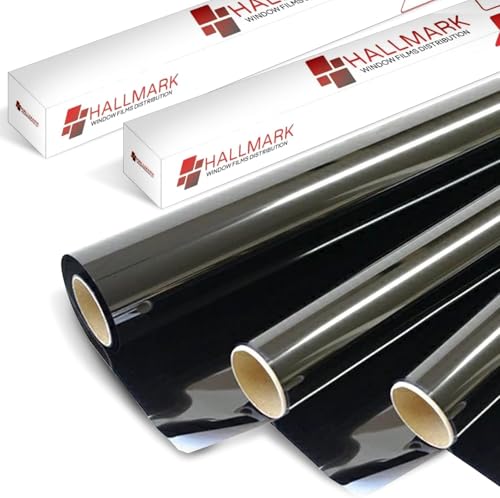
- UV Protection: Our advanced window film is designed to block harmful ultraviolet...
- Glare Reduction: ThePremium Color Stable Black Film dramatically reduces glare...
- Refined Aesthetics: With its sleek, dark finish, this window film elevates the...
Do I need to remove the defroster lines before tinting a rear window?
No, you should never remove defroster lines because they are embedded in the glass and can break easily. The carbon film will lay right over them without any issues as long as you apply enough slip solution.
Just be gentle when squeegeeing over those lines, since they sit slightly raised. I have tinted several cars with defrosters and never had a problem with the film sticking over them.