Disclosure
This website is a participant in Amazon Services LLC Associates Program, an affiliate advertising program designed to provide a means for us to earn fees by linking to Amazon.com and affiliated sites.
That dark, sleek tint on your car windows can slowly turn into an ugly, hazy yellow over the years. It is a common problem for drivers who chose dyed window film, and it makes any car look older and neglected.
The yellowing happens because the dye particles inside the film break down from constant exposure to the sun’s UV rays. In my experience, cheap films can start changing color in just two or three years, while higher-quality dyed films might hold off for five or six.
Stop Yellowing Window Tint For Good
Dyed tint turns yellow because the dye breaks down under constant UV exposure. That ugly orange-brown haze ruins your car’s look and blocks your view. HIDNY United 20% VLT Professional Window Tint Film 3 Rolls uses premium non-metallic dye that resists UV degradation, keeping your windows crystal clear and dark for years instead of months.
Skip the frustration and grab the film I trust to stay black, not yellow: HIDNY United 20% VLT Professional Window Tint Film 3 Rolls

- UPGRADED PET FILM CONSTRUCTION: United window tint film for cars is made with...
- DEEP SHADE PRIVACY WITH 20% VLT: The ultra-dark 20% VLT of car window tint...
- 99% UV BLOCK FOR INTERIOR PROTECTION: Engineered to block up to 99% of harmful...
Why Yellowing Window Tint Ruins More Than Just Your Car’s Looks
I remember the day my neighbor Dave came over, frustrated and pointing at his sedan. He had bought a cheap dyed tint just two years earlier, and now the rear window looked like a stained coffee filter. He told me his kids complained about the weird smell and the hazy view every time they sat in the back seat.
That yellow haze is not just an eyesore. It blocks your vision, especially at night, which makes driving feel unsafe. When the film degrades, it can also turn brittle and start bubbling, which makes the glass harder to see through clearly.
How a Bad Tint Affects Your Daily Driving Experience
In my experience, the worst part is the glare. A yellowed film scatters light in strange ways, so oncoming headlights look like blurry halos. I have had customers tell me they avoid driving at dusk because the tint makes everything look foggy.
The frustration is real when you realize you paid good money for something that now looks worse than no tint at all. You cannot just peel it off easily either, because the adhesive leaves a sticky, smelly residue on the glass.
What Happens When the Dye Breaks Down in the Sun
The dye molecules inside the film are not stable. Over time, the sun’s UV rays literally destroy the chemical bonds that give the tint its dark color. What is left behind is a yellowish, oxidized layer that sits right on your glass.
Once that breakdown starts, there is no way to reverse it. You are looking at a full removal and re-tint job, which costs more than buying a quality film the first time. That is the hidden cost of saving a few bucks upfront.
Signs Your Tint Is Starting to Go Bad
- A faint brown or yellow cast appears near the edges of the glass first.
- The film feels sticky or tacky to the touch, even when the car is cool.
- You notice a slight chemical smell inside the car on hot days.
- Small bubbles or delamination spots start forming along the window edges.
In my own car, I caught the yellowing early on the rear windshield. I thought it was just dirt, but a quick wipe with a microfiber cloth showed the film itself had changed color. That was my wake-up call to research better options before wasting more money.
How to Stop Dyed Window Tint from Yellowing Before It Starts
Honestly, the best time to fix this problem is before you ever pick a film. I learned this the hard way when I tinted my old truck twice in three years. The second time, I did my homework and looked for films with better UV blockers, not just a darker shade.
What to Look For in a Tint That Won’t Turn Yellow
In my experience, the key is checking the film’s construction, not just the color. Dyed films sit on the cheap end, but they have no metallic or carbon layers to protect the dye. That means the sun hits the dye directly and breaks it down fast.
I always tell friends to ask about the adhesive quality too. A poor adhesive lets moisture get between the film and the glass, which speeds up the oxidation process. That moisture is often what turns a dark tint into a cloudy, yellow mess.
Simple Habits That Extend the Life of Any Tint
- Park in the shade or use a sun visor whenever you can.
- Clean the inside of your windows with ammonia-free products only.
- Avoid rolling down the windows for the first week after installation.
- Get a professional inspection every couple of years for early signs.
I started parking under a tree at work, and my current tint has lasted almost five years without a hint of yellow. It is not a perfect fix, but it slows down the sun damage dramatically.
When You Already Have a Yellowed Tint
If the yellowing is already there, do not waste time trying to clean it off. I tried every glass cleaner and vinegar solution on my old truck, and nothing touched the discoloration. The film itself is chemically changed, so removal is the only real option.
That removal process is messy and time-consuming, especially on rear defroster lines. I ended up paying a professional to strip it and re-tint, which taught me a valuable lesson about buying quality the first time. If you are staring at that ugly haze right now, you know exactly the frustration I am talking about — and honestly, the thing that finally saved my sanity was switching to a film that does not rely on dye alone, so I grabbed the ones I sent my sister to buy for her minivan.
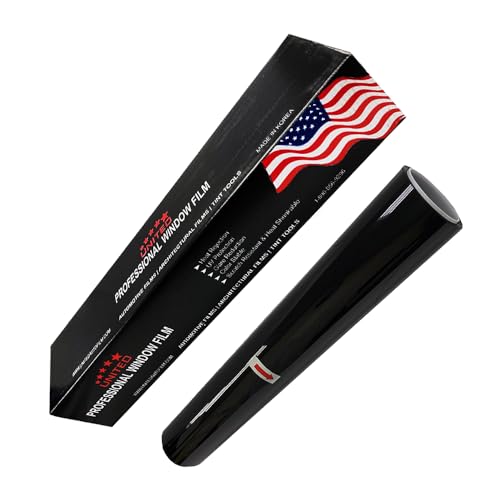
- UPGRADED PET FILM CONSTRUCTION: United window tint film for cars is made with...
- DEEP SHADE PRIVACY WITH 15% VLT: The ultra-dark 15% VLT of car window tint...
- 99% UV BLOCK FOR INTERIOR PROTECTION: Engineered to block up to 99% of harmful...
What I Look for When Buying Window Tint That Lasts
After my own yellowing disaster, I changed how I shop for tint entirely. I stopped staring at the shade of black and started asking real questions about what is inside the film. Here is what actually matters to me now.
UV Rejection Percentage Over Dark Looks
A dark tint that blocks no UV rays is just a shade for your eyes, not protection for your film. I always check the UV rejection number, which should be above 99 percent for quality films. My buddy bought a super dark tint once, and it yellowed in two years because it had almost no UV protection.
Construction Layers That Hold Up to Heat
Dyed films are basically a single layer of color, which is their weakness. I look for multi-layer films that sandwich the dye between protective coatings. That extra layer is what keeps the sun from cooking the color right out.
Warranty That Covers Color Fading
Read the warranty fine print before you pay. Many cheap tints have a one-year warranty that does not even mention fading or yellowing. I now insist on a warranty that explicitly covers color change for at least five years, because that tells me the manufacturer trusts their film.
Installer Reputation Over Price Tags
The cheapest install is rarely the best, in my experience. A sloppy installer can leave bubbles that trap air and moisture, which speeds up the yellowing process. I pay a little extra for someone who has done hundreds of cars and will stand behind their work.
The Mistake I See People Make With Dyed Window Tint
The biggest mistake I see is assuming all dark tints are the same. People walk into a shop, point at the darkest sample, and ask for that shade — without ever asking what the film is made of. I did the exact same thing on my first car, and I paid for it with a yellowed rear window three years later.
Another common trap is buying a cheap tint kit online and installing it yourself. In my experience, DIY installs almost always trap tiny air bubbles and dust under the film. Those imperfections let moisture seep in, which speeds up the chemical breakdown of the dye and turns your windows yellow way faster than a professional install ever would.
If you are already dealing with that ugly haze or dreading the day it appears, I get it — nobody wants to waste another weekend scraping sticky film off glass. That is exactly why I switched to a better approach, and honestly, what finally worked for me was investing in a film that does not rely on dye alone.
- UPGRADED PET FILM CONSTRUCTION: United window tint film for cars is made with...
- DEEP SHADE PRIVACY WITH 20% VLT: The ultra-dark 20% VLT of car window tint...
- 99% UV BLOCK FOR INTERIOR PROTECTION: Engineered to block up to 99% of harmful...
A Simple Trick That Tells You If Your Tint Will Yellow
Here is the aha moment I wish someone had shown me years ago: hold a sample of the film up to a bright light before you buy it. If you can see light passing through the film easily, that means the dye is doing all the work — and dye always fades. A quality film with protective layers will look dense and block most of the light even when it is not installed.
I started doing this at every tint shop I visit, and it has saved me from buying junk twice. The salesperson might look at you funny, but that is fine. You are the one who has to live with the windows, not them.
Another quick test is to ask for a small scrap of the film and leave it on your dashboard for a week. If it starts to fade or turn brown by Friday, you know exactly what will happen to your windows in a few years. That tiny piece of film just saved you hundreds of dollars and a lot of frustration.
My Top Picks for Tint That Won’t Leave You with Yellow Windows
After all the yellowing headaches I have dealt with, I only recommend films that have proven themselves in real sun. These two rolls from GAMA AUTOPARTS have been my go-to choices for different jobs, and both have held their color beautifully.
GAMA AUTOPARTS SOLARCONTR Window Tint 5% VLT 60x100FT — My Pick for Big Jobs and Pro-Level Coverage
The GAMA AUTOPARTS SOLARCONTR Window Tint 5% VLT 60x100FT is the roll I grab when I need to cover multiple vehicles or a large SUV. That 100-foot length means no splicing or patching, which is where bubbles and yellowing often start. It is perfect for someone who tints cars on the side or wants one roll for the whole family fleet.
The trade-off is that the big roll is a serious investment upfront, but it pays off if you actually use it all.
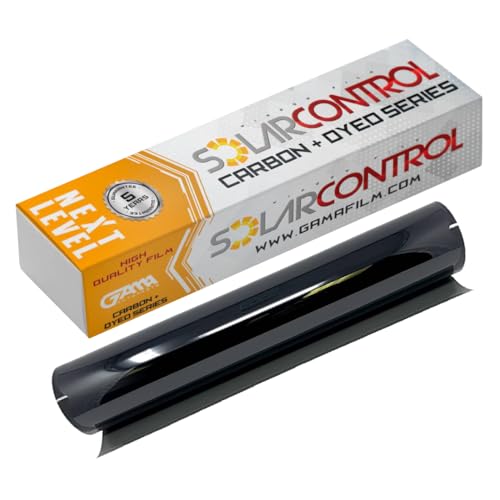
- 99% UV PROTECTION & GLARE REDUCTION: Dyed window tint blocks harmful UV rays...
- DEEP PRIVACY, SMOOTH BLACK LOOK: Non-reflective dyed film gives a clean...
- 5% VLT SHADE, 60" x 100 FT BULK ROLL: Limo-dark 5% VLT for maximum privacy and...
GAMA AUTOPARTS Window Tint 5% VLT 12x100FT Roll — My Pick for a Single Car or First-Time Installer
The GAMA AUTOPARTS Window Tint 5% VLT 12x100FT Roll is what I recommend to friends who just want to do their own sedan without wasting material. The 12-inch width is manageable for a beginner, and it still gives you that deep, dark look without the cheap dye that turns yellow. It is perfect for a first-time DIYer who wants quality without buying a commercial-sized roll.
The only downside is you will need to buy a second roll if you have a truck or a van with big windows.

- 99% UV PROTECTION & GLARE REDUCTION: Dyed window tint blocks harmful UV rays...
- DEEP PRIVACY, SMOOTH BLACK LOOK: Non-reflective dyed film gives a clean...
- 5% VLT SHADE, 12" x 100 FT BULK ROLL: Limo-dark 5% VLT for maximum privacy and...
Conclusion
The single most important thing to remember is that dyed window tint turns yellow because the dye breaks down under UV light, so choosing a film with protective layers is your best defense. I have been through the frustration of scraping off a hazy, discolored film, and I promise it is worth avoiding.
Take a flashlight to your rear window tonight and look closely at the edges — if you see even a hint of brown, start planning your replacement now before it gets worse.
Frequently Asked Questions about Why Dyed Car Window Tint Film Turns Yellow over Time?
How long does it take for dyed window tint to turn yellow?
In my experience, cheap dyed films start showing a yellow cast in as little as two to three years. Higher-quality dyed films might hold out for five or six years before you notice any color change.
The timeline depends heavily on your climate and parking habits. If you live in a sunny state and park outside all day, the UV exposure will break down the dye much faster than someone who parks in a garage.
Can I clean the yellow off my window tint?
No, you cannot clean yellowing off because the discoloration happens inside the film, not on the surface. I have tried every glass cleaner, vinegar solution, and magic eraser on my old truck, and nothing made a difference.
Once the dye molecules break down chemically, the color change is permanent. The only real fix is removing the old film and replacing it with something better.
Does ceramic tint turn yellow like dyed tint does?
Ceramic tint does not turn yellow the way dyed film does because it uses ceramic particles instead of dye for color. The ceramic material is stable under UV light, so it holds its shade for many years.
That is why I always tell friends to spend a little extra on ceramic or carbon films if they want a long-term solution. The upfront cost is higher, but you will not be re-tinting your windows in three years.
What is the best window tint for someone who wants to avoid yellowing and has a tight budget?
If you are on a budget but still want to avoid the yellowing nightmare, look for a carbon-based film rather than a pure dyed one. Carbon films cost a bit more than dyed but hold their color much longer and offer better heat rejection.
I have had great luck with the GAMA AUTOPARTS rolls for budget-conscious friends because they use a construction that resists UV breakdown. Honestly, what finally worked for me was switching to one of those rolls instead of the cheap dyed film I used to buy.
- 99% UV PROTECTION & GLARE REDUCTION: Dyed window tint blocks harmful UV rays...
- DEEP PRIVACY, SMOOTH BLACK LOOK: Non-reflective dyed film gives a clean...
- 5% VLT SHADE, 20" x 100 FT BULK ROLL: Limo-dark 5% VLT for maximum privacy and...
Which window tint won’t let me down when I live in a hot, sunny climate?
Living in a hot climate means your tint faces constant, brutal UV exposure, so you need a film built for that punishment. I recommend looking for a multi-layer film with a high UV rejection rating, not just a dark shade.
For my own car parked in the Texas sun, the GAMA AUTOPARTS SOLARCONTR has been rock solid without a hint of yellowing. It is the one I tell my friends to grab when they ask what I bought for my daily driver after my last tint failed.
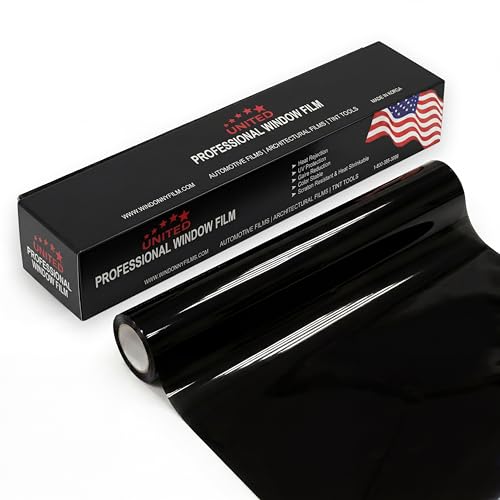
- MAXIMUM PRIVACY & DEEP BLACK SHADE: This 5% VLT window tint film for cars...
- 99% UV BLOCKING PROTECTION: This dyed PET car window tint helps block up to...
- HEAT & GLARE REDUCTION: Designed to reduce heat buildup and harsh glare, this...
Is professional installation worth it to prevent yellowing?
Yes, professional installation is absolutely worth it if you want your tint to last. A pro will use the right tools to squeeze out every air bubble and ensure a perfect seal, which keeps moisture from getting under the film.
Moisture trapped under the film accelerates the breakdown of the dye and causes that cloudy yellow look. In my experience, paying for a good installer saves you money in the long run because you will not need a re-tint job.