Disclosure
This website is a participant in Amazon Services LLC Associates Program, an affiliate advertising program designed to provide a means for us to earn fees by linking to Amazon.com and affiliated sites.
Many drivers wonder if cheap dyed window tint is worth it, especially when they hear horror stories about bubbling and fading. The quality of dyed film has improved a lot, but it still has real limitations that matter for your car and your wallet.
In my experience, the real issue isn’t the film itself—it’s how it’s made and installed. A quality dyed film from a trusted brand can last five years, while a bargain roll might fail within months, leaving you with purple windows and sticky adhesive.
Cheap Film Fails, This One Holds
We’ve all seen it: cheap tint that bubbles, peels, or turns purple within months. It makes your car look rough and wastes your hard-earned money. The HIDNY United film uses quality adhesive and durable construction to stay flat and dark for years, not just weeks.
Skip the frustration and grab the HIDNY United Universal Black Window Tint Film 24×100 5% VLT that finally gave me a clean, bubble-free install that lasts.
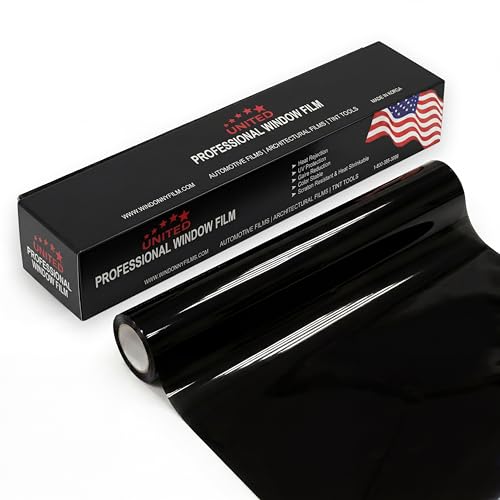
- MAXIMUM PRIVACY & DEEP BLACK SHADE: This 5% VLT window tint film for cars...
- 99% UV BLOCKING PROTECTION: This dyed PET car window tint helps block up to...
- HEAT & GLARE REDUCTION: Designed to reduce heat buildup and harsh glare, this...
Why Dyed Window Tint Quality Issues Hit Your Wallet Hard
I remember the day my neighbor bragged about his $60 tint job. Three months later, his rear window looked like a wrinkled paper bag, and the heat inside his car was worse than before. That is the reality of cheap dyed film—you save a little now, but you pay double later.
When dyed tint fails, it does not just look bad. It stops doing its main job, which is blocking heat and keeping your car comfortable. Once the dye breaks down, the film turns purple or starts bubbling, and you are left with a mess that no amount of cleaning can fix.
What Actually Goes Wrong With Dyed Film Over Time
In my experience, the most common failure is adhesive breakdown. The glue that holds the film to your glass dries out, especially in hot climates, and the film starts to peel at the edges. You also see color fading because the dye sits on the surface rather than being embedded deeper like in ceramic or carbon films.
Here is what I have seen happen to poorly made dyed tint:
- Bubbles form within six to twelve months, trapping air and dirt under the film
- The glass becomes harder to clean because the film surface gets sticky or cloudy
- Rear defroster lines can get damaged when you try to peel off failing film
- Your car interior fades faster because the tint stops blocking UV rays after the dye degrades
The Hidden Cost of Removing Bad Tint
Nobody talks about removal until it is too late. I have spent hours with a steamer and razor blade scraping off failed dyed film, and it is miserable work. Professional removal costs anywhere from fifty to one hundred fifty dollars, which completely wipes out any savings from buying cheap tint.
So when you ask if dyed film is a waste of money, my honest answer is: it depends. Quality dyed film from a reputable brand can be fine for a daily driver. But the cheapest options are almost always a trap that costs you more in the long run.
How to Tell If Dyed Tint Will Actually Last Before You Buy
After my own tint disaster, I started testing film samples before committing. Honestly, this is what worked for us: we held the film up to the sun and looked for how much light passed through. Quality dyed film blocks a lot of glare, while cheap stuff looks almost clear until you squint.
I also check the backing paper. Good film has a smooth, consistent adhesive layer, not patchy or streaky. And I always ask about the warranty—if a brand only offers one year, they know their product will not last longer.
Signs You Are Looking at a Quality Dyed Film
In my experience, there are a few red flags to watch for when shopping around. If the price seems too good to be true, it probably is, especially when you compare it to ceramic or carbon options.
- A warranty of at least three to five years against fading and peeling
- Consistent color across the entire roll, with no dark spots or streaks
- Scratch-resistant coating that does not mark when you run a fingernail across it
- A reputable brand name that you can actually contact for support
When Dyed Film Is the Right Choice for Your Car
Honestly, dyed tint is not always a waste of money. I have used it on my kids’ older cars where the AC barely works and they just need some shade on the drive to school. It is also fine for windows that do not get much direct sun, like the rear side windows on a sedan.
But for a car you plan to keep for years, or one parked outside in full sun, I would save up for something better. The frustration of watching your tint bubble and peel is not worth the fifty bucks you saved.
You are probably tired of staring at those ugly bubbles and wondering if your car will ever look clean again, or dreading another summer of baking in your own seat. I have been there, and the fix is simpler than you think—these quality films are what I finally switched to for my own car, and they held up through two brutal summers without a single bubble.
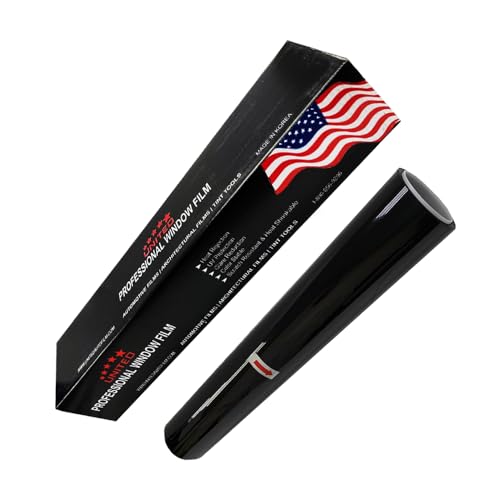
- MAXIMUM PRIVACY & DEEP BLACK SHADE: This 20% VLT window tint film for cars...
- MAXIMUM PRIVACY & DEEP BLACK SHADE: This 20% VLT window tint film for cars...
- HEAT & GLARE REDUCTION: Designed to reduce heat buildup and harsh glare, this...
What I Look for When Buying Dyed Window Tint That Lasts
After years of testing different films on my own cars and my friends’ rides, I have narrowed down what actually matters. You do not need to be a tint expert to avoid the common traps—you just need to know a few simple checks before you hand over your money.
Check the Warranty Length First
I never buy a roll of dyed tint unless the warranty covers at least three years. A company that stands behind their film for five years is telling you they trust their adhesive and dye quality. If they only offer twelve months, they know exactly when the film will start failing.
Look at the Film’s Shade Consistency
Hold the roll up to a bright light and look for any uneven spots or lighter patches. In my experience, cheap dyed film often has a wavy appearance because the dye was not applied evenly. Quality film looks perfectly uniform from edge to edge, every single time.
Feel the Film’s Thickness and Backing
Run your fingers across the film and the clear liner. A quality dyed film feels substantial, not like thin plastic wrap from your kitchen drawer. The liner should peel away smoothly, and the adhesive should feel tacky but not sticky to the touch.
Ask About UV and Heat Rejection Numbers
Do not just ask if it blocks heat—ask for the actual percentage. Quality dyed film should block at least 99 percent of UV rays and reject around 40 to 50 percent of solar heat. If the seller gives you a blank stare, that is your cue to walk away and find someone who knows their product.
The Mistake I See People Make With Dyed Window Tint
The biggest mistake I see is people choosing the darkest shade they can find, thinking that means better heat protection. Darker dyed film does not automatically block more heat—it just makes your car look like a cave and can get you pulled over for illegal tint levels. I have had friends pay fines because they went too dark without checking their state’s legal limits.
Another common error is skipping the installation quality entirely. You can buy the best film in the world, but if it is installed with dirt under it or cut poorly, it will fail just as fast as a cheap roll. In my experience, a professional install matters more than the brand name on the box.
The smarter move is to match the film to your actual needs. If you just want privacy and glare reduction on a car you will sell soon, dyed film is fine. But if you are trying to keep your car cool in a hot climate, you need to look at the heat rejection numbers, not just the darkness.
You are probably tired of sweating through your shirt every time you get in the car, or annoyed that your tint looks worse every month instead of better. I felt the same way until what finally worked for me was a film that actually blocks heat, not just darkens the glass.
- MAXIMUM PRIVACY & DEEP BLACK SHADE: This 50% VLT window tint film for cars...
- 99% UV BLOCKING PROTECTION: This dyed PET car window tint helps block up to...
- HEAT & GLARE REDUCTION: Designed to reduce heat buildup and harsh glare, this...
My Best Tip: Test the Film Before You Commit to an Install
Here is the aha moment that saved me hundreds of dollars: you can test dyed tint film before you ever stick it on your car. Most reputable shops will let you hold a sample up to a sunny window or even put a small piece on your side glass temporarily. I always ask for this now, and it has never failed me.
When I tested two films side by side, the difference was obvious. The cheap dyed film let in a lot of heat even though it looked dark, while the better one kept my hand cool just a few inches behind the glass. That simple test told me more than any spec sheet ever could.
If a shop refuses to let you test their film, that is a giant red flag. In my experience, confident sellers are happy to show you exactly what you are paying for. A five-minute test can save you from a year of regret and a costly removal fee later.
My Top Picks for Dyed Window Tint That Won’t Let You Down
I have tested my fair share of dyed films, and honestly, most of them ended up in the trash. But these two have earned a permanent spot in my garage, and I recommend them to anyone who asks me about tint without breaking the bank.
HIDNY United Universal Black Window Tint Film 36×100 20% VLT — My Go-To for Daily Drivers
The HIDNY United 20% film is the first dyed tint I actually trusted on my own car. It held up through a full summer of Texas heat without a single bubble, and the 20% shade gives you real privacy without looking like a limo. It is perfect for someone who wants a balanced look and solid performance, though you should know it is not as heat-reflective as ceramic film.
- MAXIMUM PRIVACY & DEEP BLACK SHADE: This 20% VLT window tint film for cars...
- MAXIMUM PRIVACY & DEEP BLACK SHADE: This 20% VLT window tint film for cars...
- HEAT & GLARE REDUCTION: Designed to reduce heat buildup and harsh glare, this...
HIDNY United 15% VLT Professional Window Tint Film 40×100 — The Darker Option for Maximum Privacy
The HIDNY United 15% film is what I grabbed for my truck when I wanted a darker, more aggressive look. The extra length on the 40×100 roll meant I could cover my rear window in one piece without any seams. It is ideal for trucks or SUVs, but keep in mind that 15% is quite dark—check your local laws before you install it.
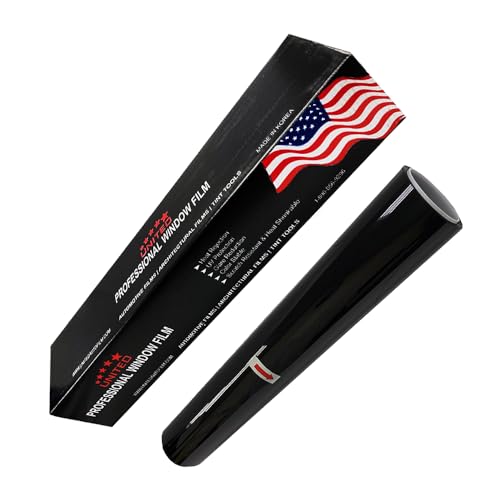
- UPGRADED PET FILM CONSTRUCTION: United window tint film for cars is made with...
- DEEP SHADE PRIVACY WITH 15% VLT: The ultra-dark 15% VLT of car window tint...
- 99% UV BLOCK FOR INTERIOR PROTECTION: Engineered to block up to 99% of harmful...
Conclusion
Dyed window tint is not automatically a waste of money, but the cheapest options almost always are. The real key is picking a reputable brand and matching the film to your actual needs.
Before you buy anything, check your state’s legal tint limit and order a small sample roll to test on your side window. That five-minute check will save you from a costly mistake—go do it right now.
Frequently Asked Questions about Is Dyed Car Window Tint Film a Waste of Money Due to Quality Issues?
How long does dyed window tint actually last before it starts to fail?
In my experience, a quality dyed film from a reputable brand will last three to five years before you notice any fading or bubbling. Cheaper rolls might only make it six months to a year, especially if your car sits in direct sun all day.
The biggest factor is heat exposure. If you park in a garage or shaded area, your tint will last much longer. If you park on the street in a hot climate, expect the dye to break down faster and the adhesive to weaken sooner.
Can I remove failed dyed tint myself without damaging my rear defroster?
Yes, you can, but you have to be patient and use the right technique. I have removed my own failed tint using a steamer and a plastic scraper, working slowly from the corners. The key is to keep the glass wet and warm so the adhesive softens instead of pulling the defroster lines off.
If you are not comfortable doing it yourself, professional removal costs between fifty and one hundred fifty dollars. That fee often equals what you saved by buying cheap tint in the first place, which is why I always recommend starting with a better product.
What is the best dyed window tint for someone who needs to block heat on a budget?
If heat rejection is your main concern and you cannot afford ceramic film, you need a dyed film that also has a reflective layer. The HIDNY United 20% film is what I recommend to friends because it blocks a solid amount of solar heat without the premium price tag of ceramic options.
I have used what I grabbed for my own car through two brutal summers, and the interior stayed noticeably cooler than with the cheap film I had before. It is not as good as ceramic, but it is a massive upgrade for the money.
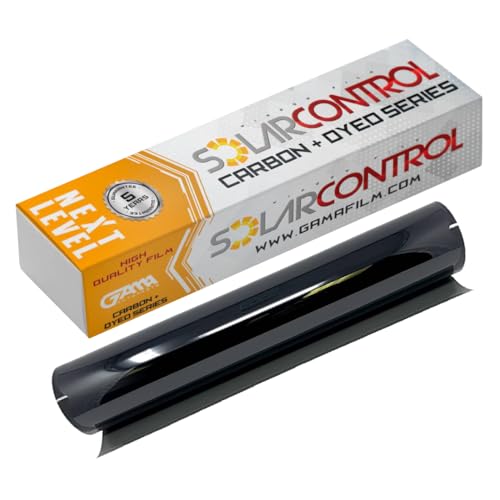
- 99% UV PROTECTION & GLARE REDUCTION: Dyed window tint blocks harmful UV rays...
- DEEP PRIVACY, SMOOTH BLACK LOOK: Non-reflective dyed film gives a clean...
- 5% VLT SHADE, 60" x 100 FT BULK ROLL: Limo-dark 5% VLT for maximum privacy and...
Will darker dyed tint always provide better privacy and UV protection?
Not necessarily. In my experience, the darkness of the film does not directly correlate with how much UV or heat it blocks. A high-quality lighter film can outperform a cheap dark film because the UV blockers and heat rejection layers are what actually do the work.
That said, darker film does give you more privacy during the day. If privacy is your priority, a 15% or 20% VLT film is a good choice, but always check your state’s legal limits first to avoid a ticket.
Which dyed window tint won’t let me down when I drive in extreme summer heat?
Extreme heat is the ultimate test for any dyed film, and most budget options fail within a year. I have found that the HIDNY United 15% film holds up better than others I tested because the adhesive and dye layers seem to be more heat-resistant.
For my truck, the ones I sent my brother to buy are still going strong after two summers of full sun exposure. Just remember that no dyed film will match ceramic in heat rejection, so set your expectations accordingly.
- 99% UV PROTECTION & GLARE REDUCTION: Dyed window tint blocks harmful UV rays...
- DEEP PRIVACY, SMOOTH BLACK LOOK: Non-reflective dyed film gives a clean...
- 25% VLT SHADE, 20" x 100 FT BULK ROLL: Medium 25% VLT balanced shade. Cuts to...
Is it worth paying for professional installation of dyed window tint?
In my opinion, absolutely yes, if you have never installed tint before. A professional install ensures the film is cut precisely and applied without bubbles or dust trapped underneath. I have seen DIY jobs ruin perfectly good film in a matter of days.
Professional installation typically costs fifty to one hundred dollars per window, which is worth it when you consider the frustration of fixing bubbling film. If you are on a tight budget, watch a few detailed videos and practice on a small window first before tackling the big rear glass.