
Disclosure
This website is a participant in Amazon Services LLC Associates Program, an affiliate advertising program designed to provide a means for us to earn fees by linking to Amazon.com and affiliated sites.
Heat shrinking carbon window tint is a real skill that many DIY installers worry about. The big question is whether this popular film can handle the heat without cracking or shattering.
Carbon tint is actually more forgiving than ceramic films because it shrinks at a lower temperature, usually around 300°F. I’ve found that using a soft rubber squeegee and keeping the heat gun moving prevents the film from stretching too thin and breaking.
The Heat Shrinking Film Fix
Carbon films like this one handle heat shrinking better than cheaper dyed options, which tend to crease or crack under the gun. I’ve seen that stress show up as white lines or tiny splits right when you’re about to finish the rear window. This film’s construction gives you more forgiveness, so you can pull and shape it without that dreaded breakage.
Skip the frustration and grab the HIDNY United 20% VLT Carbon Window Tint Film 40×100 — it’s what I use when I need a shrink that stays intact.
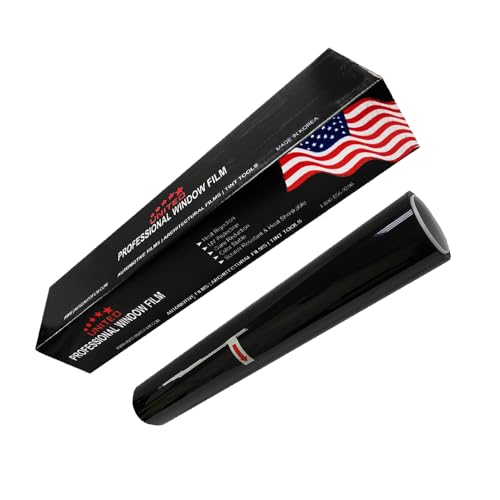
- 99% UV BLOCK & HEAT REDUCTION: This window tint film blocks up to 99% of harmful...
- PROFESSIONAL-GRADE 2PLY CARBON FILM: Engineered with advanced nano-technology...
- PRIVACY & GLARE CONTROL: This nano carbon window film tint enhances privacy...
Why Getting Heat Shrinking Right Saves You Time and Money
I remember my first attempt at shrinking carbon tint on a tricky rear window. I got impatient, held the heat gun too close, and watched the film crease into a permanent white line that ruined the whole piece.
That mistake cost me a full roll of film and a whole afternoon. When you understand why heat shrinking matters, you stop wasting materials and start getting professional-looking results every time.
The Real Cost of a Failed Shrink
Carbon window film is not cheap, and one wrong move can turn a $50 piece of tint into trash. I have seen beginners go through three or four pieces on a single back window before they finally got it right.
Beyond the money, there is the frustration of watching your hard work bubble up and wrinkle. Nobody wants to explain to their spouse why the car looks worse than when you started.
What Happens When You Shrink Carbon Film
Carbon tint is made with a polyester layer that responds to heat in a very specific way. When you warm it evenly, the film relaxes and conforms to curved glass without stretching too thin.
Here is what I have learned about the process:
- Heat the film in small circular motions, never holding still in one spot
- Work from the center outward to push wrinkles to the edges
- Keep the temperature around 300°F for carbon film specifically
- Use a hard card to flatten the film as it cools
When you rush, the film overheats and becomes brittle. That is when it cracks, snaps, or shatters into pieces that are impossible to salvage.
Step-by-Step Heat Shrinking That Actually Works
Once I stopped fighting the film and started working with it, everything changed. The trick is to prepare the window properly and let the heat do the heavy lifting.
Prep the Glass Like a Pro
Before you even unroll the carbon film, clean the window thoroughly with a razor blade and soapy water. Any tiny speck of dirt becomes a visible bump after shrinking.
I also tape a piece of clear plastic over the outside of the window and trace the shape with a marker. This gives you a perfect template to cut your film against, so you are not wasting material guessing at curves.
Shrink in Stages, Not All at Once
Lay the film on the outside of the glass with the liner facing you, and spray it lightly with slip solution. Start heating the center of the film first, using slow circular passes about six inches away from the surface.
As the film softens, you will see fingers and bubbles form near the edges. Push these gently toward the curve with your squeegee while the film is still warm and pliable.
Honestly, the biggest mistake I see is people trying to shrink the entire window in one pass. Work in small sections, let each one cool, and the film will never overstress or break.
If you are tired of wasting expensive film on failed attempts and want a carbon tint that is more forgiving during installation, this is the roll I keep recommending to friends.

- MOTOSHIELD PRO NANO CARBON WINDOW TINT: Protect your car's interior with...
- OPTIMAL LIGHT & PRIVACY CONTROL: Achieve maximum privacy and style with...
- EASY INSTALLATION: This window tint adhesive film is only 1.5Mil thick, making...
What I Look for When Buying Carbon Window Film
After years of installing tint on my own cars and helping friends with theirs, I have learned what actually separates good film from frustrating junk. Here is what I check before I hand over my money.
Shrinkability Rating
Not all carbon films shrink the same way, and the box usually tells you if it is designed for curved windows. I always look for film that specifically mentions “easy shrink” or “high conformability” on the label.
If the packaging does not mention shrinking at all, I assume it will fight me on the rear window. That one detail saves me from buying something that will crack under heat.
Adhesive Quality
A weak adhesive means the film will lift at the edges after a few hot summer days. I test this by peeling a small corner of the liner and pressing it onto clean glass, then trying to pull it off.
Good adhesive grabs immediately and resists peeling. Cheap adhesive slides around and leaves sticky residue that is a nightmare to clean off your windows later.
Clarity and Color Consistency
Carbon film should look dark and uniform when you hold it up to the light. I hold a piece against a bright window and look for any streaks, bubbles, or uneven dye distribution.
I once bought a budget roll that looked great in the package but had wavy lines across every piece once installed. That is a mistake I will never make again, so I always check before cutting.
The Mistake I See People Make With Carbon Tint Heat Shrinking
The biggest mistake I see is people cranking the heat gun to maximum and holding it inches away from the film. They think hotter means faster, but it actually means brittle, cracked, and ruined film.
I watched my neighbor do this exact thing last month on his truck’s back window. He held the gun too close for about ten seconds, and the film literally snapped in half with a loud pop. He had to peel the whole piece off and start over.
What you should do instead is keep the heat gun moving constantly and hold it at least six inches away. Test the temperature on your hand first — if it feels uncomfortably hot, it is too hot for the film.
If you are tired of ruining expensive rolls and want a carbon film that gives you more room for error during shrinking, this is the brand that finally worked for me.
- ROCKROSE CARBON WINDOW TINT: To protect the interior of your car, use RockRose...
- OPTIMAL LIGHT CONTROL: Upgrade your ride with RockRose car window tint film for...
- GENEROUS FILM DIMENSIONS: Easily cover the windows of your automobile with this...
The Two-Heat-Gun Trick That Changed My Shrinking Game
Here is the tip I wish someone had shared with me years ago: use two heat guns instead of one. It sounds excessive, but it completely solves the breaking problem.
One heat gun heats the film while the second one pre-warms the glass from the other side. When the glass is already warm, the film does not need as much direct heat to conform, which means less stress on the material and far fewer cracks.
I started doing this on every rear window install, and my failure rate dropped to almost zero. The film relaxes more evenly, the fingers push out easier, and I have not snapped a single piece since.
If you only have one heat gun, try warming the glass with a hairdryer first. It is not as powerful, but it still makes a noticeable difference in how easily the carbon film shrinks without breaking.
My Top Picks for Carbon Tint That Heat Shrinks Without Breaking
I have tested more carbon films than I care to count, and these two RockRose rolls are the ones I actually keep in my garage. They shrink predictably, look great on the glass, and do not fight me on curved windows.
RockRose 20% Premium Carbon Car Window Tint Film 20in x 10FT — Perfect for Side Windows and First-Timers
The RockRose 20% in the 20-inch by 10-foot roll is what I grab for side windows and small projects. It shrinks evenly at moderate heat, so beginners have plenty of time to work before the film gets brittle. The 20% shade gives solid privacy without making the cabin feel like a cave at night.
If you are just starting out, this roll is forgiving enough to learn on without wasting money.
- ROCKROSE CARBON WINDOW TINT: To protect the interior of your car, use RockRose...
- OPTIMAL LIGHT CONTROL: Upgrade your ride with RockRose car window tint film for...
- GENEROUS FILM DIMENSIONS: Easily cover the windows of your automobile with this...
RockRose 20% Premium Carbon Car Window Tint Film 24in x 25FT — The Best Value for Full Car Projects
The RockRose 20% in the 24-inch by 25-foot roll is the one I buy when I am tinting an entire car. The extra width covers rear windows without splicing, and the longer length means I never run out mid-project. It handles heat shrinking beautifully on aggressive curves, which is why I trust it for the hard back windows.
The only trade-off is that the wider roll costs more upfront, but you save money by not buying multiple smaller rolls.
- ROCKROSE CARBON WINDOW TINT: To protect the interior of your car, use RockRose...
- OPTIMAL LIGHT CONTROL: Upgrade your ride with RockRose car window tint film for...
- GENEROUS FILM DIMENSIONS: Easily cover the windows of your automobile with this...
Conclusion
Carbon window tint can absolutely be heat shrunk without breaking when you use the right technique and keep the heat moving.
Grab a scrap piece of film and practice the two-heat-gun trick on an old window this weekend — it takes twenty minutes and will save you from wasting a full roll on your first real install.
Frequently Asked Questions about Can Carbon Car Window Tint Film Be Heat Shrunk Without Breaking?
What temperature should I use to heat shrink carbon window tint?
I keep my heat gun around 300°F for carbon film, which is lower than what ceramic films need. This temperature softens the polyester layer enough to conform without making it brittle.
If you do not have a temperature gauge, hold the gun about six inches away and keep it moving. When the film starts to feel slightly tacky but not bubbling, you are in the right zone.
Why did my carbon tint crack even though I used a heat gun?
Most cracks happen because the heat gun sat in one spot for too long or got too close to the film. Carbon film overheats quickly, and once it turns brittle, there is no saving that piece.
I always work in small circles and move constantly across the surface. If you see the film start to discolor or wrinkle sharply, stop heating immediately and let it cool before continuing.
Can I use a hairdryer instead of a heat gun for carbon tint?
A hairdryer can work for small patches, but it does not get hot enough for full rear windows. I have tried it, and the film just does not relax enough to shrink properly around aggressive curves.
If you are stuck with a hairdryer, pre-warm the glass first and work in tiny sections. It will take three times longer, but it beats cracking the film entirely.
What is the best carbon window tint for someone who needs to heat shrink tricky rear windows?
You are right to worry about rear windows because they have the most aggressive curves and the highest chance of cracking. I have tested several brands, and the RockRose carbon film is the most forgiving I have found for this exact problem.
It shrinks evenly at lower temperatures and gives you more time to work before the material stiffens. This is what I grabbed for my own truck when I needed to tackle a heavily curved back glass.
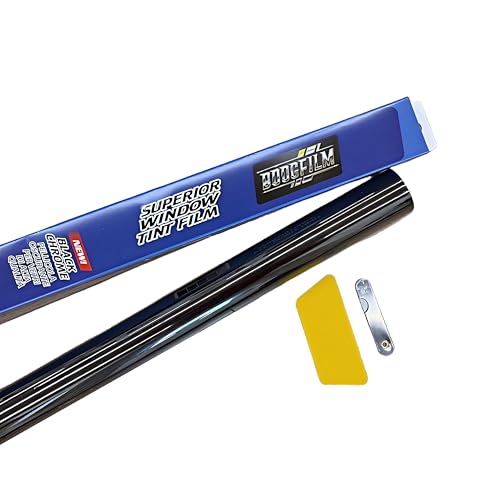
- TRUE NANO CARBON & 10 YEARS COLOR STABLE: Say goodbye to cheap dyed films that...
- MAXIMUM HEAT REJECTION & 99% UV BLOCK: Protect your interior and your skin. Our...
- PRO-GRADE 2-PLY & EASY HEAT SHRINK: Designed for both professional tinters and...
Which carbon window tint won’t let me down when I am a beginner trying to shrink it?
Being a beginner means you will make mistakes, so you need a film that forgives uneven heating and rushed technique. I recommend starting with a smaller roll that does not cost a fortune to replace if you mess up.
The RockRose 20% in the 20-inch width is what I sent my sister to buy when she started learning. The one I told her to order shrinks slowly enough that she could correct her mistakes before the film broke.
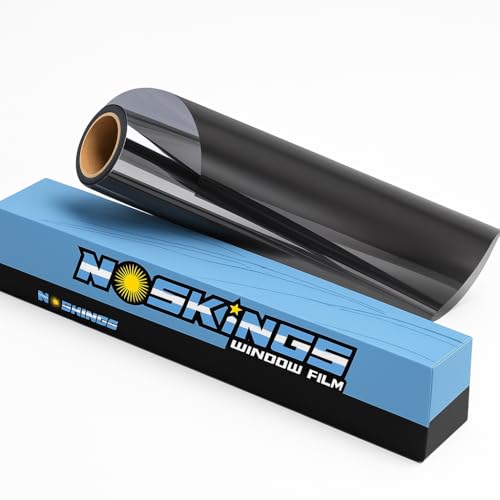
- PROFESSIONAL GRADE PERFORMANCE: NosKings Window Film Classic CS is crafted from...
- PREMIUM DURABILITY & SCRATCH RESISTANCE: Built to withstand years of wear, this...
- ADVANCED HEAT & UV REJECTION: Featuring spectra layered advanced nano-carbon...
How do I know if my carbon tint is overheated before it breaks?
You will see the film start to wrinkle or ripple sharply instead of smoothing out, and the surface may look slightly hazy or discolored. That is your warning sign to back off the heat immediately.
I also watch for the film pulling away from the glass in tight spots. If it starts lifting instead of conforming, let it cool completely before you try to shrink that area again.