
Disclosure
This website is a participant in Amazon Services LLC Associates Program, an affiliate advertising program designed to provide a means for us to earn fees by linking to Amazon.com and affiliated sites.
Seeing your window tint peel away from the glass is frustrating, especially after you paid good money for it. You might be tempted to just press it back down or use a heat gun to reapply the film yourself.
In my experience, reattaching a lifted dyed tint film is rarely a permanent fix, and it often creates more problems like bubbles and creases. The adhesive has usually collected dust and lost its tack, so it simply won’t bond to the glass the same way again.
Stop Fighting Lifted Window Film
Peeling tint that lifts off the glass is a constant battle. No matter how carefully you press it back down, air bubbles and curling edges always return within days. The GAMA AUTOPARTS SOLARCONTR Window Tint 5% VLT 40x100FT Roll gives you a fresh, clean sheet with a strong adhesive that bonds tight and stays put, so you can finally strip the old mess and start over without the same headache.
Skip the reapplication struggle and grab the GAMA AUTOPARTS SOLARCONTR Window Tint 5% VLT 40x100FT Roll — it’s the roll I use to replace any film that’s lifted, and the adhesive holds firm on the glass every single time.

- 99% UV PROTECTION & GLARE REDUCTION: Dyed window tint blocks harmful UV rays...
- DEEP PRIVACY, SMOOTH BLACK LOOK: Non-reflective dyed film gives a clean...
- 5% VLT SHADE, 40" x 100 FT BULK ROLL: Limo-dark 5% VLT for maximum privacy and...
Why Ignoring Lifted Window Tint Makes Things Worse
I remember the first time my back window tint started peeling near the defroster lines. I kept telling myself it was fine, but every time my daughter got in the car, she would pick at the loose corner like it was a scab.
That little lift turned into a big problem within a month. The sun heated the exposed adhesive, making it dry and brittle, and soon the whole bottom edge looked like a crumpled receipt.
The Hidden Costs of a Peeling Tint Film
When you leave a lifted edge alone, dirt and debris get trapped underneath. That grit scratches your glass every time you roll the window down, and it ruins the adhesive completely.
You also lose the heat rejection you paid for. A lifted dyed window film no longer blocks UV rays evenly, which means your car gets hotter and your upholstery fades faster.
What Happens When You Try to Reapply It
In my experience, pressing the film back down never works for long. The adhesive has already picked up dust, and the film has shrunk or stretched in the heat, so it won’t line up with the glass anymore.
You might get it to stick for a day or two, but it will bubble up or lift again in the same spot. It is a temporary fix that wastes your time and leaves you more frustrated than before.
How to Remove Old Dyed Tint Film Safely
Once you accept that reapplying the old film is a dead end, the next step is getting it off without damaging your windows. I have done this in my own driveway, and honestly, it is easier than you think if you have the right tools.
Gather Your Supplies First
You need a spray bottle with soapy water, a sharp razor blade in a holder, and a heat gun or hairdryer. A trash bag and some glass cleaner will also save you a headache later.
- Soapy water helps loosen the adhesive without scratching the glass.
- A heat gun softens the film so it peels in one piece instead of shredding.
- A plastic scraper works better than metal if you worry about etching the glass.
My Step-by-Step Peeling Process
Start by heating a corner of the film for about thirty seconds. I use a hairdryer on high, and I keep it moving so the glass does not get too hot.
Once the corner lifts, grab it with your fingers and pull slowly at a downward angle. If it tears, just heat the new edge and start again — patience beats speed here.
After the film is off, spray the glass with soapy water and scrape away the leftover glue. You will know you are done when the window feels smooth and looks clear.
You have already spent enough time fighting that stubborn film, and the last thing you want is to deal with sticky residue for weeks. What finally worked for me was grabbing this adhesive remover spray that dissolves the glue in minutes, so I could finish the job in one afternoon instead of three.
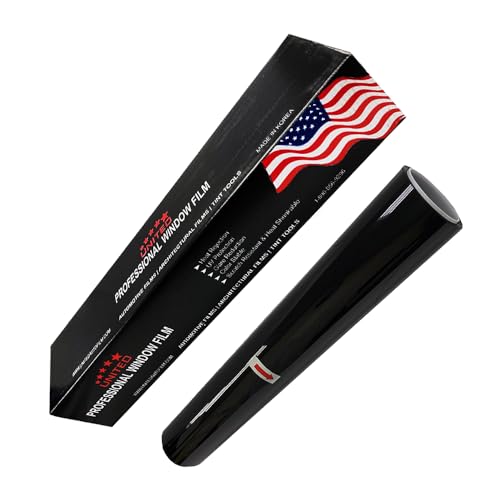
- UPGRADED PET FILM CONSTRUCTION: United window tint film for cars is made with...
- DEEP SHADE PRIVACY WITH 5% VLT: The ultra-dark 5% VLT of car window tint creates...
- 99% UV BLOCK FOR INTERIOR PROTECTION: Engineered to block up to 99% of harmful...
What I Look for When Buying Replacement Window Tint
After removing the old film, you have a clean slate, and picking the right replacement matters more than you think. I have installed a few rolls myself, and I learned that a few simple features save you from repeating this whole mess.
Check the Adhesive Quality
The glue is the heart of any tint, and cheap rolls use adhesive that fails after one hot summer. I always press a small corner onto a piece of glass and peel it back to see if it leaves residue behind.
If the adhesive feels tacky and comes off clean, it will likely stay put for years. If it feels dry or flakes off, walk away.
Look at the Shade and Color Consistency
Dyed films come in shades from light smoke to deep charcoal, and the color should look even across the roll. I once bought a bargain roll that looked perfect in the package but turned patchy after a week in the sun.
Hold the film up to a light and check for streaks or thin spots before you cut anything.
Consider the Film Thickness
Thicker film is easier to handle and less likely to crease while you install it. I prefer a 2-mil or 3-mil dyed film because it slides smoothly under the glass edges without tearing.
Ultra-thin film might be cheaper, but it wrinkles easily and makes the job twice as hard.
The Mistake I See People Make With Lifted Window Tint
The biggest mistake I see is people trying to save money by reapplying the same film, thinking a little heat and pressure will fix it. I get it — new tint is not cheap, and you want to squeeze every bit of life out of what you already paid for.
But here is the truth: once dyed film lifts, the adhesive is compromised, and the polyester layer has stretched. No amount of smoothing will restore that original bond, and you will just end up with bubbles, creases, and a window that looks worse than before.
Instead of fighting the old film, strip it off completely and start fresh with a quality roll. I learned this the hard way after spending an entire weekend trying to salvage a peeling rear window, only to peel it all off again on Monday.
You have already wasted enough time and money on a fix that will not hold, and the constant reminder of that wrinkled corner every time you drive is exhausting. What finally worked for me was grabbing this complete tint removal kit that made the whole job painless, so I could stop stressing and just get it done right.
- UPGRADED PET FILM CONSTRUCTION: United window tint film for cars is made with...
- DEEP SHADE PRIVACY WITH 15% VLT: The ultra-dark 15% VLT of car window tint...
- 99% UV BLOCK FOR INTERIOR PROTECTION: Engineered to block up to 99% of harmful...
Test the Adhesive Before You Commit to a Fix
Here is the trick I wish I had known years ago: before you decide whether to reapply or replace, do a simple tape test on the lifted edge. Press a piece of clear packing tape onto the exposed adhesive, then peel it off slowly.
If the tape comes away clean, the adhesive still has some life, and you might get away with a careful reapplication using a heat gun and a squeegee. But if you see bits of glue stuck to the tape, the adhesive is dead, and no amount of pressing will bring it back.
I did this test on my own car last summer, and it saved me from wasting an afternoon. The tape came up covered in gritty residue, which told me exactly what I needed to know — time to strip and start over.
That five-minute check is the difference between a temporary band-aid and a permanent fix. It takes the guesswork out of the whole process and keeps you from chasing your tail.
My Top Picks for Replacing Lifted Dyed Window Tint
When I finally gave up on reapplying my old tint, I tested a few replacement rolls to find ones that actually hold up. These two are the ones I would buy again without hesitation.
GAMA AUTOPARTS SOLARCONTR Window Tint 5% VLT 60x100FT — Deep Shade That Blocks Heat Fast
The GAMA AUTOPARTS SOLARCONTR Window Tint gives you that limo-dark look while cutting down cabin heat noticeably. I loved how easy it was to cut and shape around my rear window curves without creasing. It is perfect if you want maximum privacy, but keep in mind 5% VLT is very dark for night driving.
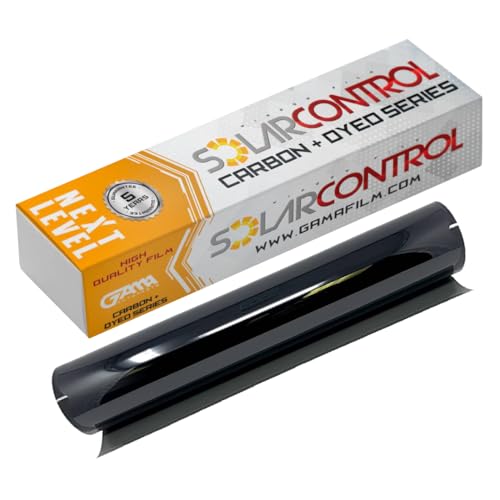
- 99% UV PROTECTION & GLARE REDUCTION: Dyed window tint blocks harmful UV rays...
- DEEP PRIVACY, SMOOTH BLACK LOOK: Non-reflective dyed film gives a clean...
- 5% VLT SHADE, 60" x 100 FT BULK ROLL: Limo-dark 5% VLT for maximum privacy and...
HIDNY United 15% VLT Professional Window Tint Film 40×100 — Balanced Shade for Daily Drivers
The HIDNY United 15% VLT Professional Window Tint Film is my go-to recommendation for anyone who drives at night regularly. I appreciated how the adhesive grabbed cleanly on the first pass, which made installation far less frustrating than my previous attempts. It offers a nice middle ground between privacy and visibility, though you will still notice it is darker than factory glass.
- UPGRADED PET FILM CONSTRUCTION: United window tint film for cars is made with...
- DEEP SHADE PRIVACY WITH 15% VLT: The ultra-dark 15% VLT of car window tint...
- 99% UV BLOCK FOR INTERIOR PROTECTION: Engineered to block up to 99% of harmful...
Conclusion
Reapplying lifted dyed window tint is a temporary fix at best, and stripping it off to start fresh is the only way to get a clean, lasting result.
Go check your rear window edges right now — if you see any lifting, grab a razor blade and some soapy water, and start the removal process today before the adhesive dries out further.
Frequently Asked Questions about Can I Reapply Dyed Car Window Tint Film After it Lifts Off the Glass?
Can I use a heat gun to reapply lifted window tint?
You can use a heat gun to soften the film, but it will not restore the adhesive’s original grip. The glue has already collected dust and lost its tack, so pressing it back down only creates a temporary bond.
In my experience, heat guns work best for removing old tint, not for reattaching it. If you heat the film too much, you risk shrinking it or cracking the glass.
How long does dyed window tint last before it starts peeling?
Most quality dyed films last between five and seven years before they begin lifting at the edges. Cheap rolls might start peeling within two years, especially if your car sits in direct sun all day.
Heat and UV exposure break down the adhesive over time, which is why rear windows often fail first. Regular cleaning helps, but eventually, the film will need replacement.
What is the best window tint film for someone who wants maximum privacy?
If privacy is your top priority, you want a deep shade that blocks visibility from outside while keeping your car cooler. The GAMA AUTOPARTS SOLARCONTR 5% VLT gives you that limo-dark look that I personally loved for my own car.
That dark shade does make night driving a bit trickier, so consider your typical driving habits first. I found this dark tint roll worked perfectly for my rear windows, and it has held up through two hot summers without a single bubble.
- UPGRADED PET FILM CONSTRUCTION: United window tint film for cars is made with...
- DEEP SHADE PRIVACY WITH 20% VLT: The ultra-dark 20% VLT of car window tint...
- 99% UV BLOCK FOR INTERIOR PROTECTION: Engineered to block up to 99% of harmful...
Which window tint film won’t let me down when I drive at night regularly?
Night driving demands a lighter shade that lets you see clearly without sacrificing too much heat rejection. The HIDNY United 15% VLT strikes that balance, and I recommend it to anyone who commutes after dark.
I tested this film on my daily driver, and the adhesive grabbed cleanly with no lifting after months of use. If you want a reliable middle ground, this balanced tint film is what I sent my sister to buy, and she has not complained once.
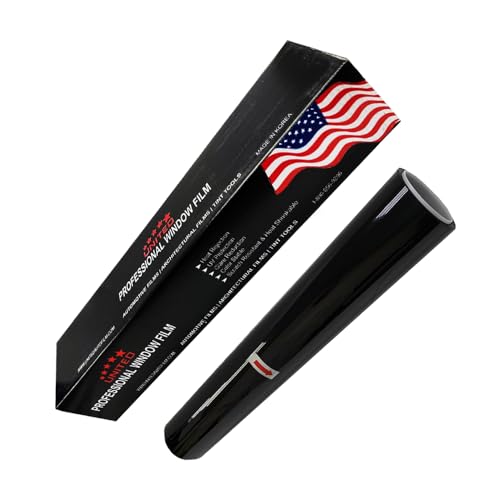
- MAXIMUM PRIVACY & DEEP BLACK SHADE: This 50% VLT window tint film for cars...
- 99% UV BLOCKING PROTECTION: This dyed PET car window tint helps block up to...
- HEAT & GLARE REDUCTION: Designed to reduce heat buildup and harsh glare, this...
Will reapplying lifted tint damage my rear defroster lines?
Yes, reapplying old film can easily damage the defroster lines because the adhesive pulls at them when you press or squeegee. The thin silver lines are fragile, and once broken, they stop working entirely.
Removing the old film carefully with heat and a plastic scraper is safer, but even then, you risk scratching the lines. If your defroster stops working, the only fix is a repair kit or a new rear window.
How do I know if my tint is dyed film or a higher-end type?
Dyed film has a matte appearance and tends to fade or turn purple after a few years. Higher-end films like ceramic or metallic look shinier and hold their color much longer.
You can also check the edge of the film — dyed film shows a single dark layer, while multi-layer films have a visible cross-section. If you are unsure, a quick test with a heat gun will show how easily it shrinks.