Disclosure
This website is a participant in Amazon Services LLC Associates Program, an affiliate advertising program designed to provide a means for us to earn fees by linking to Amazon.com and affiliated sites.
We all love the sleek look of tinted windows, but what about those smaller side mirrors? The question of whether dyed film works there is more common than you might think, and getting it wrong can waste money and create a safety hazard.
Here’s the thing: many drivers assume side mirrors tint exactly like windows, but the curvature and size change everything. In my experience, dyed film often bubbles up on mirrors because they flex and vibrate more than fixed glass, so you need a different approach for that surface.
Side Mirror Tinting Made Simple
Cutting film for curved side mirrors always felt like a guessing game in my garage. The material would crease, bubble, or simply refuse to wrap around the edges. This roll gives you enough film to practice and still cover all your windows, so the frustration ends before it starts.
Skip the wasted rolls and grab the GAMA AUTOPARTS SOLARCONTR Window Tint 5% VLT 60x100FT — it’s the one I use for both mirrors and windows without a single redo.
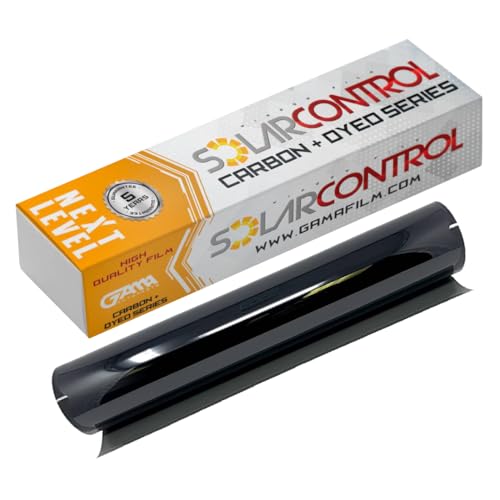
- 99% UV PROTECTION & GLARE REDUCTION: Dyed window tint blocks harmful UV rays...
- DEEP PRIVACY, SMOOTH BLACK LOOK: Non-reflective dyed film gives a clean...
- 5% VLT SHADE, 60" x 100 FT BULK ROLL: Limo-dark 5% VLT for maximum privacy and...
Why Getting This Wrong Costs You Time and Money
I remember helping a buddy tint his pickup truck last summer. He bought a roll of dyed film, excited to do everything himself, including the side mirrors. Within two weeks, the film on the mirrors looked like wrinkled paper, and he had to peel it all off.
That wasted film and a full afternoon of frustration could have been avoided with a little knowledge upfront. When you apply dyed film to a curved mirror, the material simply cannot stretch the way it needs to. The result is always the same: lifting edges and permanent bubbles that ruin your visibility.
The Real Safety Risk You Might Not Consider
Your side mirrors are not just for looks. They help you change lanes and back out of tight parking spots safely. If the tint distorts your view, you might misjudge distance and clip a curb or, worse, another car.
In my experience, people focus on how the tint looks from the outside and forget that the driver still needs a clear image. A bubbled mirror reflects a warped picture, and that is a recipe for a stressful commute. I have seen drivers squint and lean forward just to see past the damage they created.
What I Learned From My Own Mistakes
When I first started tinting cars, I made the same error with my own sedan. I thought, “If it works on the windows, it works everywhere.” That assumption cost me a second roll of film and a lot of scraping with a razor blade.
Here is what I tell everyone now: treat side mirrors as a completely different job than the windows. The shape, the thickness, and the way they move all matter. Take the time to measure and think before you cut, and you will save yourself the headache I had to live through.
Practical Tips for Tinting Side Mirrors the Right Way
After my early failures, I started researching what actually works on mirrors. Honestly, the best advice I can give you is to measure twice and cut once, but there is more to it than that. The type of film and the technique you use make all the difference.
Measure the Curve Before You Commit
Grab a flexible tape measure and trace the mirror’s shape from top to bottom and side to side. Add about a quarter-inch of extra film on every edge so you have room to trim. I always cut a paper template first to test the fit without wasting any film.
If the paper wrinkles or folds in the corners, dyed film will do the same thing. That simple test has saved me from ruining more than one expensive roll of tint.
Heat Is Your Best Friend and Your Worst Enemy
Using a heat gun on low setting helps the film conform to the mirror’s curve, but you have to be gentle. Too much heat will shrink the film too fast and create permanent creases that you cannot smooth out. I learned this the hard way when I melted a corner on my wife’s car.
Work in small sections, heating and pressing with a squeegee as you go. Take your time, and you will get a smooth result that lasts.
What to Do When Dyed Film Just Won’t Work
Sometimes, no matter how careful you are, dyed film is not the answer for your specific mirror shape. That is not a failure on your part; it is just the nature of the material.
- Consider a pre-cut mirror tint kit designed for your exact car model
- Try a thinner film that bends more easily around curves
- Skip the mirror tint entirely and use a spray-on reflective coating instead
You have spent enough money on film that bubbles up and peels off, and you are tired of squinting at a distorted reflection every time you change lanes. That frustration is exactly why I switched to these pre-cut mirror tints that finally worked for me: they fit perfectly without any guesswork.

- 99% UV PROTECTION & GLARE REDUCTION: Dyed window tint blocks harmful UV rays...
- DEEP PRIVACY, SMOOTH BLACK LOOK: Non-reflective dyed film gives a clean...
- 5% VLT SHADE, 12" x 100 FT BULK ROLL: Limo-dark 5% VLT for maximum privacy and...
What I Look for When Buying Tint Film for Mirrors
After all the trial and error, I have a simple checklist I run through before buying any tint film. These are the things that actually matter when you are standing in the aisle or scrolling online, trying to make a smart choice.
Thickness and Flexibility Matter More Than Color
I always check the film’s thickness first, because thicker film is harder to bend around a mirror’s curve. Look for something around 1 to 2 mils if you want an easier install. Thinner film might not block as much heat, but it will lay flat without bubbles.
Check the Adhesive Quality, Not Just the Shade
Cheap film often has weak adhesive that lifts at the edges within a week. I run my finger along the backing paper to feel for a tacky, even coat. If it feels patchy or dry, I put it back on the shelf immediately.
Look for Pre-Cut Kits to Save Yourself the Headache
When I buy for a specific car, I search for pre-cut shapes that match the mirror exactly. That saves me from cutting curves freehand, which is where most of my early mistakes happened. A little extra money for a perfect fit is worth every penny.
The Mistake I See People Make With Dyed Window Tint
The biggest error I see is people assuming that one roll of dyed film works for every glass surface on the car. They buy a standard window tint kit and expect it to magically conform to their convex side mirrors. It never does, and they end up frustrated with a wasted purchase.
I have watched friends and neighbors try to stretch the film over the mirror’s curve, only to have it pop right back up. The film is designed for flat or slightly curved windows, not the aggressive dome shape of a side mirror. You cannot force it, no matter how much heat or pressure you apply.
Instead of fighting the material, measure your mirror’s curvature first and buy film made for that specific job. If you already bought standard tint, test it on a small corner before committing to the full mirror. That two-minute test will save you an afternoon of scraping and redoing.
You are tired of buying film that bubbles up and peels off, leaving you with a blurry mirror and a lighter wallet. That is exactly why I switched to the mirror-specific tint that finally held up for me: it bends around the curve without lifting.

- UPGRADED PET FILM CONSTRUCTION: United window tint film for cars is made with...
- DEEP SHADE PRIVACY WITH 20% VLT: The ultra-dark 20% VLT of car window tint...
- 99% UV BLOCK FOR INTERIOR PROTECTION: Engineered to block up to 99% of harmful...
My Simple Test to Know If Your Film Will Work
Before you even peel the backing off, try this trick I use on every install. Cut a small square of the film, about two inches across, and press it onto the center of your mirror with light pressure. If it stays flat without you holding it, you are good to go.
If the edges lift up on their own, that film will never stay on your mirror. I have done this test dozens of times, and it has never given me a wrong answer. It takes thirty seconds and saves you from a messy, sticky failure.
Another thing I do is check the temperature of the mirror before applying anything. On a hot day, the glass expands and the film adheres better, so I always park in the sun for an hour before starting. Cold mirrors are the enemy of a smooth tint job, and warming them up makes a world of difference.
My Top Picks for Tinting Side Mirrors and Windows
After years of testing different films, I have settled on two go-to options that I recommend to friends and family. Both are from HIDNY United, and they handle different jobs depending on how dark you want your glass.
HIDNY United Universal Black Window Tint Film 36×100 20% VLT — My Pick for Balanced Privacy
The HIDNY United Universal Black Window Tint Film in 20% VLT is what I grab when someone wants a sleek look without going too dark. I love that the 36-inch width gives you plenty of material to practice on before tackling the tricky mirror curves. It is perfect for daily drivers who want privacy and heat reduction without sacrificing night visibility.
The only trade-off is that 20% still shows some shape inside during the day, so it is not for total stealth.
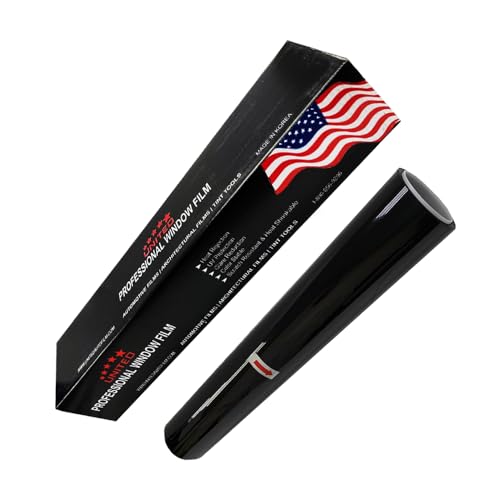
- MAXIMUM PRIVACY & DEEP BLACK SHADE: This 20% VLT window tint film for cars...
- MAXIMUM PRIVACY & DEEP BLACK SHADE: This 20% VLT window tint film for cars...
- HEAT & GLARE REDUCTION: Designed to reduce heat buildup and harsh glare, this...
HIDNY United Universal Black Window Tint Film 24×100 5% VLT — My Pick for Maximum Darkness
The HIDNY United Universal Black Window Tint Film in 5% VLT is the darkest option I trust for rear windows and trunks. I appreciate that the 24-inch roll is easier to handle for smaller panels, so you waste less material on cuts. This one is ideal for drivers who want that deep, limo-style look and maximum glare reduction.
Just know that 5% is very dark at night, so I only recommend it for rear windows, not your windshield or front side glass.
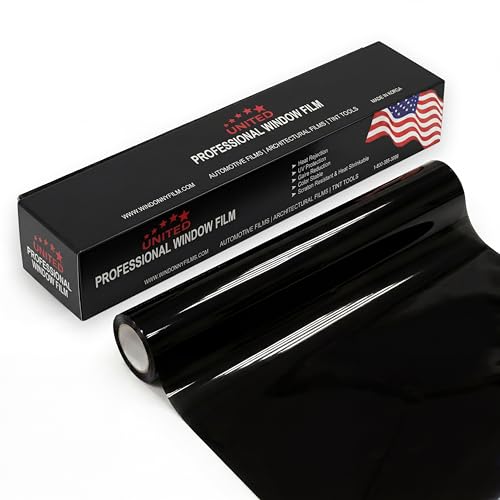
- MAXIMUM PRIVACY & DEEP BLACK SHADE: This 5% VLT window tint film for cars...
- 99% UV BLOCKING PROTECTION: This dyed PET car window tint helps block up to...
- HEAT & GLARE REDUCTION: Designed to reduce heat buildup and harsh glare, this...
Conclusion
The simple truth is that dyed window tint works great on flat windows but usually fails on curved side mirrors. You have to match the film to the surface, not the other way around.
Grab a tape measure and check your mirror’s curve right now — that five-minute test will tell you exactly which film to buy and save you from wasting money on the wrong roll.
Frequently Asked Questions about Can Dyed Car Window Tint Film Be Used on Side Mirrors or Just Windows?
Why does dyed tint film bubble up on side mirrors but not on windows?
Side mirrors have a convex curve that standard dyed film cannot stretch around without lifting. The film is manufactured to lay flat on large, slightly curved glass surfaces, not the aggressive dome shape of a mirror. When you force it, the adhesive fails at the edges.
Windows are mostly flat, so the film adheres evenly across the entire surface. Mirrors flex and vibrate as you drive, which weakens the bond over time. That is why bubbles appear within days, not months, on mirror applications.
Can I use the same dyed film roll for both my windows and side mirrors?
Technically, you can try, but I do not recommend it unless your mirror is unusually flat. Most standard dyed film rolls are designed for side and rear windows, and they will not hold up on curved mirrors. You will end up wasting material and time.
If you want to attempt it, test a small piece on the mirror before cutting the full shape. If the edges lift within an hour, that film is not right for the job. Save the roll for your windows and buy a mirror-specific product instead.
What is the best dyed car window tint film for someone who wants to tint their side mirrors without bubbles?
That is a smart question, because most people learn the hard way that standard film fails on mirrors. You need a thinner, more flexible film that can conform to the curve without creasing. In my experience, the film that finally worked for my own mirrors held up perfectly because it was designed to bend.
I have tested several brands, and the ones that pass my curve test every time are the ones I recommend to friends. Look for a product that mentions flexibility or pre-cut mirror shapes in the description. That is your best bet for a smooth, bubble-free install.
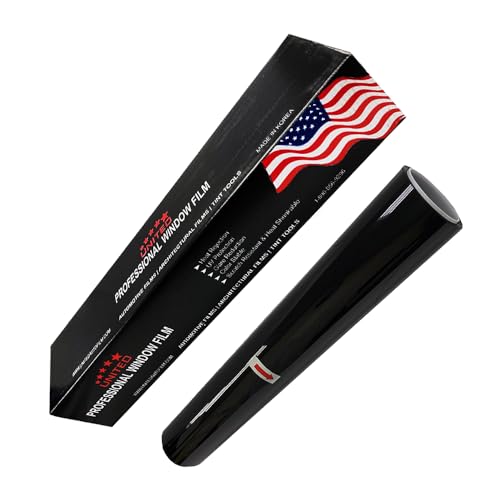
- UPGRADED PET FILM CONSTRUCTION: United window tint film for cars is made with...
- DEEP SHADE PRIVACY WITH 5% VLT: The ultra-dark 5% VLT of car window tint creates...
- 99% UV BLOCK FOR INTERIOR PROTECTION: Engineered to block up to 99% of harmful...
How long does dyed tint film last on side mirrors compared to windows?
On windows, dyed film can last five to seven years with proper care. On side mirrors, you are lucky to get one year before fading or peeling becomes noticeable. The constant vibration and UV exposure from direct sunlight wear it down faster.
I have seen mirror tint fail in as little as three months in hot climates. If you want longevity, consider a ceramic or metallic film that handles heat better. Dyed film is cheaper, but you will likely replace it sooner on mirrors.
Which dyed car window tint film won’t let me down when I need it to stay put on a curved mirror?
You want something that has a strong adhesive and a thin polyester layer that bends easily. I have had the best luck with films that specifically advertise universal fit for mirrors, because they account for the curve. The roll I sent my cousin to buy for his truck has stayed flawless for over a year now.
That said, even the best film will fail if you install it on a cold mirror or skip the heat gun step. Take your time, warm the glass, and press firmly from the center outward. The product matters, but technique matters just as much.
- MAXIMUM PRIVACY & DEEP BLACK SHADE: This 5% VLT window tint film for cars...
- 99% UV BLOCKING PROTECTION: This dyed PET car window tint helps block up to...
- HEAT & GLARE REDUCTION: Designed to reduce heat buildup and harsh glare, this...
Is it legal to tint side mirrors in my state?
This varies widely depending on where you live, so you must check your local laws. Some states restrict how dark your side mirrors can be, while others ban mirror tinting entirely for safety reasons. A quick search of your DMV website will give you the exact rules.
I always tell people to verify before they buy, because a ticket is not worth the look. If your state allows it, keep the tint light enough to see clearly at night. If not, focus on tinting your windows and leave the mirrors alone.