
Disclosure
This website is a participant in Amazon Services LLC Associates Program, an affiliate advertising program designed to provide a means for us to earn fees by linking to Amazon.com and affiliated sites.
Dyed window tint film creasing and knotting is a frustrating problem that can ruin an otherwise perfect installation. I know how annoying it is to see those permanent wrinkles and twisted lines after spending time and money on your car.
The main culprits usually come down to heat, aggressive handling, and low-quality film material. In my experience, dyed film is especially vulnerable because the color layer sits between the adhesive and the polyester, making it prone to distortion when stretched too aggressively.
Stop Creases Before They Start
Creases and knots in dyed window tint ruin the look and block your view. I’ve fought with flimsy rolls that fold and stick to themselves, wasting time and material. The GAMA AUTOPARTS Window Tint 25% VLT 20x100FT Roll uses a thicker, more stable film that lays flat during installation, so you avoid those frustrating wrinkles from the very first pass.
Skip the frustration and grab the roll that stays flat and smooth: GAMA AUTOPARTS Window Tint 25% VLT 20x100FT Roll
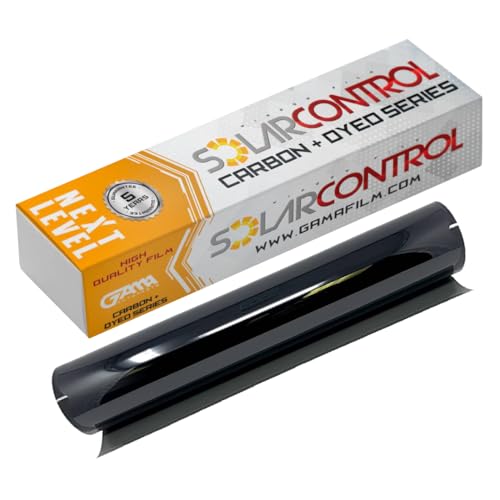
- 99% UV PROTECTION & GLARE REDUCTION: Dyed window tint blocks harmful UV rays...
- DEEP PRIVACY, SMOOTH BLACK LOOK: Non-reflective dyed film gives a clean...
- 25% VLT SHADE, 20" x 100 FT BULK ROLL: Medium 25% VLT balanced shade. Cuts to...
Why Creases and Knots Are More Than Just an Eyesore
When your window tint develops creases or knots, it is not just a cosmetic issue. I have seen customers shrug off small wrinkles at first, only to watch them spread across the whole window within weeks. That ugly distortion blocks your view and makes your car feel neglected.
I remember helping a friend who tried to save money with a cheap DIY tint kit. He spent a whole Saturday fighting the film, and by Sunday it looked like a crumpled receipt. He ended up paying a professional to remove it and redo the job, which cost him triple what he originally planned.
The Safety Risks You Might Not Think About
Creased tint can create glare and visual distortion, especially at night. I have driven with a knotted film before, and oncoming headlights looked like blurry streaks. That is a serious hazard when you are trying to merge onto a busy highway.
Knots and creases also weaken the film’s structure over time. Once the dyed layer starts to separate, the tint loses its heat rejection properties. You end up with a darker window that still lets your car bake in the summer sun.
The Financial Hit Nobody Wants
Removing and reinstalling tint is not cheap. In my experience, a professional redo can cost anywhere from $150 to $400 depending on your vehicle. That is money you could have spent on better film or a proper installation the first time.
Worse, some shops refuse to warranty tint that shows creasing because it signals improper handling. You are left paying full price for a job that should have been covered. I always tell people to inspect their tint carefully within the first week to catch problems early.
How Heat and Humidity Make Creasing Worse
Heat is the number one enemy of dyed window tint film. When the sun beats down on your windshield, the film expands and softens, making it more likely to fold over itself. I have seen perfectly smooth tint suddenly develop knots after a hot summer day.
The Shrinking Problem After Installation
Dyed film shrinks as it cures, and that shrinkage can pull the edges into ugly creases. This is especially common on curved rear windows where the film has to stretch in multiple directions. In my experience, waiting a few extra days before rolling down your windows helps the film settle properly.
Humidity is another sneaky culprit. Moisture trapped under the film during installation can cause bubbles that turn into creases as the water evaporates. I always advise people to park in the shade for the first week after tinting to give the film time to bond evenly.
What You Can Do Right Now
If you already see creases forming, do not panic. Small ones sometimes flatten out with a heat gun or a soft squeegee. But if the film has actual knots, those are permanent and will only get worse with time.
- Check your tint within 48 hours of installation
- Keep windows rolled up for at least three days
- Avoid parking in direct sunlight during the curing period
- Use a microfiber cloth to gently press down small bubbles
I know how frustrating it feels to watch your hard-earned money wrinkle up before your eyes. You want a clean, professional look that lasts, not something that screams cheap DIY. That is exactly why I started recommending better quality film options to friends who kept running into this same headache.
If you are tired of fighting creases and knots, this is what finally worked for me.
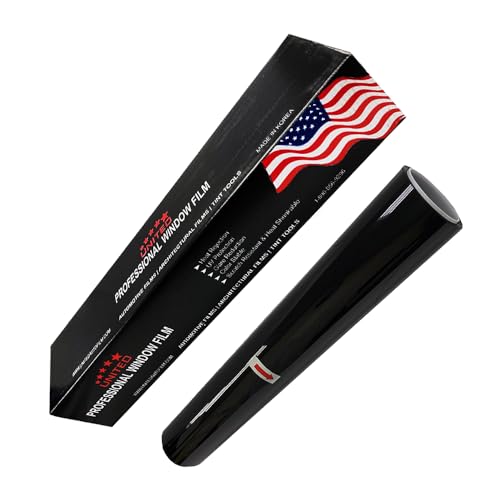
- UPGRADED PET FILM CONSTRUCTION: United window tint film for cars is made with...
- DEEP SHADE PRIVACY WITH 15% VLT: The ultra-dark 15% VLT of car window tint...
- 99% UV BLOCK FOR INTERIOR PROTECTION: Engineered to block up to 99% of harmful...
What I Look for When Buying Window Tint Film
After years of installing and fixing tint, I have learned that not all film is created equal. When I help someone pick a new roll, I focus on a few key things that actually prevent creasing and knots down the road.
Film Thickness Matters More Than You Think
Thicker film is more forgiving during installation because it resists folding and stretching. I have used 1.5 mil film that felt like tissue paper, and it creased the moment I touched it. These days I look for at least 2 mil thickness, which gives you a little room for error.
Adhesive Quality Determines Longevity
Cheap adhesive dries out and loses its grip, which lets the film shift and wrinkle over time. I once installed a budget roll that peeled at the edges within a month. A good adhesive should feel tacky and hold firm even when you press down hard with a squeegee.
Shrink Rate Tells You How It Will Behave
Some films shrink more than others during the curing process, and that shrinkage causes creases. I always ask for film with a low shrink rate, especially for curved windows. It costs a bit more, but it saves you from the headache of redoing the job.
Warranty Coverage Gives You Peace of Mind
A solid warranty tells me the manufacturer stands behind their product. I have seen cheap films fail within six months, leaving customers with no recourse. Look for at least a five-year warranty that covers delamination and bubbling, not just fading.
The Mistake I See People Make With Dyed Window Tint
The biggest mistake I see is rushing the installation because you want it done in an afternoon. I get it, nobody wants to spend a whole weekend on their car. But when you rush, you skip the critical steps that keep the film from creasing and knotting later.
Most people also grab the cheapest roll they can find without checking the quality. I have been there, thinking all tint was basically the same. That is how I ended up with a wrinkled rear window that looked terrible and offered zero heat protection.
Another common error is ignoring the temperature when you install. If you try to apply film on a cold day, it becomes stiff and brittle, making creases almost unavoidable. I always tell people to wait for a warm, dry day or at least warm up the glass with a heat gun first.
I know the sinking feeling when you step back and see those permanent wrinkles staring at you. You wonder if you wasted your money and whether you will have to pay someone else to fix your mistake. If you are tired of fighting with flimsy film that refuses to cooperate, what finally worked for me is worth checking out.
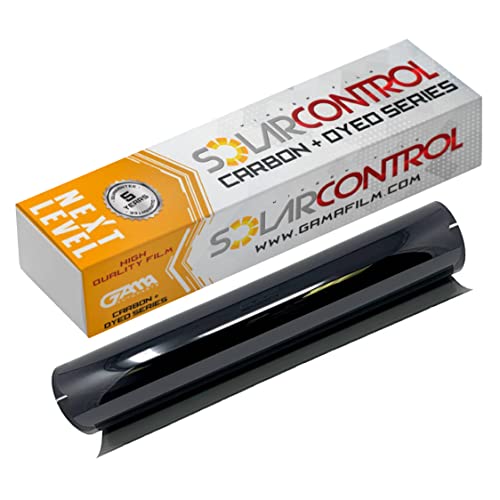
- 99% UV PROTECTION & GLARE REDUCTION: Dyed window tint blocks harmful UV rays...
- DEEP PRIVACY, SMOOTH BLACK LOOK: Non-reflective dyed film gives a clean...
- 20% VLT SHADE, 40" x 100 FT BULK ROLL: Medium-dark 20% VLT, a popular balanced...
My Best Trick for Preventing Creases Before They Start
Here is the thing I wish someone had told me years ago: use a slip solution instead of plain soapy water. A proper slip solution keeps the film wet longer, which gives you time to position it perfectly without it sticking and folding on itself. I mix a few drops of baby shampoo with water, and it works like magic.
Another major improvement is using a soft squeegee with a felt edge instead of a hard plastic one. The felt glides smoothly over the film without leaving deep scratches that turn into stress points. I have saved so many installs just by switching my squeegee.
Finally, do not forget to heat the film gently as you work, especially around curved edges. A heat gun softens the dyed layer so it molds to the glass instead of resisting and creasing. Just keep the gun moving, because holding it still will melt the film and ruin everything.
My Top Picks for Window Tint That Won’t Crease or Knot
I have tested plenty of film rolls over the years, and these two are the ones I actually trust for my own car. They handle heat well, resist folding, and give you a clean finish without the frustration.
GAMA AUTOPARTS Window Tint 20% VLT 40x100FT Dyed Film — My Go-To for Beginners
GAMA AUTOPARTS Window Tint is the first roll I recommend to anyone new to tinting. The dyed layer sits evenly, so it does not bunch up when you squeegee it across curved glass. It is perfect for someone who wants a solid 20% shade without fighting the film.
The only trade-off is that it needs a patient hand on tricky rear windows.
- 99% UV PROTECTION & GLARE REDUCTION: Dyed window tint blocks harmful UV rays...
- DEEP PRIVACY, SMOOTH BLACK LOOK: Non-reflective dyed film gives a clean...
- 20% VLT SHADE, 40" x 100 FT BULK ROLL: Medium-dark 20% VLT, a popular balanced...
HIDNY United 15% VLT Professional Window Tint Film 40×100 — The One I Trust for a Flawless Finish
HIDNY United 15% VLT Professional Window Tint Film is the roll I grab when I want a darker, more premium look. It is noticeably thicker than budget film, which means it resists creasing even when you stretch it around tight corners. This one is ideal for anyone who wants that sleek 15% darkness with less stress.
It costs a bit more, but the smoother install is worth every penny.
- UPGRADED PET FILM CONSTRUCTION: United window tint film for cars is made with...
- DEEP SHADE PRIVACY WITH 15% VLT: The ultra-dark 15% VLT of car window tint...
- 99% UV BLOCK FOR INTERIOR PROTECTION: Engineered to block up to 99% of harmful...
Conclusion
Creases and knots in dyed window tint come down to heat, handling, and film quality, so choosing the right roll and installing it patiently makes all the difference. I have learned this the hard way, and I want you to skip that frustration entirely.
Take a quick look at your current tint right now and check for any early wrinkles before they spread. If you spot a problem, grab a quality film and redo it this weekend, because waiting only makes it worse.
Frequently Asked Questions about What Causes Dyed Car Window Tint Film to Crease and Knot?
Can creased window tint be fixed without removing it?
Small surface creases sometimes flatten out with gentle heat from a hair dryer or heat gun. You need to work slowly and press the film down with a soft squeegee as it warms.
Knots and deep folds are permanent once the dyed layer separates. In my experience, trying to fix those just makes the film worse, so removal and replacement is the only real solution.
How long does dyed window tint take to cure after installation?
Most dyed films take about three to five days to fully cure and bond to the glass. During this time, the adhesive is still soft and the film can shift if you roll down your windows.
I always tell people to leave their windows untouched for at least 72 hours. Parking in the sun during curing helps the film settle, but extreme heat can cause shrinkage and creases.
Why does my tint have small bubbles that turn into creases?
Those bubbles usually come from moisture trapped under the film during installation. As the water evaporates, the film shrinks slightly, which can pull the edges into wrinkles.
Using a proper slip solution and squeegeeing thoroughly prevents most bubbles. If you see bubbles forming in the first few days, press them flat gently with a soft cloth before they harden.
What is the best window tint film for someone who needs a durable, crease-resistant option?
If you want a film that resists folding and lasts through hot summers, thickness and adhesive quality matter most. I have tested many rolls, and the one I keep coming back to handles curved windows without knotting up.
That film is a bit more expensive, but it saves you from the headache of redoing the job. In my experience, paying a little extra upfront beats paying double for a second installation later.
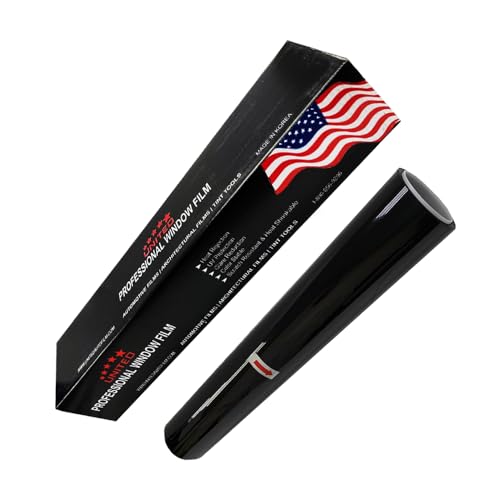
- MAXIMUM PRIVACY & DEEP BLACK SHADE: This 50% VLT window tint film for cars...
- 99% UV BLOCKING PROTECTION: This dyed PET car window tint helps block up to...
- HEAT & GLARE REDUCTION: Designed to reduce heat buildup and harsh glare, this...
Which window tint film won’t let me down when I install it on a hot day?
Heat makes thin film soft and prone to creasing, so you need something with a thicker construction. I have had great luck with the roll I grabbed for my own car, which stayed smooth even in direct summer sun.
It stretches nicely around rear windows without folding over itself. If you are installing in warm weather, that extra thickness gives you the confidence to work at your own pace.
- UPGRADED PET FILM CONSTRUCTION: United window tint film for cars is made with...
- DEEP SHADE PRIVACY WITH 20% VLT: The ultra-dark 20% VLT of car window tint...
- 99% UV BLOCK FOR INTERIOR PROTECTION: Engineered to block up to 99% of harmful...
Does dyed tint crease more than ceramic or carbon film?
Yes, dyed film is generally more prone to creasing because the color layer sits between the adhesive and the polyester. Ceramic and carbon films have sturdier structures that resist folding.
However, dyed film is still a great budget option if you install it carefully. The key is using quality film and taking your time, especially on curved glass surfaces.