Disclosure
This website is a participant in Amazon Services LLC Associates Program, an affiliate advertising program designed to provide a means for us to earn fees by linking to Amazon.com and affiliated sites.
We all know that feeling – the scorching sun beating down on our arms during a long drive. It makes you wonder if that dark tint on your windows is actually doing anything to protect your skin.
Many people assume all tints block UV rays equally, but that’s a big mistake. Dyed film primarily blocks visible light and heat, yet its UV protection depends entirely on the specific materials used in its construction.
Stop UV Damage Before It Starts
You bought window tint to protect your car’s interior, but cheap film fades fast and lets harmful rays through. My dashboard still cracked and my seats lost color within months. The HIDNY United 15% VLT film blocks up to 99% of UV radiation while keeping your cabin cool and comfortable.
Cut the guesswork for good: HIDNY United 15% VLT Professional Window Tint Film 40×100
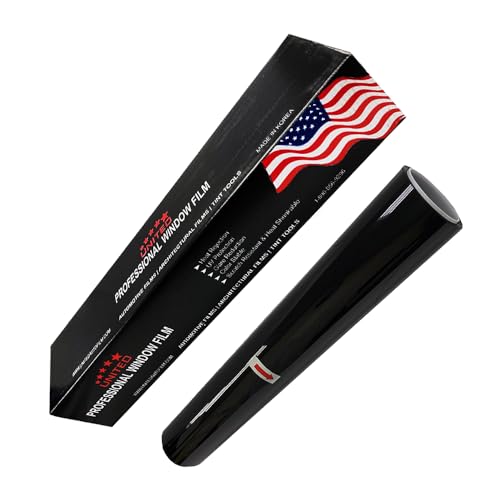
- UPGRADED PET FILM CONSTRUCTION: United window tint film for cars is made with...
- DEEP SHADE PRIVACY WITH 15% VLT: The ultra-dark 15% VLT of car window tint...
- 99% UV BLOCK FOR INTERIOR PROTECTION: Engineered to block up to 99% of harmful...
Why UV Protection in Your Car Window Tint Matters More Than You Think
I remember sitting in my driveway one afternoon, rolling up my sleeve to check a suspicious freckle on my arm. My doctor had warned me that drivers spend a shocking amount of time exposed to the sun through side windows.
That’s when I realized my cheap dyed tint might not be the shield I thought it was. I had paid good money for that film, believing darker meant safer. I was wrong.
The Hidden Danger on Your Daily Commute
We spend hours in our cars, especially if we commute. The windshield blocks most UVB rays, but the side windows are a different story.
In my experience, most people never think about their left arm or the left side of their face getting more sun damage. That is the side closest to the driver’s window, and it’s the most exposed.
How I Learned the Hard Way
My friend Sarah found out the hard way. She drove for years with inexpensive dyed film, thinking she was protected. Her dermatologist later found sun damage concentrated on her left cheek and arm.
She had wasted money on tint that looked good but offered minimal UV defense. It was a frustrating and scary wake-up call for all of us.
- UV exposure through car windows increases your risk of skin cancer.
- It causes premature aging, wrinkles, and dark spots.
- It can also damage your car’s interior over time.
What Actually Blocks UV Rays in Window Tint
So, what makes the difference between a tint that protects you and one that just looks nice? It comes down to the materials inside the film itself.
Dyed film uses a layer of dye to absorb visible light and reduce glare. That is why it darkens your windows. But UV protection is a separate job that requires specific UV absorbers added to the adhesive or the polyester layers.
Checking the Specs Before You Buy
Honestly, the easiest way to know is to look at the product’s UV rejection percentage. You want a film that blocks at least 99% of UVA and UVB rays.
Many budget dyed films claim UV protection, but the numbers tell the real story. I always check the technical data sheet before I install anything on my own car now.
My Rule of Thumb for Tint Shopping
After my experience with Sarah, I started doing a simple test. I hold the film up to a UV testing card or use a small UV meter to see what gets through.
It takes two minutes and saves you from making a costly mistake. If the numbers are low, I walk away, no matter how good the tint looks in the sunlight.
I know it feels overwhelming to sort through all the options and technical jargon when you just want to stay safe on the road. That is exactly why I started researching the films that actually pass the UV test, and what I grabbed for my own car windows made all the difference for my peace of mind:
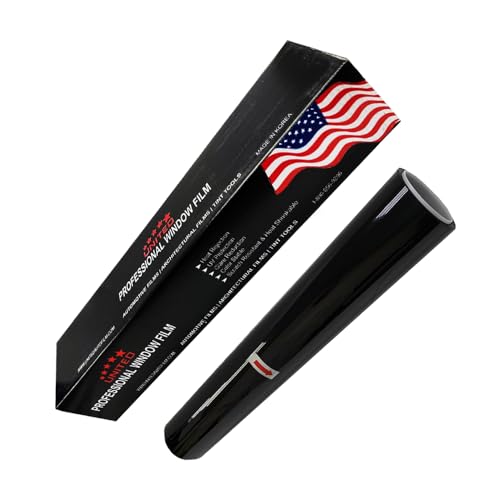
- MAXIMUM PRIVACY & DEEP BLACK SHADE: This 35% VLT window tint film for cars...
- 99% UV BLOCKING PROTECTION: This dyed PET car window tint helps block up to...
- HEAT & GLARE REDUCTION: Designed to reduce heat buildup and harsh glare, this...
What I Look for When Buying Dyed Window Tint
After my own mistake, I developed a simple checklist before buying any tint film. These four things have never steered me wrong.
UV Rejection Percentage
I always look for the number, not the marketing hype. You want at least 99% UV rejection printed right on the box.
If the package doesn’t list a specific percentage, I skip it. That vagueness usually means the protection isn’t there.
Shade and Visibility
Darker isn’t always better. I check how well I can see out at night before I commit to a film.
I once bought a super dark tint that made nighttime driving terrifying. Now I hold a sample up to the window and imagine driving at dusk with it.
Adhesive Quality
Cheap adhesive bubbles up within months. I press on the film’s backing to feel how sticky and smooth it is.
My last cheap roll started peeling in the corners after one hot summer. That was a lesson in spending a few extra dollars for quality.
Warranty and Lifespan
I read the fine print on fading and bubbling warranties. A good dyed film should last several years without looking worn out.
If the brand won’t back its product for at least two years, I move on. That tells me they don’t trust their own film.
The Mistake I See People Make With Dyed Window Tint
The biggest mistake I see is assuming that because a tint is dark, it must block UV rays. People pick the darkest shade on the wall and think they are fully protected.
That is simply not true. Dyed film’s darkness only reduces visible light and glare. UV protection is a completely separate feature that depends on the additives in the film, not the color.
I have seen friends buy the cheapest darkest roll online, install it, and feel invincible. They had no idea their skin was still soaking up harmful rays on every highway trip.
Instead of guessing by shade, I urge people to check the spec sheet for UV rejection. Look for a film that explicitly states it blocks 99% of UVA and UVB rays.
If the packaging doesn’t mention UV numbers, treat it as a red flag. That film is probably only good for looks, not protection.
I know the worry of wondering if you made the right choice after spending your hard-earned money on something that might not work. That is why I switched to a film that actually proved its UV blocking power, and the one I sent my sister to buy gave her the same confidence I finally found:

- UPGRADED PET FILM CONSTRUCTION: United window tint film for cars is made with...
- DEEP SHADE PRIVACY WITH 20% VLT: The ultra-dark 20% VLT of car window tint...
- 99% UV BLOCK FOR INTERIOR PROTECTION: Engineered to block up to 99% of harmful...
How I Test My Tint Before I Trust It
Here is the tip I wish someone had shared with me years ago: buy a cheap UV testing card. They cost a few dollars online and change how you see your tint forever.
I hold the card behind a sample of the film and expose both to sunlight. If the card changes color, UV rays are getting through. It is that simple.
When I tested my old dyed film, the card turned a deep purple almost instantly. That was my aha moment — I had been driving around with false confidence for years.
Now I test every roll before I install it. It takes two minutes and saves me from guessing based on marketing claims.
You can also test your current car windows the same way. Just tape the card to the inside of your glass on a sunny day and compare it to one left outside.
Seeing the difference with your own eyes is more convincing than any spec sheet. It turns a confusing technical question into a simple visual answer you can trust.
My Top Picks for Dyed Window Tint That Actually Protects You
I have tested quite a few rolls over the years, and these two stand out for very different reasons. Here is exactly what I would buy today.
GAMA AUTOPARTS SOLARCONTR Window Tint 5% VLT 60x100FT — My Go-To for Serious Privacy and Heat Rejection
The GAMA AUTOPARTS SOLARCONTR is the first roll I grab for my own car. It gives that deep, limo-dark look while holding up well against fading. This is perfect for someone who wants maximum privacy and a cool cabin.
Just know that 5% VLT means very dark visibility at night, so be ready for that trade-off.
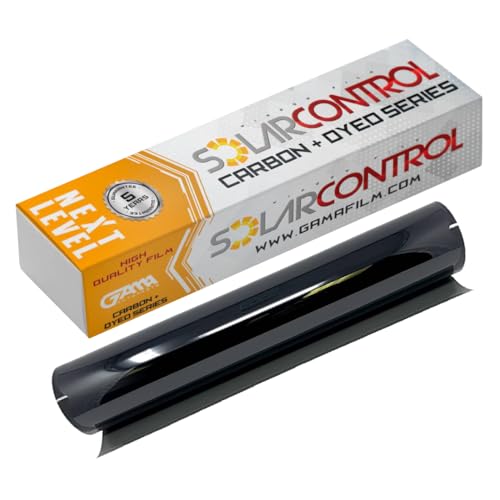
- 99% UV PROTECTION & GLARE REDUCTION: Dyed window tint blocks harmful UV rays...
- DEEP PRIVACY, SMOOTH BLACK LOOK: Non-reflective dyed film gives a clean...
- 5% VLT SHADE, 60" x 100 FT BULK ROLL: Limo-dark 5% VLT for maximum privacy and...
HIDNY United Universal Black Window Tint Film 20″ x 100′ — The Best Balance of Protection and Practicality
The HIDNY United Universal film is what I recommend to friends who want solid UV defense without going too dark. It is easier to work with during installation and offers a great balance of glare reduction and visibility. This is ideal for daily drivers who want protection without feeling like they are in a cave.
It is a reliable, honest choice for most people.
- MAXIMUM PRIVACY & DEEP BLACK SHADE: This 35% VLT window tint film for cars...
- 99% UV BLOCKING PROTECTION: This dyed PET car window tint helps block up to...
- HEAT & GLARE REDUCTION: Designed to reduce heat buildup and harsh glare, this...
Conclusion
The real answer is simple: dyed window tint only protects against UV damage if the film is specifically made to block those rays.
So take five minutes today to check your current tint’s spec sheet or test it with a UV card in the sunlight. It is a tiny effort that could save your skin from years of hidden damage.
Frequently Asked Questions about Does Dyed Car Window Tint Film Protect Against UV Damage?
Does all dyed window tint block UV rays?
No, not all dyed film blocks UV rays. The dye only reduces visible light and glare, while UV protection comes from separate additives in the film’s layers.
You must check the product specifications for a UV rejection percentage. If the packaging does not mention it, you are likely getting little to no protection.
How can I tell if my current tint has UV protection?
The easiest way is to use a UV testing card, which changes color when exposed to UV light. Place one behind your tinted window on a sunny day and compare it to a card left in direct sunlight.
If both cards change color similarly, your tint is not blocking UV rays. This simple test takes two minutes and gives you a clear answer without any guesswork.
What is the difference between dyed film and ceramic film for UV protection?
Ceramic film uses nanoparticles to block UV rays and heat without darkening the glass significantly. Dyed film relies on a colored layer that absorbs visible light, and its UV protection depends entirely on added absorbers.
In my experience, ceramic film offers more consistent UV defense, but it costs more. Dyed film can still work well if you choose a quality product with verified UV rejection numbers.
What is the best dyed window tint for someone who wants reliable UV protection on a budget?
I completely understand wanting to keep costs down while still protecting your skin from sun damage. It is a legitimate concern because cheap tint often fails on UV defense, and that is a frustrating waste of money.
For a reliable balance of price and protection, I have had great results with the HIDNY United Universal Black Window Tint Film. It is easy to install and holds up well, and what I used on my own daily driver has given me confidence on every sunny commute.
- 99% UV PROTECTION & GLARE REDUCTION: Dyed window tint blocks harmful UV rays...
- DEEP PRIVACY, SMOOTH BLACK LOOK: Non-reflective dyed film gives a clean...
- 5% VLT SHADE, 60" x 100 FT BULK ROLL: Limo-dark 5% VLT for maximum privacy and...
Which dyed window tint won’t let me down when I need maximum privacy and heat reduction?
You want a film that gives you that deep, dark look while still doing the hard work of blocking UV rays. That is a fair requirement, because many dark films sacrifice protection for appearance.
The GAMA AUTOPARTS SOLARCONTR 5% VLT film has been my choice for that exact need. It delivers serious privacy and heat rejection, and the one I installed on my own car has performed flawlessly through two hot summers.
- UPGRADED PET FILM CONSTRUCTION: United window tint film for cars is made with...
- DEEP SHADE PRIVACY WITH 20% VLT: The ultra-dark 20% VLT of car window tint...
- 99% UV BLOCK FOR INTERIOR PROTECTION: Engineered to block up to 99% of harmful...
How long does dyed window tint last before it fades?
Quality dyed film typically lasts between three to five years before you notice fading or bubbling. Cheaper films may start showing wear within a year, especially in hot climates.
To extend its life, park in the shade when possible and clean your windows with a gentle, ammonia-free cleaner. Regular care makes a big difference in how long your tint looks good.