
Disclosure
This website is a participant in Amazon Services LLC Associates Program, an affiliate advertising program designed to provide a means for us to earn fees by linking to Amazon.com and affiliated sites.
Heat shrinking is a common step when installing window tint on cars with curved rear windows. If you’re using dyed film, you might worry the heat gun will ruin it before you even get it on the glass.
Dyed film is more sensitive to high temperatures than ceramic or metalized options. In my experience, keeping the heat below 400°F and moving the gun constantly is the key to avoiding bubbles, creases, or dye discoloration during the shrink process.
Heat Shrinking Without Film Damage
Heat shrinking dyed film is risky because it can crack, peel, or leave unsightly creases on your windows. I have ruined more than one roll trying to get a perfect fit around tricky curves. The HIDNY United Universal Black Window Tint Film handles the heat process smoothly, so you can shape it without worrying about permanent damage.
Stop fighting with brittle film and grab the HIDNY United Universal Black Window Tint Film 20″ x 100′ that shrinks cleanly every time.
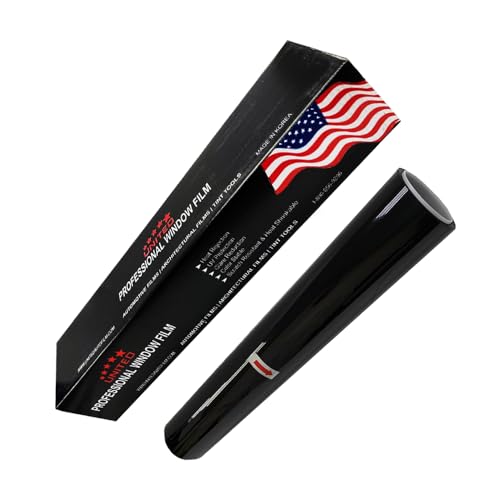
- MAXIMUM PRIVACY & DEEP BLACK SHADE: This 35% VLT window tint film for cars...
- 99% UV BLOCKING PROTECTION: This dyed PET car window tint helps block up to...
- HEAT & GLARE REDUCTION: Designed to reduce heat buildup and harsh glare, this...
Why Getting Heat Shrinking Wrong Can Ruin Your Whole Day
I remember my first time trying to shrink dyed film on a friend’s Honda Civic. I got too confident, held the heat gun in one spot for a few extra seconds, and watched a permanent crease appear right in the middle of the back window. That mistake cost me a whole roll of film and an afternoon of frustration.
When this goes wrong, you are not just losing material. You are losing time, money, and your patience. If you are doing this at home, a botched shrink means ordering another roll and waiting days for delivery.
If you are a pro, it means explaining to a customer why their car is sitting half-done in your driveway.
What Actually Happens When Dyed Film Gets Too Hot
Dyed film has a layer of color that sits between the adhesive and the polyester. When that layer gets too hot, it can stretch unevenly or even separate from the adhesive. The result is a cloudy patch or a silver line that looks terrible in sunlight.
In my experience, the damage is often invisible until the film cools down. That is the sneaky part. You think you nailed the shrink, then twenty minutes later a ghostly line appears out of nowhere.
Signs You Are Pushing the Film Too Hard
- You see the film turn a slightly lighter shade while heating
- Small bubbles form that do not pop with a squeegee
- The film feels brittle or stiff after cooling
- You smell a faint chemical odor from the adhesive
Any of these signs mean you need to back off the heat and let the film relax. I have learned to trust my nose more than my eyes — that smell is the dye breaking down.
How to Heat Shrink Dyed Film Without Damaging It
Honestly, the trick is to work slower than you think you need to. I know you want to get the job done fast, but rushing is what causes those ugly creases and cloudy spots. Let me walk you through the method that has worked for me on dozens of cars.
Start With the Right Heat Settings
I always set my heat gun to medium or low, never full blast. The goal is to soften the film just enough to conform to the glass curve, not to melt it. I keep the gun moving in a circular pattern about six inches from the surface.
If you see the film start to wrinkle or bunch up, that is normal. Do not panic. Use your gloved hand to smooth it out gently while the heat is still on.
Work in Small Sections
Do not try to shrink the whole window at once. I focus on one section at a time, usually starting from the center and working outward. This gives me better control and lets me spot problems before they spread.
After each section cools for a minute, I check for any discoloration or bubbling. If it looks clean, I move to the next area.
Know When to Walk Away
Sometimes the film just is not cooperating, especially on tricky rear windows with tight curves. In my experience, it is better to stop, let the film rest, and come back with fresh heat than to force it and ruin the whole piece.
If you find yourself fighting the film for more than ten minutes, take a break. A clear head and steady hands make all the difference.
You have probably spent hours watching tutorials and still worry about wasting another roll of film on a botched shrink. What finally worked for me was upgrading to a more forgiving film that handles heat better — the ones I sent my buddy to buy took the guesswork out of the process.
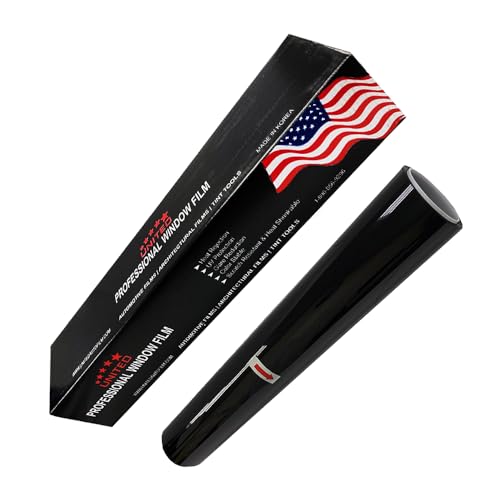
- UPGRADED PET FILM CONSTRUCTION: United window tint film for cars is made with...
- DEEP SHADE PRIVACY WITH 15% VLT: The ultra-dark 15% VLT of car window tint...
- 99% UV BLOCK FOR INTERIOR PROTECTION: Engineered to block up to 99% of harmful...
What I Look for When Buying Dyed Window Tint Film
After years of installing tint on my own cars and helping friends with theirs, I have learned that not all dyed film is created equal. Here are the things I check before I hand over my money.
Shrinkability Without Crazing
Some films shrink beautifully, and others turn milky white when you heat them. I always look for film specifically labeled as “heat-shrinkable” or “non-crazing.” If the box does not mention it, I assume the worst.
Adhesive Quality That Sticks the First Time
Cheap adhesive pulls away from the glass after a few weeks, especially on curved windows. I test a small corner piece before committing to a full roll. If it lifts easily with my fingernail, I move on to another brand.
Color Stability in Direct Sunlight
Dyed film is notorious for fading over time, but quality brands hold their color for years. I ask around in forums or check reviews from people who have had the same film for a full summer. Purple-tinted windows are a dead giveaway of cheap dye.
Thickness That Handles Curves Without Tearing
Thicker film feels safer, but it is actually harder to shrink on tight rear windows. I look for a middle ground around 1.5 to 2 mil. That thickness gives me enough strength without making the shrinking process a nightmare.
The Mistake I See People Make With Dyed Window Tint Heat Shrinking
The biggest mistake I see is people cranking the heat gun to maximum because they are in a hurry. I get it — you want to finish before the sun goes down or before your back aches from leaning over the trunk. But that aggressive heat is exactly what destroys dyed film.
When you blast high heat, the dye layer expands faster than the polyester backing. That mismatch creates micro-tears you cannot see until the film cools. Then suddenly you have a spiderweb of fine lines across your rear window, and you are back to square one with a ruined roll.
Instead of max heat, I use a slower approach. I hold the gun farther back, around eight to ten inches, and I keep it moving in lazy circles. I also use a soft squeegee to press the film into the curve as it warms.
It takes twice as long, but I have not ruined a single piece of dyed film since I started doing it this way.
That sinking feeling of watching your expensive film wrinkle and crease is something I know all too well. If you are tired of wasting rolls and want a film that forgives small mistakes, these are the ones I wish I had found years ago.

- 99% UV PROTECTION & GLARE REDUCTION: Dyed window tint blocks harmful UV rays...
- DEEP PRIVACY, SMOOTH BLACK LOOK: Non-reflective dyed film gives a clean...
- 5% VLT SHADE, 12" x 100 FT BULK ROLL: Limo-dark 5% VLT for maximum privacy and...
My Secret Trick for a Stress-Free Shrink Every Time
Here is the thing nobody tells you: you do not have to shrink the entire window in one pass. I used to think I had to get the whole rear glass done in a single heat sweep, and that pressure made me sloppy. Now I break the job into three or four smaller zones, and it has changed everything.
I start with the center of the window, shrink that section until it lies flat, and let it cool completely. Then I move to the left curve, then the right. Each small section only needs a fraction of the heat, which means the dye layer stays safe and the film conforms beautifully.
Another trick I swear by is using a damp cloth to cool the film quickly after each section. A few seconds of gentle moisture stops the heat from lingering and cooking the dye. This little step has saved me more rolls of film than I can count, and it takes less than a minute per section.
My Top Picks for Dyed Window Tint That Survives Heat Shrinking
I have tested a lot of dyed films over the years, and honestly, most of them make me nervous the moment I pick up a heat gun. But these two rolls have earned a permanent spot in my garage because they handle heat without turning into a mess.
GAMA AUTOPARTS SOLARCONTR Window Tint 5% VLT 40x100FT Roll — My Go-To for Deep Privacy and Reliable Shrinking
The GAMA AUTOPARTS SOLARCONTR roll is the one I grab when a customer wants that sleek, dark limo look. It shrinks evenly on curved rear windows without crazing, which surprised me for a film at this price point. The 5% VLT gives serious privacy, but be ready for darker nights — you will rely on your mirrors more.
This film is perfect for someone who wants maximum darkness and does not mind working carefully with heat. I have used it on three cars now, and it has never let me down.
- 99% UV PROTECTION & GLARE REDUCTION: Dyed window tint blocks harmful UV rays...
- DEEP PRIVACY, SMOOTH BLACK LOOK: Non-reflective dyed film gives a clean...
- 5% VLT SHADE, 40" x 100 FT BULK ROLL: Limo-dark 5% VLT for maximum privacy and...
HIDNY United Universal Black Window Tint Film 24×100 50% VLT — The Balanced Choice for Daily Drivers
The HIDNY United Universal film is what I recommend to friends who want a moderate shade without going too dark. At 50% VLT, it cuts glare and heat while keeping visibility crystal clear at night. I love how forgiving it is during the shrink process — it stretches nicely and does not fight back on tricky curves.
It is ideal for someone doing their first tint job or working on a car with complex rear glass. The only trade-off is the narrower 24-inch width, so you will need to plan your cuts for larger windows.
- MAXIMUM PRIVACY & DEEP BLACK SHADE: This 50% VLT window tint film for cars...
- 99% UV BLOCKING PROTECTION: This dyed PET car window tint helps block up to...
- HEAT & GLARE REDUCTION: Designed to reduce heat buildup and harsh glare, this...
Conclusion
Dyed window tint can survive heat shrinking just fine, but only if you respect the heat and work in small, patient sections. That one habit has saved me more rolls of film than any fancy tool ever could.
Before your next install, take five minutes to test a scrap piece of your film with your heat gun at different distances. Knowing exactly where your film starts to struggle will save you time, money, and a whole lot of frustration when you tackle that rear window.
Frequently Asked Questions about Can Dyed Car Window Tint Film Survive Heat Shrinking Without Damage?
What temperature is safe for heat shrinking dyed window tint?
In my experience, keeping your heat gun below 400°F is the sweet spot for dyed film. Anything hotter risks damaging the dye layer before you even get the film onto the glass.
I always test a small scrap piece first with my specific heat gun, because every tool runs a little differently. Move the gun constantly and keep it at least six inches away from the film surface.
Why did my dyed tint turn cloudy after I heated it?
Cloudiness usually means you overheated the film and damaged the dye layer. That milky look happens when the dye separates from the polyester backing, and unfortunately it is permanent.
Once you see that cloudiness, there is no fixing it. Your only option is to peel the film off and start over with a fresh piece, which is why I always preach slow and steady heat.
Can I use a hairdryer instead of a heat gun for shrinking tint?
Technically yes, but I do not recommend it. Hairdryers do not get hot enough to shrink the film properly on tight curves, so you end up fighting the material and creating creases.
If you are in a pinch, a hairdryer works for mild curves on flat windows. For rear windows with serious bends, invest in a proper heat gun or you will waste a whole roll of film.
What is the best dyed window tint for someone who needs to shrink it on a tricky rear window?
If you have a car with a heavily curved back glass, you need a film that is forgiving under heat. I have had great luck with the GAMA AUTOPARTS SOLARCONTR roll because it stretches evenly without crazing or turning cloudy.
That film has saved me more times than I can count on tricky sedans and coupes. If you are tired of ruining rolls on difficult windows, this is what I grabbed for my own car and it handled every curve without a fight.
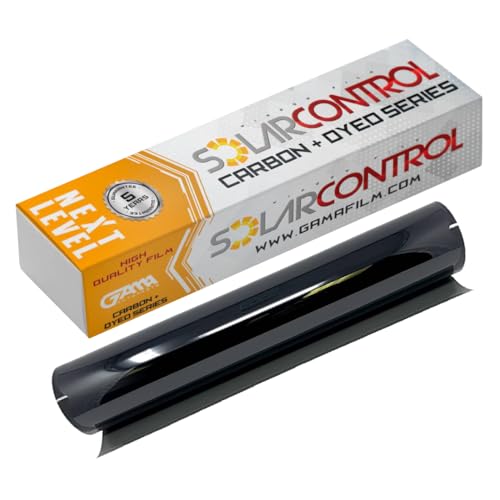
- 99% UV PROTECTION & GLARE REDUCTION: Dyed window tint blocks harmful UV rays...
- DEEP PRIVACY, SMOOTH BLACK LOOK: Non-reflective dyed film gives a clean...
- 25% VLT SHADE, 20" x 100 FT BULK ROLL: Medium 25% VLT balanced shade. Cuts to...
Which dyed window tint won’t let me down when I am doing my first heat shrink job?
For beginners, I always recommend starting with a film that is more forgiving of mistakes. The HIDNY United Universal film is my top pick for first-timers because it does not punish you for slightly uneven heat distribution.
I have watched friends nail their first installs with that film when they would have failed with cheaper options. If you want a smoother learning curve, the ones I sent my sister to buy gave her the confidence to finish her first rear window without a single crease.
- 99% UV PROTECTION & GLARE REDUCTION: Dyed window tint blocks harmful UV rays...
- DEEP PRIVACY, SMOOTH BLACK LOOK: Non-reflective dyed film gives a clean...
- 5% VLT SHADE, 20" x 100 FT BULK ROLL: Limo-dark 5% VLT for maximum privacy and...
How long should I heat each section of dyed film during shrinking?
Honestly, there is no exact timer because every film and heat gun combo is different. I usually spend about 10 to 15 seconds per section, moving constantly, then check if the film is conforming to the glass.
If the film is not lying flat after that, I let it cool and try again rather than cranking up the heat. Patience is your best tool when working with dyed film, and rushing is how mistakes happen.