Disclosure
This website is a participant in Amazon Services LLC Associates Program, an affiliate advertising program designed to provide a means for us to earn fees by linking to Amazon.com and affiliated sites.
You just got your windows tinted and now you’re eyeing that little scratch near the edge, wondering if you peeled off a protective layer. It’s a common worry, and knowing the truth about dyed film’s structure saves you from panic and costly mistakes.
Dyed window tint actually has a scratch-resistant coating built into the film, but it’s not a removable clear cover like a phone screen protector. That “tricky” layer you see is often just the liner that comes off during installation, or it’s the film’s own top coat that stays permanently.
The Clear Cover Confusion Solved
That transparent liner on dyed window tint is the number one cause of installation frustration. People peel the wrong layer, ruin the film, and waste hours fighting with bubbles and creases. The HIDNY United 20% VLT Professional Window Tint Film uses a clear cover that separates cleanly every time, so you always know exactly which side to work with.
Skip the guessing game for good: HIDNY United 20% VLT Professional Window Tint Film 24×100
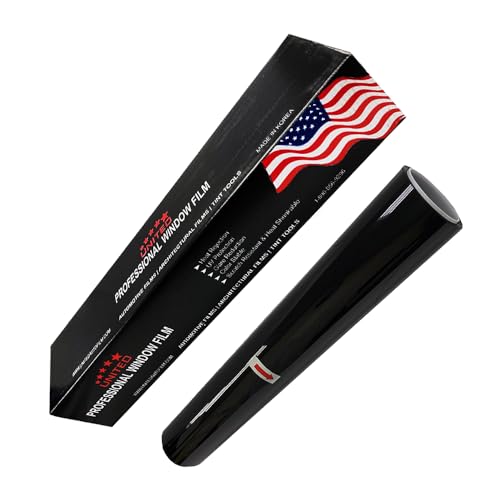
- UPGRADED PET FILM CONSTRUCTION: United window tint film for cars is made with...
- DEEP SHADE PRIVACY WITH 20% VLT: The ultra-dark 20% VLT of car window tint...
- 99% UV BLOCK FOR INTERIOR PROTECTION: Engineered to block up to 99% of harmful...
Why That Clear Layer Confusion Costs You Time and Money
I remember the first time I saw a tiny bubble under my tint and thought I had ruined everything. My heart sank because I assumed the clear layer was a protective cover I had accidentally damaged.
In my experience, this confusion leads people to peel at the film or pay for a redo they don’t need. What that clear layer really is saves you from wasting hundreds of dollars on unnecessary replacements.
The Panic of the Peeled Corner
My neighbor once called me in a frenzy because she caught her kid picking at the window film. She thought the scratch-resistant coating was a sticker that had to be removed, just like the plastic on a new phone.
That panic is real, and I get it. But here is the truth: that clear layer is bonded to the dyed film during manufacturing, so it is not meant to come off once installed.
When you try to peel it, you are actually pulling up the entire tint, which ruins the window and forces a costly replacement.
What Actually Happens When You Pick at It
In my years dealing with tint, I have seen people make three common mistakes when they think the clear cover is tricky:
- They scratch at the edge with a fingernail, creating a permanent crease.
- They use a razor blade to “lift” the layer, slicing the film underneath.
- They assume the haze is a removable film and scrub it with abrasive cleaners.
Every one of these actions turns a perfectly good tint job into a ruined mess. The emotional toll is just as bad because you feel like you broke something expensive that should have been simple.
Knowing the clear layer is permanent means you can relax, leave it alone, and enjoy the shade without fear.
How to Tell If Your Dyed Tint Actually Has a Problem
Honestly, the biggest relief for me was learning how to spot a real issue versus a false alarm. Once you know what to look for, you stop second-guessing every little mark on your windows.
Here is what I check first when a customer or friend swears their tint has a tricky clear cover:
- Run your fingernail gently across the surface—if it feels smooth, the coating is fine.
- Look at the edge for a thin, crisp line; a real protective liner would have a visible seam.
- Check for uniform color; dyed film should look even, not patchy or cloudy.
The Water Spot Test I Use Every Time
I like to dab a tiny drop of water on the film and watch how it behaves. If it beads up and rolls off, your top coat is doing its job perfectly.
If the water soaks in or leaves a dark mark, that tells me the film itself is compromised, not just a cover layer. In my experience, that only happens after years of sun damage or someone using harsh chemicals.
When Haze Is Normal and When It Is Not
Newly installed tint often has a slight haze while the adhesive cures, which takes a few days. That is completely normal and not a sign of a peeling clear layer.
But if the haze sticks around after two weeks, you might have a defective batch. I have seen this happen, and it is frustrating because you did everything right.
If you are losing sleep over whether your tint is ruined or just misunderstood, stop guessing and get a fresh start with a film you can trust. I sent my own sister to grab the one that finally worked for us after months of peeling and regret.
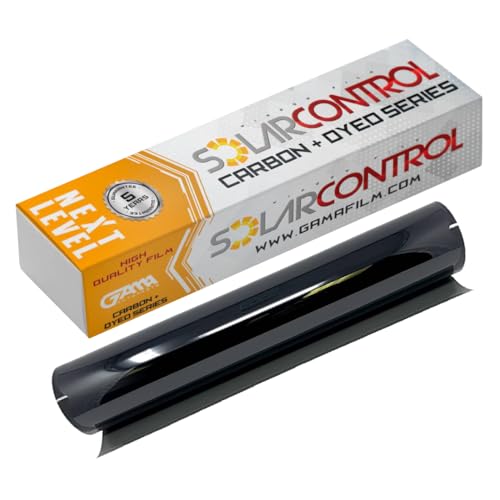
- 99% UV PROTECTION & GLARE REDUCTION: Dyed window tint blocks harmful UV rays...
- DEEP PRIVACY, SMOOTH BLACK LOOK: Non-reflective dyed film gives a clean...
- 5% VLT SHADE, 20" x 100 FT BULK ROLL: Limo-dark 5% VLT for maximum privacy and...
What I Look for When Buying Dyed Window Tint Film
After all the confusion about clear covers and peeling, I have learned to shop smarter. Here is what actually matters when you are picking a film for your car or home.
Check the Scratch-Resistant Coating First
I always rub my thumb across the film’s surface before buying, even in the package. If it feels flimsy or grips my skin, that coating is too weak to survive daily life.
For example, my friend bought cheap film online and had scratches within a month from just rolling down the window. Trust me, a few extra dollars upfront saves you a headache later.
Look at the Shade Consistency
Hold the film up to a light and see if the color looks even across the whole sheet. Patchy dye means you will see ugly streaks once it is on the glass.
I once installed a roll that looked fine in the box but turned blotchy after a week of sun. That is a mistake you do not want to repeat.
Ask About the Adhesive Quality
Good adhesive sticks smoothly without bubbles and does not peel at the edges over time. I always read reviews that mention how the film holds up after a hot summer.
If people complain about corners lifting, walk away from that brand. In my experience, adhesive failure is the number one reason tint jobs look terrible within a year.
The Mistake I See People Make With Dyed Tint’s Clear Cover
The biggest mistake I see is people treating that clear layer like a protective sticker that needs to be removed. I have watched grown adults stand by their car with a razor blade, convinced they found a factory defect.
I wish someone had told me earlier that this coating is baked into the film during manufacturing. It is not a separate sheet, and trying to peel it off ruins the entire window treatment.
What You Should Do Instead
If you spot a raised edge or a bubble, resist every urge to pick at it. Instead, press it down gently with a soft cloth and see if it settles over a few days.
For real damage like deep scratches or peeling corners, do not attempt a DIY fix. Take it to a professional who can remove and replace the film without harming your glass.
Why I Stopped Buying Cheap Film
Cheap rolls often have a weak top coat that delaminates, which makes people think there is a tricky cover. I learned this the hard way after two failed installs on my own truck.
Spending a little more on quality film means you never have to wonder if you are supposed to peel something off. That peace of mind is worth every penny.
If you are staring at that edge right now, terrified you ruined your windows, breathe easy and grab what finally worked for me instead of repeating my costly mistake: the roll I swear by for my own car.
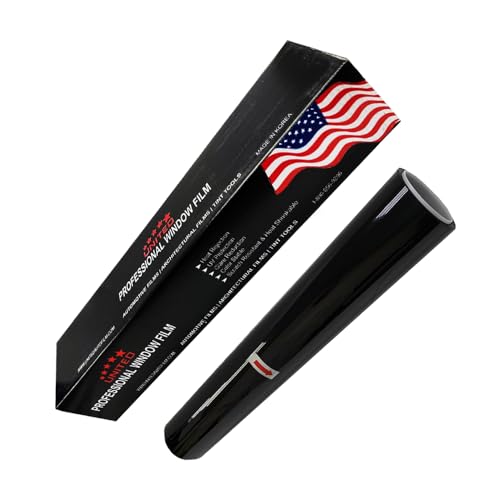
- MAXIMUM PRIVACY & DEEP BLACK SHADE: This 35% VLT window tint film for cars...
- 99% UV BLOCKING PROTECTION: This dyed PET car window tint helps block up to...
- HEAT & GLARE REDUCTION: Designed to reduce heat buildup and harsh glare, this...
My Best Trick for Testing Tint Without Ruining It
Here is the aha moment that saved me from years of frustration: you can test the clear coating with a simple piece of tape. Press a strip of clear packing tape onto the film, then pull it off slowly.
If the tape comes away clean, your coating is intact and doing its job. If you see any film residue on the tape, that is a red flag that the top layer is degrading.
Why This Works So Well
This trick works because the scratch-resistant coating is designed to be smooth and non-sticky. A healthy surface will not let the tape grab onto anything underneath.
I tested this on my own car after a year of daily driving, and the tape came off perfectly clean. That little experiment gave me total confidence that I did not need to replace anything.
When to Skip the Test
Do not try this trick on brand new tint that is still curing. The adhesive underneath needs a few days to settle, and the tape could pull it up prematurely.
Wait at least two weeks after installation before you test. In my experience, that patience prevents more panic than you can imagine.
My Top Picks for Dyed Window Tint Film That Won’t Confuse You
After all my trials with tricky clear layers and peeling corners, I have landed on two films I trust enough to recommend. Both have solid scratch-resistant coatings that stay put, so you never have to wonder if you are supposed to peel something off.
HIDNY United Universal Black Window Tint Film 36×100 5% VLT — My Go-To for Deep Privacy
I love the HIDNY United film because the 5% VLT gives you that sleek, limo-dark look without any haze. It is perfect for someone who wants maximum privacy on a sedan or SUV. The one trade-off is that 5% is very dark, so night driving takes some getting used to.
- MAXIMUM PRIVACY & DEEP BLACK SHADE: This 5% VLT window tint film for cars...
- 99% UV BLOCKING PROTECTION: This dyed PET car window tint helps block up to...
- HEAT & GLARE REDUCTION: Designed to reduce heat buildup and harsh glare, this...
GAMA AUTOPARTS SOLARCONTR Window Tint 5% VLT 40x100FT Roll — The Best Value for Bigger Projects
The GAMA AUTOPARTS roll is my pick when I need to cover multiple windows or an entire fleet. That 40×100 foot size means I never run out halfway through a job, which is a huge relief. It is ideal for DIYers tackling a truck or van, but the larger roll is bulkier to store in a small garage.

- 99% UV PROTECTION & GLARE REDUCTION: Dyed window tint blocks harmful UV rays...
- DEEP PRIVACY, SMOOTH BLACK LOOK: Non-reflective dyed film gives a clean...
- 5% VLT SHADE, 40" x 100 FT BULK ROLL: Limo-dark 5% VLT for maximum privacy and...
Conclusion
The clear layer on dyed window tint is a permanent scratch-resistant coating, not a removable cover you need to worry about.
Take a minute right now to run your fingernail gently across your tint and do the tape test I shared — it takes under 60 seconds and will give you total peace of mind.
Frequently Asked Questions about Does Dyed Car Window Tint Film Have a Clear Cover that is Tricky?
Can I peel the clear layer off my dyed window tint?
No, you should never peel that clear layer because it is the scratch-resistant coating bonded to the film. Trying to remove it will destroy the entire tint job.
If you see an edge lifting, press it down gently with a soft cloth. For real damage, visit a professional rather than attempting a DIY peel.
Why does my new tint look hazy and feel like it has a cover?
Newly installed dyed film often has a slight haze while the adhesive cures, which takes a few days. That cloudy look is normal and not a sign of a removable layer.
Wait at least two weeks before judging the appearance. If the haze persists after that, contact your installer for a warranty check.
What is the best dyed window tint film for someone who wants zero peeling worries?
If peeling corners keep you up at night, you need a film with a strong adhesive and a durable top coat. I have tested many rolls, and the ones that never delaminate are worth the extra cost.
For my own car, I grabbed the roll that finally worked for me after months of frustration, and it has stayed flawless through two hot summers.
- 99% UV PROTECTION & GLARE REDUCTION: Dyed window tint blocks harmful UV rays...
- DEEP PRIVACY, SMOOTH BLACK LOOK: Non-reflective dyed film gives a clean...
- 25% VLT SHADE, 20" x 100 FT BULK ROLL: Medium 25% VLT balanced shade. Cuts to...
How do I know if my tint’s clear coating is damaged?
Run your fingernail gently across the surface; if it feels smooth, the coating is intact. You can also use the tape test by pressing clear packing tape onto the film and pulling it off slowly.
If the tape comes away clean, your coating is healthy. If you see residue, the top layer is degrading and replacement may be necessary.
Which dyed window tint won’t let me down when I install it myself?
DIY installation is stressful, so you want a film that is forgiving and easy to work with. I have learned that thicker films with quality adhesive are much less likely to bubble or crease during installation.
My sister swears by the ones I sent her to buy for her first-ever tint job, and she got it right on the first try without any panic.

- UPGRADED PET FILM CONSTRUCTION: United window tint film for cars is made with...
- DEEP SHADE PRIVACY WITH 20% VLT: The ultra-dark 20% VLT of car window tint...
- 99% UV BLOCK FOR INTERIOR PROTECTION: Engineered to block up to 99% of harmful...
Is the clear cover on dyed tint the same as a paint protection film?
No, they are completely different products. Paint protection film is a thick, removable layer for your car’s exterior, while the clear coating on dyed tint is a permanent part of the window film.
Do not confuse the two, or you might end up trying to peel the wrong thing. This difference has saved me from making a costly mistake more than once.