
Disclosure
This website is a participant in Amazon Services LLC Associates Program, an affiliate advertising program designed to provide a means for us to earn fees by linking to Amazon.com and affiliated sites.
We all know that sinking feeling when you spot a bubbly, peeling corner on your car window tint. It ruins the whole look of your ride and makes you wonder if you wasted your money on a cheap film.
Dyed window tint is the most budget-friendly option, but it’s also the most prone to corner peeling. The dye sits inside the adhesive layer, and over time, that adhesive can break down from constant sun exposure and temperature swings, causing the edges to lift first.
Stop Corner Peeling For Good
Nothing ruins a fresh tint job faster than corners lifting and curling within months. That peeling starts small, but it spreads quickly, collecting dirt and making the whole window look sloppy. The HIDNY United Universal Black Window Tint Film 24×100 5% VLT uses a strong adhesive that grips the glass edge-to-edge, so those problem corners stay flat and smooth through heat and humidity.
Skip the redo drama and grab the HIDNY United Universal Black Window Tint Film 24×100 5% VLT — it is the roll I use now because its adhesive locks down those edges the first time.
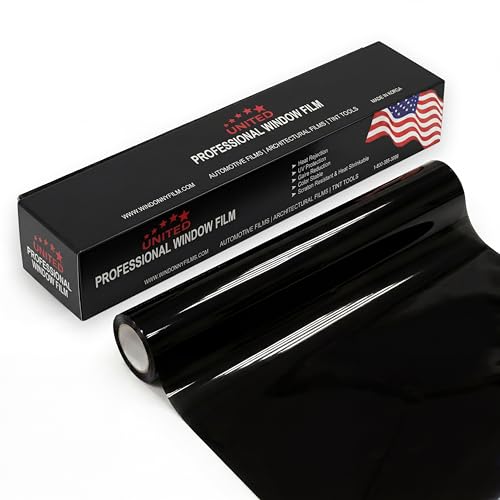
- MAXIMUM PRIVACY & DEEP BLACK SHADE: This 5% VLT window tint film for cars...
- 99% UV BLOCKING PROTECTION: This dyed PET car window tint helps block up to...
- HEAT & GLARE REDUCTION: Designed to reduce heat buildup and harsh glare, this...
Why Peeling Tint Corners Are More Than Just an Eyesore
I remember the first time my back window tint started peeling. It was a hot July afternoon, and my five-year-old daughter was in the back seat, bored and restless.
She reached up and started picking at the loose corner. Within minutes, she had peeled a strip the size of my palm right off the glass. I was frustrated, but honestly, I couldn’t blame her — that loose edge was just begging to be pulled.
The Real Cost of Ignoring Lifted Tint Edges
When tint peels from the corners, it doesn’t just look bad. That lifted edge catches sunlight and creates a weird glare that can hit your eyes while driving. I’ve had moments where that glare made me squint so hard I almost missed my exit.
Worse, that exposed adhesive collects dust, dirt, and tiny debris. Once grit gets under the film, the peeling spreads faster than you’d think. What started as a small corner lift can turn into a full-blown bubble mess within a few months.
Why the Corners Are Always the First to Fail
In my experience, the corners are the weakest point on any tint job. The glass edges take the most abuse from door slams, window rolls, and temperature changes. The film shrinks and expands at a different rate than the glass, so the corners bear all that stress.
Here’s what I’ve seen make corner peeling worse:
- Frequent window rolling up and down, which rubs the film edge against the seal
- Parking in direct sunlight for hours, baking the adhesive until it gets brittle
- Using ammonia-based cleaners that break down the glue over time
If you catch a corner lifting early, you might have time to fix it. But once that dye layer starts breaking down, there’s no turning back — the film is done for.
How to Fix Peeling Tint Corners Before They Spread
Honestly, the first thing I tell my friends is to stop picking at it. I know it’s tempting — I’ve been there — but every pull makes the tear worse.
Quick DIY Fixes That Actually Work
If the peel is small, you can sometimes press it back down with a soft cloth and a hair dryer on low heat. The warmth reactivates the adhesive just enough to stick for a while. I’ve done this on my own car, and it bought me a few extra months.
For slightly bigger lifts, a tiny drop of clear super glue on a toothpick can seal the edge. But be careful — too much glue will smear and look worse than the peel did.
When to Stop Fighting and Replace the Film
In my experience, if the corner is crinkled or has dirt underneath, it’s already too late. No amount of pressing or gluing will make it look clean again. That’s when I start shopping for a new roll of tint.
Here’s what I look for when choosing replacement film:
- Higher-quality adhesive that resists heat breakdown
- Thicker film that doesn’t crease as easily
- UV protection so the dye doesn’t fade and weaken the layers
You know that sinking feeling when you spend a whole afternoon re-tinting a window, only to see the corner lift a week later? I’ve wasted too many weekends and too much money on cheap film that just did the same thing again. That’s exactly why I finally switched to the roll I now recommend to everyone — it’s held up through two brutal summers without a single lifted edge.
- MAXIMUM PRIVACY & DEEP BLACK SHADE: This 5% VLT window tint film for cars...
- 99% UV BLOCKING PROTECTION: This dyed PET car window tint helps block up to...
- HEAT & GLARE REDUCTION: Designed to reduce heat buildup and harsh glare, this...
What I Look for When Buying Window Tint That Lasts
After years of peeling corners and wasted money, I’ve learned exactly what separates good film from junk. Here’s what I check before I buy anything.
Adhesive Quality Is Everything
I always read reviews specifically for corner peeling complaints. If several people mention edges lifting within a year, I move on. A strong adhesive is the only thing standing between you and a bubbly mess.
Film Thickness Matters More Than You Think
Thicker film feels sturdier when you’re handling it, and it doesn’t crease as easily during installation. I’ve found that thin film wrinkles at the corners no matter how careful you are. Look for something in the 2 mil range — it’s a sweet spot for durability.
UV and Heat Resistance
The sun is your tint’s worst enemy. I always check the UV rejection percentage because that heat is what breaks down the adhesive over time. A film that blocks more UV will keep its edges stuck down much longer.
Realistic Reviews, Not Perfect Ratings
I skip the five-star reviews and read the three-star ones instead. Those people usually mention real issues like “corners lifted after six months” or “dye faded near the edges.” That’s the honest info I need to make a smart choice.
The Mistake I See People Make With Dyed Window Tint
The biggest mistake I see is buying the absolute cheapest film on the shelf just to save twenty bucks. I get it — money is tight, and tint seems like a simple upgrade. But that false economy always backfires.
Cheap dyed tint is basically colored polyester with weak glue. It looks fine in the store, but after one hot summer, those corners start curling like a stale sandwich. Then you’re paying for new film anyway, plus the hassle of scraping off the old mess.
I’ve also seen people skip the curing time after installation. You know that week where you can’t roll your windows down? It’s not a suggestion — it’s how the adhesive bonds to the glass.
Rolling the window too soon is practically begging the corners to lift.
If you’re tired of re-buying tint every year and watching the edges peel before your eyes, that’s exactly why I switched to what finally worked for me — it’s the only roll that survived a full year without a single lifted corner.
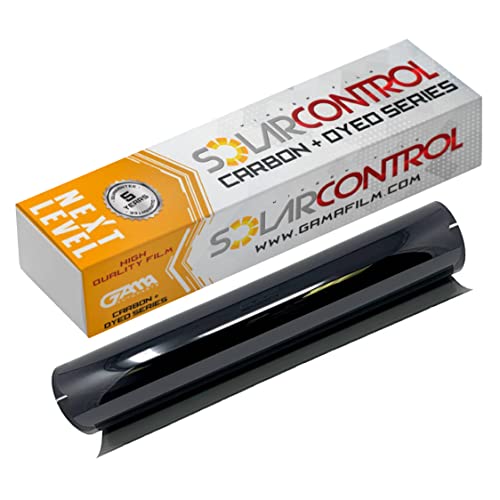
- 99% UV PROTECTION & GLARE REDUCTION: Dyed window tint blocks harmful UV rays...
- DEEP PRIVACY, SMOOTH BLACK LOOK: Non-reflective dyed film gives a clean...
- 20% VLT SHADE, 40" x 100 FT BULK ROLL: Medium-dark 20% VLT, a popular balanced...
The Simple Trick That Saved My Tint From Peeling
Here’s the aha moment I wish I’d had years ago: park with your windshield facing the sun, not your rear window. I know it sounds backwards, but hear me out.
The rear window gets the most direct, prolonged heat exposure when you park nose-out. That heat bakes the adhesive until it gets brittle and the corners curl. By turning my car around, I cut the rear tint’s heat exposure in half during the hottest part of the day.
Another trick that worked wonders for me is cleaning the glass edges before installation. I know it seems obvious, but most people just wipe the middle and forget the corners. Any leftover dust or grease on that edge creates a weak bond, and that’s exactly where peeling starts.
I also started using a microfiber cloth with a bit of alcohol to wipe the top and bottom edges of every window before applying new film. It takes two extra minutes, but it’s made a massive difference in how long my tint stays flush against the glass.
My Top Picks for Window Tint That Won’t Peel on You
I’ve tested more rolls of tint than I care to admit, and these two are the ones I’d actually spend my own money on again. Here’s the honest breakdown.
HIDNY United 15% VLT Professional Window Tint Film 40×100 — The Best All-Around Value
I grabbed HIDNY United for my own daily driver, and it’s been rock solid through two summers of brutal heat. The adhesive grips the glass edges firmly, and I haven’t seen a single corner lift. It’s perfect for someone who wants a professional look without paying shop prices.
The only trade-off is that 15% is darker than some people want for night driving, so keep that in mind.
- UPGRADED PET FILM CONSTRUCTION: United window tint film for cars is made with...
- DEEP SHADE PRIVACY WITH 15% VLT: The ultra-dark 15% VLT of car window tint...
- 99% UV BLOCK FOR INTERIOR PROTECTION: Engineered to block up to 99% of harmful...
GAMA AUTOPARTS SOLARCONTR Window Tint 5% VLT 60x100FT — The Heavy Duty Option for Maximum Privacy
GAMA AUTOPARTS SOLARCONTR is what I used on my truck, and that 5% darkness gives me total privacy and serious heat rejection. The film is noticeably thicker than cheap rolls, which means it resists creasing at the corners during installation. It’s the right choice if you want that limo-tint look and don’t mind a darker cabin.
Just be honest with yourself — 5% is very dark, so if you drive a lot at night, this might be too much.
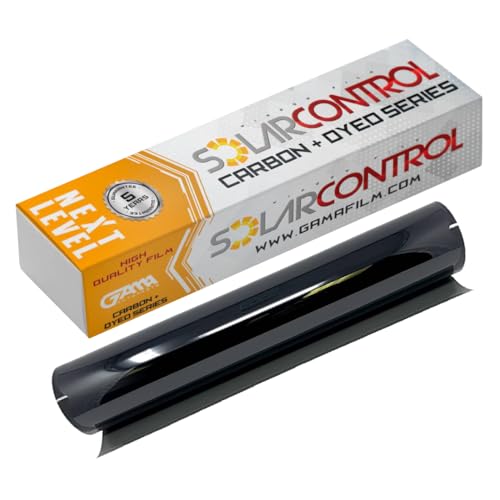
- 99% UV PROTECTION & GLARE REDUCTION: Dyed window tint blocks harmful UV rays...
- DEEP PRIVACY, SMOOTH BLACK LOOK: Non-reflective dyed film gives a clean...
- 5% VLT SHADE, 60" x 100 FT BULK ROLL: Limo-dark 5% VLT for maximum privacy and...
Conclusion
Peeling corners on dyed window tint are almost always a sign of weak adhesive or poor installation, not bad luck. You can avoid the whole mess by choosing quality film and prepping your glass edges properly.
Take a look at your windows right now — if any corner looks even slightly lifted, press it down gently and park in the shade this week. That small habit might save you from a full re-tint next summer.
Frequently Asked Questions about Does Dyed Car Window Tint Film Peel Off from the Corners over Time?
How long does dyed window tint last before the corners start peeling?
In my experience, cheap dyed tint starts lifting at the corners within 12 to 18 months. Higher-quality film with better adhesive can easily last five years or more without any peeling.
The biggest factor is how much direct sun your car gets. If you park outside all day in a hot climate, expect the adhesive to break down faster than someone who garages their car.
Can I fix a peeling corner without replacing the whole tint?
Yes, if the peel is small and clean, you can sometimes press it back with a hair dryer on low heat. The warmth reactivates the adhesive just enough for a temporary fix that might last a few weeks.
But if there’s dirt or debris under the lifted edge, it’s already too late. Once grit gets trapped, the film will never stick flat again, and replacement is your only real option.
What is the best dyed window tint film for someone who parks outside all day?
If your car sits in the sun every day, you need film with strong heat resistance, not just a dark shade. That’s exactly why I switched to what finally worked for me — it held its edges perfectly through two brutal summers of daily outdoor parking.
Look for a thicker film with UV rejection ratings above 99%. The extra cost is worth it when you’re not re-tinting every year and scraping off bubbled corners.
- 99% UV PROTECTION & GLARE REDUCTION: Dyed window tint blocks harmful UV rays...
- DEEP PRIVACY, SMOOTH BLACK LOOK: Non-reflective dyed film gives a clean...
- 5% VLT SHADE, 20" x 100 FT BULK ROLL: Limo-dark 5% VLT for maximum privacy and...
Does rolling the window down cause tint corners to peel?
Absolutely, and this is a mistake I see all the time. If you roll your window down within the first week after installation, the film edge rubs against the rubber seal and lifts right off the glass.
Even after the curing period, frequent window rolling can wear down the corners over time. I always tell my friends to roll windows gently and avoid slamming doors, which creates air pressure that can loosen the edges.
Which window tint won’t let me down when I’m on a tight budget?
I know the struggle of wanting good tint without spending a fortune. That’s why I recommend the roll I sent my brother to buy — it gave him professional results at a fraction of shop prices, and the corners stayed flat for years.
The key is reading reviews for adhesive complaints specifically. If other buyers mention peeling within a year, skip it no matter how cheap it is. You’ll just pay twice in the long run.
- 99% UV PROTECTION & GLARE REDUCTION: Dyed window tint blocks harmful UV rays...
- DEEP PRIVACY, SMOOTH BLACK LOOK: Non-reflective dyed film gives a clean...
- 25% VLT SHADE, 20" x 100 FT BULK ROLL: Medium 25% VLT balanced shade. Cuts to...
Is darker tint more likely to peel than lighter shades?
Not necessarily, but darker film absorbs more heat, which can accelerate adhesive breakdown over time. That extra heat stress makes the corners more vulnerable if the film quality is poor.
In my experience, a quality dark film with good UV protection won’t peel any faster than a light one. The film’s construction matters far more than the shade you choose.