
Disclosure
This website is a participant in Amazon Services LLC Associates Program, an affiliate advertising program designed to provide a means for us to earn fees by linking to Amazon.com and affiliated sites.
You just paid good money for precut car window tint film, and the last thing you want is to ruin it with the wrong cleaner. Knowing which products are safe keeps your tint looking sharp and prevents bubbling, peeling, or ugly streaks.
Most people grab whatever glass spray is under the sink, but ammonia is the silent killer of window film. I learned this the hard way when my back window started peeling after just one cleaning with a popular blue spray.
Stop Damaging Your Fresh Window Tint
Your brand-new precut tint looks perfect until you grab the wrong cleaner. Harsh ammonia-based sprays and rough paper towels can bubble, streak, or peel the film right off the glass. I watched my own back window turn cloudy after one careless wipe, and it took hours to fix the mess.
Skip the guesswork and grab the TRUE LINE Automotive DIY Car Window Tinting Kit Customize
Why Using the Wrong Cleaner on Tinted Windows Is a Costly Mistake
I remember the day my neighbor borrowed my car and “helped” by cleaning the windows. She used a standard glass cleaner from her garage, and within a week, the tint on my driver’s side window started looking cloudy. By the second week, it was peeling at the edges like sunburned skin.
That repair cost me over $200 to fix. The cleaner she used contained ammonia, which breaks down the adhesive that holds tint film to the glass. Once that bond is gone, there is no saving it.
You are looking at a full replacement.
What Happens Inside the Film When You Use Harsh Chemicals
Precut car window tint film is not just a layer of color. It is a multi-layer construction with a scratch-resistant coating on top and a pressure-sensitive adhesive on the bottom. The adhesive is what keeps the film bonded to your glass.
Ammonia and other harsh solvents attack that adhesive from the edges. Over time, the film shrinks, bubbles form, and the tint starts to lift. I have seen this happen to friends who thought any glass cleaner was fine.
It is not.
The Hidden Damage You Cannot See Right Away
The scary part is that the damage is not always visible immediately. You might clean your tinted windows for months without noticing anything wrong. Then one hot summer day, you park in the sun, and the film starts to bubble or wrinkle.
By then, the damage is done. The adhesive has been weakened, and no amount of careful cleaning will fix it. In my experience, most people do not realize they ruined their tint until it is too late to save it.
Safe Cleaning Products That Protect Your Precut Tint Film
After my expensive lesson, I did a deep Explore what actually works on tinted windows. The good news is you do not need fancy, expensive products. You just need to avoid the bad stuff and stick with gentle, pH-balanced options.
What to Look For in a Tint-Safe Cleaner
When I shop for window cleaners now, I check the label for three things. First, no ammonia. Second, no alcohol.
Third, a pH-neutral formula that says it is safe for tinted windows.
- Look for “ammonia-free” printed on the front label
- Check the ingredients list for isopropyl alcohol or ethanol
- Choose products labeled “safe for window film” or “tint-safe”
- Use a microfiber cloth instead of paper towels to avoid scratches
Simple DIY Solutions That Work Wonders
Honestly, the best cleaner I have used is a simple mix of distilled water and a few drops of mild dish soap. It is cheap, safe, and does not leave streaks if you wipe it off properly.
Another option that worked for my family is a 50/50 mix of water and white vinegar. Just be careful not to use too much vinegar, as it can be acidic over time. I spray it lightly and wipe with a clean microfiber cloth.
How to Clean Without Damaging the Edges
The edges of your tint are the most fragile part. I always spray the cleaner onto the cloth first, never directly onto the window. This keeps liquid from seeping under the film and weakening the adhesive.
Use gentle, straight strokes from top to bottom. Avoid circular motions that can push dirt into the film. And never use a razor blade or abrasive scrubber on tinted glass.
You might be worried that cleaning your tinted windows will ruin them, especially after spending hundreds on installation. That fear is real, but the right tools take the stress away. That is why I switched to a dedicated tint-safe cleaning kit that takes all the guesswork out of it — these are the ones I grabbed for my own car after my last repair bill.

- Precision Computer Cut Fit: Our car window tint is customized to your specific...
- Nano Ceramic Technology: Engineered with premium ceramic window tint film for...
- Ultimate UV Protection: Block harmful UV rays. This car window tint precut acts...
What I Look for When Buying Cleaning Products for Tinted Windows
After ruining one tint job and fixing another, I have become picky about what I buy. Here is what I check every single time before a cleaner goes anywhere near my car windows.
Ammonia-Free Is Non-Negotiable
I read every label like a detective now. If I see ammonia listed anywhere, I put the bottle back on the shelf. Ammonia is the number one reason tint peels, and no amount of careful wiping will protect your film from it.
pH-Balanced Formulas Protect the Adhesive
Strong alkaline or acidic cleaners can slowly eat away at the adhesive layer. I look for pH-neutral formulas that are gentle enough for sensitive surfaces. My go-to test is simple: if it is safe for car paint, it is probably safe for tint.
Non-Abrasive and Residue-Free
Some cleaners leave a waxy film that looks great at first but attracts dust and smears later. I want something that evaporates cleanly without leaving anything behind. A streak-free finish tells me the product is not leaving harmful residue on the tint.
Spray Bottle Design Matters More Than You Think
I prefer a fine mist spray over a heavy stream. A heavy stream can pool around the edges and seep under the film. A fine mist gives me control and uses less product overall, which saves money in the long run.
The Mistake I See People Make With Tint-Safe Cleaning
The biggest mistake I see is people using paper towels or old rags to wipe their tinted windows. Paper towels are abrasive and leave tiny scratches that show up as hazy streaks in the sunlight. I used to do this myself until I noticed fine swirl marks on my passenger window.
Another common error is spraying cleaner directly onto the glass. When you spray directly, liquid runs down and collects at the bottom edge of the tint. That pooling liquid seeps under the film and weakens the adhesive over time.
I always spray onto a microfiber cloth now, and I have not had a single bubble since.
People also think more cleaner means a better clean. That is simply not true. Too much product leaves a soapy residue that attracts dust and makes your windows look foggy within days.
A light mist is all you need, and it is much easier to buff off.
You are probably tired of worrying every time you clean your windows, wondering if today is the day you ruin the tint you paid good money for. That constant anxiety is exhausting, but the right tools make it disappear. That is why I finally switched to a dedicated tint-safe cleaner — this is what finally worked for me and my family.
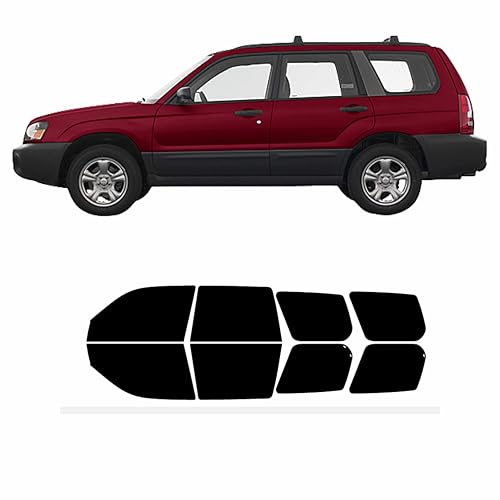
- Precision-cut tint kit for Driver and Passenger Windows. Film is fully trimmed...
- Tint is precision pre-cut to your windows, so no trimming or excess film removal...
- Choose from premium 5%, 20%, 35%, or 50% shades, with the option to mix shades...
My Best Tip: Clean Tinted Windows When They Are Cool
Here is the tip I wish someone had told me years ago: never clean your tinted windows in direct sunlight or when the glass is hot. I learned this the hard way on a summer afternoon when my cleaner evaporated almost instantly and left a streaky mess that took three tries to fix.
Heat makes the film expand and soften, which means it is more vulnerable to scratches and lifting. When the glass is hot, the cleaning solution dries way too fast and leaves residue behind. I now clean my windows in the morning or evening when the car has been in the shade for a while.
This one change made a huge difference for me. The cleaner has time to break down dirt without drying on the surface, and the film stays firm and protected. It takes the same amount of effort, but the results are dramatically better.
Another small habit that helped me: use two microfiber cloths, one for applying the cleaner and one dry one for buffing. The dry cloth picks up any leftover moisture and leaves a crystal-clear finish. It sounds simple, but it completely changed how my windows look.
My Top Picks for Protecting Your Precut Tint Film
I have tested a handful of tint films over the years, and these two are the ones I trust with my own car. They are different enough that one will fit your needs better depending on your budget and priorities.
MotoShield Pro 1.5mil Precut Nano Carbon Window Tint Film — The Best All-Around Value
MotoShield Pro is what I put on my daily driver, and I love how forgiving it is to install. The 1.5mil thickness gives it a nice balance of durability without being too stiff to work with. It is perfect for someone installing tint for the first or second time.
The only trade-off is that it is not quite as heat-rejecting as ceramic options, but for the price, it is hard to beat.
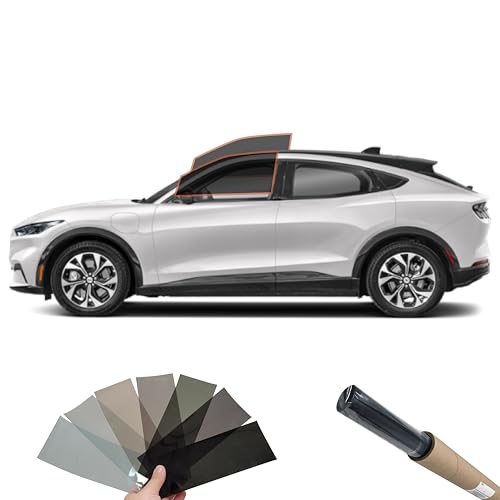
- HAND ASSEMBLED IN USA - REDUCE HEAT IN YOUR CAR: This nano carbon window tint...
- SUN-BLOCKING SOLAR SHADE: Preserve your car’s interior with superior...
- EASY INSTALLATION: This nano carbon window tint is only 1.5Mil thick, making it...
RockRose Precut Nano Ceramic Window Tint Kit for Cars — The Premium Choice for Heat Rejection
RockRose is the kit I recommend to friends who live in hot climates and want maximum comfort in the summer. The nano ceramic technology blocks significantly more heat than standard carbon film, which I noticed immediately on my afternoon commute. It is a bit more finicky to install because the film is thinner, but the payoff is worth it.
If you want the best heat rejection and do not mind a trickier install, this is the one.
- Precision Computer Cut Fit: Our car window tint is customized to your specific...
- Nano Ceramic Technology: Engineered with premium ceramic window tint film for...
- Ultimate UV Protection: Block harmful UV rays. This car window tint precut acts...
Conclusion
Using the right cleaner on your precut tint film is the difference between years of clear, dark windows and an expensive replacement. It really is that simple.
So grab your microfiber cloth and check your current spray bottle right now — if it has ammonia anywhere on the label, swap it out before your next wash. That one quick check could save you hundreds of dollars down the road.
Frequently Asked Questions about What Cleaning Products Are Safe for Precut Car Windows Tint Film?
Can I use vinegar and water to clean my tinted windows?
Yes, a 50/50 mix of distilled water and white vinegar is generally safe for tinted windows. I have used this mix for years on my own car without any peeling or discoloration. It cuts through grime and leaves a streak-free finish when you buff with a microfiber cloth.
The key is to use distilled water, not tap water, because tap water contains minerals that can leave spots. Also, never let the vinegar solution sit on the glass for too long. Spray lightly, wipe quickly, and you are good to go.
Is Windex safe for precut car window tint film?
No, standard Windex contains ammonia, which is the worst thing for tinted windows. Ammonia breaks down the adhesive that holds the film to the glass, causing bubbling and peeling over time. I learned this lesson the hard way when a friend used it on my rear window.
If you want to stick with a commercial product, look for Windex’s ammonia-free version or any cleaner labeled safe for window film. Always read the label before spraying anything on your tinted glass.
What is the best cleaning product for someone who needs a quick, safe option without hunting down specialty sprays?
You are smart to worry about this because most household cleaners hide ammonia or alcohol in their ingredient lists. That is a legitimate concern, and I have been burned by it myself. For a no-fuss solution, I recommend a simple mix of mild dish soap and distilled water in a spray bottle.
That said, if you want something ready-made that takes zero guesswork, I have had great luck with the MotoShield Pro kit that includes a safe cleaning solution. It is what I grabbed for my own car after my last tint repair.
- HAND ASSEMBLED IN USA - REDUCE HEAT IN YOUR CAR: This nano carbon window tint...
- SUN-BLOCKING SOLAR SHADE: Preserve your car’s interior with superior...
- EASY INSTALLATION: This nano carbon window tint is only 1.5Mil thick, making it...
Can I use baby wipes or glass wipes on tinted windows?
I would avoid baby wipes because many brands contain lotions and oils that leave a hazy film on glass. Glass wipes designed for cars are usually fine, but you still need to check the label for ammonia. If it does not say ammonia-free, do not use it.
My rule is simple: if I am not sure what is in it, I do not put it on my tint. The risk of ruining a $300 tint job is just not worth saving a few minutes with a convenient wipe.
Which tint film won’t let me down when I need durability and heat rejection in a hot climate?
Heat is the enemy of tint film, so your concern about durability in hot weather is completely valid. I have seen cheap film fail within a year in scorching summer sun. For maximum heat rejection and long-term durability, ceramic film is the best choice.
I installed the RockRose nano ceramic kit on my wife’s car last summer and it has held up beautifully through triple-digit heat. It is the one I sent my sister to buy for her truck.
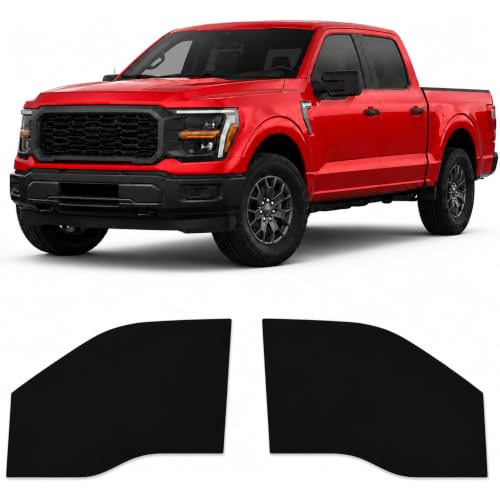
- CUSTOMIZE YOUR FORD TRUCK TINT KIT – Click “Customize Now” to enter your...
- PRECUT FRONT WINDOW TINT – Includes precision computer-cut tint for the front...
- AVAILABLE IN 5 SHADES – Choose from 5%, 15%, 20%, 35%, or 50% tint shades...
How often should I clean my tinted windows?
I clean my tinted windows every two to three weeks, or whenever they start looking dusty. Over-cleaning can actually wear down the film’s scratch-resistant coating, so you do not need to do it every day. A gentle wipe with a microfiber cloth and a tint-safe cleaner is all it takes.
If you park outside often, you might need to clean more frequently to remove pollen and bird droppings. Just remember to always use a clean microfiber cloth to avoid dragging dirt across the film and scratching it.