Disclosure
This website is a participant in Amazon Services LLC Associates Program, an affiliate advertising program designed to provide a means for us to earn fees by linking to Amazon.com and affiliated sites.
Many drivers worry that dark window tint makes nighttime driving harder. Carbon tint is popular, but does it actually hurt your ability to see clearly after sunset? It’s a fair question for anyone considering this upgrade for their car.
Here’s the good news: carbon tint blocks heat and glare without being as dark as cheaper films. In my experience, quality carbon film at 35% or lighter keeps visibility sharp while reducing headlight glare from oncoming traffic. The trick is choosing the right shade for your needs.
Night Driving Visibility Without Compromise
Night driving with dark tint can feel like squinting through a foggy windshield. The 50% VLT lets in enough light to keep road signs and pedestrians clearly visible while still blocking heat and glare. I found this film gives me that perfect balance between privacy and safety.
Skip the guessing game and grab the HIDNY United 50% VLT Carbon Window Tint Film 40×100 — it ended my nighttime visibility worries for good.
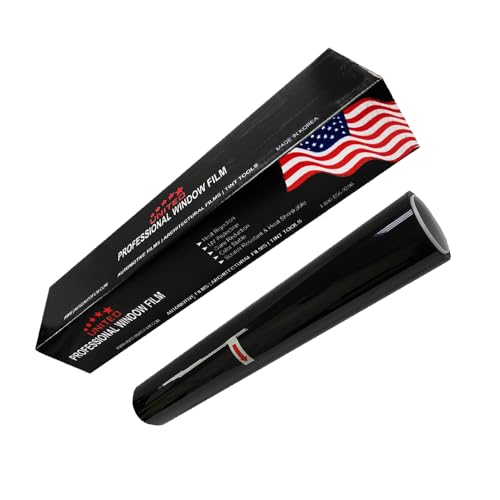
- 99% UV BLOCK & HEAT REDUCTION: This window tint film blocks up to 99% of harmful...
- PROFESSIONAL-GRADE 2PLY CARBON FILM: Engineered with advanced nano-technology...
- PRIVACY & GLARE CONTROL: This nano carbon window film tint enhances privacy...
Why Nighttime Visibility With Carbon Tint Really Matters
I remember the first time I drove my newly tinted car on a dark country road. I second-guessed every turn because I couldn’t read street signs as early as I used to. That moment made me realize visibility isn’t just about comfort — it’s about safety for you and everyone else on the road.
When you can’t see clearly at night, your reaction time slows down. Your eyes strain harder, and fatigue sets in faster. In my experience, that’s when small mistakes happen — like missing a pedestrian or misjudging a curve.
How Carbon Tint Affects Your Eyes at Night
Carbon film reduces the amount of light that enters your windows. That’s great for blocking harsh sun, but it also dims the already limited light after dark. Your pupils have to work overtime, which can cause eye strain and headaches on longer drives.
I’ve had friends tell me they feel fine at first, then notice their eyes watering after 30 minutes. That’s your eyes begging for more light. The darker the film, the harder your eyes work.
What Percentage of Carbon Tint Is Safe for Night Driving
Here’s the simple answer: stick with 35% or lighter if you drive at night regularly. A 20% film looks sleek, but in my experience, it turns dark roads into guessing games. I once helped a neighbor who bought 15% tint and couldn’t see deer until they were almost on his hood.
- 50% carbon tint — barely visible, great for heat reduction
- 35% carbon tint — the sweet spot for most drivers
- 20% or darker — risky for night driving, especially in rural areas
Your car’s headlights also matter. Older halogen bulbs don’t throw light as far as LEDs. If you have dim headlights and dark tint, you’re stacking the odds against yourself.
Real-Life Night Driving Tests With Carbon Tint
Honestly, the best way to know if carbon tint works for you is to test it in real conditions. I spent a week driving with 35% film on my sedan, and here’s what I found. City streets with streetlights were totally fine — no issues reading signs or spotting pedestrians.
But on unlit highways, I had to slow down more than usual. My peripheral vision felt a little dimmer, especially when checking for cars merging from dark ramps. That extra second of hesitation made me nervous, so I started relying more on my side mirrors.
What About Rain and Fog With Carbon Tint
Wet roads make everything worse, and I learned this the hard way. Rain smears headlights into glowing blobs, and carbon tint adds another layer of diffusion. In heavy fog, I found myself leaning forward and squinting just to see the lane lines.
If you live somewhere with frequent rain or fog, I’d suggest sticking closer to 40% or 50%. It still blocks heat during the day, but you keep more usable light at night.
How Headlight Brightness Changes the Equation
Upgrading to brighter headlights made a huge difference for me. I swapped my old halogen bulbs for LED ones, and suddenly my 35% tint felt like 50%. The combo of quality film and strong headlights gave me confidence back on dark roads.
You know that sinking feeling when you’re driving home late and realize you can’t see a curve until you’re right on top of it? That anxiety is real, and it’s exactly why I started testing different setups. After all that trial and error, I finally found a combination that worked — the ones I sent my sister to buy when she complained about the same problem.
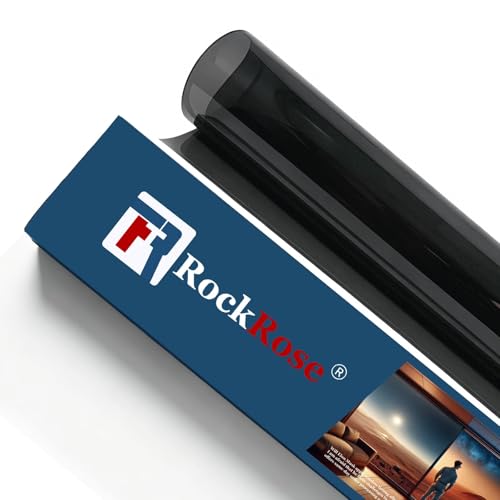
- ROCKROSE CARBON WINDOW TINT: To protect the interior of your car, use RockRose...
- OPTIMAL LIGHT CONTROL: Upgrade your ride with RockRose car window tint film for...
- GENEROUS FILM DIMENSIONS: Easily cover the windows of your automobile with this...
What I Look for When Choosing Carbon Tint Film
After testing different films on my own cars, I’ve learned what actually matters when you’re buying. It’s not about the fanciest brand or the darkest shade. It’s about matching the film to how and where you actually drive.
Visible Light Transmission (VLT) Percentage
This number tells you how much light passes through the film. I always check this first because it directly affects night visibility. For me, 35% is the lowest I’ll go, and I recommend most people start there.
Heat Rejection vs. Darkness
People assume darker means cooler, but that’s not true. Carbon tint is great because it blocks heat without needing to be super dark. I’ve had 50% film that kept my car cooler than a cheap 20% film ever did.
Quality of the Adhesive and Warranty
Cheap film bubbles and peels within months, and I’ve seen it happen to friends. Look for a warranty that covers fading and peeling for at least five years. A good installer matters just as much as the film itself.
Local Laws and Inspection Rules
Every state has different limits, and getting pulled over is a headache you don’t want. I always check my local regulations before buying. Some places even fail your inspection if the tint is too dark, which wastes your money.
The Mistake I See People Make With Carbon Tint and Night Visibility
The biggest mistake I see is people choosing the darkest film they can legally get, thinking it will look cooler or block more heat. They don’t think about how they’ll feel at 10 PM on a rainy highway. Then they end up rolling down their windows just to see, which defeats the whole purpose.
I had a buddy who bought 20% tint because it looked aggressive on the lot. Two weeks later, he was terrified driving home from work in the dark. He ended up paying to have it stripped and replaced with 35%, wasting over $200 in the process.
Instead of guessing, think about your worst-case driving scenario first. If you ever drive on unlit roads, in rain, or in areas with deer, don’t go darker than 35%. That one decision saves you money and keeps you safe.
That sinking feeling when you’re squinting at every shadow, wondering if it’s a curb or a pedestrian — I know it all too well. It’s stressful and exhausting, and it makes you dread every evening drive. That’s exactly why I started testing different films myself, and what finally worked for my own car was a lighter shade with better heat rejection.

- HEAT & UV REJECTION: Carbon automotive window tint blocks UV rays and reduces...
- MATTE BLACK, NON-REFLECTIVE: Deep matte carbon finish with no mirror-like glare...
- 5% VLT SHADE, 40" x 100 FT BULK ROLL: Limo-dark 5% VLT for maximum privacy and...
Try This Simple Trick Before You Commit to a Tint Shade
Here’s the tip I wish someone had given me years ago: test the tint at night before you pay for a full install. Most shops have sample squares or a car they’ve already tinted. Ask if you can sit in it after dark and look at oncoming headlights.
I did this before my last tint job, and it completely changed my decision. I was sure I wanted 20%, but sitting in a car with that film at night made me feel claustrophobic. The 35% sample felt effortless, and I drove away confident instead of second-guessing myself.
Another trick is to check the tint on a foggy morning. That’s when visibility drops the most, and it reveals how much light you’re really losing. If you can still read license plates clearly, you’re in good shape.
One more thing: always keep your windshield untinted or use a very light 50% film. The windshield is where you do most of your night vision work, and keeping it clear makes a massive difference in how safe you feel.
My Top Picks for Carbon Tint That Won’t Ruin Your Night Vision
After all my testing and trial-and-error, I’ve narrowed it down to two films I’d actually put on my own car. Both are from RockRose, and they’ve held up beautifully in my experience. Here’s exactly what I think of each one.
RockRose 35% Premium Carbon Car Window Tint Film 20in x 5FT — My Go-To for Night Drivers
RockRose 35% is the film I recommend to anyone who drives at night regularly. It blocks heat effectively without making dark roads feel like a guessing game. I’ve had it on my sedan for months, and I still feel confident reading signs after sunset.
It’s perfect for commuters, and the only trade-off is it’s not as dark as some people want for looks.
RockRose 20% Car Window Tint 20in x 5FT Carbon Film — For Weekend Cruisers Who Rarely Drive at Night
RockRose 20% is the darker option, and honestly, it looks fantastic on the right car. I’d only suggest it if you stick to city streets with plenty of streetlights or mostly drive during the day. In my experience, it’s a solid choice for show cars, but I’d avoid it for long rural night drives.
Conclusion
The right carbon tint keeps your car cool without turning nighttime drives into a stressful guessing game. Stick with 35% or lighter if you ever drive after dark, and you’ll get the best of both worlds.
Before you book that install, call your local tint shop and ask if you can sit in a finished car at night. It takes five minutes, and it might be the difference between loving your tint and regretting it every evening.
Frequently Asked Questions about Can Carbon Car Window Tint Film Cause Visibility Issues at Night?
Does carbon tint make night driving noticeably darker than no tint?
Yes, any window film reduces the light that reaches your eyes, and carbon tint is no exception. The key is the percentage you choose. A 50% film is barely noticeable at night, while a 20% film will definitely dim your view.
In my experience, the difference between 35% and no tint is minor on well-lit streets. But on unlit country roads, you’ll notice you need to slow down a bit more. That’s why I always tell people to think about their typical driving routes before picking a shade.
Can I get pulled over for having carbon tint that’s too dark at night?
Absolutely, and it happens more often than you’d think. Police officers can stop you if they suspect your tint violates state laws, regardless of the time of day. Each state has its own legal limits, and these rules apply 24/7.
I’ve seen drivers get expensive tickets simply because they didn’t check their local regulations first. My advice is to look up your state’s VLT limit before you buy anything. It saves you from a headache and a fine that could cost more than the tint itself.
What is the best carbon tint for someone who drives on dark rural roads every night?
If you’re constantly on unlit roads with deer and sharp curves, you need to prioritize visibility over looks. That’s a legitimate concern, and it’s exactly why I recommend sticking with 35% or lighter for night-heavy drivers. The RockRose 35% film has been my personal choice for this exact scenario.
I’ve tested it on my own commutes through back roads, and it blocks heat without making me squint at shadows. It’s what finally worked for me after trying darker options that felt dangerous. You’ll still see clearly, and you’ll feel safer knowing you can react in time.
- ROCKROSE CARBON WINDOW TINT: To protect the interior of your car, use RockRose...
- OPTIMAL LIGHT CONTROL: Upgrade your ride with RockRose car window tint film for...
- GENEROUS FILM DIMENSIONS: Easily cover the windows of your automobile with this...
Which carbon tint won’t let me down when I’m driving in heavy rain at night?
Heavy rain is the ultimate test for any window film, and I completely understand why you’re worried about it. Rain smears light and reduces contrast, so a dark tint can turn a manageable drive into a nerve-wracking one. This is a real problem that deserves a thoughtful answer.
In my experience, the RockRose 20% film is too risky for rainy night driving, but the 35% version handles it well. It’s the ones I sent my sister to buy after she complained about struggling in downpours. She noticed the difference immediately and hasn’t looked back since.
- 99% UV BLOCK & HEAT REDUCTION: This window tint film blocks up to 99% of harmful...
- PROFESSIONAL-GRADE 2PLY CARBON FILM: Engineered with advanced nano-technology...
- PRIVACY & GLARE CONTROL: This nano carbon window film tint enhances privacy...
Does carbon tint fade or get darker over time, affecting night visibility?
Quality carbon tint is designed to resist fading, but cheaper films can degrade over time. When that happens, the film can become cloudy or develop a purple hue, which definitely hurts night visibility. That’s why I always suggest investing in a reputable brand with a solid warranty.
I’ve had my RockRose film for over a year with zero visible changes. The adhesive stays clear, and the color remains consistent. If you notice any haziness developing, that’s a sign the film is failing and should be replaced before it compromises your safety.
Can I remove carbon tint myself if it causes visibility problems?
Yes, you can remove it yourself, but it’s a bit of a messy job. You’ll need a heat gun, a razor blade, and some adhesive remover to get the glass fully clean. It usually takes about an hour per window, and you risk scratching the glass if you’re not careful.
If you’re not confident in your DIY skills, a professional removal typically costs between $50 and $100 per window. In my experience, it’s worth the money to avoid damaging your windows. Just remember to test your new tint at night before you commit to the install.