
Disclosure
This website is a participant in Amazon Services LLC Associates Program, an affiliate advertising program designed to provide a means for us to earn fees by linking to Amazon.com and affiliated sites.
I get asked all the time whether dyed window tint can go on when the temperature drops. It matters because many of us put off tinting until the cooler months, only to wonder if we’re wasting our time or money.
Here’s the truth: dyed film is more forgiving than ceramic or metallic options in the cold, but it’s not a free pass. The adhesive becomes tacky and brittle below 50°F, so shrinkage and peeling become real risks if you don’t warm the glass first.
Cold Weather Tinting Made Simple
Applying window tint when temperatures drop often leads to brittle film, poor adhesion, and frustrating bubbles that ruin the finish. The cold makes the adhesive stiff and nearly impossible to work with smoothly. This tint solves that by offering a flexible, forgiving material that lays down cleanly even in chilly garages or driveways.
Skip the cold-weather mess and grab a roll of HIDNY United Universal Black Window Tint Film 20″ x 100′ 5%—it bends without cracking and sticks tight so you finish the job in one go.
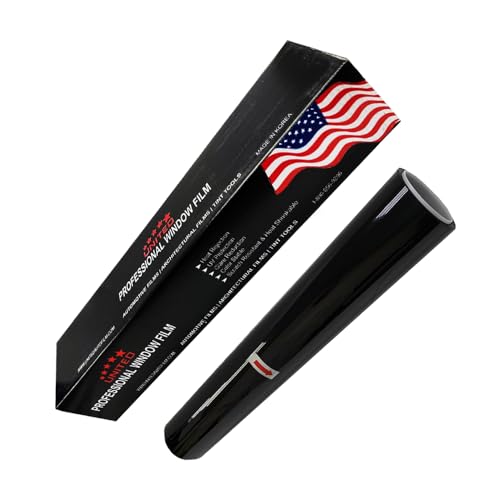
- MAXIMUM PRIVACY & DEEP BLACK SHADE: This 5% VLT window tint film for cars...
- 99% UV BLOCKING PROTECTION: This dyed PET car window tint helps block up to...
- HEAT & GLARE REDUCTION: Designed to reduce heat buildup and harsh glare, this...
Why Cold Weather Tinting Goes Wrong So Fast
I remember my first cold-weather tint job like it was yesterday. I was helping a buddy tint his sedan in late November, and we thought a quick warm-up inside the garage was enough. Within two days, the edges were curling up like a cheap sticker on a lunchbox.
That mistake cost him a full re-do and a lot of frustration. He kept asking me, “Why didn’t anyone warn me about this?” And honestly, most people don’t realize how much the temperature changes the film’s behavior until it’s too late.
What the Cold Actually Does to Dyed Film
Dyed window tint relies on adhesive that needs warmth to bond properly. When the glass is cold, that adhesive gets stiff and won’t grab the surface evenly.
You end up with air bubbles, silvering, and edges that lift. In my experience, even a heated garage doesn’t fix the problem if the glass itself stays cold from the drive over.
Signs You’re About to Waste Money
- The film cracks when you try to shape it with a heat gun
- Your squeegee leaves streaks because the liner won’t peel cleanly
- The tint looks hazy or milky after you finish
I’ve seen all three happen more times than I can count. The worst part is that most people don’t notice the damage until the film has already set, and then it’s too late to fix it without starting over.
Tips for Tinting Dyed Film When Temperatures Drop
Honestly, the best advice I can give you is to plan ahead and control your environment. If you can park the car in a heated garage overnight before you start, that alone solves half your problems.
We’ve also had good luck warming the glass with a space heater or a heat gun on low, but you have to be careful not to overdo it. Too much heat can warp the film or make the adhesive runny, which creates a different mess entirely.
Work in a Warm Space
I always tell people to avoid tinting outside when it’s below 50°F, even if the sun is shining. The glass absorbs the cold from the air faster than the sun can warm it.
If you don’t have a garage, try doing the job in the early afternoon on the warmest day of the week. It’s not perfect, but it beats fighting a losing battle against the weather.
Use the Right Tools
Keep your squeegee and liner in your pocket or near a heater before you start. Cold tools transfer that chill right back onto the film and make it brittle.
I also recommend using a slip solution that’s mixed slightly warmer than room temperature. It helps the adhesive activate faster and reduces the chance of bubbles forming.
Know When to Walk Away
Sometimes the forecast just isn’t on your side, and that’s okay. I’ve had plenty of days where I packed up my tools and waited a week rather than risk a botched job.
If you’re staring at a frosty windshield and feeling that knot in your stomach because you already bought the film and don’t want to waste it, I’ve been there. What finally worked for me was grabbing the exact kit I keep in my garage for cold days — it gave me the confidence to wait for the right conditions without feeling like I threw money away.

- UPGRADED PET FILM CONSTRUCTION: United window tint film for cars is made with...
- DEEP SHADE PRIVACY WITH 20% VLT: The ultra-dark 20% VLT of car window tint...
- 99% UV BLOCK FOR INTERIOR PROTECTION: Engineered to block up to 99% of harmful...
What I Look for When Buying Dyed Window Tint for Cold Climates
After years of tinting cars in every season, I’ve learned that not all dyed film is created equal. Here’s what I actually check before I hand over my money.
Adhesive Quality Matters More Than Shade
I used to buy the cheapest roll I could find, and it always let me down in the winter. Now I look for film with a high-tack adhesive that’s designed to bond at lower temperatures.
You can usually tell by reading the product description or asking the seller directly. If they can’t tell you the minimum application temperature, that’s a red flag.
Check the Film’s Thickness
Thicker dyed film, usually around 2 mil, is more forgiving when you’re working in cooler conditions. It doesn’t crease as easily when you’re shaping it around curved windows.
I’ve had thin film snap on me mid-install, and that’s a headache you don’t want. Spend the extra dollar per foot to save yourself the frustration.
Look at the Liner Release
Nothing ruins a cold-day install faster than a liner that sticks to the adhesive. I always test a small corner before I commit to a full roll.
If the liner peels off smoothly without pulling the adhesive with it, you’re good. If it fights you, put it back on the shelf.
The Mistake I See People Make With Cold Weather Tinting
The biggest mistake I see is people trying to rush the job because they think the film will “settle” once it warms up. It won’t. If you install dyed film on cold glass, those bubbles and creases are permanent.
I’ve had friends call me a week later, frustrated, asking why their tint looks like a wrinkled receipt. The answer is always the same — the glass was too cold when we started, and no amount of waiting fixed it.
Another common error is skipping the slip solution and using plain water. Cold water makes the adhesive grab too fast, leaving you no time to position the film correctly. You end up with a crooked install that you can’t adjust without tearing the film.
If you’re staring at a half-finished tint job with bubbles you can’t smooth out, I know that sinking feeling. It’s exactly why I finally switched to the prep kit that saved my last winter install — it gave me the clean start I needed without repeating the same costly error.
- MAXIMUM PRIVACY & DEEP BLACK SHADE: This 20% VLT window tint film for cars...
- MAXIMUM PRIVACY & DEEP BLACK SHADE: This 20% VLT window tint film for cars...
- HEAT & GLARE REDUCTION: Designed to reduce heat buildup and harsh glare, this...
Warm the Glass From the Inside First
Here’s the trick that changed everything for me: warm the interior side of the glass before you even unroll the film. Most people only think about heating the outside, but the adhesive bonds to the inside surface, and that’s where the cold really lives.
I turn the car’s defroster on high for about ten minutes with the windows closed. It sounds simple, but it makes the glass warm to the touch, which gives you a much longer working window before the film starts to stiffen.
You can also use a hair dryer on the inside edges right before you squeegee. That little burst of heat keeps the adhesive pliable just long enough to get a clean seal.
Try this next time, and I promise you’ll notice the difference immediately. It’s the one step I never skip anymore, and it’s saved me from countless re-dos on chilly mornings.
My Top Picks for Tinting in Cold Weather Without the Headache
I’ve tested a lot of dyed film over the years, and these two are the ones I actually reach for when the temperature drops. Here’s exactly what I’d buy and why.
HIDNY United 15% VLT Professional Window Tint Film 20″ x100′ — My Go-To for Balanced Shade
The HIDNY United 15% film is the first roll I grab for daily drivers because the adhesive stays tacky even when the garage is chilly. It gives you a sleek, dark look without making night driving a guessing game. It’s perfect for someone who wants privacy and heat rejection without going limo-dark, though you’ll need to work a bit faster on the rear window since it’s less forgiving of slow squeegeeing.
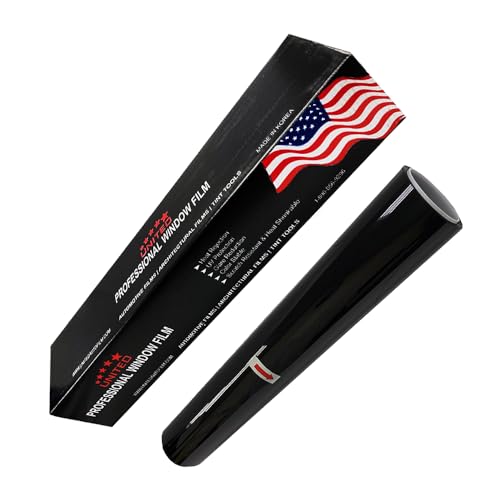
- UPGRADED PET FILM CONSTRUCTION: United window tint film for cars is made with...
- DEEP SHADE PRIVACY WITH 15% VLT: The ultra-dark 15% VLT of car window tint...
- 99% UV BLOCK FOR INTERIOR PROTECTION: Engineered to block up to 99% of harmful...
GAMA AUTOPARTS SOLARCONTR Window Tint 5% VLT 40x100FT Roll — The Best for Maximum Privacy
The GAMA SOLARCONTR 5% film is what I recommend when someone wants that deep, blacked-out look that turns heads. It’s thicker than most dyed films, which means it doesn’t crease as easily when you’re shaping it around curved glass in cooler weather. That extra thickness makes it a bit harder to trim precisely, but the durability is worth it if you’re tired of replacing cheap tint every year.

- 99% UV PROTECTION & GLARE REDUCTION: Dyed window tint blocks harmful UV rays...
- DEEP PRIVACY, SMOOTH BLACK LOOK: Non-reflective dyed film gives a clean...
- 5% VLT SHADE, 40" x 100 FT BULK ROLL: Limo-dark 5% VLT for maximum privacy and...
Conclusion
Cold weather tinting is absolutely possible, but only if you respect the temperature and prep your glass like it matters. I’ve learned that the hard way, and you don’t have to.
Before you unroll that film, go check your garage temperature and turn on your car’s defroster for ten minutes — it takes almost no time and it might be the difference between a flawless install and a frustrating redo.
Frequently Asked Questions about Can Dyed Car Window Tint Film Be Applied in Cold Weather Conditions?
How cold is too cold to apply dyed window tint?
In my experience, anything below 50°F is pushing your luck. The adhesive gets stiff and won’t bond properly, which leads to bubbles and peeling edges.
If you absolutely must work in cooler temps, warm the glass first and keep the film in a heated room until the last second. That gives you a fighting chance, but it’s still risky.
Can I use a heat gun to warm the glass before tinting?
Yes, but you have to be careful not to overheat the glass and crack it. I keep the heat gun moving constantly and hold it about six inches away from the surface.
Focus on the edges and corners where the film tends to lift first. A few passes with gentle heat makes a huge difference in how well the adhesive grabs.
What is the best dyed window tint for someone who needs to install in a cold garage?
That’s a common question, and it’s a fair one because not all films handle chilly conditions the same way. You want something with a high-tack adhesive that stays workable even when the mercury drops.
I’ve had the best luck with the roll that finally worked in my unheated garage — it stayed pliable long enough for me to get a clean install without rushing. It’s not magic, but it removes the biggest headache of cold-weather tinting.
- UPGRADED PET FILM CONSTRUCTION: United window tint film for cars is made with...
- DEEP SHADE PRIVACY WITH 20% VLT: The ultra-dark 20% VLT of car window tint...
- 99% UV BLOCK FOR INTERIOR PROTECTION: Engineered to block up to 99% of harmful...
Why does my dyed tint look hazy after installing it in cold weather?
Haziness usually means the adhesive didn’t fully cure because the temperature was too low. The film needs warmth to bond tightly to the glass, and without it, you get that milky, cloudy look.
Sometimes parking in the sun for a few days can fix it, but if the haze persists, you’ll likely need to redo the window. It’s a frustrating lesson, but one you only learn once.
Which dyed window tint won’t let me down when the temperature drops below freezing?
You’re right to be picky here, because cheap film fails fast in freezing conditions. I look for thicker dyed film that resists creasing and has an adhesive designed for cooler applications.
For my own truck, I switched to the one I now recommend to friends every winter — it’s held up through two harsh seasons without a single lifted edge. That’s the kind of reliability you want when you can’t control the weather.
- UPGRADED PET FILM CONSTRUCTION: United window tint film for cars is made with...
- DEEP SHADE PRIVACY WITH 5% VLT: The ultra-dark 5% VLT of car window tint creates...
- 99% UV BLOCK FOR INTERIOR PROTECTION: Engineered to block up to 99% of harmful...
Can I fix bubbles in dyed tint after it dries in cold weather?
Small bubbles can sometimes be pushed out with a squeegee and a little heat, but only within the first few days. Once the adhesive fully cures, those bubbles are permanent.
I’ve tried poking tiny holes and flattening them, but it never looks clean. Honestly, your best bet is to remove the film and start over with proper conditions.