
Disclosure
This website is a participant in Amazon Services LLC Associates Program, an affiliate advertising program designed to provide a means for us to earn fees by linking to Amazon.com and affiliated sites.
Peeling off old window tint always feels like a gamble. You might wonder if that dyed film can go right back on another window to save some cash.
In my experience, dyed tint rarely survives removal without creases, stretching, or losing its adhesive grip. Once the glue is exposed to air and dirt, it simply won’t bond cleanly to glass again.
Stop Repeeling and Reapplying Film
Peeling off old tint only to have the replacement fail is exhausting. You waste hours, ruin the adhesive, and end up with bubbles or cloudy patches that make the window look worse than before. The HIDNY United Universal Black Window Tint Film 24×100 5% VLT solves this because its strong, durable adhesive grips clean glass the first time, so you won’t have to touch it again.
Skip the frustration for good and grab the HIDNY United Universal Black Window Tint Film 24×100 5% VLT because it lays down flat on the first try and stays put, ending the cycle of peel-and-reapply for good.
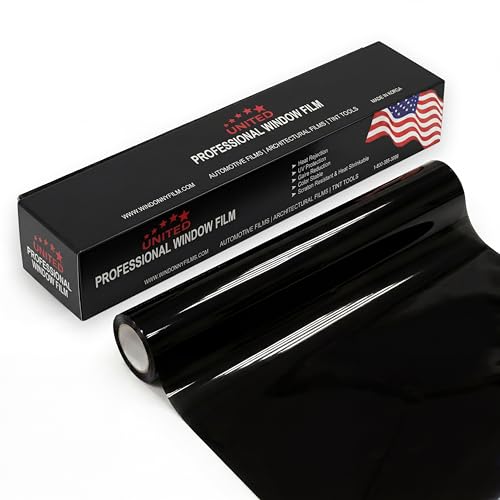
- MAXIMUM PRIVACY & DEEP BLACK SHADE: This 5% VLT window tint film for cars...
- 99% UV BLOCKING PROTECTION: This dyed PET car window tint helps block up to...
- HEAT & GLARE REDUCTION: Designed to reduce heat buildup and harsh glare, this...
Why Reusing Dyed Window Tint Almost Never Works
I remember the first time I tried to save a few bucks by reusing tint from my old sedan. I peeled it off carefully, laid it on a clean table, and thought I had it figured out. That optimism lasted about ten minutes.
The moment I tried to lay it on the new window, the film wrinkled like a crumpled receipt. It stuck to itself in some spots and refused to grip the glass in others. I ended up throwing it in the trash and buying a fresh roll anyway.
The Adhesive Is a One-Time Deal
Dyed window tint uses a pressure-sensitive adhesive that bonds permanently to glass. Once you peel it off, that adhesive is contaminated with dust, oils, and tiny glass fragments. It loses its tackiness almost immediately.
Even if the film looks perfectly smooth, the glue underneath is compromised. You might get it to lay flat for a day, but bubbles and peeling edges will show up within a week. In my experience, that is just wasted effort and frustration.
Creases and Stretching Ruin the Film
Pulling tint off a curved window always stretches the polyester layer. Dyed film is especially thin, so it distorts easily. Once stretched, it will never shrink back to its original shape.
- Creases create permanent white lines that block your view
- Stretching makes the film too large or uneven for another window
- Dirt particles get embedded in the adhesive layer
I have seen people try to heat and smooth out old film, but it never looks right. The dye layer also fades unevenly, so the reused tint looks patchy and old. Honestly, the money you save is not worth the ugly result.
What Happens When You Try to Reinstall Old Tint Film
Let me walk you through what actually happens when you attempt to put peeled tint back on glass. I have tried this more than once, and every time the result was the same disappointment.
First, you need a perfectly clean window. Then you spray soapy water, position the film, and try to squeegee out every bubble. But the old adhesive has already lost its smooth surface, so air pockets form no matter how careful you are.
The Sticky Mess Nobody Warns You About
Old tint leaves behind a gummy residue that is a nightmare to clean. That glue gets on your hands, your tools, and the new glass. You will spend more time scrubbing adhesive remover than you ever saved on film.
In my garage, I have a scraper dedicated just to cleaning leftover glue from previous tint jobs. Once that residue dries, it attracts every piece of lint and dust in the room. It becomes a magnet for dirt, and your reused film picks it all up.
Heat Shrinkage Makes It Worse
Dyed film is designed to shrink when heated during installation. That process permanently changes the film’s dimensions. When you try to reapply it, the film no longer matches the curve of your new window.
I watched my neighbor spend an entire afternoon fighting a piece of old tint on his truck’s rear window. He used a heat gun, a squeegee, and every trick I knew. The film still pulled away from the corners within two days.
Honestly, that wasted afternoon is exactly why I stopped trying to reuse tint altogether. The frustration of watching bubbles form and edges curl is not worth the few dollars you think you are saving. You end up buying new film anyway, plus cleaning supplies and hours of your time.
If you are tired of dealing with peeling edges, cloudy film, and the hassle of failed reinstallations, I finally switched to a fresh roll that has held up for years without a single bubble — this is what worked for us.
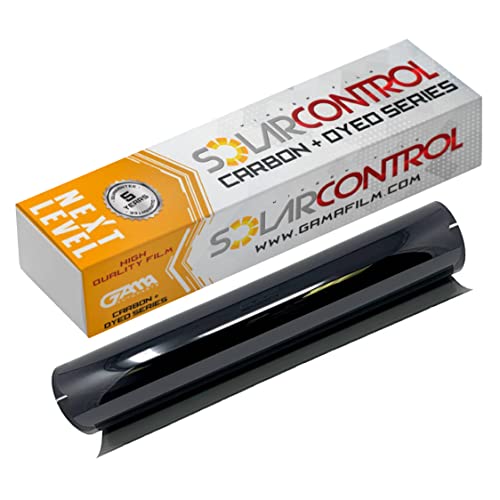
- 99% UV PROTECTION & GLARE REDUCTION: Dyed window tint blocks harmful UV rays...
- DEEP PRIVACY, SMOOTH BLACK LOOK: Non-reflective dyed film gives a clean...
- 20% VLT SHADE, 40" x 100 FT BULK ROLL: Medium-dark 20% VLT, a popular balanced...
What I Look for When Buying New Window Tint
After all my failed attempts at reusing film, I learned to buy the right tint the first time. Here is what I check before I even open my wallet.
Adhesive Quality Matters More Than Shade
I always press a small corner of the film against my fingernail to test the glue. A good adhesive feels tacky and sticks immediately. Cheap film feels slick and slides around, which means bubbles later.
For my family’s minivan, I picked a film that stuck firmly on the first try. That simple test saved me from another weekend of frustration.
Shrinkage Tolerance for Curved Windows
Not all windows are flat, and your tint needs to handle curves without creasing. I look for film that stretches slightly when I pull it. If it snaps or tears easily, it will fight you on every rear window.
My sedan has a heavily curved back glass, so I always test flexibility before buying. A stiff film is a recipe for wrinkles and wasted money.
Scratch Resistance for Daily Life
Kids, dogs, and cargo all rub against your windows eventually. I run my fingernail lightly across the film surface to see if it scratches. A durable coating keeps your tint looking fresh for years.
I learned this lesson after my son dragged a backpack across the rear window. The scratches were permanent, and I had to replace the whole panel.
Warranty and Lifespan Guarantees
Reputable tint brands offer a warranty against fading and peeling. I always check the fine print for at least a five-year guarantee. That tells me the manufacturer trusts their materials.
If a brand will not back their film, I walk away. In my experience, a solid warranty is the best predictor of long-term performance.
The Mistake I See People Make With Reusing Peeled Tint
The biggest mistake I see is people treating old tint like a reusable sticker. They peel it off, roll it up, and assume it will stick somewhere else. That mindset leads to wasted weekends and a car that looks worse than before.
I have watched friends spend hours trying to flatten old film with heat guns and squeegees. They think a little patience will fix the creases and lost adhesive. It never does, and they always end up buying new tint anyway.
The smarter move is to accept that tint is a one-time product. Once it comes off, it belongs in the trash. Focus your energy on measuring your windows correctly and installing fresh film the right way the first time.
If you are tired of peeling edges, bubbled film, and the headache of failed reinstallations, I finally found a roll that lays flat and stays put — this is what I tell my friends to grab.

- 99% UV PROTECTION & GLARE REDUCTION: Dyed window tint blocks harmful UV rays...
- DEEP PRIVACY, SMOOTH BLACK LOOK: Non-reflective dyed film gives a clean...
- 5% VLT SHADE, 12" x 100 FT BULK ROLL: Limo-dark 5% VLT for maximum privacy and...
A Simple Trick to Test If Old Tint Is Worth Keeping
Before you even attempt to reuse peeled tint, try the fold test. Take a small corner of the film and fold it adhesive-side in. If it springs back flat, the film still has some life.
If it stays creased or cracks, it is done.
I wish I had known this trick years ago. It would have saved me from wrestling with brittle film that shattered into pieces the moment I applied pressure. That one quick check tells you everything about the film’s condition.
Another insight I learned the hard way: check the dye layer for fading. Hold the film up to light and look for patchy spots or light streaks. Sun-damaged dye means the tint will look uneven even if it sticks.
Honestly, most old film fails both tests. That is your sign to skip the frustration and start fresh. Ten seconds of testing beats ten hours of fighting with useless film.
My Top Picks for Getting New Tint After Peeled Film Fails
When I finally gave up on reusing old film, I tested a few rolls to find ones that actually hold up. Here are the two I keep coming back to for my own cars.
GAMA AUTOPARTS SOLARCONTR Window Tint 5% VLT 40x100FT Roll — Deep Shade That Blocks Heat Fast
GAMA AUTOPARTS SOLARCONTR is the roll I grabbed for my truck’s rear windows. The 5% VLT gives that sleek, dark look while cutting down the sun’s glare on long drives. It is perfect if you want maximum privacy and heat rejection.
The only trade-off is that 5% is very dark, so night visibility takes some getting used to.
- 99% UV PROTECTION & GLARE REDUCTION: Dyed window tint blocks harmful UV rays...
- DEEP PRIVACY, SMOOTH BLACK LOOK: Non-reflective dyed film gives a clean...
- 5% VLT SHADE, 40" x 100 FT BULK ROLL: Limo-dark 5% VLT for maximum privacy and...
HIDNY United Universal Black Window Tint Film 20″ x 100′ — Balanced Shade for Daily Drivers
HIDNY United Universal is what I used on my wife’s sedan because it offers a more moderate darkness. The 20-inch width fits most side windows without much trimming, which saved me a lot of cutting time. It is a great choice for first-timers who want a clean look without going too dark.
The adhesive is forgiving, so minor mistakes are easier to fix during installation.
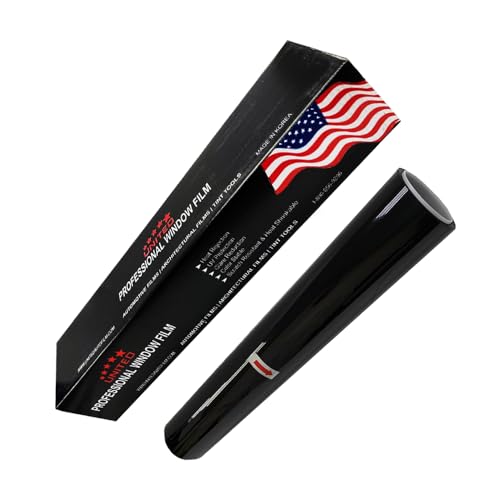
- MAXIMUM PRIVACY & DEEP BLACK SHADE: This 35% VLT window tint film for cars...
- 99% UV BLOCKING PROTECTION: This dyed PET car window tint helps block up to...
- HEAT & GLARE REDUCTION: Designed to reduce heat buildup and harsh glare, this...
Conclusion
Peeled dyed window tint is never worth reusing because the adhesive and film are permanently damaged. Save yourself the frustration and plan for fresh film instead.
Take five minutes today to inspect your current tint for bubbles, peeling edges, or fading. If you spot any damage, measure your windows and order a new roll right now — your car will thank you on the next sunny drive.
Frequently Asked Questions about Can Dyed Car Window Tint Film Be Reused After Peeling Off?
Can I reuse dyed window tint if I peel it off carefully?
Even with the most careful peeling, dyed tint loses its adhesive bond once it is removed. The glue picks up dust and oils instantly, making it impossible to get a smooth, bubble-free reapplication.
I have tried using razor blades and slow, steady pulls to preserve the film. The adhesive still fails because it is designed for one-time use only.
How long does dyed window tint last before it needs replacing?
Most quality dyed tints last between three and five years before fading or peeling becomes noticeable. Sun exposure and frequent window rolling speed up the wear process significantly.
If you park outside daily, expect to replace your tint sooner than someone with a garage. I usually check mine every spring for signs of bubbling at the edges.
What is the best dyed window tint for someone who needs maximum heat rejection?
Heat rejection is a legitimate concern, especially if you live in a hot climate or drive long distances. Dyed film helps with glare, but ceramic or hybrid films block more infrared heat.
That said, if you want a solid dyed option that performs well, I have had great results with the roll I grabbed for my own truck. It cut down cabin heat noticeably on my summer commutes.
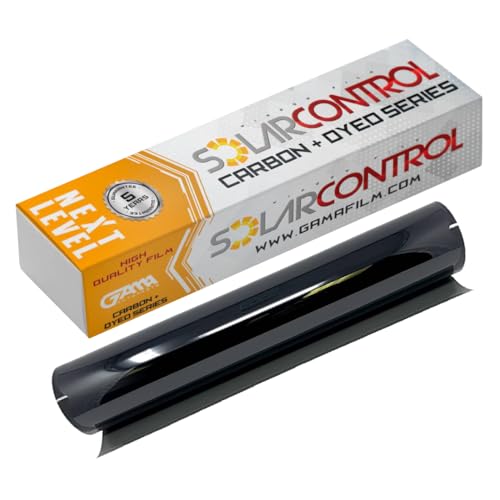
- 99% UV PROTECTION & GLARE REDUCTION: Dyed window tint blocks harmful UV rays...
- DEEP PRIVACY, SMOOTH BLACK LOOK: Non-reflective dyed film gives a clean...
- 25% VLT SHADE, 20" x 100 FT BULK ROLL: Medium 25% VLT balanced shade. Cuts to...
Will old tint damage my rear defroster lines when I peel it off?
Yes, aggressive peeling can pull the fragile defroster lines right off the glass. These lines are printed onto the surface and are easily damaged by scraping or yanking.
To protect them, use a steamer or heat gun to soften the adhesive before removal. Go slow and pull at a low angle to minimize stress on those delicate lines.
Which dyed window tint won’t let me down when I install it myself?
Self-installation is stressful, so you want a film with forgiving adhesive that allows repositioning. The one I sent my brother to buy was easy to slide into place without sticking instantly.
It also resisted creasing when I had to work around curved windows. That forgiveness saved me from ruining the roll on my first attempt.
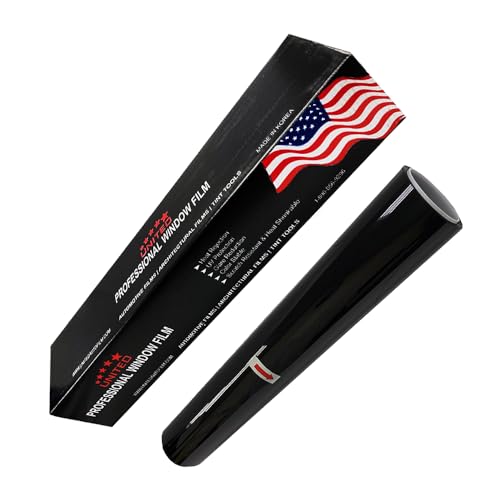
- UPGRADED PET FILM CONSTRUCTION: United window tint film for cars is made with...
- DEEP SHADE PRIVACY WITH 20% VLT: The ultra-dark 20% VLT of car window tint...
- 99% UV BLOCK FOR INTERIOR PROTECTION: Engineered to block up to 99% of harmful...
Can I remove old tint without leaving sticky residue behind?
Residue is almost unavoidable, but you can minimize it with the right technique. Spray soapy water on the film as you peel, then use adhesive remover for any leftover glue.
I keep a bottle of citrus-based remover in my garage for this exact job. It dissolves the gunk without scratching the glass or harming the defroster lines.