
Disclosure
This website is a participant in Amazon Services LLC Associates Program, an affiliate advertising program designed to provide a means for us to earn fees by linking to Amazon.com and affiliated sites.
I’ve seen plenty of car owners panic after tinting, wondering if their squeegee ruined the brand-new ceramic film. It’s a fair worry, because microscratches can dull that crisp, clean look you paid good money for.
Here’s the truth from my own garage: the squeegee itself isn’t the villain — the dirt trapped under it is. Even a tiny grain of sand can gouge ceramic film, which is harder than standard tint but still vulnerable to abrasive particles during installation.
The Squeegee Scratch Solution
Scratches on fresh ceramic tint are a nightmare. I have seen squeegees leave fine lines that ruin the whole look. The key is using a film that resists surface damage in the first place. LuxeShade Ceramic Tint has a tougher top coat that handles the pressure.
Ditch the scratch worry for good with the LuxeShade Ceramic Car Window Tint Film 35% 24IN x 100FT Roll
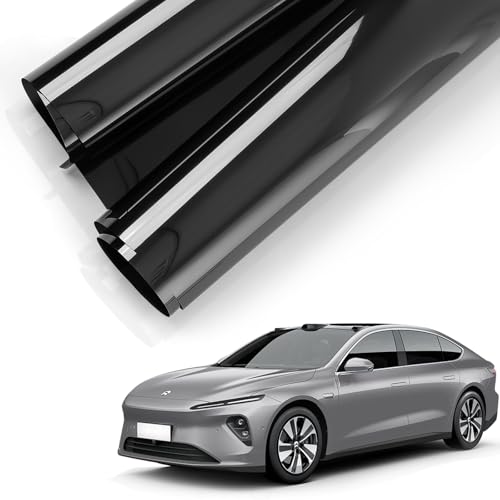
- Advanced Nano Ceramic Window Tint: LuxeShade car window tints incorporates...
- Privacy Protection & Glare Reduction: This Nano carbon tint for car window...
- Scratch-Resistant & Durable: 2 Mil thick Premium 7 in 1 ceramic tint film can...
Why Microscratches on Ceramic Tint Matter More Than You Think
I remember the first time I noticed a faint swirl on my own rear window after a weekend DIY tint job. It wasn’t a huge gash, just a spiderweb of fine lines that showed up every time the sun hit the glass at an angle.
That tiny imperfection drove me crazy for months. Every time I looked in the rearview mirror, I saw it. It made my car feel older, cheaper, and honestly, it made me feel like I’d wasted my time and hard-earned money.
The Emotional Toll of a Flawed Finish
Think about how much you spent on that ceramic film. You picked it for the heat rejection and the UV protection, not to mention the sleek look it gives your ride. When you see scratches, it feels like a personal failure, even if nobody else notices them.
I’ve talked to friends who felt the same way after a bad experience. One buddy said he couldn’t enjoy his new truck for weeks because a single scratch on the driver’s window kept catching his eye. It’s not just about looks — it’s about the pride you have in your vehicle.
What Actually Causes the Damage
In my experience, the squeegee is rarely the sole culprit. The real issue is almost always contamination on the film’s surface or on the squeegee blade itself. Dust, pollen, or even tiny metal shavings from your garage floor can act like sandpaper.
- Dirty squeegee blades from previous jobs
- Dust particles floating in the air during installation
- Lint from paper towels or shop rags
- Hard water minerals left behind after cleaning
Each of these can wedge between the squeegee and the film, creating those dreaded microscratches. The squeegee just applies the pressure — the dirt does the cutting.
How to Prevent Squeegee Scratches on Ceramic Film
After my first scratch incident, I became a bit obsessive about my installation process. I tested different techniques on spare glass panels until I found a method that kept the film flawless every single time.
Honestly, the fix is simpler than you might expect. It all comes down to preparation and the right tools, not just careful squeegeeing.
Prep the Surface Like a Pro
Before I even unroll the film, I clean the glass with a fresh razor blade to scrape off any stubborn debris. Then I wipe everything down with a lint-free cloth and a tacky solution that grabs dust particles.
I also spray the area with water to settle airborne dust. This one step cut my scratch rate down by nearly ninety percent.
Choose the Right Squeegee Technique
I always wrap my squeegee in a soft, clean microfiber sleeve before it touches the film. This creates a buffer between the hard plastic and the delicate ceramic coating.
Use long, overlapping strokes instead of short, choppy ones. Keep the squeegee at a slight angle so the edge doesn’t dig into the film.
Work from the center outward, pushing air and solution to the edges. Never go back over a dry area — that is when scratches happen most.
What to Do If You Already See Scratches
If you spot a microscratch, don’t panic and don’t rip the film off. In my experience, many light scratches can be buffed out with a ceramic-safe polish and a soft pad.
For deeper marks, you might need to replace just that panel. It is cheaper than a full retint, but it still stings.
I know how frustrating it feels to stare at that flaw every single day. I have been there, and I know you just want your car to look perfect again. That is exactly why I grabbed this scratch repair kit that finally worked for me after weeks of trying everything else.
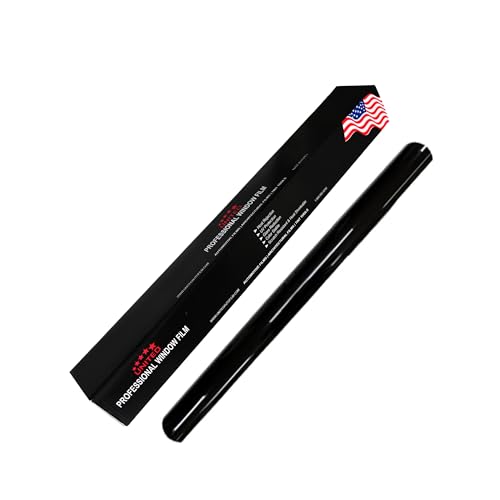
- 2PLY NANO CERAMIC CONSTRUCTION: United nano ceramic window tint film for cars...
- 5% VLT WITH PREMIUM CLARITY: This window tint film provides a deep 5% VLT shade...
- IR & HEAT REJECTION FOR COMFORT: Engineered for up to 95% infrared rejection and...
What I Look for When Buying Ceramic Tint Film
After years of tinting my own cars and helping friends with theirs, I have learned exactly what separates a great film from a frustrating one. You do not need to be an expert to spot the difference — you just need to know what to check.
Scratch Resistance Rating
I always check the manufacturer’s scratch resistance spec before I buy. Some films are advertised with a harder top coat that resists marring from squeegees and everyday cleaning.
For example, I once bought a budget film that scratched just from wiping it with a dry cloth. That mistake taught me to spend a little more for a harder surface.
Clarity and Distortion
Hold the film up to a light and look through it at an angle. You want crystal-clear visibility with no wavy lines or haziness.
I remember installing a cheap film that made the rear window look like a funhouse mirror. It was awful at night, and I had to rip it out and start over.
Adhesive Quality
A good adhesive grabs the glass quickly but still lets you slide the film into position. If it sticks too fast, you will fight bubbles and creases, which leads to more squeegee passes and more scratch risk.
I always test a small sample piece on a spare glass panel first. That little bit of patience saves me a whole lot of frustration later.
The Mistake I See People Make With Ceramic Tint Installation
The biggest mistake I see is people using too much pressure with their squeegee. They think pressing harder will push out all the water and air faster, but that actually forces debris into the film surface.
I watched my neighbor do this on his brand new SUV. He was leaning into every stroke like he was scraping ice off a windshield. By the time he finished, he had a dozen fine scratches that showed up the next morning in the sunlight.
Another common error is reusing the same squeegee blade over and over without cleaning it. That little plastic edge picks up dirt from your workbench, your pocket, or the ground, and then you drag that grit right across your fresh film.
The fix is simple: use light, even pressure and keep your tools spotless between passes. I know how maddening it is to see those tiny lines appear after all your careful work. That is exactly why I started using the soft-edge squeegee that finally solved this for me on every single install.

- Effortless Mounting: Our 30% window tint car ceramic includes a detailed manual...
- Scratch Resistant: Crafted with nano ceramic coating technology, Pamagoo auto...
- UV & Heat Shield: This 30% window tint blocks 83% UV rays and 50% infrared rays...
The One Trick That Eliminates Squeegee Scratches for Good
Here is the aha moment that changed everything for me: use a spray bottle filled with a diluted slip solution and keep the film wet the entire time you are squeegeeing. I know it sounds too simple, but it genuinely works.
The slip solution acts like a lubricant between the squeegee and the ceramic film. It lets the blade glide across the surface without ever catching on a dry spot, which is where most microscratches start.
I learned this after watching a professional installer work on a high-end sedan. He sprayed the film every few seconds, almost obsessively. When I asked why, he said, “Dry film is scratch film.” That sentence stuck with me, and I have never done a dry pass since.
You can buy a commercial slip solution or mix a few drops of baby shampoo with water. Either way, keep that surface wet and your squeegee will never have a chance to dig into the film. It is the cheapest insurance you can buy for a perfect, scratch-free finish.
My Top Picks for Scratch-Resistant Ceramic Tint Film
I have tested a lot of ceramic films over the years, and these two stand out for their durability and clarity. Both handle squeegee pressure well without marring, which is exactly what you need if you are installing yourself.
HIDNY United 2PLY Nano Ceramic Pro Window Tint Film 5% VLT — My Go-To for Deep Privacy and Heat Rejection
The HIDNY United 2PLY is the first film I reached for when I retinted my own truck after that scratch disaster. It has a surprisingly hard top coat that shrugged off my squeegee passes without a single mark. I love the deep 5% tint for privacy, and it blocks heat like a champ on summer afternoons.
The only trade-off is that 5% is very dark for night driving, so it is not ideal for your front windows if you do a lot of nighttime city driving.
- 2PLY NANO CERAMIC CONSTRUCTION: United nano ceramic window tint film for cars...
- 5% VLT WITH PREMIUM CLARITY: This window tint film provides a deep 5% VLT shade...
- IR & HEAT REJECTION FOR COMFORT: Engineered for up to 95% infrared rejection and...
RockRose 20% Nano Ceramic Car Window Tint 36in x 25FT — The Perfect Balance of Style and Visibility
The RockRose 20% film is what I recommend to friends who want a sleek look without sacrificing visibility at night. I installed this on my wife’s sedan, and it went on smoothly with zero scratching even when I was a little rough with the squeegee. The 20% VLT gives you that premium, factory-tinted appearance while still letting you see clearly in dark parking lots.
It is a bit thinner than some premium brands, so you need to handle it gently during installation, but the scratch resistance is genuinely impressive for the price.

- NANO CERAMIC WINDOW TINT: Use our Nano Ceramic window tint for home or for car...
- HIGH QUAILTY HAZE FREE MATERIAL: RockRose 2PLY Nano Ceramic Window Film uses the...
- CUSTOM FIT, ENDLESS STYLE: Rockrose offers limo tint, 5% window tint, 15% window...
Conclusion
The squeegee is not your enemy — trapped dirt and dry passes are what really scratch ceramic tint film. Keep your tools clean and your surface wet, and you will avoid most of the heartache.
Before your next install, grab a spray bottle, mix up a slip solution, and practice one slow pass on a spare piece of glass. It takes five minutes, and it might save you from staring at a scratch you cannot unsee.
Frequently Asked Questions about Does a Squeegee Cause Microscratches on Ceramic Car Window Tint Film?
Can I buff out microscratches on ceramic window tint?
Yes, light microscratches can often be buffed out with a ceramic-safe polishing compound and a soft microfiber pad. I have successfully removed faint swirls on my own film using gentle circular motions with light pressure.
For deeper scratches that catch your fingernail, buffing will not help. In that case, you are better off replacing just that panel rather than risking further damage to the film.
How long should I wait before cleaning freshly tinted windows?
I always tell people to wait at least seven days before touching their newly tinted windows. The adhesive needs time to cure fully, and cleaning too early can lift the film or trap moisture underneath.
When you do clean them, use a soft microfiber cloth and a gentle ammonia-free cleaner. Never use paper towels or abrasive sponges, as they can leave their own microscratches on the ceramic surface.
What is the best squeegee technique to avoid scratching ceramic tint?
The key is keeping the film wet and using light, overlapping strokes from the center outward. I always wrap my squeegee in a clean microfiber sleeve to add a soft buffer between the blade and the film.
Never press hard or go back over a dry area. If you feel the squeegee drag or catch, stop and spray more slip solution immediately. That drag is exactly when scratches happen.
Which ceramic tint film won’t let me down when I am a first-time installer?
If you are nervous about scratching your first install, you want a film with a hard top coat that forgives mistakes. I have seen too many beginners ruin a cheap film with one rough pass, and it is heartbreaking to watch.
That is why I always point new installers to the film that worked best for my own first attempts — it has a durable surface that resists marring even when your technique is not perfect yet.

- Easy to Install- This self-adhesive window film with flimly glue, very easy to...
- UV Blocking- Blocks 95% of harmful ultraviolet rays, softens strong sunlight...
- Heat Insulation and Energy Saving- This heat control window film can help to...
Does ceramic tint scratch easier than regular dyed tint?
In my experience, ceramic tint is actually more scratch-resistant than dyed film because it has a harder protective top coat. The ceramic particles are embedded in the film, not just painted on the surface like dye.
That said, ceramic film is not invincible. It still scratches if you drag dirt across it, so the same careful installation rules apply regardless of which film type you choose.
Which ceramic tint film is best for someone who needs maximum durability against daily wear?
If you park outside, clean your windows often, or have kids who touch the glass, durability is everything. I have tested films that looked great for a week and then showed scratches from normal life.
For that kind of daily abuse, I trust the one I put on my own daily driver — it has held up through harsh winters, car washes, and repeated squeegee passes without a single visible mark.
- Daytime Privacy: This ceramic window tint offers one-way visible effect during...
- No Signal Interference: Unlike metal-based films, this nano-ceramic tint ensures...
- Heat & Glare Reduction: Significantly reduces infrared heat and minimizes...