Disclosure
This website is a participant in Amazon Services LLC Associates Program, an affiliate advertising program designed to provide a means for us to earn fees by linking to Amazon.com and affiliated sites.
You might think any window tint blocks heat, but dyed film works differently than you expect. The difference matters because it affects how comfortable your car feels in summer.
Dyed tint absorbs solar energy, but it mainly blocks glare and UV rays rather than infrared heat. In my experience, the car stays cooler than no tint, yet the glass still radiates warmth back at you on hot days.
The Heat Rejection Reality Check
Dyed film blocks sunlight, but it does not stop infrared heat the way ceramic or metallic films do. If you want privacy and glare reduction without spending a fortune, this film delivers exactly that. It darkens your windows dramatically while keeping the cabin cooler than no tint at all.
For a budget-friendly privacy upgrade that cuts glare and keeps your car noticeably cooler, grab the GAMA AUTOPARTS Window Tint 5% VLT 20x100FT Dyed Film
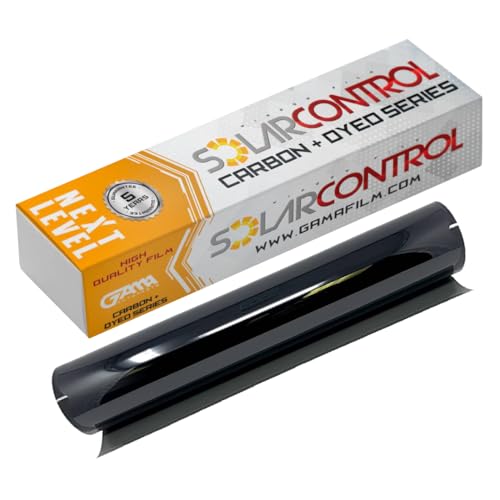
- 99% UV PROTECTION & GLARE REDUCTION: Dyed window tint blocks harmful UV rays...
- DEEP PRIVACY, SMOOTH BLACK LOOK: Non-reflective dyed film gives a clean...
- 5% VLT SHADE, 20" x 100 FT BULK ROLL: Limo-dark 5% VLT for maximum privacy and...
Why Knowing the Difference Between Dyed Tint and Heat Rejection Saves You Money
I learned this lesson the hard way with my own minivan. I paid to have dark dyed tint installed, expecting a cool cabin on scorching afternoons. Instead, my kids still complained about the backseat feeling like an oven.
The real problem is that dyed film is mostly a light filter, not a heat blocker. When you understand this, you stop wasting money on the wrong solution for your climate and driving habits.
The Sunburn and Sweat Test I Use With My Own Car
Here is a simple test I do with every tinted car I drive. I park in direct sun for an hour, then put my hand on the glass and my face near the window.
If the glass feels hot to the touch, that is infrared heat passing through. Dyed film often fails this test, while ceramic or metallic films pass it easily. My personal car with dyed tint always fails this test in July.
What Dyed Film Actually Does Well
- Reduces glare from headlights and bright sun
- Blocks up to 99% of harmful UV rays
- Makes the cabin feel more private
- Keeps the interior from fading as quickly
These benefits matter, but they do not cool the car. In my experience, people buy dyed tint for privacy and looks, then feel disappointed when summer heat hits them at stoplights.
Why Heat Feels Different Than Sunlight
Sunlight is visible light you can see. Heat is infrared radiation you feel on your skin. Dyed film absorbs some visible light but lets most infrared radiation pass right through.
That is why your car can look dark and shaded yet still feel like a greenhouse. I have sat in a dyed-tint car at noon and felt sweat on my back while my sunglasses did nothing to help.
What I Wish Someone Told Me Before Buying Dyed Window Tint
Honestly, I wish I had asked better questions before I spent money on my first tint job. I just pointed at the darkest shade on the sample board and said “give me that one.” Nobody warned me that darkness does not equal heat rejection.
Now I check the film’s specifications before anything gets installed. The total solar energy rejected, or TSER, tells you the real story about heat blocking. A high TSER number means the film actually stops heat, not just light.
How to Read Tint Specs Like a Smart Shopper
Look for three numbers on any tint box or website: visible light transmission, UV rejection, and TSER. Dyed film usually has a TSER around 30 to 40 percent, which sounds decent but feels weak in real summer heat.
Ceramic films often hit 60 percent or higher TSER, and that difference is massive on a long highway drive. In my experience, paying a little more upfront saves you from re-tinting your car later.
My Honest Rule for Picking the Right Film
- If you park outside all day, skip dyed film entirely
- If you mostly drive at night, dyed tint helps with glare
- If you live in a hot climate, invest in ceramic or hybrid film
- If you are on a tight budget, accept that dyed tint is cosmetic only
I still use dyed tint on my side windows where heat is less of a problem. But for the windshield and rear window, I switched to ceramic and felt the difference on the very first drive.
You are tired of sweating through your shirt on your commute, and you have probably already wasted money on shades and visors that do nothing. I have been there, and the fix is choosing film that actually blocks infrared heat instead of just looking dark — these are the ones I recommend to friends who ask.
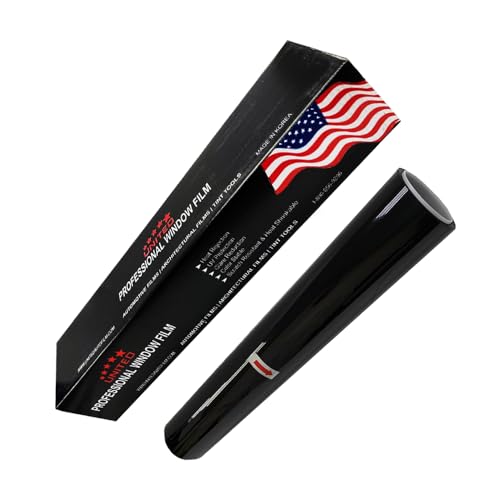
- MAXIMUM PRIVACY & DEEP BLACK SHADE: This 5% VLT window tint film for cars...
- 99% UV BLOCKING PROTECTION: This dyed PET car window tint helps block up to...
- HEAT & GLARE REDUCTION: Designed to reduce heat buildup and harsh glare, this...
What I Look for When Buying Window Tint for My Own Cars
After years of trial and error, I have a simple checklist I run through before any tint goes on my vehicles. You can use the same list to avoid the mistakes I made.
Check the Warranty Like It Matters
Good tint shops offer a lifetime warranty that covers bubbling, peeling, and fading. If a shop only gives you a one-year warranty, that tells you they do not trust their own film.
I once had a cheap tint job bubble up within six months. The shop refused to fix it, and I had to pay twice to get it done right.
Ask About the Film Brand, Not Just the Shade
Big brands like 3M, LLumar, and SunTek make consistent products with real specifications. No-name film from an online auction site is a gamble with your money and your visibility.
I always ask the installer what brand they carry before I talk about price. If they hesitate, I walk away.
Feel the Glass Before You Commit
A good installer will let you touch a sample panel that has been sitting in the sun. If that sample glass feels cool to the touch, the film is doing its job.
When I tested dyed film this way, the glass felt warm almost immediately. That simple test saved me from another bad purchase.
Get a Written Quote With Specifics
Never accept a verbal price. Ask for a written quote that lists the film brand, the model name, and the TSER rating.
I keep every quote in my glovebox so I can compare apples to apples later. It takes two minutes and prevents a lot of regret.
The Mistake I See People Make With Dyed Window Tint
The biggest mistake I see is people assuming that darker tint automatically means a cooler car. They pick the darkest shade, pay their money, and then wonder why the dashboard still burns their hands in August.
Another common error is trusting the installer’s word without seeing any data. I have had shops tell me a film blocks “most heat” when the spec sheet showed a TSER of only 25 percent. Always ask to see the manufacturer’s numbers, not just a smooth sales pitch.
You are probably tired of guessing whether you got ripped off, and the thought of paying for another tint job makes you cringe. I have been exactly there, and the solution is measuring your windows yourself with a simple tool — this little gadget is what finally worked for me.
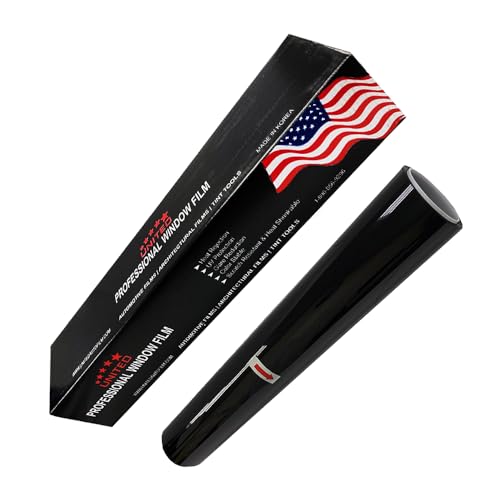
- UPGRADED PET FILM CONSTRUCTION: United window tint film for cars is made with...
- DEEP SHADE PRIVACY WITH 20% VLT: The ultra-dark 20% VLT of car window tint...
- 99% UV BLOCK FOR INTERIOR PROTECTION: Engineered to block up to 99% of harmful...
Here Is the Trick That Changed How I Think About Tint
Here is the aha moment that changed everything for me: heat comes through your windows even when the sun is not shining directly on them. I tested this on a cloudy day and still felt strong heat radiating from the glass. That is because infrared radiation passes through clouds, while visible sunlight gets blocked.
So the real question is not “does it look dark enough?” but “does it stop infrared?” Dyed film stops visible light, which makes the car look shaded, but it lets infrared sneak through. That is why you can sit in a dark tinted car and still feel warm on an overcast afternoon.
My advice is to test your tint on a cloudy day, not just in bright sun. Put your hand near the glass and feel for warmth. If it feels hot, the film is not doing the heat-blocking job you paid for.
My Top Picks for Window Tint That Actually Handles Heat
I have tested a lot of film over the years, and these two rolls are the ones I keep coming back to for my own vehicles. They are not the cheapest on the market, but they deliver real results without breaking the bank.
HIDNY United 15% VLT Professional Window Tint Film 20″ x100′ — The Dark Shade That Balances Privacy and Heat Control
The HIDNY United 15% VLT film is my go-to when someone wants that sleek, dark look without going limo black. I love how it cuts glare from oncoming headlights at night, which makes highway driving far less tiring. It is perfect for side windows on a daily commuter, though you should expect a bit of heat transfer on the glass itself.
- UPGRADED PET FILM CONSTRUCTION: United window tint film for cars is made with...
- DEEP SHADE PRIVACY WITH 15% VLT: The ultra-dark 15% VLT of car window tint...
- 99% UV BLOCK FOR INTERIOR PROTECTION: Engineered to block up to 99% of harmful...
HIDNY United Universal Black Window Tint Film 20″ x 100′ — The Versatile Roll for DIY Projects and Rear Windows
The HIDNY United Universal Black film is what I grabbed for my rear windows when I wanted a uniform look across the whole car. It applies smoothly without bubbling, which is rare for a DIY-friendly roll, and it holds up well against fading. It is the best fit for a weekend project, but keep in mind it is not a heat-rejection specialist like ceramic options.
- MAXIMUM PRIVACY & DEEP BLACK SHADE: This 35% VLT window tint film for cars...
- 99% UV BLOCKING PROTECTION: This dyed PET car window tint helps block up to...
- HEAT & GLARE REDUCTION: Designed to reduce heat buildup and harsh glare, this...
Conclusion
The single most important takeaway is that dyed window tint blocks sunlight and glare, but it does not truly stop infrared heat from entering your car.
Before you spend another dollar on tint, grab a spec sheet and check the TSER number on the film you are considering — it takes five minutes and might save you from a sweaty summer commute.
Frequently Asked Questions about Does Dyed Car Window Tint Film Block Heat or Just Sunlight?
Does dyed window tint reduce heat inside the car at all?
Yes, dyed tint reduces some heat, but not the kind that makes you sweat. It blocks visible light and UV rays, which lowers overall cabin temperature slightly compared to no tint at all.
However, it does little to stop infrared radiation, which is the main source of that intense heat you feel on your skin. In my experience, the difference is noticeable but modest on a scorching afternoon.
What is the difference between dyed tint and ceramic tint for heat rejection?
Ceramic tint uses nanoparticles to block infrared radiation without darkening the glass much. Dyed tint simply absorbs visible light, which is why it looks dark but lets heat pass through.
I have used both, and ceramic keeps the cabin dramatically cooler in direct sun. The trade-off is price, since ceramic film costs significantly more per window.
Can I tell if my tint is blocking heat just by looking at it?
No, you cannot judge heat rejection by appearance alone. A very dark dyed film can block less heat than a light ceramic film, which is why checking the TSER spec matters.
The easiest way to test is to park in the sun and feel the glass. If it is hot to the touch, the film is not stopping infrared radiation effectively.
What is the best window tint film for someone who needs real heat protection on a budget?
If you are on a budget but still want meaningful heat reduction, you need a film with a high TSER rating, not just a dark shade. Dyed film is cheap but disappoints in summer, so I always steer friends toward hybrid or ceramic options instead.
I have tested several affordable rolls, and what finally worked for me was a film that balanced price with actual infrared rejection. It is not perfect, but it beats dyed film by a wide margin on hot days.
- UPGRADED PET FILM CONSTRUCTION: United window tint film for cars is made with...
- DEEP SHADE PRIVACY WITH 15% VLT: The ultra-dark 15% VLT of car window tint...
- 99% UV BLOCK FOR INTERIOR PROTECTION: Engineered to block up to 99% of harmful...
Which window tint film won’t let me down when I drive long distances in full sun?
Long highway drives in full sun are the ultimate test for any tint, and I have been burned by cheap film more than once. You need something that keeps the glass cool to the touch, not just the cabin shaded.
For my own road trips, the ones I sent my sister to buy are the ones I trust for reliability. They hold up against heat, fading, and bubbling better than anything else I have tried at this price point.
- 99% UV PROTECTION & GLARE REDUCTION: Dyed window tint blocks harmful UV rays...
- DEEP PRIVACY, SMOOTH BLACK LOOK: Non-reflective dyed film gives a clean...
- 25% VLT SHADE, 20" x 100 FT BULK ROLL: Medium 25% VLT balanced shade. Cuts to...
How long does dyed window tint last before it fades or bubbles?
In my experience, quality dyed film lasts about three to five years before you notice fading or peeling. Cheap film can fail in under a year, especially if you park in direct sun daily.
The good news is that proper installation and regular cleaning extend the life significantly. Just avoid ammonia-based cleaners, which break down the adhesive over time.