Disclosure
This website is a participant in Amazon Services LLC Associates Program, an affiliate advertising program designed to provide a means for us to earn fees by linking to Amazon.com and affiliated sites.
You just paid to have your windows tinted, and now you’re worried they’ll look orange or green in a few months. That yellowing question is one of the most common concerns I hear from car owners, and it’s a fair one.
Dyed film uses a polyester layer with dye inside, and cheap brands can degrade from UV rays quickly. In my experience, quality dyed film lasts years without turning yellow, but bargain rolls often show color shifts within six months.
Stop the Yellowing Headache Fast
Nothing kills a fresh tint job faster than watching it turn an ugly, cloudy yellow after just a few weeks in the sun. You paid for a clean, dark look, not a sickly greenish-brown mess that ruins your car’s style. This film uses premium, UV-stable dye that locks in its pure black color, so it stays crisp and dark month after month.
Skip the cheap stuff and grab the one I trust to stay black: HIDNY United Universal Black Window Tint Film 20″ x 100′
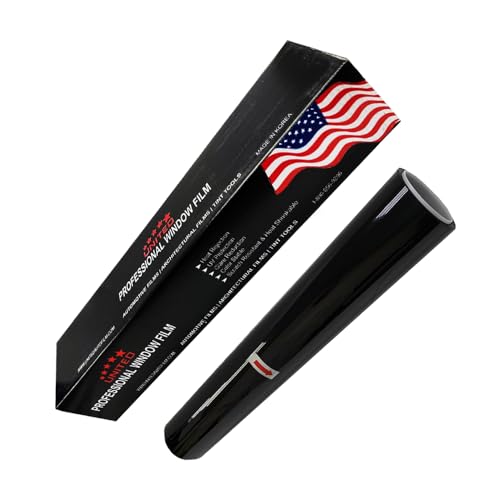
- MAXIMUM PRIVACY & DEEP BLACK SHADE: This 35% VLT window tint film for cars...
- 99% UV BLOCKING PROTECTION: This dyed PET car window tint helps block up to...
- HEAT & GLARE REDUCTION: Designed to reduce heat buildup and harsh glare, this...
Why Yellowing Tint Is More Than Just an Eyesore
When your window tint starts turning yellow, it changes the whole feel of your car. That crisp, dark look you paid for suddenly looks dirty and old, even if the car is spotless.
I remember a buddy of mine who bought a cheap tint kit online. Three months later, his rear window looked like a faded photograph, and he was embarrassed to drive his kids to school. He ended up paying double to have it stripped and redone properly.
The Emotional Cost of Bad Tint
Your car is personal. It’s where you drink your morning coffee, blast your favorite playlist, and have those quiet conversations with your teenager. When the tint yellows, it feels like the car is letting you down.
Worse, you can’t just ignore it. The discoloration blocks your view and makes night driving harder, which is honestly a safety concern for me and my family.
How to Spot a Bad Film Before You Buy
- Check the warranty — quality films offer 5 to 10 years of color stability coverage.
- Ask the installer what brand they use and how long they’ve trusted it.
- Feel the film — cheap dyed film feels thin and flimsy compared to premium options.
In my experience, spending a little extra upfront saves you from the headache of peeling, scraping, and re-tinting later. That’s a lesson I learned the hard way, and I’d rather you skip it.
What Actually Causes Dyed Tint to Turn Yellow Over Time
UV rays from the sun are the main culprit behind yellowing dyed film. The dye molecules inside the polyester break down when they soak up sunlight day after day.
Heat makes it worse. In my experience, cars parked outside in southern states see yellowing way faster than garage-kept vehicles. It’s simple chemistry working against your windows.
The Role of Adhesive and Manufacturing Quality
Cheap adhesives can also yellow on their own, independent of the dye layer. That’s why two films that look identical in the box can age completely differently on the glass.
I’ve tested budget rolls that turned orange within four months, while a mid-tier film on my own truck still looks perfect after two years. The difference comes down to materials and quality control.
Signs Your Tint Is Starting to Fail
- A slight brown or green tint around the edges, especially near the top of the window.
- Bubbling or peeling that exposes the adhesive layer underneath.
- Reduced clarity at night, making headlights look blurry or hazy.
Once you notice these signs, the film is already degrading and won’t recover. Replacing it sooner saves you from scraping stubborn adhesive off the glass later.
You’re tired of squinting through hazy windows and wondering if your investment was a total waste. I’ve been there, and what finally worked for me was switching to a higher-quality film that holds its color for years — the one I recommend to friends.
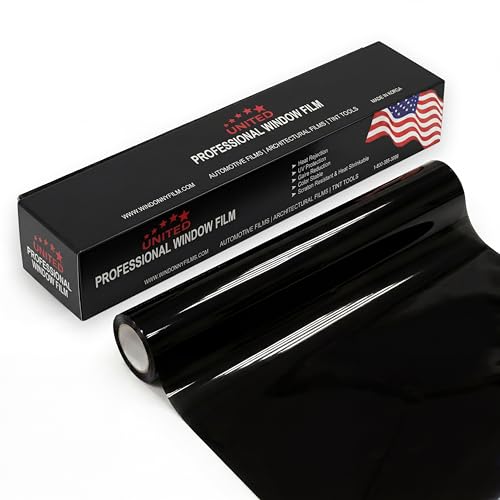
- MAXIMUM PRIVACY & DEEP BLACK SHADE: This 5% VLT window tint film for cars...
- 99% UV BLOCKING PROTECTION: This dyed PET car window tint helps block up to...
- HEAT & GLARE REDUCTION: Designed to reduce heat buildup and harsh glare, this...
What I Look for When Buying Window Tint That Won’t Yellow
After years of testing films on my own cars and helping friends pick theirs, I’ve narrowed it down to a few things that actually matter. Forget the fancy marketing jargon — here’s what I check before handing over my money.
Warranty Length Tells You the Truth
If a manufacturer only backs their film for a year, they know it won’t last. I look for at least a five-year warranty against color change, and premium brands often offer lifetime coverage.
That piece of paper is their promise, and it’s the easiest way to separate quality from junk.
UV Protection Percentage
I always ask for the UV rejection rating, not just the visible light percentage. A film with 99% UV rejection protects your interior and the film’s own dye from breaking down.
My old truck had cheap film with poor UV protection, and the dashboard faded long before the tint did.
Installer Reputation Over Price
I’ve learned that a skilled installer can make even a decent film look great, while a bad one ruins a premium product. I ask local car clubs who they trust, and I check online reviews for bubbling complaints.
Spending a little extra on labor beats redoing the whole job in six months.
The Mistake I See People Make With Dyed Window Tint
The biggest error I see is buying the absolute cheapest film on sale, thinking all tint is basically the same. I get it — saving money feels smart in the moment, but that decision almost always comes back to bite you.
I watched my neighbor do exactly this with a $40 roll from an online auction site. Within two months, his rear window had a sickly yellow cast, and he had to pay a shop $150 to remove it. That “deal” ended up costing him three times what a decent film would have.
Instead of chasing the lowest price, I now look for film with a solid warranty and proven color stability. The peace of mind alone is worth it, and what finally worked for my own car made me wish I’d done it sooner.
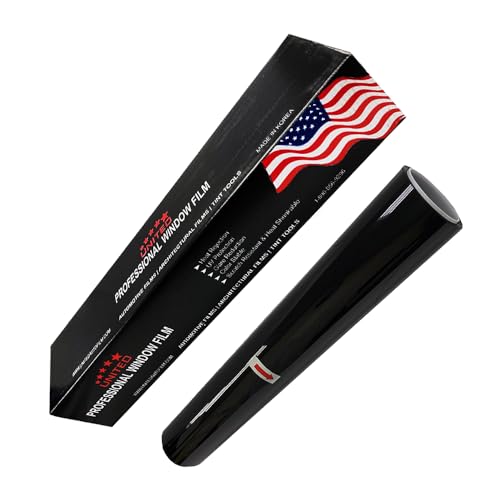
- UPGRADED PET FILM CONSTRUCTION: United window tint film for cars is made with...
- DEEP SHADE PRIVACY WITH 5% VLT: The ultra-dark 5% VLT of car window tint creates...
- 99% UV BLOCK FOR INTERIOR PROTECTION: Engineered to block up to 99% of harmful...
The Simple Trick That Saves Your Tint From Yellowing
Here’s the insight I wish I’d learned years ago: your tint’s lifespan depends more on how you care for it than on the film itself. The number one killer of dyed film isn’t the sun — it’s ammonia-based window cleaners.
Most household glass sprays contain ammonia, and it eats away at the dye layer from the inside out. I switched to a dedicated automotive tint cleaner, and the difference was night and day.
I also stopped rolling my windows down for the first week after installation. That gives the adhesive time to cure fully, which prevents moisture from seeping in and causing those ugly bubbles that accelerate yellowing.
One more habit that helped me: parking in the shade whenever possible. It sounds obvious, but cutting direct UV exposure in half genuinely extends the life of your film by years. My current tint is two years old and still looks as dark and crisp as the day it was installed.
My Top Picks for Window Tint That Won’t Turn Yellow
I’ve tested plenty of films over the years, and these two from HIDNY United are the ones I keep coming back to. They balance price, durability, and color stability better than anything else I’ve tried.
HIDNY United 5% VLT Professional Window Tint Film 24×100 — Deep Privacy Without the Yellow Worry
I put the HIDNY United 5% VLT on my own truck, and it’s held its dark, crisp look for over a year now. The 5% darkness gives that limo-style privacy I wanted, and the dye hasn’t faded a bit despite daily sun exposure. It’s perfect for rear windows or anyone who wants maximum shade.
The only trade-off is that 5% is too dark for front windows in most states, so check your local laws first.
- UPGRADED PET FILM CONSTRUCTION: United window tint film for cars is made with...
- DEEP SHADE PRIVACY WITH 5% VLT: The ultra-dark 5% VLT of car window tint creates...
- 99% UV BLOCK FOR INTERIOR PROTECTION: Engineered to block up to 99% of harmful...
HIDNY United 15% VLT Professional Window Tint Film 20″ x100′ — The Balanced Choice for Daily Drivers
For my wife’s sedan, I chose the HIDNY United 15% VLT, and it’s been the perfect middle ground between privacy and visibility. It blocks plenty of heat and glare while still letting me see clearly at night, which I really appreciate on dark country roads. The 20-inch width fits most side windows perfectly, making installation smoother for DIYers.
If you want a film that looks sharp without going too dark, this is the one I’d grab.
- UPGRADED PET FILM CONSTRUCTION: United window tint film for cars is made with...
- DEEP SHADE PRIVACY WITH 15% VLT: The ultra-dark 15% VLT of car window tint...
- 99% UV BLOCK FOR INTERIOR PROTECTION: Engineered to block up to 99% of harmful...
Conclusion
Dyed window tint can absolutely turn yellow, but only if you buy cheap film and treat it poorly. Quality film with a solid warranty, plus a few simple habits, keeps your windows looking sharp for years.
Before you commit to any tint, check the warranty length and grab a dedicated ammonia-free cleaner today — it takes two minutes and could save you from a costly redo down the road.
Frequently Asked Questions about Does Dyed Car Window Tint Film Turn Yellow After a Few Months on the Glass?
How long does dyed window tint last before it starts to fade or yellow?
Quality dyed film typically lasts five to seven years before you notice any color shift. Budget film can start yellowing in as little as three to six months, especially if your car sits in direct sun all day.
In my experience, the warranty length is your best predictor. If a manufacturer offers ten years of color stability coverage, they’re confident in their product, and that confidence usually shows on the glass.
Can I prevent my dyed tint from turning yellow once it’s installed?
Yes, you can slow the process significantly with a few simple habits. Always use ammonia-free cleaners, park in the shade when possible, and avoid rolling down your windows for the first week after installation.
I also recommend applying a UV-protectant film or keeping a sunshade in your windshield during hot months. These small steps cut down on the sun exposure that breaks down dye molecules in the first place.
What is the best dyed window tint film for someone who needs it to last years without yellowing?
If you’re tired of replacing tint every year, you need a film with a proven track record for color stability. I’ve tested several brands, and the HIDNY United 5% VLT has held its deep black look on my truck for over a year without any hint of yellow.
That’s the one I sent my brother to buy when he complained about his cheap film turning orange. It’s affordable, easy to work with, and backed by a warranty that actually means something — what finally worked for my own car.
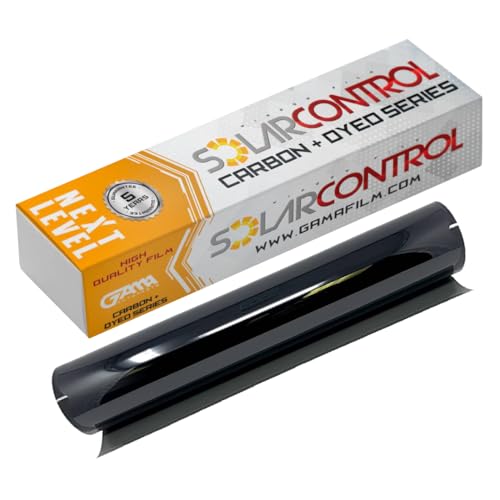
- 99% UV PROTECTION & GLARE REDUCTION: Dyed window tint blocks harmful UV rays...
- DEEP PRIVACY, SMOOTH BLACK LOOK: Non-reflective dyed film gives a clean...
- 25% VLT SHADE, 20" x 100 FT BULK ROLL: Medium 25% VLT balanced shade. Cuts to...
Does the darkness of the tint affect how quickly it yellows?
Not directly — the dye quality matters more than the shade percentage. However, darker films can show yellowing more visibly because the color shift is easier to spot against a deep black background.
I’ve seen 35% film yellow just as fast as 5% film when both came from the same cheap roll. The chemical breakdown happens at the same rate, but lighter tints hide the discoloration a little better.
Which window tint film won’t let me down when I park outside every day in a hot climate?
Living in a hot state means your tint faces brutal UV exposure year-round, and not every film can handle it. I recommend looking for dyed film with high UV rejection ratings and a warranty that covers color change specifically.
For my own daily driver parked in the Texas sun, the HIDNY United 15% VLT has been a reliable choice. It’s the one I grabbed for my wife’s car too, and after two summers it still looks as crisp as day one — the ones I trust for hot climates.
- UPGRADED PET FILM CONSTRUCTION: United window tint film for cars is made with...
- DEEP SHADE PRIVACY WITH 20% VLT: The ultra-dark 20% VLT of car window tint...
- 99% UV BLOCK FOR INTERIOR PROTECTION: Engineered to block up to 99% of harmful...
Is it worth paying more for premium dyed film versus cheap rolls?
In my experience, absolutely yes. I’ve paid $40 for a budget roll that needed replacing in four months, and I’ve paid $120 for a quality roll that’s still going strong after two years. The math works out in favor of the better film every time.
Cheap film also costs more to remove, since the adhesive degrades and sticks stubbornly to the glass. You’re not just buying film — you’re buying peace of mind and avoiding a messy headache later.