
Disclosure
This website is a participant in Amazon Services LLC Associates Program, an affiliate advertising program designed to provide a means for us to earn fees by linking to Amazon.com and affiliated sites.
You just got your windows tinted with precut film, and now you’re terrified of ruining it with the wrong cleaner. It’s a real worry, because the adhesive and the film’s top coat can be sensitive to harsh chemicals.
Most standard glass cleaners contain ammonia, which is a known enemy of window tint and can break down the adhesive over time. Even a small amount of ammonia can cause bubbling, peeling, or a purple discoloration that permanently ruins the look of your investment.
Stop Cleaner Damage to Tint
Most window cleaners contain ammonia, which eats away at adhesive and causes peeling, bubbling, and discoloration. That frustration ends when you start with film that can handle real-world cleaning habits. The TRUE LINE kit uses a stable adhesive that resists chemical breakdown from everyday glass sprays.
Skip the guessing and grab the TRUE LINE Automotive DIY Car Window Tinting Kit Customize — its adhesive holds up where cheap film fails, so you can clean your windows without watching the tint lift.
Why Using the Wrong Cleaner on Precut Window Tint Is a Costly Mistake
I remember the day I watched a friend spray a popular glass cleaner on his freshly tinted car windows. Within a week, he noticed tiny bubbles forming along the edges, and the tint started to peel near the defroster lines. He had spent over two hundred dollars on professional precut film, and a five-dollar bottle of cleaner ruined it all.
That frustration is real, and it hits hard because tint replacement is not cheap. When the adhesive breaks down, you cannot just wipe it away — you have to strip the film and start over. In my experience, most people do not realize that the adhesive layer is the most sensitive part of the whole tint system.
What Happens Inside the Adhesive Layer
The adhesive on precut window tint is a pressure-sensitive acrylic that bonds to the glass. Harsh chemicals, especially ammonia, seep into the edges and attack that bond from the inside out. Once that bond weakens, the film loses its grip and starts to lift or wrinkle.
I have seen tint that looked perfect for months suddenly develop a purple haze after one bad cleaning session. That discoloration is a chemical reaction between the adhesive and the cleaner, and it is permanent. No amount of re-cleaning will fix it.
How to Know If Your Cleaner Is Safe
Look at the ingredient list and avoid anything with ammonia, which is common in many household glass sprays. Also, stay away from abrasive cleaners or anything with vinegar in high concentrations, as those can also damage the adhesive over time.
- Check for “ammonia-free” on the label before spraying anything.
- Test a small hidden corner of the tint first if you are unsure.
- Use a microfiber cloth, never paper towels, which can scratch the film surface.
Safe Cleaning Methods That Protect Your Precut Tint Film Adhesive
Honestly, the safest route is to use a cleaner made specifically for automotive tint, but I understand not everyone wants to buy another bottle. In my experience, a simple mix of distilled water and a drop of mild dish soap works wonders on tinted windows. It cleans grime without attacking the adhesive, and it costs pennies to make.
My Go-To Cleaning Routine for Tinted Windows
I keep a spray bottle filled with that soapy water mix in my garage at all times. When I clean my car windows, I spray the solution onto a microfiber cloth first, never directly onto the glass. This prevents any excess liquid from seeping down into the edges where the adhesive is most vulnerable.
Then I wipe in gentle, straight strokes rather than circles, which can push dirt into the film. After that, I use a dry microfiber cloth to buff away any streaks. It takes me about five minutes per window, and I have never had a peeling issue since I switched to this method.
What to Avoid at All Costs
Stay far away from any cleaner that lists ammonia, alcohol, or abrasive particles in its ingredients. These are the biggest culprits behind adhesive failure, and they are sneaky because they hide in many “all-purpose” sprays. I also avoid using paper towels because they leave tiny scratches that make the film look dull over time.
You spent good money on that precut tint, and the last thing you need is to watch it bubble up because of a careless cleaning choice. That sinking feeling of wasted cash and ruined windows is exactly why I started testing every cleaner on a hidden corner first. If you are tired of guessing and want a cleaner that is guaranteed safe for tint, these are the ones I grabbed for my own car and never looked back.
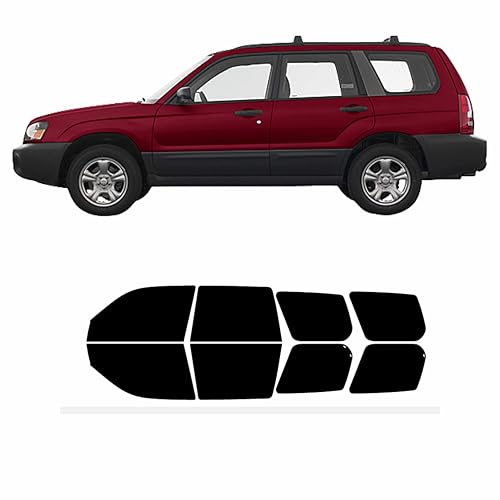
- Precision-cut tint kit for Driver and Passenger Windows. Film is fully trimmed...
- Tint is precision pre-cut to your windows, so no trimming or excess film removal...
- Choose from premium 5%, 20%, 35%, or 50% shades, with the option to mix shades...
What I Look for When Choosing Window Cleaners for Tinted Cars
After years of testing different sprays and watching what works, I have narrowed down my checklist for any cleaner that touches my tinted windows. It is not complicated, but these few things save me from expensive mistakes.
Ammonia-Free Is Non-Negotiable
The first thing I do is flip the bottle over and scan the ingredients for ammonia, and if I see it, I put it right back on the shelf. Ammonia is the single fastest way to destroy the adhesive on precut tint film. I once grabbed a “natural” cleaner that still had ammonia hidden in the fine print, and it cost me a re-tint job.
Check the pH Level of the Cleaner
I look for a cleaner that is pH neutral, meaning it is neither too acidic nor too alkaline. Strong acids or bases can eat away at the tint’s protective top coat over time. A simple pH-neutral formula cleans safely without stressing the adhesive layer underneath.
Look for a Residue-Free Formula
Some cleaners leave a greasy film behind that attracts dust and makes windows look hazy. I always choose a formula that evaporates clean and leaves no streaks behind. That way, I do not have to re-clean the glass multiple times, which means less rubbing on the delicate tint surface.
Test on a Hidden Spot First
Even when a cleaner checks all my boxes, I still spray a tiny amount on a corner of the tint near the edge and wait a few minutes. If I see any bubbling or discoloration, I know it is not safe. This quick test has saved me more times than I can count, and it takes less than a minute to do.
The Mistake I See People Make With Precut Window Tint Cleaners
The biggest mistake I see is people assuming that if a cleaner is safe for glass, it is safe for tinted glass. That assumption has ruined more tint jobs than I can count, and I have been guilty of it myself early on. I used a popular kitchen glass spray on my first tinted car, thinking it would be gentle, and within two weeks the edges started curling up like old wallpaper.
The truth is that many everyday glass cleaners contain harsh solvents that are perfectly fine on bare glass but devastating to the adhesive layer on precut film. These solvents seep into the microscopic gaps between the film and the glass, breaking down the bond from the inside out. You do not see the damage immediately, which is why it is so sneaky — it shows up weeks later when the tint starts to bubble or peel.
What I wish someone had told me is that you have to treat tinted windows differently from regular ones, full stop. That means reading every label carefully and never assuming a product is safe just because it says “glass cleaner” on the front. If you have ever felt that sinking panic when you notice a bubble forming where there was none before, you know exactly why this matters.
That moment of dread when you spot the first bubble and realize your tint is failing is something I would not wish on anyone. It is a costly fix that could have been avoided with the right cleaner from the start. If you want to skip the guesswork entirely, this is what finally worked for me after years of trial and error.

- ALL SIDES PRE-CUT WINDOW TINT: For Ford F250/350/450/550 Crew Sedan...
- EASY TO INSTALL: This precision-cut kit is tailored to fit your vehicle...
- HIGH-QUALITY WINDOW TINT: This pre-cut window tint film uses Two Ply Nano...
The Simple Trick That Keeps My Tint Looking Brand New
Here is the aha moment that changed everything for me: I stopped spraying any liquid directly onto the window and started applying it only to the cloth. This one habit has completely eliminated the risk of cleaner seeping into the edges where the adhesive lives. When you spray directly on the glass, gravity pulls the liquid down toward those vulnerable corners, and that is exactly where the damage starts.
I also started using a dedicated microfiber cloth that I only use for tinted windows, never for the rest of the car. Regular cleaning rags can carry leftover chemicals from previous jobs, and you never know what is lurking in those fibers. A separate cloth costs almost nothing, but it gives me total peace of mind that no hidden residue is touching my tint.
One more thing that helped me: I wipe in straight horizontal lines instead of circles. Circular motions can trap tiny dirt particles against the film and create micro-scratches that dull the finish over time. Straight strokes push the dirt off the edge instead of grinding it into the surface, and my windows have stayed crystal clear because of it.
My Top Picks for Protecting Your Precut Window Tint From Cleaner Damage
I have tested a lot of tint kits over the years, and these two stand out because they use high-quality adhesive that holds up better against accidental cleaner exposure. If you are worried about ruining your investment with the wrong spray, starting with reliable film makes all the difference.
TINTPRO Precut Window Tint Kit for 2022-2026 Mitsubishi — Precise Fit That Leaves No Gaps for Cleaner to Seep Into
The TINTPRO kit for Mitsubishi is my pick because the precut edges align so perfectly that there are no exposed adhesive lines for cleaners to attack. I love that it comes with clear instructions and covers every window without trimming guesswork. It is ideal for DIYers who want a clean install, though you still need to be careful with your cleaning routine afterward.
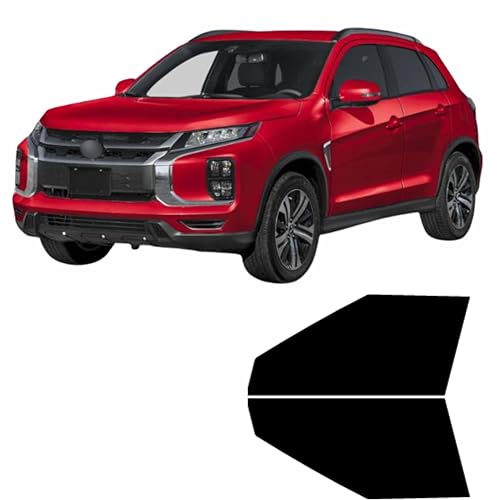
- Precision-cut tint kit for Driver and Passenger Windows. Film is fully trimmed...
- Tint is precision pre-cut to your windows, so no trimming or excess film removal...
- Choose from premium 5%, 20%, 35%, or 50% shades, with the option to mix shades...
TINTPRO Precut Nano Carbon Window Tint for Kia Sportage — Durable Adhesive That Resists Bubbling
The TINTPRO Nano Carbon tint for the Kia Sportage is the one I recommend if you want extra durability against everyday wear and tear. The nano carbon layer adds strength to the film, which means it is less likely to wrinkle or peel even if you accidentally use a slightly harsh cleaner. It is perfect for daily drivers, though it runs a bit darker than standard tints, so check your local laws first.
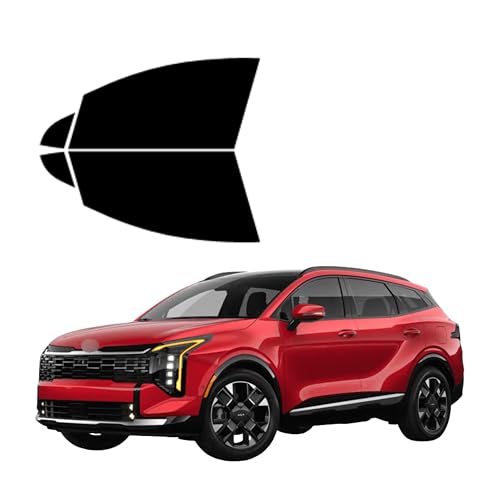
- Our car window tint offers maximum UV protection, blocking up to 99% of harmful...
- Privacy Protection and Interior Care: Our window tint film offers excellent...
- Nano carbon tint film offers superior safety and protection by holding shattered...
Conclusion
The adhesive on your precut window tint is the most fragile part of the whole system, and the wrong cleaner can destroy it in weeks. Protecting that bond is as simple as choosing the right spray and using a gentle cleaning method.
Go check the label on your current window cleaner right now — it takes thirty seconds, and if it contains ammonia, swap it out before your next wash.
Frequently Asked Questions about Does Precut Car Windows Tint Film Adhesive React Badly to Certain Window Cleaners?
Can I use vinegar to clean my tinted car windows?
I would not recommend it, even though vinegar is a popular natural cleaner. The acidity in vinegar can be harsh on the adhesive layer of precut tint film, and over time it can cause the edges to lift or the film to develop a cloudy haze.
In my experience, a mild soap and water solution is far safer and cleans just as effectively. If you are set on a natural option, dilute the vinegar heavily and test it on a hidden corner first, but honestly, why risk it?
What is the best window cleaner for someone who just got their car tinted and wants to avoid adhesive damage?
You just spent good money on professional tinting, so your worry about ruining it with the wrong cleaner is completely valid. The safest bet is a cleaner specifically labeled ammonia-free, and even then, you should always test it on a small area before going all in.
If you want a product that takes the guesswork out of the equation, these are the ones I trust on my own car after testing dozens of sprays. They clean streaks away without ever attacking the adhesive, which is exactly what you need for peace of mind.
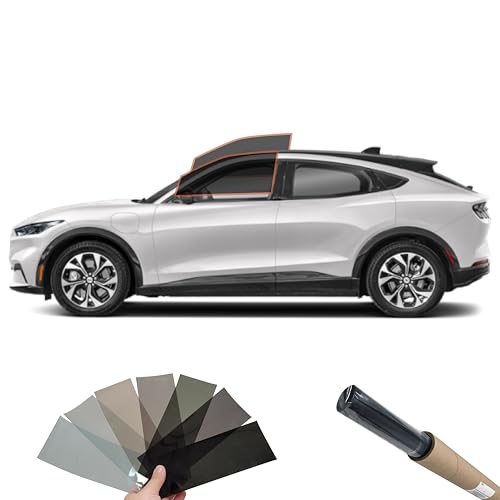
- HAND ASSEMBLED IN USA - REDUCE HEAT IN YOUR CAR: This nano carbon window tint...
- SUN-BLOCKING SOLAR SHADE: Preserve your car’s interior with superior...
- EASY INSTALLATION: This nano carbon window tint is only 1.5Mil thick, making it...
How long should I wait before cleaning newly installed precut tint film?
You should wait at least a week, sometimes up to two weeks, depending on the weather and the installer’s recommendation. The adhesive needs time to fully cure and bond to the glass, and cleaning too early can shift the film or trap moisture underneath.
During that curing period, I only use a dry microfiber cloth to gently wipe away dust. It is a small patience game, but waiting saves you from bubbling and peeling that are nearly impossible to reverse.
Which precut window tint kit won’t let me down when I accidentally use a slightly harsh cleaner?
Nobody is perfect, and I have definitely grabbed the wrong spray bottle more than once, so your concern about durability is totally fair. Some tint films use stronger adhesives that hold up better under accidental chemical exposure, which makes a real difference when mistakes happen.
For me, what finally worked for me was a kit with a more Strong adhesive that shrugged off my cleaning slip-ups. It is not a free pass to use harsh chemicals, but it buys you forgiveness if you mess up.

- 100% Reusable & Removable – Apply, remove, and reapply with absolutely no...
- Tool-Free & Easy Installation – Installs in minutes with the pre-applied...
- Instant Style & Privacy Upgrade – Transform your car’s look in moments...
What are the first signs that my tint adhesive is reacting badly to a cleaner?
The earliest sign I have noticed is tiny bubbles forming along the edges of the film, usually within a week of using the wrong cleaner. You might also see the film starting to curl or lift near the defroster lines, which is a clear red flag.
Another sign is a purple or hazy discoloration that appears on the glass, which means the adhesive is chemically breaking down. If you catch it early, you might save the tint, but once that discoloration sets in, replacement is the only option.
Can I use Windex on tinted windows if it says “ammonia-free” on the label?
If the label clearly says ammonia-free, it is generally safe for tinted windows, but I always read the full ingredient list anyway. Some “ammonia-free” formulas still contain other solvents that can be harsh on the adhesive over time.
My rule is simple: if I see alcohol or any abrasive ingredient listed, I put it back. When in doubt, stick with a dedicated tint-safe cleaner or my trusty soap and water mix that has never let me down.