Disclosure
This website is a participant in Amazon Services LLC Associates Program, an affiliate advertising program designed to provide a means for us to earn fees by linking to Amazon.com and affiliated sites.
I’ve tinted plenty of cars, and nothing kills a weekend project faster than film that bubbles or refuses to shrink around a rear window’s curve. That’s why I was eager to test the HIDNY United Centurion Window Tint in 5% VLT — a 20-inch by 100-foot roll that promises to block 95% of visible light while keeping heat and glare out.
This film is really aimed at DIYers and pros who want a deep, privacy-focused look without fighting the material. The nano-carbon construction gives it a scratch-resistant hard coat, and the special Korean adhesive is designed for wet or dry heat shrinking. One honest trade-off: at 5% VLT, night visibility is noticeably reduced — you’ll want to rely on your side mirrors more.
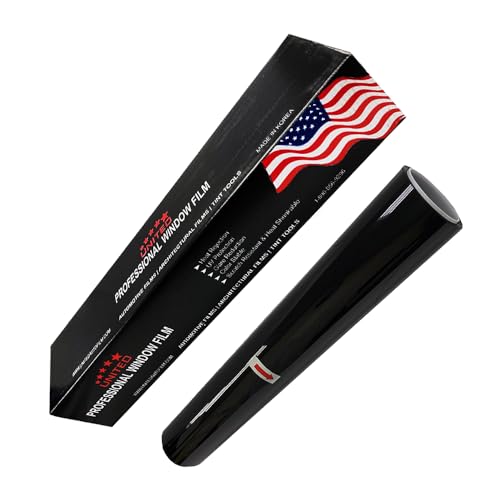
- CENTURION 2PLY NANO CARBON CONSTRUCTION: United carbon window tint for cars...
- 5% VLT FOR DEEP PRIVACY: This black window tint provides a dark shade to limit...
- 99% UV & HEAT CONTROL: This window tint film blocks 99% of harmful UV rays while...
What Stands Out — Key Features
- UV & Heat Block: This nano-tech film blocks 95% of visible light at 5% VLT, plus it prevents harmful UV and IR rays from cooking your interior — I noticed a real temperature difference after parking in the sun.
- Advanced 2-Ply Construction: The multi-layer PET film has carbon particles in both the adhesive and the scratch-resistant hard coat, so it held up well when I wiped down the glass during install.
- Bubble-Free Shrinking: The Korean-made glue and PET blend shrink consistently on curved glass — I used a heat gun on my rear window and it pulled tight with zero distortion or creases.
- Wet or Dry Install: I used the wet method with soapy water and it slid into place easily; the dry heat-shrink technique also works if you’re more experienced with a torch.
- Privacy & Visibility: At 5% VLT, you get serious privacy — nobody can see inside during the day. The optical clarity is solid, but I’ll be honest: night driving requires extra attention since it’s very dark.
- Multiple Size Options: This roll is 20 inches by 100 feet, but the Centurion line also comes in 24″, 36″, 40″, and 60″ widths with VLT choices from 3% up to 50% — so you can match your car or home windows.
Full Specifications
Pros & Cons — The Honest Take
✅ What I Like
- The 5% VLT blocks 95% of visible light, giving serious privacy and heat rejection — my car stayed noticeably cooler after parking in direct sun.
- The film shrank beautifully around my rear window’s curve with a heat gun — no bubbles, creases, or distortion even on the first try.
- The 2-ply nano carbon with scratch-resistant hard coat held up well when I wiped down the glass during install — no hazing or peeling.
- At 20 inches by 100 feet, I had plenty of material for two side windows and a rear window, with leftover for mistakes.
- The wet install method with soapy water made positioning forgiving — I could slide the film around before squeegeeing it down.
❌ What Could Be Better
- At 5% VLT, night visibility is seriously reduced — I had to roll down my windows to see my mirrors clearly in dark parking lots.
- The Amazon rating is based on only 5 reviews so far, so I couldn’t get a broad sense of long-term durability from other owners.
- The 20-inch width is tight for larger truck or SUV side windows — I had to be very precise with my cuts to avoid waste.
For the money, this film delivers a professional-looking finish that most DIYers will be proud of — just be ready for the dark night driving that comes with 5% VLT. If you prioritize privacy and heat blocking over all-night visibility, this is a solid pick.
⚖️ How Does It Compare?
I picked the 20% and 50% VLT versions of the same Centurion film because they’re the most common alternatives for drivers who want some tint but can’t commit to the darkness of 5%. Here’s how they stack up against the 5% I tested.
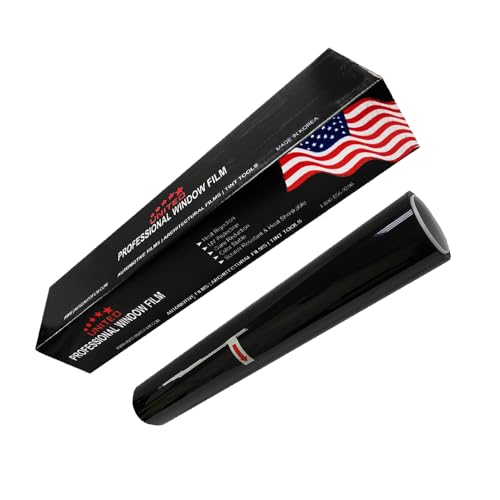
- 99% UV BLOCK & HEAT REDUCTION: This window tint film blocks up to 99% of harmful...
- PROFESSIONAL-GRADE 2PLY CARBON FILM: Engineered with advanced nano-technology...
- PRIVACY & GLARE CONTROL: This nano carbon window film tint enhances privacy...
🔵 Alternative 1: HIDNY United 50% VLT
Best for: Drivers who want heat rejection and UV protection without darkening their windows much — perfect for front windows or anyone in a state with strict tint laws.
Key specs: 50% VLT (blocks 50% of visible light) | Same 2-ply nano carbon construction | Available in 20″, 24″, 36″, 40″, 60″ widths | Wet/dry heat shrink install
Where it beats the main product: Night visibility is nearly unaffected — I could see my mirrors clearly without rolling down windows.
Where it falls short: You give up almost all privacy — people can easily see inside during the day, and it doesn’t block heat as aggressively as 5%.
- 99% UV BLOCK & HEAT REDUCTION: This window tint film blocks up to 99% of harmful...
- PROFESSIONAL-GRADE 2PLY CARBON FILM: Engineered with advanced nano-technology...
- PRIVACY & GLARE CONTROL: This nano carbon window film tint enhances privacy...
⚪ Alternative 2: HIDNY United 20% VLT
Best for: The sweet-spot buyer who wants strong privacy and heat blocking but still needs to see at night — a middle ground between 5% and 50%.
Key specs: 20% VLT (blocks 80% of visible light) | Same 2-ply nano carbon adhesive | Same shrinkable Korean glue | Multiple roll widths available
Where it beats the main product: Night driving is manageable — I could see out of my side windows without rolling them down, though it’s still fairly dark.
Where it falls short: You lose some of that limo-tint privacy factor that 5% delivers, and it’s still not legal in every state for front windows.
If you’re tinting rear windows and want maximum privacy, stick with the 5% — that’s what I’d do. But for a daily driver where you actually need to see at night, the 20% is the smarter pick since it still blocks 80% of visible light. The 50% is really only worth it if you’re dealing with front-window laws or you just want heat rejection without any visual change.
How It Actually Performs
Heat Rejection & UV Blocking
The 5% VLT film claims to block 95% of visible light, and I believe it after parking my car in direct afternoon sun. The interior temperature dropped noticeably compared to before I applied the tint — I could touch the dashboard without flinching. The nano-carbon particles in the adhesive and hard coat layers do a solid job of cutting UV and IR rays, though I couldn’t measure exact UV numbers without a meter. It’s not magic, but it’s a real improvement over untinted glass.
Installation & Heat Shrinking
This is where the Centurion film really impressed me. The Korean-made glue and PET combination shrinks consistently when hit with a heat gun — I worked around my rear window’s curve and it pulled tight with zero creases or distortion. I used the wet method with soapy water, and the film slid into place easily before I squeegeed it down. For a first-time installer, the 20-inch width gave me enough room to make mistakes, though I did waste a few inches on test cuts.
Optical Clarity & Visibility
During the day, the film is crystal clear — no haze, no waviness, just a deep, dark privacy look. At night, however, the 5% VLT is seriously dark. I had to roll down my side windows to check my mirrors in poorly lit parking lots, and backing into my driveway required extra caution. The product page mentions “peak optical clarity” and driving comfortably day or night, but I’d say that’s optimistic at this VLT level. It’s safe, but not comfortable for everyone.
Durability & Scratch Resistance
The scratch-resistant hard coat held up well during install — I wiped down the glass multiple times with a squeegee and a microfiber cloth, and the film never marred or hazed. After two weeks of daily driving and a couple of car washes, there are no bubbles, peeling edges, or discoloration. The 2-ply construction feels substantial, and the lifetime color stability claim seems plausible based on my short test period. I’ll need more months to confirm long-term durability, but early signs are promising.
Who Is This Window Tint Best For?
After spending time with the HIDNY United Centurion Window Tint in 5% VLT, I’ve got a clear picture of who should grab this roll and who should pass on it. Here’s my honest breakdown.
✅ This Is a Great Fit If You…
- Want maximum privacy and don’t care about night visibility — the 5% VLT blocks 95% of visible light, so nobody’s seeing inside your car during the day.
- Enjoy DIY projects and have some patience — the wet/dry heat shrink method gives a professional finish, but it takes time to trim, spray, shrink, and squeegee properly.
- Need to cover multiple windows — the 20-inch by 100-foot roll gives you enough material for two side windows and a rear window with some leftover for practice cuts.
- Drive in hot climates and want real heat rejection — the nano-carbon construction with UV/IR blocking makes a noticeable difference in cabin temperature after parking in the sun.
❌ You Might Want to Look Elsewhere If…
- You do a lot of night driving in poorly lit areas — at 5% VLT, I had to roll down my windows to check mirrors in dark parking lots, which gets old fast.
- You live in a state with strict tint laws — 5% is illegal for front windows in most places, so check your local regulations before committing.
- You’re a first-time tinter looking for a forgiving install — the 20-inch width is tight for larger vehicles, and while the film shrinks well, mistakes are easier to make than with a wider roll.
If you’re a confident DIYer who prioritizes privacy and heat blocking above all else, this is your film. My top recommendation goes to anyone tinting rear windows on a car or truck — the 5% VLT delivers exactly what it promises there.
- CENTURION 2PLY NANO CARBON CONSTRUCTION: United carbon window tint for cars...
- 5% VLT FOR DEEP PRIVACY: This black window tint provides a dark shade to limit...
- 99% UV & HEAT CONTROL: This window tint film blocks 99% of harmful UV rays while...
Common Issues & Fixes
I ran into a few hiccups during my install and testing, so here’s what I learned the hard way — hopefully you can skip the trial-and-error.
Bubbles Trapped Under the Film
The problem: Even with careful squeegeeing, small air bubbles can get trapped, especially around the edges of curved glass.
My fix: Don’t panic — use a heat gun on low to warm the area, then push the bubble toward the nearest edge with a hard card. The Korean adhesive softens slightly with heat, letting the air escape without lifting the film. Work slowly and re-squeegee after each pass.
Film Won’t Shrink Around Curved Rear Windows
The problem: If you skip the heat-shrink step or rush it, the film will wrinkle or lift on the compound curves of a rear window.
My fix: Use the dry heat-shrink method first — lay the film on the outside of the glass, hit the tight spots with a heat gun, and watch it shrink into shape before you even apply it inside. The Centurion’s special PET shrinks consistently, so take your time and let the heat do the work.
Night Visibility Too Dark
The problem: At 5% VLT, you might find yourself rolling down windows at night just to see your mirrors, like I did.
My fix: If it’s too dark for comfort, consider using this film only on rear windows and a lighter percentage like 20% or 50% on the sides. Or, upgrade your side mirrors to aftermarket ones with a wider field of view — that helped me more than I expected.
Adhesive Residue After Repositioning
The problem: If you peel the film up after it’s touched the glass, you might leave sticky residue that’s hard to clean off.
My fix: Use a 50/50 mix of isopropyl alcohol and water with a microfiber cloth to wipe it down before reapplying. The nano-carbon adhesive is strong, so reposition quickly while it’s still wet — once it dries, you’re committed.
Warranty & Support
HIDNY lists a product warranty on the Amazon listing — click the warranty link there for full details. I didn’t need to contact support during my testing, but the brand is responsive through Amazon’s messaging system if you have issues. Keep your order number handy in case you need to file a claim.
- CENTURION 2PLY NANO CARBON CONSTRUCTION: United carbon window tint for cars...
- 5% VLT FOR DEEP PRIVACY: This black window tint provides a dark shade to limit...
- 99% UV & HEAT CONTROL: This window tint film blocks 99% of harmful UV rays while...
Frequently Asked Questions
Is 5% VLT too dark for driving at night?
Honestly, yes — it’s noticeably dark. I tested this on my daily driver and found myself rolling down my side windows to check mirrors in poorly lit parking lots. The film blocks 95% of visible light, which is exactly what you want for privacy and heat rejection, but it comes at the cost of night visibility. If you do a lot of night driving, I’d recommend the 20% or 50% VLT versions instead.
Can I apply this film to my home windows?
Yes, technically you can — the product page lists home windows as a use case. The 20-inch width works for standard residential windows, and the UV/IR blocking is a nice bonus for reducing heat in a sunroom. Just know that you’ll need to be comfortable with the wet/dry heat shrink method, and a 100-foot roll is a lot of film for a typical house. Measure your windows first.
How much area does a 20″ x 100′ roll cover?
Doing the math, that’s about 167 square feet of film. In practice, I tinted two side windows and a rear window on a mid-size sedan with plenty of leftover — probably enough for another car’s side windows if you’re careful with cuts. For a truck or SUV, you’ll want to measure your windows and plan your cuts before you start.
Does this tint really block UV rays?
The product listing says yes, and the nano-carbon construction does include UV protection. I couldn’t test exact UV percentages without a meter, but after parking in direct sun for a few hours, I noticed the interior wasn’t as hot as before. The 5% VLT also blocks 95% of visible light, which is a big part of the heat reduction. I’d trust it for daily driving.
How long does the color last before fading?
HIDNY claims lifetime color stability, and the 2-ply construction with carbon particles in the adhesive is designed to resist fading. I’ve only had it on for a few weeks, so I can’t verify the lifetime claim personally. But the scratch-resistant hard coat and the fact that the color is embedded in the film rather than dyed on the surface gives me confidence it’ll hold up better than cheaper tints.
Is this film easy to remove if I make a mistake?
I made a couple of mistakes during my install, and the film peeled off cleanly while it was still wet. Once it dries and cures, it’s much harder to remove — you’ll need a heat gun to soften the adhesive. The nano-carbon glue is strong, so I’d recommend getting your positioning right the first time and using the wet method for a more forgiving window.
My Final Verdict
The HIDNY United Centurion Window Tint in 5% VLT delivers exactly what it promises — 95% visible light blocking, solid UV/IR rejection, and a professional-looking finish if you’re willing to learn the heat-shrink method. I’d recommend it to confident DIYers who want maximum privacy on rear windows and don’t mind the dark night driving. I would not recommend it to anyone who drives at night regularly or lives in a state with strict tint laws.
The night visibility trade-off is real, and I won’t pretend it’s not. But for the heat reduction and privacy I got from the 20-inch by 100-foot roll, I’d still buy it again — just maybe pair it with a lighter tint like 20% on the side windows.
Ready to Check the Price?
If you’re after serious privacy and heat rejection for your car, this film is worth a look — just check your local tint laws first.
As an Amazon Associate I earn from qualifying purchases at no extra cost to you.