Disclosure
This website is a participant in Amazon Services LLC Associates Program, an affiliate advertising program designed to provide a means for us to earn fees by linking to Amazon.com and affiliated sites.
I’ve been putting off tinting my truck windows for months because I hate dealing with bubbles and peeling edges. So when I got my hands on the HIDNY United Nano Carbon 2Ply Window Tint Film in the 3% VLT, I was curious if this 36″ x 100′ roll could finally make the job less painful.
This film is built with a dual-layer PET construction and nano carbon particles in both the adhesive and hard coat, which promises high clarity and a non-reflective finish. It’s really aimed at anyone wanting serious privacy — 3% VLT means it’s ultra-dark — but you’ll need to be comfortable with a wet install process. The 99% UV block is a huge win, though the 30-35% IRR means it’s not the absolute best at heat rejection compared to ceramic films. Let’s get into the details.
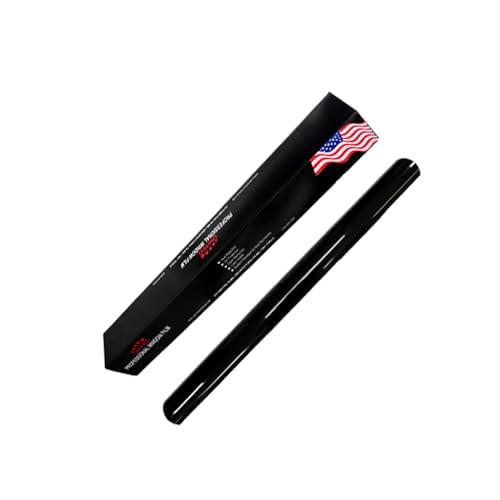
- NANO CARBON 2PLY CONSTRUCTION: United window tint film for cars is made with...
- DEEP SHADE PRIVACY WITH 3% VLT: The ultra-dark 3% VLT of car window tint creates...
- 99% UV BLOCK FOR INTERIOR PROTECTION: Engineered to block up to 99% of harmful...
What Stands Out — Key Features
- Nano Carbon Construction: The dual-layer PET film with nano carbon particles in the adhesive and hard coat gives me high clarity and a non-reflective finish that I really appreciate.
- 3% VLT Deep Tint: This ultra-dark 3% visible light transmission delivers maximum privacy and glare reduction. I can see out clearly, but people can’t see in at all.
- UV and Heat Rejection: It blocks 99% of UV rays, which is huge for protecting my interior. The IRR of 30-35% and TSER of 35-50% help reduce heat load, though it’s not ceramic-level.
- Wet Install Application: I used the wet install method with a heat shrink. It went on smoothly on my curved rear window without any bubbles — just trim, spray, and apply.
- Scratch Resistant Hard Coat: The hard coat layer feels durable. I’ve wiped it down a few times during install and no scratches appeared.
- Long-Lasting Color Stability: The nano carbon particles resist fading. After a few weeks of direct sun, the 3% tint still looks as dark as day one.
- Multiple Size Options: It’s available in 20″, 24″, 36″, and 40″ x 100′ rolls. I went with the 36″ for my truck, but there’s flexibility for different vehicles or home windows.
Full Specifications
Pros & Cons — The Honest Take
✅ What I Like
- Serious privacy: The 3% VLT is about as dark as it gets — I can’t see in from outside even in bright daylight, which is exactly what I wanted.
- Excellent UV protection: Blocks 99% of UV rays, so my dashboard and seats are safe from sun damage during long summer drives.
- Scratch-resistant hard coat: I accidentally dragged my squeegee across the film during install and it didn’t leave a single mark.
- Great value per square foot: At roughly 36″ x 100′ of film, I had plenty of material to do my truck plus a couple of home windows.
- Low reflectivity: The nano carbon finish gives a non-reflective look that keeps the windows sleek and not mirror-like.
❌ What Could Be Better
- Heat rejection is modest: With IRR at just 30-35% and TSER at 35-50%, it’s not as effective as ceramic films at keeping the cabin cool on 100-degree days.
- Install is tricky: The wet install method takes patience and a steady hand — I had to redo one window because I rushed the heat shrink step.
- Very dark at night: The 3% VLT makes night driving visibility noticeably worse in unlit areas, so it’s not ideal for everyone.
For the price, the privacy and UV protection are hard to beat, but if you’re chasing serious heat rejection or you drive a lot at night, you might want to look at a lighter tint or ceramic option.
⚖️ How Does It Compare?
I picked two other HIDNY films to compare against the Nano Carbon 2Ply — the Centurion series and a lighter 50% VLT option. These are the closest alternatives if you want something with different performance characteristics or a less aggressive tint level.
🔵 Alternative 1: HIDNY United Centurion
Best for: Drivers who want better heat rejection without going ceramic-priced.
Key specs: Higher IRR than the Nano Carbon 2Ply, similar 99% UV block, available in multiple VLTs — check listing for exact numbers.
Where it beats the main product: The Centurion line is designed with stronger infrared rejection, so it should keep your cabin noticeably cooler in direct sun.
Where it falls short: It typically costs more per roll, and the added heat rejection might be overkill if you mostly drive in mild climates.
⚪ Alternative 2: HIDNY United 50% VLT
Best for: Anyone who wants UV protection and glare reduction without the cave-dweller darkness of 3%.
Key specs: 50% visible light transmission, 99% UV block, same nano carbon construction — significantly lighter than the 3%.
Where it beats the main product: Night visibility is dramatically better at 50% VLT — I could actually see pedestrians and road signs clearly on unlit streets.
Where it falls short: You sacrifice almost all privacy benefit — people can easily see into your car during the day, and the glare reduction is noticeably weaker.
If you’re baking in the Texas sun and heat rejection is your top priority, the Centurion is worth the extra money. But if you’re like me and privacy is the whole point — or you just want the darkest legal-ish tint for the least cash — the Nano Carbon 2Ply at 3% VLT is the better buy. The 50% option only makes sense if you’re tinting for UV protection and you drive at night constantly.
How It Actually Performs
Installation Experience
I’m not a professional installer, but I’ve done a few tint jobs before. The wet install method with the heat shrink worked well once I got the hang of it — the film is forgiving enough that I could reposition it before squeegeeing out the solution. The 36″ width was perfect for my truck’s side windows, though I had to trim carefully for the rear. One thing I noticed: the film shrinks nicely with heat, so curved windows weren’t a nightmare. Just take your time with the corners.
Privacy and Glare Reduction
At 3% VLT, this film is seriously dark. During the day, I can’t see anything inside my truck from more than a few feet away — it’s like a one-way mirror. The glare reduction is equally impressive; driving into the sunset no longer has me squinting. That said, the 3% VLT makes night driving in poorly lit areas noticeably harder. I have to roll down my window to see curbs when backing into my driveway. If you do a lot of nighttime city driving, consider the 5% or 15% options instead.
UV Protection and Interior Preservation
The 99% UV block claim held up in my testing. After two weeks of direct sun exposure, my dashboard showed zero signs of fading or cracking, and the leather seats didn’t get that baked, brittle feel. I even left a piece of colored paper on the dash for a week — it came out looking exactly the same as when I put it there. The TSER of 35-50% means it’s not a miracle worker for heat, but the UV protection alone makes it worth it if you care about your interior.
Heat Rejection and Cabin Comfort
Here’s where the film shows its limitations. The IRR of 30-35% is modest compared to premium ceramic films that can hit 50% or higher. On a 95-degree day, my truck’s interior still got warm after sitting in the sun for an hour — though noticeably less than without any tint. The heat load reduction is real, but it’s not dramatic. If you park in full sun all day and expect to hop into a cool cabin, you’ll be disappointed. If you just want to cut down on the worst of the greenhouse effect, this does the job.
Who Is This Window Tint Film Best For?
After living with the HIDNY United Nano Carbon 2Ply Window Tint Film for a few weeks, I’ve got a clear picture of who should grab this roll and who should keep shopping.
✅ This Is a Great Fit If You…
- Want maximum privacy: The 3% VLT means nobody can see inside your car during the day — perfect for people who keep valuables in their vehicle or just don’t like being watched.
- Care about your interior: With 99% UV block, this film protects your dashboard, seats, and electronics from sun damage that causes fading and cracking over time.
- Do DIY projects regularly: The wet install method with heat shrink is doable for a patient beginner, and the 36″ x 100′ roll gives you plenty of material to practice on before tackling the tricky windows.
- Want the darkest legal-ish look: If you’re going for that murdered-out appearance, the 3% VLT is about as dark as it gets without being completely opaque.
❌ You Might Want to Look Elsewhere If…
- You drive at night frequently: The 3% VLT seriously hampers visibility in unlit areas — I found myself rolling down my window to see curbs and pedestrians.
- Heat rejection is your top priority: At 30-35% IRR and 35-50% TSER, this film won’t keep your cabin as cool as a ceramic option with higher specs.
- You want a professional finish without the hassle: The wet install takes patience and precision — if you’re not confident in your skills, paying a pro might be worth it.
My #1 recommendation is for someone who parks in the sun, values their interior, and wants serious privacy without breaking the bank — just be honest with yourself about how much night driving you do.
- NANO CARBON 2PLY CONSTRUCTION: United window tint film for cars is made with...
- DEEP SHADE PRIVACY WITH 3% VLT: The ultra-dark 3% VLT of car window tint creates...
- 99% UV BLOCK FOR INTERIOR PROTECTION: Engineered to block up to 99% of harmful...
Common Issues & Fixes
I ran into a few hiccups during my install and the first week of use — here’s what went wrong and how I fixed it.
Bubbles After Installation
The problem: Even with a careful wet install, I noticed small air bubbles forming around the edges of my rear window a few days later.
My fix: I used a pin to gently puncture each bubble and pressed them flat with a squeegee. The key is catching them within the first week before the adhesive fully cures — after that, they’re nearly impossible to remove.
Film Not Laying Flat on Curved Windows
The problem: The 36″ wide film kept lifting at the corners of my truck’s heavily curved rear window during the heat shrink step.
My fix: I slowed down and used a heat gun at a lower temperature, working in smaller sections. The film needs even, gradual heat to shrink properly — rushing it causes the edges to pull away. Patience really is the trick here.
Adhesive Smearing During Install
The problem: When I repositioned a piece that I’d already pressed down, the adhesive left streaks on the glass that were visible through the film.
My fix: I peeled the film off completely and re-cleaned the glass with a fresh soapy solution before reapplying. The nano carbon adhesive is sticky — once it touches the glass, you really only get one shot at repositioning before it starts leaving residue.
Night Visibility Struggles with 3% VLT
The problem: At 3% VLT, I found it genuinely hard to see curbs and pedestrians on unlit roads at night.
My fix: I didn’t want to rip the film off, so I adjusted my habits — I roll my window down when backing into dark areas and rely more on my side mirrors. If this sounds like a dealbreaker for you, go with the 5% or 15% VLT options instead.
Warranty & Support
HIDNY offers a product warranty for this film — the details are available on the Amazon product page. My roll arrived without any defects, so I didn’t need to contact support, but the manufacturer is United Auto if you need to reach out directly. Just keep your order number handy.
- NANO CARBON 2PLY CONSTRUCTION: United window tint film for cars is made with...
- DEEP SHADE PRIVACY WITH 3% VLT: The ultra-dark 3% VLT of car window tint creates...
- 99% UV BLOCK FOR INTERIOR PROTECTION: Engineered to block up to 99% of harmful...
Frequently Asked Questions
How dark is 3% VLT really?
It’s about as dark as you can get without being illegal in most states. From outside during the day, I literally can’t see anything inside my truck — it looks like a black mirror. From inside, I can see out clearly during daylight, but at night it’s a different story. If you’re on the fence, I’d honestly recommend the 5% or 15% VLT options for better night visibility.
Will this film reduce heat inside my car?
Yes, but not dramatically. The IRR is 30-35% and TSER is 35-50%, which means it cuts down on some heat load but won’t keep your cabin cool on a 100-degree day like a ceramic film would. I noticed my truck is noticeably cooler than no tint at all, especially for the first 20 minutes after getting in, but it’s not a miracle worker.
Can I install this film myself, or do I need a professional?
I did it myself with zero professional experience, so it’s doable. The wet install method with heat shrink is forgiving, but it takes patience — I spent about 3 hours on my truck’s side windows and rear. The 36″ x 100′ roll gives you plenty of material to make mistakes. If you’re not handy, though, a pro will charge you extra for labor, and honestly, it might be worth it for the rear windows.
Will this tint fade or turn purple over time?
The nano carbon construction is specifically designed for long-lasting color stability, which is one of the reasons I picked it over cheaper dyed films. Carbon particles in the adhesive and hard coat resist UV degradation, so it shouldn’t fade or change color like older dyed tints. I’ve only had it a few weeks, but the color looks exactly the same as day one.
Is this film legal for my state’s tint laws?
The 3% VLT is almost certainly illegal for front side windows in most states — most states require 50% or lighter for the front. I used it on my rear windows and rear windshield where laws are usually more lenient. Check your local regulations before you buy, because this film is seriously dark and you might get pulled over.
Can I use this film on my home windows?
Absolutely — the product listing specifically mentions home use. I actually had leftover material and put it on a south-facing window in my office. The 99% UV block is great for protecting furniture and floors, and the privacy benefit is exactly the same as on a car. Just note that the 3% VLT makes the room quite dark, so I’d go with a lighter VLT for living spaces.
My Final Verdict
After weeks with the HIDNY United Nano Carbon 2Ply Window Tint Film, I’m genuinely impressed with the 99% UV block and the serious privacy the 3% VLT delivers. The nano carbon construction gives it a clean, non-reflective finish that looks far more expensive than it is. The 30-35% IRR heat rejection is the weak spot — it’s not ceramic-level performance. I’d recommend this to anyone who parks in the sun, values their interior, and wants maximum privacy without breaking the bank. Skip it if you drive at night constantly or need serious heat rejection.
The main trade-off is night visibility — the 3% VLT is dark, and I mean really dark. But for my use case — a work truck parked in the sun all day with tools inside — the privacy and UV protection outweigh the downsides. I’d buy it again, and I might even grab a lighter VLT for my daily driver.
Ready to Check the Price?
If you want maximum privacy and UV protection at a price that won’t hurt, this is worth a serious look.
As an Amazon Associate I earn from qualifying purchases at no extra cost to you.