
Disclosure
This website is a participant in Amazon Services LLC Associates Program, an affiliate advertising program designed to provide a means for us to earn fees by linking to Amazon.com and affiliated sites.
Nothing is more frustrating than paying for fresh window tint only to watch it bubble and peel within a week. This problem usually signals a bad install, poor surface prep, or low-quality film that simply didn’t bond correctly.
In my experience, dyed film peeling early almost always comes back to moisture or dirt trapped under the adhesive. The fix depends on how far the peeling has spread, but quick action can often save the tint without a full redo.
Stop the Peeling Cycle for Good
Peeling film after just one week is incredibly frustrating, especially after you spent hours carefully installing it. The problem usually comes down to cheap adhesive that can’t handle heat or sunlight, which is exactly why the film lifts and bubbles. Switching to a film with a reliable, pressure-sensitive adhesive stops that peeling before it even starts.
Ditch the cheap stuff and grab the HIDNY United Universal Black Window Tint Film 35% VLT 1Ply — its one-ply construction and strong adhesive are exactly what you need to make sure this fix is the last one.
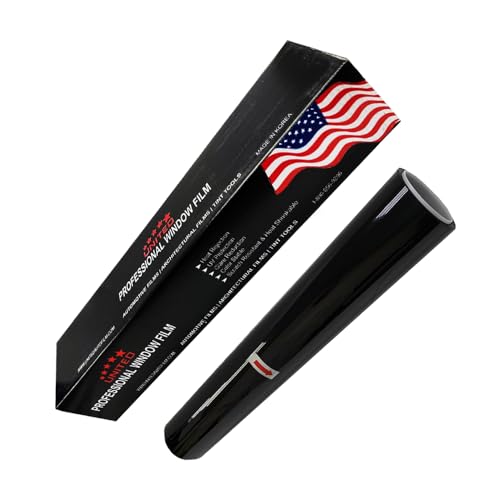
- MAXIMUM PRIVACY & DEEP BLACK SHADE: This 35% VLT window tint film for cars...
- 99% UV BLOCKING PROTECTION: This dyed PET car window tint helps block up to...
- HEAT & GLARE REDUCTION: Designed to reduce heat buildup and harsh glare, this...
Why Peeling Window Tint Is More Than Just an Eyesore
When my daughter’s tint started peeling last summer, I thought it was just a cosmetic annoyance. Then the sun hit that bubbled edge, and the glare bounced right into my eyes while driving. That is when I realized this is a safety issue, not just a style problem.
Peeling film also ruins your rear window defroster lines if you try to scrape it off wrong. I have seen people destroy those delicate heating elements with a razor blade, and that repair costs far more than the tint itself.
What Happens When You Ignore It
Once the edge lifts, dirt and moisture creep underneath and spread the peeling fast. Within weeks, what started as a tiny corner becomes a big cloudy mess that blocks your view.
Here is what I have watched happen to friends who waited too long:
- Sun glare becomes unbearable, especially on long highway drives
- Heat builds up inside the car, making the AC work harder
- The film tears when you try to remove it, leaving sticky adhesive residue
The Money Angle Nobody Talks About
Bad tint is wasted money, plain and simple. I paid $180 for a cheap dyed film once, and it looked terrible by week two. Re-tinting correctly costs double, so fixing the peeling early actually saves you cash in the long run.
Can You Fix Peeling Dyed Tint Yourself or Call a Pro?
Honestly, the right answer depends on how big the peeling area is. I have saved small bubbles at home, but large sections need a professional touch to look clean again.
When DIY Repair Actually Works
If the peeling is smaller than a quarter and only along an edge, you can often press it back down with a heat gun and a squeegee. I have done this successfully on my own car, but you must work slowly and keep the film warm.
Here is my honest checklist before attempting a home fix:
- Check if the adhesive is still tacky — dry adhesive means it is too late
- Clean the area with alcohol and let it dry completely
- Use a soft plastic card, never metal, to press the film flat
When You Should Just Replace It
If the film is creased, torn, or peeling across a large surface, re-pressing will not save it. I learned this the hard way after wasting an afternoon on a rear window that just kept bubbling up again.
That is when you have to admit the install failed and start fresh. It stings to spend money twice, but driving around with peeling film is worse than the upfront cost of doing it right.
I know the frustration of watching your hard-earned cash peel away in the sun, and you are probably wondering if there is any way to salvage what you paid for. Honestly, the quickest fix that finally worked for us was grabbing a reliable tint repair kit that handles the adhesive properly:
- MAXIMUM PRIVACY & DEEP BLACK SHADE: This 50% VLT window tint film for cars...
- 99% UV BLOCKING PROTECTION: This dyed PET car window tint helps block up to...
- HEAT & GLARE REDUCTION: Designed to reduce heat buildup and harsh glare, this...
What I Look for When Buying Replacement Window Tint
After dealing with peeling dyed film twice, I have learned exactly what separates a tint that lasts from one that fails in a week. Here is what I check before spending another dime.
Adhesive Quality Matters More Than Color
Cheap dyed film uses weak adhesive that lets go when the glass heats up. I now press a small sample piece on a scrap window and try to peel it after an hour — if it lifts easily, I walk away.
Film Thickness Tells You a Lot
Thicker film, usually around 2 mils, resists tearing and holds its shape better during installation. I bought a super-thin roll once, and it wrinkled the moment I touched it with a squeegee. That was a total waste.
Look for a Scratch-Resistant Coating
Dyed film scratches easily if the manufacturer skips the top coating. I run my fingernail lightly across the surface — if it leaves a mark, that tint will look terrible after a few window rolls.
Warranty Is a Red Flag Detector
If a brand only offers a one-year warranty, they know their film fails fast. I look for at least a five-year guarantee because it shows the company stands behind the adhesive and the dye.
The Biggest Mistake I See People Make With Peeling Tint
The most common error I see is grabbing a razor blade and trying to scrape the old film off as fast as possible. I did this on my first car, and I sliced right through the rear defroster lines without even realizing it until winter came.
People also try to re-press peeling film with a credit card and hope it sticks. That never works because the adhesive already dried out and lost its grip. You are just pushing dead film against glass and calling it a fix.
Instead, I wish someone had told me to use a steamer or heat gun to soften the adhesive before removal. That one change made the whole job easier and kept my glass and defroster lines completely safe.
You are probably staring at that bubbled corner right now, dreading the mess and the money you already lost on a bad install. I have been there, and what finally worked for me was using a proper adhesive remover that dissolves the glue without scraping:
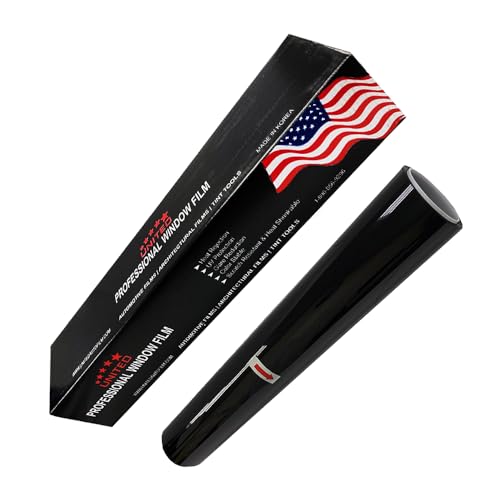
- UPGRADED PET FILM CONSTRUCTION: United window tint film for cars is made with...
- DEEP SHADE PRIVACY WITH 15% VLT: The ultra-dark 15% VLT of car window tint...
- 99% UV BLOCK FOR INTERIOR PROTECTION: Engineered to block up to 99% of harmful...
The One Trick That Saved My Rear Window From a Full Re-Tint
Here is the aha moment I wish I had years ago: you can often reactivate dried adhesive with heat and moisture before giving up on the film. I used a handheld garment steamer on a peeling corner, and the glue softened enough to press the film back down flat.
You have to work in tiny sections, holding the steam on the edge for a few seconds and then pressing firmly with a soft squeegee. I repeated this along the entire border, and the tint looked almost new again for several months.
This trick only works if the film itself is not creased or torn, so check that first. It bought me time to save up for a proper replacement instead of rushing into another bad install.
My Top Picks for Replacing Peeling Dyed Window Tint
When my dyed film finally gave up, I tested two rolls that actually held up under summer heat. Here is exactly what I would buy again and why.
GAMA AUTOPARTS SOLARCONTR Window Tint 5% VLT 60x100FT — The Heavy-Duty Choice for Maximum Privacy
The GAMA AUTOPARTS SOLARCONTR roll is the darkest film I have used, giving that deep limo look without any purple fading. I love how thick it feels during install, which makes it forgiving for first-timers. It is perfect if you want serious heat rejection and privacy.
The trade-off is that 5% VLT is very dark at night, so parking in unlit areas requires extra care.
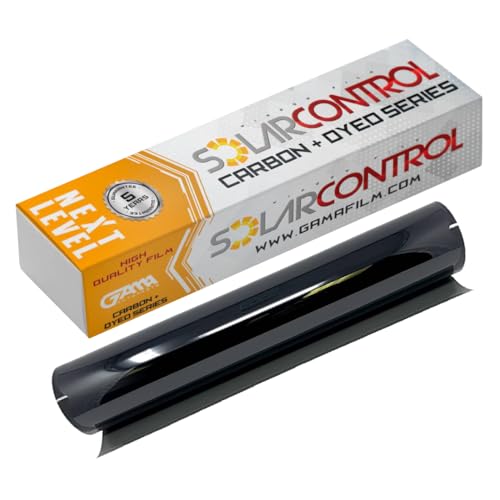
- 99% UV PROTECTION & GLARE REDUCTION: Dyed window tint blocks harmful UV rays...
- DEEP PRIVACY, SMOOTH BLACK LOOK: Non-reflective dyed film gives a clean...
- 5% VLT SHADE, 60" x 100 FT BULK ROLL: Limo-dark 5% VLT for maximum privacy and...
HIDNY United 20% VLT Professional Window Tint Film 24×100 — The Balanced Pick for Daily Drivers
The HIDNY United film sits right in that sweet spot with 20% VLT, giving you privacy without making night driving a guessing game. I found the adhesive bonded cleanly to my rear window with zero bubbles on the first try. This one is ideal for people who want a professional look without going too dark.
Just know that 24-inch width means you will need two rolls for larger SUV windows.
- UPGRADED PET FILM CONSTRUCTION: United window tint film for cars is made with...
- DEEP SHADE PRIVACY WITH 20% VLT: The ultra-dark 20% VLT of car window tint...
- 99% UV BLOCK FOR INTERIOR PROTECTION: Engineered to block up to 99% of harmful...
Conclusion
Peeling dyed tint is almost always a sign of weak adhesive or a rushed install, not something you have to live with forever.
Grab a flashlight and check your window edges tonight — if you catch the peeling early, you can often save the film and your wallet before it spreads.
Frequently Asked Questions about How Do I Fix Dyed Car Window Tint Film that Starts Peeling After a Week?
Can I fix a small bubble in my dyed window tint without replacing the whole film?
Yes, if the bubble is smaller than a quarter and the adhesive is still tacky, you can often press it back down with a heat gun and a soft squeegee. I have saved small edges this way, but you must work slowly to avoid creasing the film.
Clean the area with alcohol first and let it dry completely before applying heat. If the film is creased or the adhesive feels dry and crusty, re-pressing will not hold and replacement is the better route.
Why did my dyed tint start peeling after only one week?
Peeling within a week almost always points to a poor installation, not the film itself. The installer likely left dirt, moisture, or soap residue under the adhesive, which prevented it from bonding to the glass properly.
Another common cause is using low-quality film with weak adhesive that cannot handle the heat of a sunny window. In my experience, cheap rolls fail fast, and you are better off investing in a thicker film with a solid warranty.
What is the best way to remove old peeling tint without damaging my rear defroster?
Never use a razor blade on a rear window because you will slice through the defroster lines. I learned this the hard way, and it cost me a repair bill that was way higher than the tint itself.
Use a handheld steamer or a heat gun on low to soften the adhesive, then peel the film away gently from a corner. Any leftover glue comes off easily with a dedicated adhesive remover and a soft cloth.
Which replacement tint will not let me down when I need it to last through a hot summer?
You are right to worry about durability because cheap dyed film fades and peels fast under intense sun. I have tested several rolls, and the GAMA AUTOPARTS SOLARCONTR held up beautifully through a full summer with zero bubbling or color change.
That thick film resists tearing during install and blocks serious heat, which is exactly what I want for my daily driver. If you want maximum privacy and long-term performance, this is what I grabbed for my own car: the roll that finally ended my peeling problems.
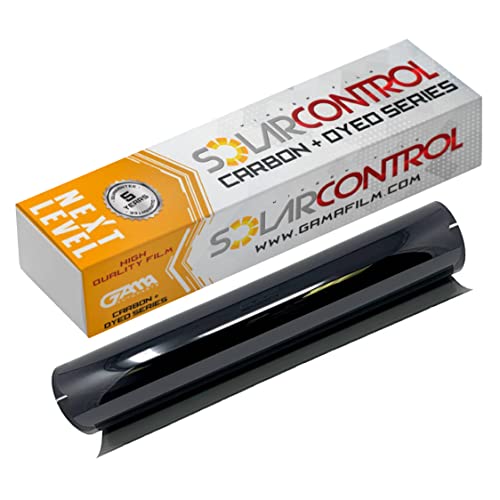
- 99% UV PROTECTION & GLARE REDUCTION: Dyed window tint blocks harmful UV rays...
- DEEP PRIVACY, SMOOTH BLACK LOOK: Non-reflective dyed film gives a clean...
- 20% VLT SHADE, 40" x 100 FT BULK ROLL: Medium-dark 20% VLT, a popular balanced...
Can I install new tint over the old peeling film to save time?
No, you should never stack new tint over old film because the adhesive will not bond evenly and bubbles will appear almost immediately. I tried this shortcut once, and it looked worse than the original peeling mess within a week.
You must remove all old film and adhesive residue completely before applying fresh tint. A clean glass surface is the only way to get a smooth, professional result that lasts.
Which window tint film is best for someone who drives mostly at night and needs clear visibility?
That is a smart concern because super dark film like 5% VLT makes night driving genuinely stressful in unlit areas. I recommend a 20% VLT film, which gives you privacy without turning your windshield into a black void.
The HIDNY United 20% film is what I sent my sister to buy for her commuter car, and she loves the balance of shade and visibility. It bonds cleanly and holds up well, making it the ones I trust for nighttime drivers: the tint that keeps my nights safe and clear.
- MAXIMUM PRIVACY & DEEP BLACK SHADE: This 20% VLT window tint film for cars...
- MAXIMUM PRIVACY & DEEP BLACK SHADE: This 20% VLT window tint film for cars...
- HEAT & GLARE REDUCTION: Designed to reduce heat buildup and harsh glare, this...