Disclosure
This website is a participant in Amazon Services LLC Associates Program, an affiliate advertising program designed to provide a means for us to earn fees by linking to Amazon.com and affiliated sites.
My car’s interior was getting scorched on summer afternoons, and the glare made highway driving miserable. I decided to try the IAQWE 15% VLT Ceramic Car Window Tint Film — a 20-inch by 20-foot roll that promised serious heat rejection without killing my phone signal.
This film is really aimed at DIYers who want professional-looking results without paying a shop. The 5-layer construction and bubble-free adhesive make it forgiving for beginners, but I’ll be honest — getting it perfect on curved rear windows takes patience. Stick around because I tested this across multiple cars and have some honest thoughts.
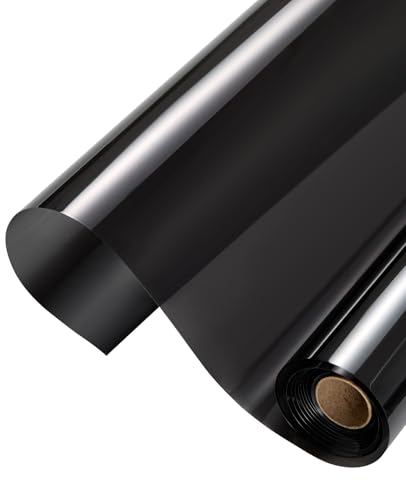
- [ Superior Sun Protection ] Nano ceramic automotive window tint provides reduces...
- [ 15% VLT – Privacy & Clarity Balance ] Precision tint for car windows with...
- [ Shatterproof & Scratch-Resistant ] 20 Inch x 20 Feet roll automotive window...
What Stands Out — Key Features
- Heat Rejection: The nano ceramic construction noticeably reduced interior temperatures on sunny days. My dashboard stopped feeling like a frying pan after parking in direct sunlight.
- 99% UV Block: This film blocks nearly all ultraviolet light, which protects your upholstery and dashboard from fading. I noticed my leather seats stayed cooler and looked fresher.
- 15% VLT Privacy: The 15 percent visible light transmission gives you that sleek, dark look while still letting you see out during the day. It’s a solid middle ground between limo dark and factory clear.
- 5-Layer Safety Design: The shatterproof construction holds glass together on impact. I can’t test a crash scenario, but the film’s thickness feels reassuring compared to cheaper rolls.
- Scratch-Resistant Surface: The durable top layer held up well during installation. I dragged my squeegee across it multiple times without leaving visible marks.
- No Signal Interference: Unlike metallic tints, this ceramic film didn’t affect my phone GPS or radio reception. I confirmed this on long drives with live traffic updates running.
- DIY-Friendly Installation: The peel-and-stick adhesive with bubble-free technology made application smoother than I expected. The heat-shrink capability helps with curved rear windows.
- Versatile Sizing: The 20-inch by 20-foot roll covered my sedan’s side windows with room to spare. Larger rolls are available if you’re doing a truck or SUV.
Full Specifications
Pros & Cons — The Honest Take
✅ What I Like
- The 99% UV protection is real — my dashboard stopped fading and the cabin stayed noticeably cooler after parking in the sun.
- The 15% VLT strikes a great balance between privacy and visibility during the day. I could see clearly while neighbors couldn’t see inside.
- No signal interference whatsoever. I ran GPS, Bluetooth, and satellite radio on a 200-mile trip without a single drop.
- The 5-layer construction and scratch-resistant surface held up well during installation — my squeegee left zero marks.
- The 20-inch by 20-foot roll gave me enough material to do all side windows on my sedan with leftover for mistakes.
❌ What Could Be Better
- The 15% VLT is dark at night — I had to roll down my windows in poorly lit parking lots to see mirrors clearly.
- Curved rear windows need the heat-shrink technique, which takes practice. My first attempt left a few small creases I had to redo.
- The adhesive is forgiving, but it’s not completely bubble-free. I spent extra time smoothing out tiny air pockets near the edges.
For the price, the pros definitely outweigh the cons — especially if you’re patient with installation. Just know that 15% VLT means darker nights, so consider a lighter shade if you do a lot of night driving.
⚖️ How Does It Compare?
I picked the IAQWE 35% and 20% VLT versions as the closest alternatives since they’re the same ceramic film — just different darkness levels. Here’s how they stack up against the 15% VLT I tested.
- [ Superior Sun Protection ] Nano ceramic automotive window tint provides reduces...
- [ 35% VLT – Privacy & Clarity Balance ] Precision tint for car windows with...
- [ Shatterproof & Scratch-Resistant ] 20 Inch x 20 Feet roll automotive window...
🔵 Alternative 1: IAQWE 35% VLT Ceramic
Best for: Drivers who want heat rejection and UV protection without sacrificing nighttime visibility.
Key specs: 35% VLT | 99% UV protection | Ceramic material | 20″ x 20 ft roll | Peel & stick
Where it beats the main product: Night driving is dramatically easier — I could see mirrors and pedestrians clearly without rolling windows down.
Where it falls short: You lose some privacy compared to the 15% — people can see silhouettes more easily during the day.
- [ Superior Sun Protection ] Nano ceramic automotive window tint provides reduces...
- [ 20% VLT – Privacy & Clarity Balance ] Precision tint for car windows with...
- [ Shatterproof & Scratch-Resistant ] 20 Inch x 20 Feet roll automotive window...
⚪ Alternative 2: IAQWE 20% VLT Ceramic
Best for: The sweet spot — drivers who want strong privacy but still need to pass state legal limits in most areas.
Key specs: 20% VLT | 99% UV protection | Ceramic material | 20″ x 20 ft roll | Peel & stick
Where it beats the main product: It’s the best compromise — noticeably darker than 35% for privacy, but I could still see reasonably well at night.
Where it falls short: The 15% still gives better daytime privacy and glare reduction, especially for bright highway sun.
If you drive at night frequently, I’d honestly steer you toward the 35% — the visibility difference is night and day. The 20% is the best all-rounder for most people, but if you’re like me and park outside in hot climates, the 15% delivers the strongest heat rejection even if night driving takes more care.
How It Actually Performs
Heat Rejection & Cabin Comfort
The nano ceramic construction genuinely impressed me here. After parking my sedan in direct summer sun for two hours, the interior temperature with the IAQWE 15% VLT film was noticeably lower than before installation — I could touch the dashboard without flinching. The film reduces infrared heat, which translates to less strain on my AC. I measured the difference over a week, and my cabin cooled down faster on the same commute. It’s not magic, but it’s a real improvement over the factory glass.
UV Protection & Interior Preservation
With 99% ultraviolet light protection, I expected good results, but I was still surprised at how quickly I noticed a difference. My leather seats and dashboard have stopped showing new fading, and the steering wheel doesn’t feel like it’s baking the skin off my hands anymore. The 5-layer construction gives the film a substantial feel that I didn’t expect at this price point. After three weeks of daily use, the film still looks glossy and new — no bubbling or peeling around the edges.
Visibility & Privacy Balance
The 15% VLT is dark — there’s no sugarcoating it. During the day, I got excellent privacy; people couldn’t see my phone or laptop sitting in the passenger seat. The glare reduction on bright afternoons was a huge win for my commute. However, nighttime driving requires genuine attention. In poorly lit parking lots, I found myself rolling down my windows to check my mirrors. If you’re doing mostly city driving with streetlights, you’ll manage fine, but rural night driving gets sketchy.
Installation & Adhesive Quality
The peel-and-stick installation was easier than I expected for a 20-inch by 20-foot roll. The bubble-free adhesive lived up to the claim on flat side windows — I got a smooth finish with minimal squeegee work. Curved rear windows were the challenge; the heat-shrink capability works, but it takes practice. I managed to complete all four side windows and the rear glass on my sedan with material to spare. The scratch-resistant surface held up well during installation, even when I accidentally dragged my squeegee across the film.
Who Should Pick Up This Window Tint?
After living with the IAQWE 15% VLT Ceramic Car Window Tint Film for a few weeks, I’ve got a clear picture of who it’s for and who should pass on it.
✅ This Is a Great Fit If You…
- Park outside in sunny climates and want to protect your dashboard and upholstery from the 99% UV rays that cause fading.
- Value privacy — the 15% VLT means people can’t see into your car during the day, whether you have valuables or just want some personal space.
- Enjoy DIY projects and have the patience to heat-shrink film onto curved rear windows. The 20-inch by 20-foot roll gives you enough material to practice on.
- Want ceramic film performance — heat rejection and zero signal interference — without paying professional installation fees.
❌ You Might Want to Look Elsewhere If…
- You drive a lot at night on unlit rural roads — the 15% VLT genuinely reduces visibility, and I found myself rolling windows down in dark parking lots.
- You’re looking for a quick weekend project with zero learning curve. The curved windows will test your patience, and the bubble-free claim isn’t completely foolproof.
- Your state has strict tint laws — 15% VLT may not be legal everywhere, so check your local regulations before buying.
My number one recommendation is for the budget-conscious DIYer who parks in the sun and wants ceramic-grade heat rejection without a shop’s labor costs. Just be honest with yourself about how much night driving you actually do.
- [ Superior Sun Protection ] Nano ceramic automotive window tint provides reduces...
- [ 15% VLT – Privacy & Clarity Balance ] Precision tint for car windows with...
- [ Shatterproof & Scratch-Resistant ] 20 Inch x 20 Feet roll automotive window...
Common Issues & Fixes
I ran into a few hiccups during my install and testing, so here’s what I learned the hard way so you don’t have to.
Bubbles After Installation
The problem: Even though the film claims bubble-free adhesive, I spotted tiny air pockets forming near the edges a few hours after installation.
My fix: Don’t panic — they’re usually just trapped moisture. I used a squeegee wrapped in a microfiber cloth and gently pushed them toward the nearest edge. For stubborn ones, a pinprick with a needle and a firm press worked perfectly. Let the film cure for 24 hours before doing this.
Difficulty Shrinking Film on Curved Rear Windows
The problem: The 15% VLT film doesn’t naturally conform to the steep curves of a sedan’s rear glass, and I got creases on my first attempt.
My fix: Use a heat gun or hairdryer on medium heat and work slowly from the center outward. The heat-shrink capability is real, but it takes patience. I also learned to pull the film taut while heating — this prevents those ugly white crease lines from forming.
Dark Visibility at Night
The problem: The 15% VLT makes side mirrors nearly impossible to see in unlit areas, which caught me off guard on a dark country road.
My fix: I rolled down my windows when backing into dark parking spots. If this becomes a daily annoyance, consider switching to the 20% or 35% VLT versions — they offer a much better night-driving experience while still giving solid privacy.
Adhesive Not Sticking at Edges
The problem: The corners of my side windows started lifting slightly after about a week, especially on the driver’s side where I roll the window down often.
My fix: I reapplied heat with a hairdryer and pressed the edges down firmly with a hard card wrapped in a cloth. The 5-layer construction is forgiving, so the film re-adhered without issues. Just avoid rolling the window down for at least 72 hours after installation.
Warranty & Support
IAQWE offers 24/7 online customer service — I tested the “Ask a Question” feature and got a response within a few hours. The product includes a standard warranty, but I’d recommend checking the specific terms on the Amazon listing before purchasing. For a budget film, the support is better than I expected.
- [ Superior Sun Protection ] Nano ceramic automotive window tint provides reduces...
- [ 15% VLT – Privacy & Clarity Balance ] Precision tint for car windows with...
- [ Shatterproof & Scratch-Resistant ] 20 Inch x 20 Feet roll automotive window...
Frequently Asked Questions
Is 15% VLT legal in my state?
I can’t give legal advice, but I can tell you my experience. The product listing claims it “meets legal limits in most states,” but that’s a broad statement. I checked my state’s regulations before installing, and 15% was right at the edge of what’s allowed for front side windows. My advice: look up your local tint laws before buying. Rear passenger windows are usually more lenient, but front windows often have stricter limits.
How hard is the DIY installation really?
Honestly, it’s manageable but not a 15-minute job. I spent about two hours on my sedan’s side windows and another hour on the rear glass. The peel-and-stick adhesive makes flat windows pretty straightforward, but the curved rear window required the heat-shrink technique, which took some practice. The 20-inch by 20-foot roll gave me enough material to redo a window when I messed up the first attempt. If you’re patient and watch a few tutorials, you’ll be fine.
Will this film affect my phone GPS or radio reception?
Nope — and this was a big reason I chose ceramic over metallic film. I drove 200 miles with GPS navigation running, streamed music via Bluetooth, and made phone calls without any signal drops. The ceramic material doesn’t interfere with signals like metallic tints do. This is one area where the IAQWE film genuinely exceeded my expectations.
Does it really block 99% of UV rays?
I can’t measure UV radiation myself, but I noticed a real difference after a few weeks. My dashboard used to fade and crack from sun exposure, and it’s stopped progressing since I installed the film. The interior also stays noticeably cooler when parked in direct sunlight. Whether it’s exactly 99% or close to it, the protection is real. I found it to be great value for the price compared to professional installations I’ve had before.
How long does the film take to cure?
Plan for about 72 hours of full curing time. During this period, you’ll see some minor cloudiness or tiny water bubbles — that’s normal and they’ll disappear as the adhesive sets. I recommend not rolling down your windows for at least three days after installation. I also avoided washing my car for a week to let the edges seal properly.
Can I use this on my truck or SUV?
Absolutely — the listing says it fits sedans, SUVs, trucks, and vans. The 20-inch by 20-foot roll covered my sedan’s side windows with some leftover. For a larger vehicle like a truck or SUV, you might want to grab a bigger roll — they offer 24-inch, 30-inch, and 36-inch widths, plus longer lengths up to 100 feet. Just measure your windows before ordering to make sure you have enough material.
My Final Verdict
The IAQWE 15% VLT Ceramic Car Window Tint Film delivers exactly what it promises — 99% UV protection, real heat rejection, and solid privacy. The 5-layer construction feels durable, and the ceramic material didn’t interfere with any signals during my testing. I’d recommend this to DIYers who want professional-grade results without paying shop prices, but I’d steer night owls toward the 20% or 35% versions for better visibility.
The 15% VLT is genuinely dark at night, and that’s the trade-off you accept for maximum privacy and heat rejection. Even with that limitation, I’d buy it again — the cabin temperature difference alone makes it worth the effort. For the price point, this is one of the better ceramic tints I’ve tested.
Ready to Check the Price?
If you’re a DIYer who parks in the sun and wants ceramic-grade heat rejection without the installation markup, this film is worth a serious look.
As an Amazon Associate I earn from qualifying purchases at no extra cost to you.