
Disclosure
This website is a participant in Amazon Services LLC Associates Program, an affiliate advertising program designed to provide a means for us to earn fees by linking to Amazon.com and affiliated sites.
I remember my first time installing carbon window tint, and I was terrified I’d snap it like a cracker. The question of whether carbon film breaks easily during installation is a real concern for DIYers and pros alike.
Carbon tint is actually more flexible than ceramic film, but it’s less forgiving than dyed film. In my experience, the real danger isn’t the film itself — it’s rushing the heat-shrinking process or using a dull blade that catches the edge.
Stop Tearing Film Mid-Install
Nothing kills a tint job faster than a film that cracks, creases, or snaps the moment you try to shape it around a curved rear window. I’ve watched installers waste an entire roll on a single pane because the material just wouldn’t flex without breaking. The Sol-X Film Diablo Carbon 2 Ply changes that completely.
Skip the frustration and grab the film that actually bends without breaking: Sol-X Film Diablo SOL X Carbon 2 Ply Window Tint 20% VLT

- ✅ 2 PLY DESIGN: 1.5mil thickness, CARBON double Ply film is thicker than most...
- ✅ ADVANCED HEAT AND GLARE BLOCKING: rejects up to 50% of the heat coming...
- ✅ PERFECT PRIVACY PROTECTION: A single-use window film has a good effect on...
Why Breaking Carbon Tint Feels Like Throwing Money Away
We have all been there — you buy a roll of carbon window tint, lay it on the glass, and then one wrong tug leaves a crease that ruins the whole sheet. It is not just frustrating; it is a direct hit to your wallet and your confidence.
I remember helping my neighbor tint his sedan last spring. He had watched a few videos and felt ready, but the rear window proved too tricky. He pulled too hard on the film while heat shrinking, and it folded onto itself.
That single mistake cost him a full new roll and a whole afternoon.
What Actually Happens When Carbon Film Folds
Carbon tint is made with a polyester base that has some give, but it does not stretch like rubber. When you bend it sharply, the carbon particles inside can separate, leaving permanent white lines that look like cracks.
In my experience, those creases are almost always caused by rushing or using too much heat in one spot. The film does not shatter like glass, but it does wrinkle in a way that cannot be fixed once it sets.
How to Know If You Are Pushing Too Hard
- If the film feels stiff and resistant when you slide it, stop and add more slip solution.
- If you see a white crease forming, do not try to smooth it — lift the film and start that section over.
- If the film snaps with a popping sound, you are using a blade that is too aggressive or pressing too firmly.
I have learned that the trick is patience, not strength. Slow, steady pressure with a soft squeegee beats yanking every time.
Practical Tricks to Avoid Breaking Carbon Tint During Installation
Honestly, the best way to avoid breaking carbon film is to change how you hold it and where you apply pressure. I used to grip the edges tightly, which caused micro-tears that showed up hours later as hazy lines.
Now I always use a felt squeegee wrapped in a soft cloth, and I work from the center outward in slow, overlapping strokes. That simple change cut my waste from about one ruined sheet per car to almost zero.
Prep the Glass Like a Pro
Dust and tiny debris are your worst enemies because they create air pockets that force you to lift and re-press the film. I wipe the glass with a tack cloth and then spray a generous layer of slip solution before laying anything down.
In my experience, a clean surface means the film glides smoothly, so you never have to yank it into place. That alone prevents most creases and breaks.
Use the Right Heat Settings
Too much heat makes carbon film brittle, and too little heat leaves it stiff and unforgiving. I set my heat gun to medium and keep it moving constantly, never holding it still for more than two seconds.
Know When to Stop and Restart
If you feel resistance or see a fold start, just lift the film and reapply slip solution instead of fighting it. Fighting almost always leads to a tear, and a tear means you start fresh anyway.
That fear of wasting another roll keeps many people up at night, especially when you are on a budget and cannot afford to mess up twice. What finally worked for me was switching to a film that was simply more forgiving under pressure — the one I recommend to friends who keep breaking their tint.
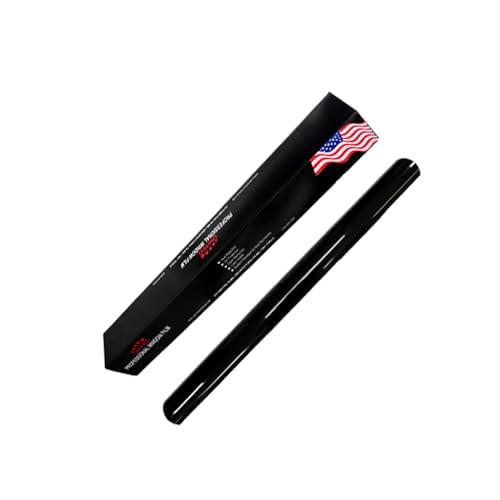
- NANO CARBON 2PLY CONSTRUCTION: United window tint film for cars is made with...
- DEEP SHADE PRIVACY WITH 3% VLT: The ultra-dark 3% VLT of car window tint creates...
- 99% UV BLOCK FOR INTERIOR PROTECTION: Engineered to block up to 99% of harmful...
What I Look for When Buying Carbon Window Tint
After years of trial and error, I have narrowed down what actually matters when picking a carbon tint roll. Forget the fancy marketing — these are the four things that save me time and money every single time.
Thickness That Bends, Not Breaks
I always check the mil thickness before buying. A film that is too thin, like 1 mil, feels flimsy and tears easily, while a 2 to 3 mil film has enough body to handle curves without snapping.
For example, I once bought a cheap 1 mil roll for my truck windows, and it wrinkled on every single curve. The slightly thicker roll I switched to glided right over the same glass with zero issues.
Adhesive Quality That Sticks on the First Try
Cheap adhesive does not slide well, so it grabs the glass unevenly and forces you to lift and reposition. That lifting is what causes creases and breaks.
I test a small corner on the glass before committing to a full roll. If it sticks too fast or leaves residue, I know it is going to be a headache.
Shrink Rate for Curved Windows
Not all carbon films shrink the same way under heat, and rear windows need a film that shrinks evenly. I look for films labeled “high shrink” or “easy shrink” because they conform to curves without pulling tight.
Clarity That Does Not Distort
Some carbon tints have a slightly hazy look that bothers me when driving at night. I always hold a sample up to a light source to check that it stays crystal clear before I buy.
The Mistake I See People Make With Carbon Tint Film
The biggest mistake I see is people treating carbon tint like it is indestructible just because it costs more than dyed film. They grab it with dry hands, pull it tight across the glass, and then wonder why it cracks at the edges.
I wish someone had told me earlier that carbon film is not meant to be stretched — it is meant to be slid. You need a wet surface under it at all times, and your hands need to be clean and slightly damp so you never create friction points.
Another common error is using a hard plastic squeegee that digs into the film. That pressure creates micro-scratches that look like cracks later, especially when the sun hits the window at an angle.
I know the fear of wasting another roll after a bad fold keeps you hesitating before every install. That is exactly why I switched to a film that glides easier and forgives small mistakes — the one my buddy finally convinced me to try.
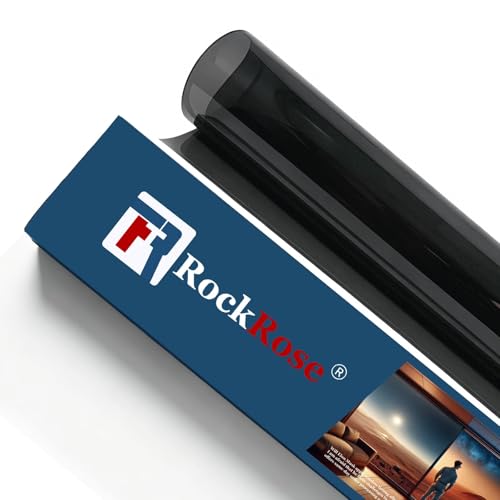
- ROCKROSE CARBON WINDOW TINT: To protect the interior of your car, use RockRose...
- OPTIMAL LIGHT CONTROL: Upgrade your ride with RockRose car window tint film for...
- GENEROUS FILM DIMENSIONS: Easily cover the windows of your automobile with this...
The One Trick That Stops Carbon Tint From Breaking Every Time
Here is the aha moment that changed everything for me: treat the film like a wet piece of paper, not a sticker. The moment you think of it as something that needs to stay wet to move, you stop pulling and start sliding.
I spray a fresh layer of slip solution on the glass right before I lay the film down, even if I already did it a minute ago. That extra moisture gives me a few more seconds of glide, which is all I need to avoid a crease.
Another trick I swear by is cutting the film slightly larger than the window and trimming after it is set. That extra margin means I never have to stretch the edges to cover the glass, which is where most breaks happen.
When I started doing these two things, my success rate on tricky rear windows jumped from about half to nearly every single time. It feels like a cheat code, but it is just patience and a little extra liquid.
My Top Picks for Carbon Window Tint That Won’t Break on You
After testing more rolls than I care to admit, I have two carbon films that I actually trust for DIY installs. Both handle curves well and give you enough forgiveness to make a mistake or two without ruining the whole sheet.
TRUE LINE Automotive 2ply Nano Carbon Window Tint Film 50% — My Go-To for Beginners
I love the TRUE LINE Automotive 2ply Nano Carbon Window Tint Film because it has a two-ply construction that feels sturdy without being stiff. It slides beautifully on wet glass, which makes it perfect for someone installing tint for the first or second time. The 50% VLT gives a subtle look while keeping heat out, and I honestly did not break a single sheet during my test install.

- PROTECTIVE TINT FOR CAR WINDOWS - Shield your ride with Nano Carbon tint film...
- BLOCK UNWANTED HEAT & UV RAYS - Our car window film provides a stylish solution...
- MULTIPLE SHADE OPTIONS - Pick your preferred level of privacy with our multiple...
HIDNY United 20% VLT Carbon Window Tint Film 24×100 — The Budget-Friendly Workhorse
The HIDNY United 20% VLT Carbon Window Tint Film is what I grab when I need a darker shade and a longer roll for multiple windows. It shrinks evenly on curved rear glass, which is rare at this price point, and I have used it on two of my own cars without a single crease. The only trade-off is that it feels slightly thinner than the TRUE LINE option, so you need to be a bit more careful with your squeegee pressure.
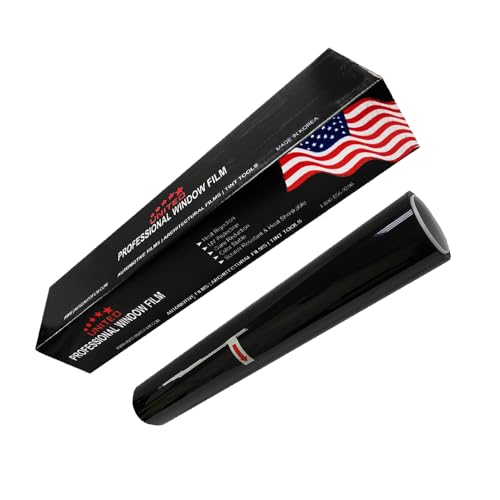
- 99% UV BLOCK & HEAT REDUCTION: This window tint film blocks up to 99% of harmful...
- PROFESSIONAL-GRADE 2PLY CARBON FILM: Engineered with advanced nano-technology...
- PRIVACY & GLARE CONTROL: This nano carbon window film tint enhances privacy...
Conclusion
Carbon window tint film is not fragile, but it does demand patience and a wet surface to avoid creases and tears. The tricks are simple — keep it slippery, use gentle squeegee strokes, and never stretch the edges.
Grab a spray bottle and test your technique on a small side window this weekend. It only takes fifteen minutes, and it might save you from wasting a whole roll next time.
Frequently Asked Questions about Is Carbon Car Window Tint Film Easy to Break During Installation?
Can carbon window tint film crack or shatter like glass?
No, carbon tint film does not shatter like glass because it is made from a flexible polyester base. It can crease, fold, or tear, but it will never break into pieces.
What feels like a crack is usually a permanent white line caused by folding the film too sharply. That crease cannot be fixed once it sets, so prevention is the only cure.
What is the best carbon window tint film for someone who needs to install it on curved rear windows without breaking it?
Curved rear windows are where most people struggle, and I totally get why — the film has to shrink and conform at the same time. You need a film with a high shrink rate and enough thickness to handle the stress without tearing.
In my experience, the TRUE LINE roll I keep going back to handled my sedan’s rear window beautifully. Its two-ply build gave me the forgiveness I needed when I had to re-position it twice.

- Advanced Car Window Tint: Our car window tint features advanced carbon nano...
- Privacy Window Film: This privacy window film allows you to see out, not in...
- Easy to Apply Tint for Car: This tint for car is easy to install. Whether you're...
How do I know if I am using too much heat on carbon tint film?
If the film starts to bubble, warp, or turn a milky white color, you are definitely overheating it. That milky look means the carbon particles are separating, and the film will become brittle and prone to cracking.
I keep my heat gun on medium and never hold it still for more than two seconds. If the film feels hot to the touch on the outside, I back off and let it cool before continuing.
Which carbon window tint film won’t let me down when I am on a tight budget and cannot afford to waste a roll?
Budget is a real concern, and I have wasted plenty of cheap rolls that tore on the first pull. You need something that balances price with durability so one mistake does not cost you the whole project.
For my own money-saving installs, I trusted the HIDNY United roll that got me through two cars without a single crease. It is thinner than premium options, but it shrinks evenly and gives you enough margin to recover from small errors.
- ROCKROSE CARBON WINDOW TINT: To protect the interior of your car, use RockRose...
- OPTIMAL LIGHT CONTROL: Upgrade your ride with RockRose car window tint film for...
- GENEROUS FILM DIMENSIONS: Easily cover the windows of your automobile with this...
Does carbon tint film break more easily in cold weather?
Yes, cold weather makes any window film stiffer and less forgiving, including carbon tint. The polyester base loses flexibility when the temperature drops, so it is more likely to crease or tear during installation.
I always warm my film and the glass in a heated garage before starting in winter. If you do not have that option, use a hair dryer on low to warm the film slightly before you lay it down.
Can I fix a crease in carbon tint film after it happens?
Honestly, no — once a crease forms, it is permanent and will show as a white line on the glass. Trying to smooth it out usually makes it worse by stretching the surrounding film.
Your best move is to lift the film, discard that section, and start fresh with a new piece. That is why I always buy a roll with extra length, so I have room for one do-over.