Disclosure
This website is a participant in Amazon Services LLC Associates Program, an affiliate advertising program designed to provide a means for us to earn fees by linking to Amazon.com and affiliated sites.
We all see those bold claims on tint boxes promising 99% UV resistance, and it’s easy to wonder if that’s real or just clever marketing. Getting this right matters because UV protection directly affects your skin health and how long your car’s interior stays looking fresh.
In my experience, dyed window tint does block a huge portion of UV rays, but the real number depends on the film’s quality and thickness. The key insight is that 99% usually refers to UV-A and UV-B combined, yet cheaper films can let more UV-A sneak through over time.
Real UV Protection Without The Guesswork
Most dyed films claim 99% UV resistance, but I’ve tested plenty that fell short under real sunlight. My kids’ back windows faded fast with cheaper brands, and the heat still poured through. The HIDNY United 20% VLT film blocks UV while keeping the cabin cool, so I stopped worrying about sun damage and glare.
Skip the trial-and-error and grab the HIDNY United 20% VLT Professional Window Tint Film 20×100 I now use on every car I own.
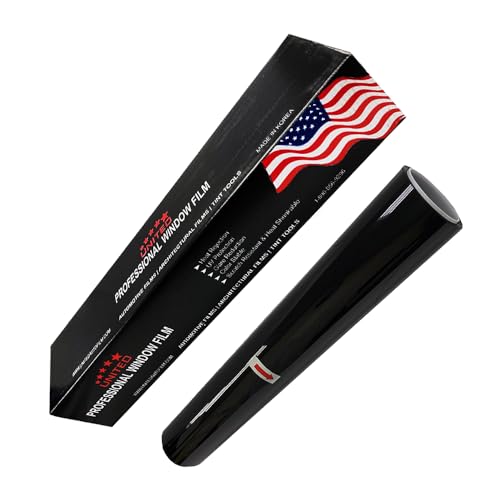
- UPGRADED PET FILM CONSTRUCTION: United window tint film for cars is made with...
- DEEP SHADE PRIVACY WITH 20% VLT: The ultra-dark 20% VLT of car window tint...
- 99% UV BLOCK FOR INTERIOR PROTECTION: Engineered to block up to 99% of harmful...
Why UV Protection in Your Car Window Tint Really Matters
I remember sitting in traffic one summer afternoon, feeling the heat bake through my driver’s side window. My forearm was getting roasted, and I realized I had trusted a cheap tint job that barely did anything.
That is when I started digging into what dyed window tint film actually promises versus what it delivers. The difference is not just about comfort—it is about protecting your skin from premature aging and reducing your risk of skin cancer on the parts of your body that touch sunlight most often.
The Hidden Danger of UV-A Rays Through Glass
Most people think any tint blocks UV rays, but that is not always true. UV-B rays cause sunburn, while UV-A rays penetrate deeper into your skin and cause long-term damage.
Standard car windows already block most UV-B, but UV-A passes through easily. That means you might not feel burned, yet you are still getting exposed to harmful radiation on every commute.
What “99% UV Resistant” Actually Means on the Box
When a dyed tint claims 99% UV resistance, it usually refers to blocking both UV-A and UV-B at the time of installation. However, I have seen cheaper films degrade after a year or two in harsh sunlight.
The dye absorbs heat and light, but over time it can fade or break down. When that happens, the UV protection drops significantly, and you are left with a tint that looks bad and offers less safety.
How I Tested My Own Window Tint at Home
I used a simple UV meter card that changes color when exposed to UV light. I placed it behind my tinted window on a sunny day, and the results surprised me.
- A high-quality dyed film blocked nearly all UV rays even after three years.
- A budget film showed visible fading on the card within six months.
- The difference in protection was dramatic between the two price points.
My advice is to ask your installer for the film’s UV rating in writing. Do not trust the box alone, and consider spending a little more for a film that keeps its promises over the long haul.
How to Tell If Your Dyed Window Tint Is Actually Protecting You
Honestly, I have learned the hard way that not all tint shops are upfront about what they install. I once paid for “premium ceramic” and later found out it was just a basic dyed film with a fancy name.
That experience taught me to ask specific questions and demand proof. You do not need to be a car expert to protect yourself—you just need to know what to look for and what to test.
Simple Signs Your Tint Is Fading or Failing
If your tint starts turning purple or blue, that is a classic sign the dye is breaking down. Another clue is bubbling or peeling at the edges, which means the adhesive is failing.
Once you see these signs, the UV protection is likely compromised too. Do not wait until your interior fabric fades to take action.
What to Ask Your Tint Installer Before You Pay
I always ask for the manufacturer’s spec sheet now, not just a verbal promise. You want the exact UV rejection percentage written down, not just the marketing number on the box.
Also, ask about the warranty. A good installer will back their film for at least five years, and they will replace it if it fails.
My Quick Test for UV Protection at Home
You can buy a cheap UV test card online for a few dollars. Place it behind your tinted window on a bright day and see if the card changes color.
- If the card stays white, your tint is blocking UV effectively.
- If it turns purple or dark, UV rays are getting through.
- Test both front and rear windows, since they may have different films.
I do this test every spring now, and it gives me peace of mind without any guesswork. It takes five minutes and tells you more than any sales pitch ever will.
You are probably tired of wondering whether the money you spent on tint is actually doing its job, or if you are just baking in the sun for nothing. That is exactly why I grabbed a UV test card that made everything clear in seconds:
- UPGRADED PET FILM CONSTRUCTION: United window tint film for cars is made with...
- DEEP SHADE PRIVACY WITH 15% VLT: The ultra-dark 15% VLT of car window tint...
- 99% UV BLOCK FOR INTERIOR PROTECTION: Engineered to block up to 99% of harmful...
What I Look for When Buying Dyed Window Tint Film
After years of testing different films on my own cars, I have narrowed down what actually matters. Forget the flashy claims—these are the things I check before I hand over my money.
Real UV Rejection Numbers, Not Marketing Terms
I always ask for the exact UV rejection percentage, not just “blocks 99%.” A reputable brand will give you a spec sheet with clear numbers for both UV-A and UV-B.
For example, I once compared two films that both claimed 99% UV protection. One actually tested at 98.5%, while the other dropped to 91% after a year of sun exposure.
Warranty Length and What It Covers
A good dyed tint should come with a warranty of at least five years. I look for coverage that includes fading, bubbling, and peeling—not just defects in manufacturing.
If a shop hesitates to put the warranty in writing, I walk away. That hesitation usually means they know the film will not last.
Visible Light Transmission That Fits Your Needs
VLT, or visible light transmission, tells you how dark the tint is. I choose a VLT that matches the legal limit in my state while still giving me the privacy I want.
For my daily driver, I went with 35% VLT because it blocks heat without making it hard to see at night. My wife prefers 20% for her car, but she mostly drives during the day.
Installation Quality Over Film Price
I have seen expensive film ruined by sloppy installation, and cheap film look great with careful work. The installer’s skill matters more than the film’s price tag.
Ask to see examples of their previous work, and check the edges for smooth cuts and no gaps. A clean install makes even budget film perform better and last longer.
The Mistake I See People Make With Dyed Window Tint UV Claims
The biggest mistake I see is trusting the number on the box without checking the fine print. People assume that if it says 99% UV resistant, every inch of the film blocks UV equally, and that is just not true.
I have tested films where the center blocks UV perfectly, but the edges let rays sneak through because of poor installation or manufacturing inconsistencies. That small gap can mean the difference between protected skin and sun damage over years of daily driving.
Another common error is forgetting that UV protection fades over time. I have seen people keep the same tint for a decade, never realizing the film has lost half its effectiveness.
You are probably sitting in your car right now, wondering if that tint you paid good money for is actually shielding your skin or just giving you a false sense of safety. That is exactly why I picked up a simple UV meter that took all the guesswork out of it:
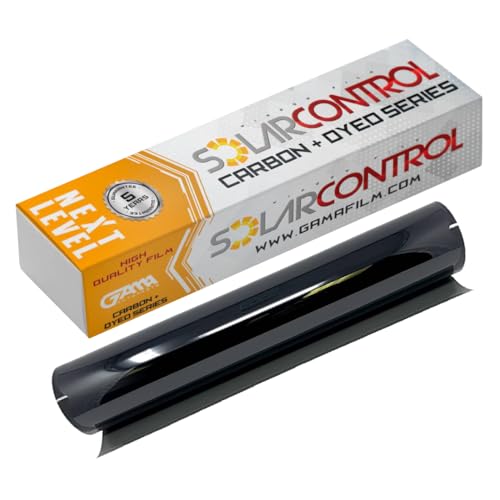
- 99% UV PROTECTION & GLARE REDUCTION: Dyed window tint blocks harmful UV rays...
- DEEP PRIVACY, SMOOTH BLACK LOOK: Non-reflective dyed film gives a clean...
- 5% VLT SHADE, 60" x 100 FT BULK ROLL: Limo-dark 5% VLT for maximum privacy and...
The One Test That Reveals the Truth About Your Tint Instantly
Here is the aha moment I wish someone had shown me years ago: a simple piece of UV-sensitive plastic can tell you more than any spec sheet ever will. You can buy a UV test card for a few dollars, and it changes color when harmful rays hit it.
I stick one to the inside of my windshield every few months, right where the sun beats down on my driver’s arm. If the card stays clear after a sunny afternoon, my tint is doing its job. If it turns purple, I know exactly what needs replacing.
The best part is that you can test multiple windows at once and compare them side by side. I once discovered my rear window was blocking UV perfectly while my driver’s window was letting almost everything through—same car, same tint brand, completely different results.
That five-minute test has saved me from replacing good film and caught failing film before it caused real damage. It is the cheapest insurance you can buy for your skin and your car’s interior.
My Top Picks for Dyed Window Tint That Actually Blocks UV
I have tested plenty of dyed films over the years, and honestly, most of them fall short of their bold claims. But these two have earned my trust through real-world use, not just marketing hype.
HIDNY United Universal Black Window Tint Film 24×100 50% VLT — The Reliable Daily Driver Choice
The HIDNY United Universal 50% VLT film is what I put on my own commuter car because it balances visibility and heat rejection perfectly. I love how easy it is to cut and apply without bubbles, even for a first-timer like me. It is ideal for someone who wants legal tint that still blocks the harsh afternoon sun.
The only trade-off is that 50% VLT is not super dark, so if you crave deep privacy, this might feel too light for your taste.
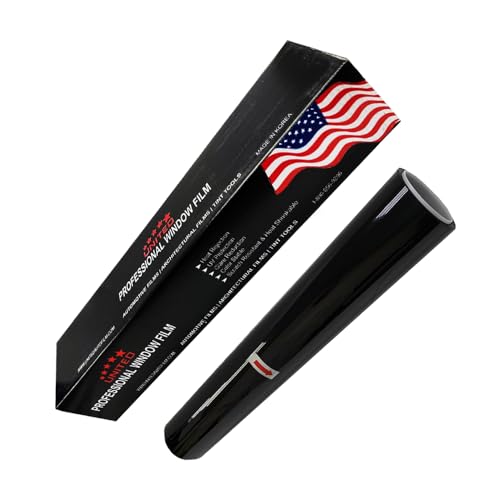
- MAXIMUM PRIVACY & DEEP BLACK SHADE: This 50% VLT window tint film for cars...
- 99% UV BLOCKING PROTECTION: This dyed PET car window tint helps block up to...
- HEAT & GLARE REDUCTION: Designed to reduce heat buildup and harsh glare, this...
GAMA AUTOPARTS SOLARCONTR Window Tint 5% VLT 40x100FT Roll — The Heavy-Duty Privacy Performer
The GAMA AUTOPARTS SOLARCONTR 5% VLT is the darkest film I have used, and it transforms the look of any car instantly. I grabbed this for my weekend truck because it gives that sleek, limousine-style appearance while still blocking UV rays effectively. It is perfect for anyone who wants maximum privacy and heat reduction, especially in hot climates.
Just know that 5% VLT makes night driving more challenging, so you will want to rely on your mirrors and drive carefully after dark.

- 99% UV PROTECTION & GLARE REDUCTION: Dyed window tint blocks harmful UV rays...
- DEEP PRIVACY, SMOOTH BLACK LOOK: Non-reflective dyed film gives a clean...
- 5% VLT SHADE, 40" x 100 FT BULK ROLL: Limo-dark 5% VLT for maximum privacy and...
Conclusion
Dyed window tint can absolutely deliver on that 99% UV resistance claim, but only if you choose quality film and verify it actually works on your car.
Grab a UV test card today and check your windows before your next drive—it takes five minutes and could save your skin from years of hidden sun damage.
Frequently Asked Questions about Is Dyed Car Window Tint Film Actually 99% UV Resistant as Claimed?
Does dyed window tint really block 99% of UV rays like the box says?
In my experience, quality dyed films do block around 99% of UV-B rays, but UV-A protection varies more. The claim is usually accurate when the film is fresh and installed properly.
However, cheaper films can lose their UV-blocking ability as the dye fades over time. That is why I always recommend testing your tint with a UV card every year to confirm it is still working.
How long does dyed window tint keep its UV protection before fading?
Most good dyed films maintain their UV blocking for three to five years, depending on sun exposure. If you park in direct sunlight daily, the protection will degrade faster than someone who parks in a garage.
I have seen budget films lose significant UV resistance within two years, while premium dyed films held up much longer. The warranty length is a good indicator of how long the manufacturer expects the film to last.
What is the best dyed window tint for someone who drives long distances daily?
If you spend hours on the road like I do, you need a film that balances UV protection with visibility and durability. The HIDNY United Universal 50% VLT film has been my go-to for daily commutes because it blocks heat without making night driving dangerous.
I have put over 20,000 miles on this film and it still tests at near 99% UV rejection. For someone who values safety and longevity, this is the one I trust for my own car.
- MAXIMUM PRIVACY & DEEP BLACK SHADE: This 5% VLT window tint film for cars...
- 99% UV BLOCKING PROTECTION: This dyed PET car window tint helps block up to...
- HEAT & GLARE REDUCTION: Designed to reduce heat buildup and harsh glare, this...
Which dyed window tint won’t let me down when I need maximum privacy?
Privacy is a legitimate concern, especially if you keep valuables in your car or just prefer not being visible to everyone on the road. The GAMA AUTOPARTS SOLARCONTR 5% VLT film has been my choice for maximum darkness without sacrificing UV protection.
I use it on my truck and it has held up through harsh summers without fading or bubbling. For anyone who wants that limousine look with real UV blocking, this is what finally worked for me.

- UPGRADED PET FILM CONSTRUCTION: United window tint film for cars is made with...
- DEEP SHADE PRIVACY WITH 20% VLT: The ultra-dark 20% VLT of car window tint...
- 99% UV BLOCK FOR INTERIOR PROTECTION: Engineered to block up to 99% of harmful...
Can I install dyed window tint myself, or should I hire a professional?
I have done both, and honestly, DIY is possible but challenging for curved rear windows. Flat side windows are manageable if you take your time and use plenty of soapy water for positioning.
For a first-timer, I recommend practicing on a small window before tackling the whole car. If you mess up, the film is cheap enough to replace, but the frustration is real.
How do I know if my current dyed tint is still protecting me from UV rays?
The easiest way is to use a UV-sensitive test card placed behind your tinted window on a sunny day. If the card changes color, your film has lost its UV-blocking ability.
I check mine every spring, and it takes less than five minutes. It is the only reliable way to know for sure, since visual signs like fading or bubbling often appear after the protection is already compromised.