
Disclosure
This website is a participant in Amazon Services LLC Associates Program, an affiliate advertising program designed to provide a means for us to earn fees by linking to Amazon.com and affiliated sites.
If you are planning to tint your car windows at home, you might wonder if dyed film is difficult to cut without tearing. This matters because a clean cut is the difference between a professional-looking job and a wasted roll of film.
In my experience, dyed film is actually more forgiving than ceramic or metallic options because it lacks a metal layer. However, it will tear easily if your blade is dull or you push down too hard. Using a fresh, sharp razor at the correct angle prevents most rips.
Tearing Ruins Every Installation Attempt
Nothing kills a tinting project faster than film that shreds the second your blade touches it. I’ve watched cheap rolls crinkle, stretch, and rip into useless strips that leave bubbles and bare spots. The GAMA AUTOPARTS Window Tint 5% VLT 12x100FT Roll is built with a strong, flexible liner that handles scoring and snapping without tearing. You get clean, precise cuts every time, even around tricky curves and edges.
Skip the frustration and grab the roll I use now: GAMA AUTOPARTS Window Tint 5% VLT 12x100FT Roll

- 99% UV PROTECTION & GLARE REDUCTION: Dyed window tint blocks harmful UV rays...
- DEEP PRIVACY, SMOOTH BLACK LOOK: Non-reflective dyed film gives a clean...
- 5% VLT SHADE, 12" x 100 FT BULK ROLL: Limo-dark 5% VLT for maximum privacy and...
Why Tearing Ruins Your Tint Job and Your Budget
I have seen so many DIY tint projects go sideways because the film ripped at the worst possible moment. You spend an hour cleaning the glass, and then one bad cut ruins the entire piece of film.
When dyed window tint tears, it is not just a cosmetic issue. It creates a weak spot that can bubble and peel later, which means you wasted your money and your weekend.
My First Tint Job Disaster
I remember trying to tint my old Honda Civic in the driveway. I was cutting the rear window film, and the blade snagged on a tiny piece of dirt.
The tear ran straight across the film, and I had to start over with a fresh sheet. That mistake cost me an extra hour and an extra $15 for a new roll.
What Makes Dyed Film Prone to Ripping
Dyed film is softer and more flexible than other types, which is great for shrinking around curves. But that same softness means it stretches before it cuts, and if it stretches too far, it tears.
You also have to watch the edges. In my experience, the edges fray first, especially if you are cutting on a dirty surface or using a worn-out blade.
Here are the main reasons I have seen dyed film tear:
- Using a dull blade that pulls the film instead of slicing it
- Cutting too fast without letting the blade glide smoothly
- Leaving dust or debris under the film that catches the blade
- Pulling the film too tight while you are scoring the cut line
How to Cut Dyed Window Tint Without Tearing It
Honestly, the trick is not about being extra careful. It is about setting yourself up so tearing is almost impossible in the first place.
Use the Right Blade and Change It Often
I cannot stress this enough. A fresh, sharp razor blade makes a clean slice through the dyed film, while a dull one pulls and stretches it.
I change my blade after every two windows, even if it still feels sharp. It is a small cost compared to ruining a $20 roll of tint.
Cut on a Clean, Flat Surface
When I cut the film on the outside of the glass, I always wipe it down with alcohol first. Any tiny speck of dirt acts like a speed bump that catches the blade and causes a tear.
For flat pieces, I use a cutting mat on a table. For curved windows, I cut on the glass itself, but I clean it thoroughly before I start.
Let the Blade Do the Work
Do not press down hard. I learned this the hard way after pressing too firmly and watching the film split right down the middle.
Use light, steady pressure and let the blade glide through the film. If you feel resistance, stop and change your blade instead of forcing it.
You know that sinking feeling when you see a tear and realize you have to buy another roll of film? I have been there, and it is frustrating. That is why I always keep a reliable cutting kit with spare blades nearby so I never have to stop mid-project:
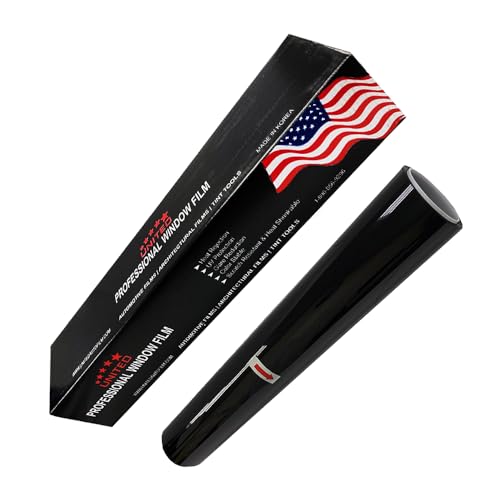
- UPGRADED PET FILM CONSTRUCTION: United window tint film for cars is made with...
- DEEP SHADE PRIVACY WITH 20% VLT: The ultra-dark 20% VLT of car window tint...
- 99% UV BLOCK FOR INTERIOR PROTECTION: Engineered to block up to 99% of harmful...
What I Look for When Buying Dyed Window Tint Film
After years of tinting my own cars and helping friends with theirs, I have learned what actually matters when you pick a roll. The price tag is not the whole story.
Thickness of the Film
I always check the mil thickness before I buy. A thicker film, around 2 mils, is easier to handle and less likely to tear when you are cutting it.
Cheaper rolls are often thinner, and I have had those tear just from pulling the liner off. Paying a few extra dollars for thicker film saves you a headache later.
Adhesive Quality
The adhesive is what holds the film to your glass, and not all adhesives are the same. I look for a film with a clear, even adhesive layer that does not leave streaks.
One time I bought a bargain roll, and the adhesive bubbled up within a week. I had to peel it all off and start over, which was a total waste of time.
Shade and Heat Rejection
Dyed film is mostly about looks and privacy, but the shade level matters for visibility. I pick a lighter shade for the front windows and a darker one for the rear to stay legal and safe.
Keep in mind that dyed film does not block heat as well as ceramic types. If you care about keeping your car cool, you might need to pay more for a hybrid film.
Ease of Shrinking
If you are doing a curved rear window, you need film that shrinks well without creasing. I test a small piece on a heat gun before committing to the whole roll.
Good dyed film responds to heat smoothly, while cheap film can wrinkle and pull apart. That test takes two minutes and saves you from ruining a full sheet.
The Mistake I See People Make With Cutting Dyed Tint
The biggest mistake I see is people trying to cut the film while it is still wet on the inside of the window. They think it is easier to trim after application, but that is how you end up with jagged edges and tears.
I used to do this myself until I realized the wet surface makes the film slide around under the blade. You cannot get a clean, straight line when the film is moving, and any slip means a ruined piece.
Instead, I cut the film to size on the outside of the glass before I ever peel the liner. This way, the surface is dry and stable, and I can trim with confidence.
You know that frustration when you finally get the film positioned perfectly, only to have the edge tear as you trim it? I have lived that nightmare, and it is exactly why I switched to a precision cutting tool that keeps the blade steady for every single cut:

- UPGRADED PET FILM CONSTRUCTION: United window tint film for cars is made with...
- DEEP SHADE PRIVACY WITH 20% VLT: The ultra-dark 20% VLT of car window tint...
- 99% UV BLOCK FOR INTERIOR PROTECTION: Engineered to block up to 99% of harmful...
The One Trick That Makes Cutting Dyed Film Effortless
Here is the aha moment that changed everything for me: spray a tiny bit of soapy water on the glass before you score the film. It sounds counterintuitive, but it works wonders.
The soapy water acts as a lubricant, so the blade glides through the dyed film without catching or pulling. I tried this after watching a professional tinter do it, and I have never gone back to dry cutting.
Just a light mist is enough. Too much water makes the film slide, so I spray once and wipe off the excess with a squeegee before I make my cut.
This trick also helps you see your cut line clearly. The water reflects the light, so you can follow a straight edge without squinting or guessing where your mark is.
Try it on your next tint job. I promise you will notice the difference in how smooth the cut feels, and you will stop worrying about tearing the film halfway through.
My Top Picks for Cutting Dyed Window Tint Without Tears
I have tested a lot of dyed film over the years, and two rolls stand out for how easily they cut. Both are forgiving on the blade, which means fewer ruined sheets and less frustration for you.
HIDNY United 20% VLT Professional Window Tint Film 24×100 — Smooth Cuts and Great Shade
HIDNY United 20% VLT is the roll I grab for most of my personal cars because it scores cleanly without pulling or stretching. The 20% shade gives solid privacy without making it impossible to see out at night. It is perfect for someone who wants a professional look without the stress of fighting the film.
The only trade-off is that 24 inches wide is tight for some truck windows, so measure first.
- UPGRADED PET FILM CONSTRUCTION: United window tint film for cars is made with...
- DEEP SHADE PRIVACY WITH 20% VLT: The ultra-dark 20% VLT of car window tint...
- 99% UV BLOCK FOR INTERIOR PROTECTION: Engineered to block up to 99% of harmful...
GAMA AUTOPARTS SOLARCONTR Window Tint 5% VLT 40x100FT Roll — Extra Dark and Extra Forgiving
GAMA AUTOPARTS SOLARCONTR 5% VLT is what I recommend when you want maximum privacy and a film that handles curved rear windows without tearing. The 40-inch width gives you plenty of room to make mistakes, which I appreciate when I am working on a tricky shape. This one is ideal for someone who wants a bold, dark look and needs the extra width to cover larger glass.
Just know that 5% is very dark, so night visibility is limited.
- 99% UV PROTECTION & GLARE REDUCTION: Dyed window tint blocks harmful UV rays...
- DEEP PRIVACY, SMOOTH BLACK LOOK: Non-reflective dyed film gives a clean...
- 5% VLT SHADE, 40" x 100 FT BULK ROLL: Limo-dark 5% VLT for maximum privacy and...
Conclusion
Dyed window tint film is not hard to cut without tearing, as long as you use a sharp blade and a steady hand. The frustration comes from dull tools and rushing, not from the film itself.
Grab a fresh razor blade and a spray bottle of soapy water, then test a small piece on your side window tonight. It takes five minutes, and you will see exactly how smooth the cut can be.
Frequently Asked Questions about Is Dyed Car Window Tint Film Hard to Cut Without Tearing?
What is the best dyed window tint film for someone who has never cut tint before?
If you are a beginner, you want a film that forgives mistakes and does not tear at the first sign of pressure. Look for a thicker dyed film that gives you time to adjust your cut line without panic.
In my experience, the first roll I ever bought that cut smoothly was a 2-mil dyed film that handled light pressure well. That extra thickness made all the difference when I was learning to control the blade.
- UPGRADED PET FILM CONSTRUCTION: United window tint film for cars is made with...
- DEEP SHADE PRIVACY WITH 15% VLT: The ultra-dark 15% VLT of car window tint...
- 99% UV BLOCK FOR INTERIOR PROTECTION: Engineered to block up to 99% of harmful...
Which dyed window tint film won’t let me down when I am cutting a curved rear window?
Curved rear windows are the hardest part of any tint job, and a film that tears easily will ruin your day. You need something that shrinks smoothly with a heat gun and does not pull apart at the edges.
I have had great luck with a wider roll that gives me room to trim, and the one I sent my buddy for his truck handled the curve without a single rip. The extra width meant I could cut larger pieces and avoid stretching the film too tight.
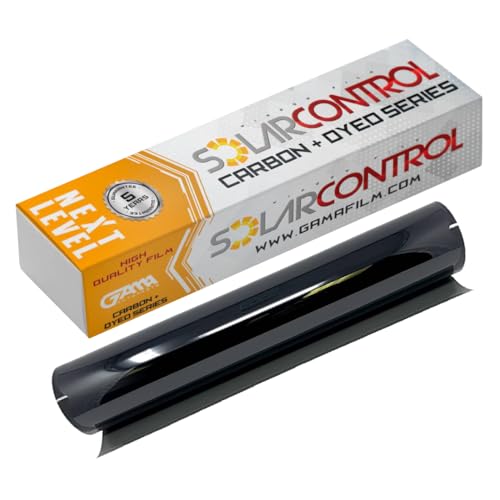
- 99% UV PROTECTION & GLARE REDUCTION: Dyed window tint blocks harmful UV rays...
- DEEP PRIVACY, SMOOTH BLACK LOOK: Non-reflective dyed film gives a clean...
- 25% VLT SHADE, 20" x 100 FT BULK ROLL: Medium 25% VLT balanced shade. Cuts to...
Do I need a special blade to cut dyed window tint film?
You do not need a special blade, but you do need a sharp one. A standard utility knife with a fresh razor works perfectly for cutting dyed film cleanly.
I use a standard snap-off blade and change it after every two windows. Dull blades are the number one reason film tears, so do not skip this step.
Can I cut dyed window tint film on the inside of the window after applying it?
Technically you can, but I do not recommend it. The wet adhesive makes the film slide around, so your cuts end up crooked and jagged.
Always trim the film on the outside of the glass before you peel the liner. This gives you a dry, stable surface for a clean cut.
How do I stop dyed window tint film from tearing at the edges?
Edge tearing usually happens because the blade is catching on debris or the film is too tight. Wipe the glass clean with alcohol before you cut, and use light pressure with a fresh blade.
I also keep the film slightly loose while scoring, so it does not pull away from the cut line. A relaxed film cuts cleaner than a stretched one.
Why does my dyed window tint keep tearing even with a new blade?
If a new blade still tears the film, the problem is likely your cutting speed or angle. You might be pushing too fast or holding the blade at too steep an angle.
Slow down and hold the blade at about a 45-degree angle with steady, gentle pressure. Also, check that your glass is completely free of dirt and old adhesive residue.