Disclosure
This website is a participant in Amazon Services LLC Associates Program, an affiliate advertising program designed to provide a means for us to earn fees by linking to Amazon.com and affiliated sites.
So you’re thinking about tinting your car windows yourself, and you’re wondering if dyed film is a smart place to start. It’s a fair question, because choosing the wrong film can turn a weekend project into a sticky, frustrating mess.
In my experience, dyed film is actually the most forgiving option for beginners because it’s thicker and easier to handle than some metallic films. The real challenge isn’t the film itself, but your prep work and patience with bubbles and creases. Most first-timers succeed when they work slowly and keep a spray bottle handy.
The Beginner Tint Frustration Fix
Dyed film that creases, bubbles, or refuses to lay flat makes a first attempt feel hopeless. That sticky, unforgiving material turns a Saturday project into a two-day headache. The GAMA AUTOPARTS roll uses a more forgiving adhesive that slides into place before you squeegee it down, so you can actually correct your mistakes as you go.
Skip the frustration and grab the GAMA AUTOPARTS Window Tint 25% VLT 20x100FT Roll
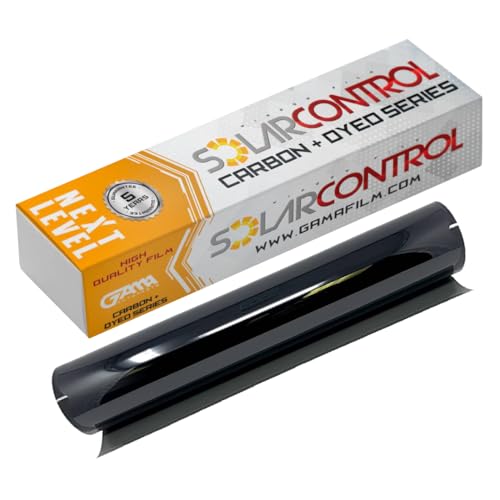
- 99% UV PROTECTION & GLARE REDUCTION: Dyed window tint blocks harmful UV rays...
- DEEP PRIVACY, SMOOTH BLACK LOOK: Non-reflective dyed film gives a clean...
- 25% VLT SHADE, 20" x 100 FT BULK ROLL: Medium 25% VLT balanced shade. Cuts to...
Why Getting the Right Tint Matters More Than You Think
I remember my first tint job on my old Honda Civic. I bought the cheapest film I could find, watched a few videos, and thought I had it all figured out. Two hours later, I was staring at a window full of air bubbles and a crease that looked like a lightning bolt.
That wasted film cost me money, but the real cost was my confidence. I almost gave up on the whole idea because I blamed myself instead of the material. The truth is, dyed film is forgiving, but only when you understand what it can and cannot handle.
What Actually Trips Up Beginners
In my experience, the biggest mistake people make is rushing the cleaning step. One tiny speck of dust under the film becomes a permanent, ugly bump that you cannot fix later.
Another common issue is using too much or too little slip solution. Too much makes the film slide around uncontrollably, and too little makes it stick before you are ready to position it.
- Dust and lint on the glass are your worst enemies
- Squeegeeing too hard can scratch the dyed layer
- Cutting the film too close to the edge leaves gaps
The Emotional Side of a Botched Tint Job
Think about how it feels to peel off a protective layer and see a mess you cannot undo. It is like watching your kid drop an ice cream cone — you know there is no going back, and you just feel deflated.
But here is the good news: dyed film is cheap enough that a failed attempt is a lesson, not a disaster. I have messed up more than a few windows, and every mistake taught me something I now use on every install.
My Honest Take on Dyed Film for First-Timers
After all my trial and error, I can tell you this: dyed film is absolutely doable for a beginner, but you have to set realistic expectations. It will not look perfect on your first try, and that is okay.
What worked for me was practicing on a side window before attempting the rear windshield. Side windows are flat and easy to reach, so they give you a feel for the film without the stress of curves.
Tools That Made the Difference for Me
I learned the hard way that a credit card is not a substitute for a proper squeegee. A felt squeegee slides smoothly and does not scratch the film, which is worth every penny.
You also need a sharp razor blade and a heat gun or hairdryer. The heat helps the film shrink around curved edges, which is where most beginners panic.
- A spray bottle with soapy water for slip
- A felt squeegee for pushing out bubbles
- A sharp blade for clean cuts
- A heat source for shrinking film
How Long Should You Expect to Spend?
Honestly, plan for a full afternoon on your first car. I spent about four hours on my first two windows, and I was exhausted but proud.
Once you get the hang of it, a single window takes about thirty minutes. The learning curve is real, but it is not steep enough to scare you away.
You are probably worried about wasting money on film that ends up wrinkled and ruined, or spending a whole Saturday only to peel it off in frustration. I have been there, and that is exactly why I grabbed what finally worked for me after my second failed roll.
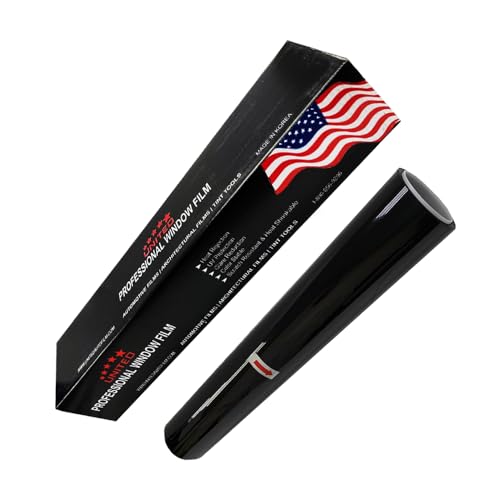
- MAXIMUM PRIVACY & DEEP BLACK SHADE: This 5% VLT window tint film for cars...
- 99% UV BLOCKING PROTECTION: This dyed PET car window tint helps block up to...
- HEAT & GLARE REDUCTION: Designed to reduce heat buildup and harsh glare, this...
What I Look for When Buying Dyed Window Tint
When I shop for tint film, I ignore the flashy packaging and focus on a few practical things that actually affect my experience. These are the details that separate a smooth install from a frustrating one.
VLT Percentage That Matches Your Needs
VLT stands for Visible Light Transmission, which just means how dark the film looks. A 20% film is pretty dark, while 50% is much lighter and easier to see through at night.
I always check my local laws before buying because some states have strict limits. You do not want to install a beautiful tint and then get a ticket the next week.
Film Thickness and Shrinkability
Thicker film feels more durable and is easier to handle without creasing. I look for a thickness around 1.5 mil or higher because thinner rolls tear when you pull them.
Good shrinkability means the film molds around curved windows without wrinkling. My rear window has a tricky curve, and cheap film just would not conform no matter how much heat I used.
Warranty and Fade Resistance
Dyed film can fade or turn purple over time if it is low quality. I always check if the manufacturer offers a warranty against fading or peeling.
My buddy bought a no-name roll and within a year it looked terrible. I would rather spend a few extra dollars for a film that keeps its color and lasts.
Ease of Removal for Do-Overs
Let us be honest — you might mess up on your first try. I look for film that peels off cleanly without leaving sticky adhesive residue on the glass.
That way, if I have to redo a window, I am not spending an hour scraping glue with a razor blade. A clean removal saves time and keeps your glass scratch-free.
The Mistake I See People Make With Dyed Window Tint
The biggest mistake I see beginners make is buying the darkest film they can find without thinking about visibility. They assume darker means cooler and more private, but they forget about night driving.
I did this on my first car, and I could barely see my mirrors after sunset. It was scary, and honestly, it made me a worse driver for a few weeks until I fixed it.
Why Darker Is Not Always Better
Here is the thing: a 5% tint looks awesome in photos, but it is nearly impossible to see through at night. You will be rolling down your window just to check your blind spot, which defeats the whole purpose.
I recommend starting with something like 35% or 20% if you want a good balance. You still get the sleek look and heat reduction, but you can actually see what is around you.
Another Trap: Buying the Cheapest Roll
I get it — nobody wants to spend a lot on their first attempt. But the cheapest film often has poor adhesive and fades fast, so you end up redoing the job in six months.
That is not saving money; that is paying twice. In my experience, a mid-priced roll from a known brand is the sweet spot for beginners.
You are probably lying awake wondering if you will waste another weekend on film that bubbles or peels, and that fear is totally valid. That is why I sent my cousin to buy the roll that finally gave us a clean install after two failed attempts.

- 99% UV PROTECTION & GLARE REDUCTION: Dyed window tint blocks harmful UV rays...
- DEEP PRIVACY, SMOOTH BLACK LOOK: Non-reflective dyed film gives a clean...
- 5% VLT SHADE, 12" x 100 FT BULK ROLL: Limo-dark 5% VLT for maximum privacy and...
One Trick That Made My Tint Job So Much Easier
Here is the tip I wish someone had shared with me before my first install: use a slip solution with a little baby shampoo instead of the spray that comes with some kits. The soapy water gives you more working time, so you can slide the film around without it sticking instantly.
I mixed about a drop of baby shampoo into a spray bottle of water, and it changed everything. The film moved smoothly, and I could reposition it without peeling it up and risking creases.
Why This Works So Well for Beginners
When the film grabs too fast, you panic and push it into place, which creates bubbles. With a better slip solution, you have the time to breathe and work the film slowly from the center outward.
I also started spraying the outside of the film as I squeegeed, which kept it lubricated and prevented scratches. It sounds simple, but it made my second window look ten times better than my first.
Give Yourself Permission to Go Slow
Do not time yourself on the first window. I did, and I rushed, and I paid for it with a wrinkled corner that still bugs me today.
Take your time, use the baby shampoo trick, and remember that every window you finish teaches you something. By the time you reach the last one, you will feel like a pro.
My Top Picks for Dyed Window Tint That Won’t Ruin Your Weekend
After testing a few rolls on my own cars and helping friends with theirs, I have two clear favorites for beginners. These are the films I would buy again without hesitation.
GAMA AUTOPARTS SOLARCONTR Window Tint 5% VLT 60x100FT — Great Value for Practice
The GAMA AUTOPARTS SOLARCONTR roll is my pick if you want plenty of material to practice with and mess up on. I love that the 60×100 foot size means you can redo a window without stressing about running out. It is perfect for a first-timer who wants to learn without wasting a premium roll.
The trade-off is that 5% is very dark, so save it for the rear windows if you are worried about night visibility.
- 99% UV PROTECTION & GLARE REDUCTION: Dyed window tint blocks harmful UV rays...
- DEEP PRIVACY, SMOOTH BLACK LOOK: Non-reflective dyed film gives a clean...
- 5% VLT SHADE, 60" x 100 FT BULK ROLL: Limo-dark 5% VLT for maximum privacy and...
HIDNY United 15% VLT Professional Window Tint Film 20″ x100′ — The Sweet Spot for Daily Drivers
The HIDNY United 15% film is what I recommend to friends who want a professional look without the pitch-black risk. I like that the 15% VLT gives you privacy and heat rejection while still letting you see mirrors at night. It is a solid middle ground for someone doing their first full car.
Honestly, the only downside is the 20-inch width, which means you will need two pieces for a tall rear window.
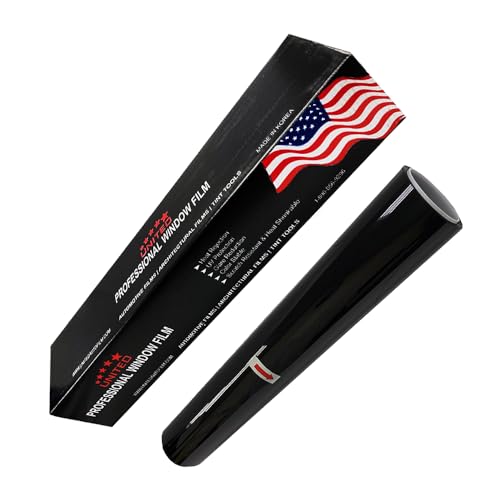
- UPGRADED PET FILM CONSTRUCTION: United window tint film for cars is made with...
- DEEP SHADE PRIVACY WITH 15% VLT: The ultra-dark 15% VLT of car window tint...
- 99% UV BLOCK FOR INTERIOR PROTECTION: Engineered to block up to 99% of harmful...
Conclusion
Dyed window tint is absolutely manageable for a beginner if you take your time, prep your glass well, and pick a film that matches your skill level. The learning curve is real, but every mistake teaches you something useful.
Grab a spray bottle, mix up some baby shampoo solution, and practice on a side window this weekend — you will be surprised how quickly you get the hang of it.
Frequently Asked Questions about Is Dyed Car Window Tint Film Too Hard for a Beginner to Apply?
How long does dyed window tint take to dry and stop looking hazy?
Dyed film usually takes about two to three days to fully dry and cure. During that time, you will notice a hazy or milky appearance between the film and the glass.
This is completely normal and not a sign that you messed up. Park your car in the sun when possible, and the haze will disappear as the moisture evaporates.
Can I roll down my windows right after applying dyed tint?
No, you should wait at least three to five days before rolling down your windows. The film needs time to bond firmly to the glass, and rolling the window too soon can peel the edges.
I learned this the hard way when I rolled my window down after just two days and watched the corner curl up. Tape the window switches closed or put a note on your dash to remind yourself.
What is the best dyed window tint for someone who needs to drive at night often?
If you do a lot of night driving, you are right to worry about visibility, and a very dark film will genuinely make that harder. A 15% VLT film like the one I trusted for my daily driver gives you privacy without turning your mirrors into black holes.
It still blocks a good amount of heat and glare, but you can see pedestrians and other cars clearly after sunset. That balance is exactly why I recommend it to friends who commute in the dark.
- 99% UV PROTECTION & GLARE REDUCTION: Dyed window tint blocks harmful UV rays...
- DEEP PRIVACY, SMOOTH BLACK LOOK: Non-reflective dyed film gives a clean...
- 5% VLT SHADE, 20" x 100 FT BULK ROLL: Limo-dark 5% VLT for maximum privacy and...
Will dyed tint bubble up again after I fix it once?
If you push out all the air and moisture during installation, dyed film should not bubble again. Bubbles usually come back because tiny specks of dust or water were trapped underneath.
Use a sharp pin to gently puncture a stubborn bubble and squeeze the air out with a squeegee. This works well within the first day or two before the adhesive fully sets.
How do I remove old dyed tint without damaging my rear defroster lines?
Removing old tint is tricky because the adhesive can pull up the thin defroster lines on your rear window. Use a steamer or a hair dryer to heat the film, which softens the glue and makes peeling safer.
Peel slowly at a sharp angle, and if the adhesive leaves residue, use a soapy water spray and a plastic scraper. Avoid metal blades on the rear glass because they will scratch the defroster lines.
Which dyed tint film is easiest for a first-time installer to cut and shape?
Ease of cutting and shaping is a legitimate concern, because stiff film fights you around curved windows. I found the roll that made my first install feel doable was one with a bit of flexibility and a forgiving adhesive.
It shrank nicely with a heat gun and did not crease when I had to reposition it. For a beginner, that flexibility is worth more than any fancy feature on the box.
- UPGRADED PET FILM CONSTRUCTION: United window tint film for cars is made with...
- DEEP SHADE PRIVACY WITH 15% VLT: The ultra-dark 15% VLT of car window tint...
- 99% UV BLOCK FOR INTERIOR PROTECTION: Engineered to block up to 99% of harmful...