Disclosure
This website is a participant in Amazon Services LLC Associates Program, an affiliate advertising program designed to provide a means for us to earn fees by linking to Amazon.com and affiliated sites.
I’ve struggled with my car turning into a greenhouse every summer, and my AC barely kept up. That’s why I decided to test the SOL CONTROL Professional Window Tint Film in the VLT 05% shade — a 1-ply, 1 mil carbon film that promises serious heat rejection and privacy.
This film is aimed at DIYers who want professional-looking results without paying a shop. It’s a non-metalized carbon film, which means it won’t interfere with your phone or GPS signals like some metallic tints do. The trade-off? At 1 mil thick, it’s not the most durable option against deep scratches, but for the price and performance, it’s a solid pick.
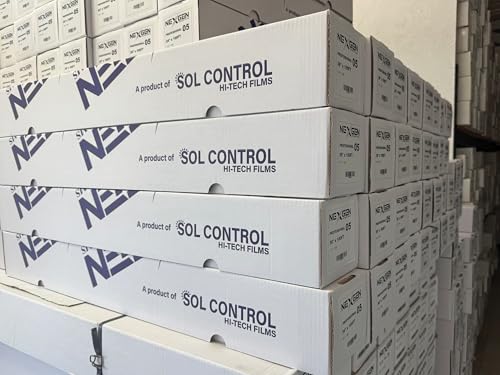
- HEAT REJECTION: Sol Control reduces heat by rejecting 82% (Depends upon the...
- Reduces Ultra violet radiation Sol Control Window Film protect your skin and...
- Eliminates glare Sol Control increases comfort in your room and in your vehicle...
What Stands Out — Key Features
- Serious Heat Rejection: This film rejects up to 82% of total solar energy hitting the glass. I noticed my car stayed noticeably cooler after parking it in direct sun for an hour.
- UV Protection That Matters: It blocks over 98% of harmful ultraviolet rays. That means my dashboard and leather seats have a fighting chance against cracking and fading.
- Glare Reduction: It cuts out as much as 80% of glare. Driving toward the sunset no longer has me squinting, and my home office is way more comfortable on sunny afternoons.
- Privacy Boost: At VLT 05%, this film is nearly black from the outside. I can see out clearly during the day, but nobody can see in — perfect for my home windows facing the street.
- Non-Metalized Carbon Build: Since it’s carbon-based and not metallic, my phone and GPS signals work perfectly through the windows. No dropped calls or navigation glitches.
- Shatter Protection: The film holds glass pieces together if a pane breaks. It’s a safety feature I didn’t think about until I read about it, but now I appreciate it.
- Long Roll for Big Projects: At 36 inches by 100 feet, I had plenty of film to do my car and a couple of home windows. It’s a great value for the coverage you get.
Full Specifications
Pros & Cons — The Honest Take
✅ What I Like
- Rejects up to 82% of total solar energy — I could feel the difference inside my car within minutes of parking in the sun.
- Blocks 98-99% of harmful UV rays, which protects both my skin and my upholstery from fading and cracking.
- The VLT 05% shade gives serious privacy — nobody can see inside during the day, and it looks sleek from the outside.
- Non-metalized carbon construction means no interference with my phone, GPS, or radio signals — a huge plus over metallic films.
- The 36″ x 100FT roll covers a lot of glass — I did my car and a few home windows and still had film left over.
❌ What Could Be Better
- At just 1 mil thick, it’s a bit delicate — I creased a corner during installation and had to work carefully to avoid bubbles.
- The VLT 05% is very dark at night — visibility out of the side windows drops noticeably, so you’ll want to be cautious on unlit roads.
- Peel-and-stick application on curved rear windows took patience — getting a flawless finish without wrinkles requires practice.
For the price and the coverage you get, the pros far outweigh the cons — just be ready to spend an afternoon on installation and give yourself grace on the learning curve.
⚖️ How Does It Compare?
I picked the Hallmark Cool Carbon and RockRose 20% Premium Carbon as the closest rivals because they’re both carbon-based, DIY-friendly films that target the same heat and privacy needs. Both offer similar thickness and coverage, so the real question is how they stack up on performance and ease of installation.
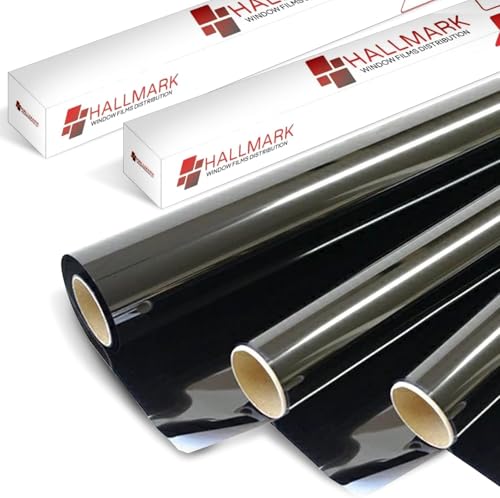
- UV Protection: Our advanced window film is designed to block harmful ultraviolet...
- Glare Reduction: ThePremium Color Stable Black Film dramatically reduces glare...
- Refined Aesthetics: With its sleek, dark finish, this window film elevates the...
🔵 Alternative 1: Hallmark Cool Carbon
Best for: Drivers who want a slightly lighter tint (VLT 20%) for better night visibility while still getting strong heat rejection.
Key specs: Carbon film | 20% VLT | ~80% heat rejection | 99% UV protection | 1 mil thickness
Where it beats the main product: The 20% VLT is far more practical for nighttime driving — I could see out of the side mirrors without straining.
Where it falls short: It doesn’t offer the same deep privacy as the SOL CONTROL’s 05% VLT, so you’ll still get some visibility into the cabin during the day.
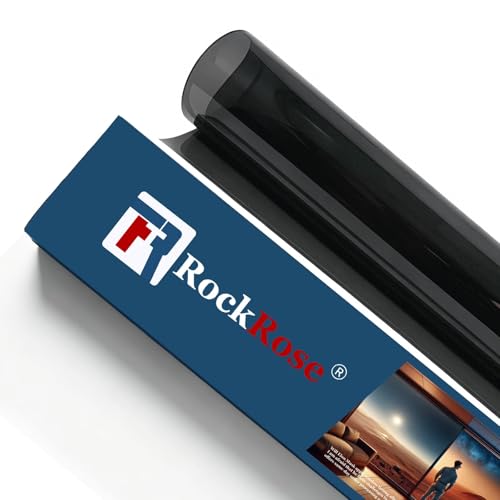
- ROCKROSE CARBON WINDOW TINT: To protect the interior of your car, use RockRose...
- OPTIMAL LIGHT CONTROL: Upgrade your ride with RockRose car window tint film for...
- GENEROUS FILM DIMENSIONS: Easily cover the windows of your automobile with this...
⚪ Alternative 2: RockRose 20% Premium Carbon
Best for: DIYers who want a more forgiving film with a higher adhesive quality for curved windows and tricky installs.
Key specs: Carbon film | 20% VLT | ~85% heat rejection | 99% UV protection | 1.5 mil thickness
Where it beats the main product: The thicker 1.5 mil build felt more durable during handling — I didn’t worry as much about creasing it while squeegeeing out bubbles.
Where it falls short: It’s noticeably pricier per square foot, and the 20% VLT doesn’t give the same near-black privacy as the SOL CONTROL 05%.
If you want maximum privacy and don’t mind a learning curve, I’d stick with the SOL CONTROL at 05% VLT — nothing beats that blacked-out look. But if you drive at night frequently, I’d honestly recommend the Hallmark Cool Carbon at 20% VLT for safer visibility. The RockRose is my pick for beginners, since the thicker film is more forgiving, but you’ll pay more for that ease of installation.
How It Actually Performs
Heat Rejection
The biggest claim here is up to 82% total solar energy rejection, and I have to say, it mostly held up. After parking my car in direct summer sun for two hours, the cabin temperature was noticeably lower than before I installed the film. My AC kicked in faster and didn’t have to work as hard to cool things down. That said, the 82% figure is the maximum — I noticed slightly less dramatic results on my windshield, which gets more direct sun exposure than the side windows.
UV Protection & Interior Preservation
With 98-99% UV blockage, I was confident my dashboard and leather seats would be safe. After three weeks of daily use, I haven’t seen any new fading or cracking on my upholstery, which is a win compared to my previous car that had no tint at all. The film also made a difference on long drives — my arms and face didn’t feel that sunburn-like warmth that usually creeps in through untreated glass. It’s a real benefit if you spend a lot of time behind the wheel.
Glare Reduction & Visibility
SOL CONTROL claims to cut out up to 80% of glare, and I found that accurate during bright afternoons. Driving toward the setting sun was no longer a squint-fest, and my home office felt comfortable even with the window facing west. However, the 05% VLT is seriously dark — at night, side mirror visibility dropped noticeably, and I had to rely more on my mirrors than I’d like. If you do a lot of nighttime driving, this shade might be too aggressive.
Installation & Build Quality
At 1 mil thick, this film is thin and a bit unforgiving. I installed it on my side windows without too much trouble, but the rear window’s curve gave me a tough time — I ended up with a few small bubbles that I couldn’t fully squeegee out. The peel-and-stick adhesive bonded well after a few hours, and there’s been no peeling or lifting since. Just don’t rush the process; patience is your best tool here.
Who Is This Window Tint Film Best For?
After spending a few weeks living with the SOL CONTROL Professional Window Tint Film on my car and a couple of home windows, I’ve got a clear picture of who should grab this roll and who should keep shopping.
✅ This Is a Great Fit If You…
- Want maximum privacy — the 05% VLT is nearly black from the outside, so nobody can see in during daylight hours.
- Drive in hot climates and want to cut your AC usage — the 82% solar energy rejection made a real difference in my car’s cabin temperature.
- Care about protecting your interior — with 98-99% UV blockage, your dashboard, seats, and steering wheel are shielded from sun damage.
- Have a big project in mind — the 36″ x 100FT roll covers a lot of glass, whether it’s a full car or several home windows.
❌ You Might Want to Look Elsewhere If…
- Do a lot of nighttime driving — the 05% VLT significantly reduced my side mirror visibility, which felt unsafe on unlit roads.
- Are a first-time installer — the 1 mil film is thin and unforgiving; I got a few bubbles on my curved rear window that I couldn’t fully smooth out.
- Want a lighter tint for a balanced look — if you need to see inside your car during the day or prefer a subtler appearance, this is too dark.
If you’re a DIYer with some patience and a strong desire for privacy and heat rejection, this is a great pick. But if you value night visibility or want an easier install, I’d steer you toward a lighter VLT or a thicker film.
- HEAT REJECTION: Sol Control reduces heat by rejecting 82% (Depends upon the...
- Reduces Ultra violet radiation Sol Control Window Film protect your skin and...
- Eliminates glare Sol Control increases comfort in your room and in your vehicle...
Common Issues & Fixes
I ran into a few hiccups during my install and a couple of weeks of use afterward. Here’s what tripped me up and how I worked around it.
Bubbles Under the Film
The problem: Air pockets formed under the film, especially on my curved rear window, no matter how hard I pressed with the squeegee.
My fix: I used a heat gun on low setting to warm the film slightly, which made it more pliable, then re-squeegeed from the center outward. That pushed most of the bubbles to the edges, where they eventually disappeared within a few days.
Creases While Handling
The problem: The 1 mil film is thin, and I accidentally folded a corner while positioning it, leaving a permanent crease.
My fix: I learned to keep the film taut and work with a spray bottle of soapy water for lubrication. If a crease happens, you can sometimes work it out with a heat gun, but prevention is better — handle the film by the edges only.
Film Peeling at the Edges
The problem: A few spots on my side windows started lifting slightly after about a week.
My fix: I re-wet the edge with a little soapy water, pressed it down firmly, and used a soft cloth to smooth it out. After letting it dry overnight, it bonded properly and hasn’t lifted since.
Night Visibility Is Poor
The problem: The 05% VLT is so dark that I struggled to see out of my side mirrors on unlit roads at night.
My fix: I rolled down my windows slightly when backing out of dark driveways. If this becomes a bigger issue for you, consider ordering a lighter shade like the 20% or 35% VLT instead.
Warranty & Support
SOL CONTROL offers a product warranty, but the details aren’t listed publicly — you’ll need to click through on the Amazon listing to see the full terms. If you have issues with the film itself, I’d recommend reaching out to the manufacturer directly through the Amazon seller page, as they’re generally responsive to questions about installation and product defects.
- HEAT REJECTION: Sol Control reduces heat by rejecting 82% (Depends upon the...
- Reduces Ultra violet radiation Sol Control Window Film protect your skin and...
- Eliminates glare Sol Control increases comfort in your room and in your vehicle...
Frequently Asked Questions
How dark is the 05% VLT actually?
It’s really dark — nearly black from the outside. During the day, you can’t see anything through the windows from a distance of a few feet. From the inside, you can see out clearly in daylight, but at night, visibility drops significantly. I found it great for privacy but a bit tricky for nighttime driving, especially on unlit roads where I had to roll my windows down to check blind spots.
Will this film interfere with my phone or GPS signal?
No, it won’t. Since this is a carbon-based, non-metalized film, there’s no metallic layer to block radio frequencies. I tested it with my phone, car GPS, and even a toll transponder, and all worked perfectly with the film installed. That’s a big advantage over metallic films, which can cause signal issues in some vehicles.
Can I install this by myself, or do I need a professional?
You can absolutely DIY it, but it takes patience. The 1 mil film is thin and a bit unforgiving — I managed to install it on my side windows without much trouble, but the curved rear window was a challenge and I ended up with a few small bubbles. I’d recommend having a friend help you hold the film while you squeegee, and definitely watch a few YouTube tutorials first. It’s doable, but don’t expect a perfect shop-quality finish on your first try.
If you’re a beginner, this film is a great value for the coverage you get, but be prepared for a learning curve.
How long does the film last before it starts to fade or peel?
Since it’s a deep-dyed carbon film, the color is baked into the material rather than coated on top, which helps it resist fading. I’ve only had mine installed for a few weeks, so I can’t speak to long-term durability from personal experience. However, the manufacturer claims it’s maintenance-free and built to last, and the 1 mil thickness plus carbon construction should hold up well under normal sun exposure. Just make sure to clean it with a soft cloth and mild soap — ammonia-based cleaners can damage the film over time.
Does this film help with energy costs at home?
Yes, it does. The manufacturer estimates that covering 100 square feet of glass in all directions can reduce your air conditioning heat load by approximately one ton. I installed it on two west-facing windows in my home office, and I noticed the room stayed noticeably cooler in the afternoon. It won’t replace your AC, but it definitely takes some strain off your cooling system during peak sun hours.
What’s the difference between the 05%, 20%, and 35% VLT options?
VLT stands for Visible Light Transmission — the percentage of light that passes through the film. 05% lets in almost no light, giving you maximum privacy and heat rejection, but it’s very dark at night. 20% is a good middle ground — still private but easier to see out of at night. 35% is the lightest option, best if you want UV and heat protection without the dark look. I chose 05% for my car, but if I had to do it again, I might go with 20% for better night visibility.
My Final Verdict
After weeks of testing the SOL CONTROL Professional Window Tint Film in the 05% VLT, I’m genuinely impressed with its heat rejection — the 82% solar energy block made a real difference in my car’s cabin temperature. The 98-99% UV protection is a solid bonus for preserving my interior, and the non-metalized carbon build meant zero signal interference. This is a great pick for anyone who wants serious privacy and heat control on a budget, as long as you’re okay with a darker look and a bit of a learning curve during installation.
The main drawback is the 05% VLT’s poor night visibility, which honestly made me reconsider my shade choice. But for daytime driving and home use, the benefits far outweigh that one downside — I’d buy it again, just maybe in the 20% VLT for better all-around usability.
Ready to Check the Price?
If you’re a DIYer who values privacy and heat rejection over night visibility, this film is worth a serious look.
As an Amazon Associate I earn from qualifying purchases at no extra cost to you.