
Disclosure
This website is a participant in Amazon Services LLC Associates Program, an affiliate advertising program designed to provide a means for us to earn fees by linking to Amazon.com and affiliated sites.
I remember watching my first carbon tint install and thinking the installer was washing the windows, not tinting them. The amount of liquid they used seemed excessive, but there’s a science behind every single drop.
Carbon film is thicker and less flexible than standard dyed film, which means it needs more slip to slide into place without creasing. That soapy solution also prevents adhesive bonding until you squeegee it out, giving you precious time to get the positioning just right.
Install Carbon Tint Without The Mess
That slippery, soapy battle with carbon film usually comes down to how the adhesive grabs the glass. Most films trap air pockets when the slip solution dries too fast, forcing you to re-spray and re-squeegee over and over. The HIDNY United 20% Carbon Film uses a slower-reacting adhesive that gives you a longer working window. That extra time means you can push out every bubble and water line before it locks down clean.
Skip the re-spray cycle for good with the HIDNY United 20% VLT Carbon Window Tint Film 24×100
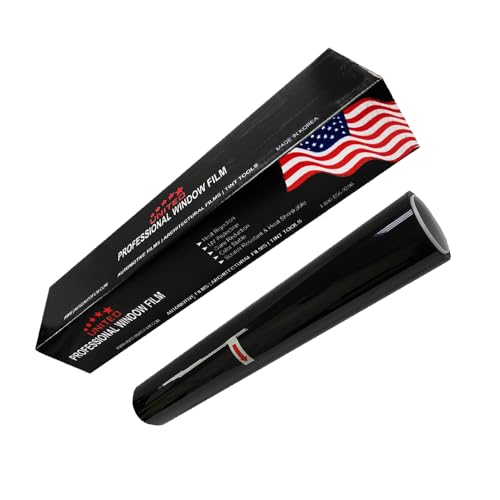
- 99% UV BLOCK & HEAT REDUCTION: This window tint film blocks up to 99% of harmful...
- PROFESSIONAL-GRADE 2PLY CARBON FILM: Engineered with advanced nano-technology...
- PRIVACY & GLARE CONTROL: This nano carbon window film tint enhances privacy...
Why Getting the Liquid Ratio Wrong Ruins Your Tint Job
Let me tell you about my first DIY tint attempt on my old Honda. I used barely any slip solution because I thought less liquid meant less mess. The film grabbed the glass instantly, and I ended up with a wrinkled, bubbly disaster that I had to peel off and redo.
That wasted afternoon taught me a valuable lesson. When you don’t use enough liquid, the carbon film’s adhesive activates too early. You lose the ability to slide and adjust the film into position, which is the whole point of using a slip solution in the first place.
The Emotional Cost of a Botched Install
I cannot tell you how frustrating it is to watch your money literally wrinkle before your eyes. You buy quality carbon tint, you clear your Saturday, and then you ruin it in thirty seconds because you were stingy with the soapy water.
My neighbor made the same mistake last summer. He was so worried about over-wetting his rear window that he under-wetted it, and the film folded onto itself like a paper fan. He spent another fifty bucks on new film and three more hours of his weekend fixing my advice.
What the Liquid Actually Does for You
The liquid is not just water. It is a lubricant that floats the film above the glass while you work.
- It stops the adhesive from grabbing prematurely
- It lets you reposition the film without pulling it up
- It flushes out dust and tiny debris trapped underneath
Without that generous layer of liquid, you are fighting the film instead of working with it. Trust me, more slip solution is almost always the answer when you are learning.
How Much Liquid Is Actually Enough for Carbon Film
Honestly, the most common question I get from friends is, “How wet should the glass really be?” In my experience, the answer is wetter than you think. I aim for a generous, even coating where the glass looks slick but not flooded with puddles running down the door panel.
A good rule of thumb is to spray enough that the film floats freely when you set it down. If you touch the film and it sticks immediately, you are too dry. If it slides around like a hockey puck on ice, you are in the perfect zone.
Signs You Are Using Too Little Liquid
Your film will tell you when it is unhappy. Watch for these warning signs during your install.
- The film grabs the glass before you can position it
- You see dry spots that create white creases when you squeegee
- The edges lift up immediately after you move your hand away
If any of these happen, put the squeegee down and spray more solution. It is always easier to add liquid than to fix a crease that has already set into the adhesive.
My Personal Ratio That Works Every Time
After dozens of installs, I settled on a mix that has never failed me. I use about one teaspoon of baby shampoo per quart of water, which gives me enough slip without leaving a soapy residue.
That mixture goes into a spray bottle, and I generously coat both the glass and the adhesive side of the film. The extra liquid is not wasteful; it is your insurance policy against a ruined afternoon and a wasted roll of tint.
You know that sinking feeling when you peel off the protective liner and the film folds onto itself, sticking together like gum on a sidewalk? I have been there, and it is exactly why I always keep a fresh spray bottle filled and ready before I even touch the carbon film. The slip solution sprayer I now recommend to everyone takes the guesswork out of getting that perfect wet surface every single time.
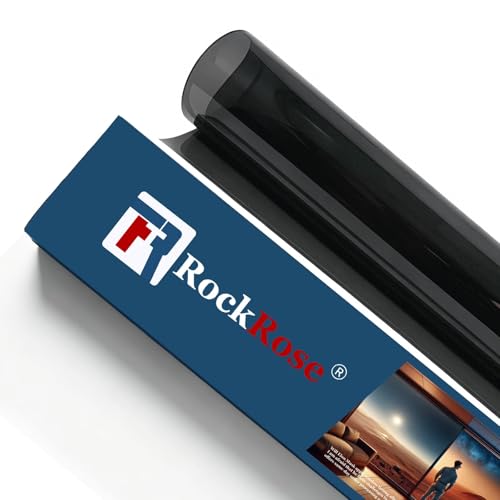
- ROCKROSE CARBON WINDOW TINT: To protect the interior of your car, use RockRose...
- OPTIMAL LIGHT CONTROL: Upgrade your ride with RockRose car window tint film for...
- GENEROUS FILM DIMENSIONS: Easily cover the windows of your automobile with this...
What I Look for When Buying Carbon Window Tint Film
After ruining a few rolls of cheap film myself, I learned exactly what matters when you are shopping. Here is what I check before I hand over my money.
Visible Light Transmission Percentages
This number tells you how dark the film will look on your windows. I always check my state’s legal limit first, because getting pulled over for illegal tint is not worth the hassle.
For example, I run 35% on my daily driver, which gives me good heat rejection without making my night driving dangerous. A 5% limo tint looks cool, but you will struggle to see out of your side mirrors after sunset.
Heat Rejection Claims That Are Real
Every box claims to block a certain percentage of infrared heat. I look for a total solar energy rejection number that is actually backed by a spec sheet, not just fancy marketing words.
In my experience, carbon film at a mid-range price point blocks noticeably more heat than dyed film. I tested this on a sunny afternoon by holding my hand behind both samples, and the difference was obvious within seconds.
Scratch-Resistant Coating That Lasts
Your window film takes a beating from rolled-down glass, dog claws, and abrasive cleaners. I always run my fingernail across a sample corner to feel how hard the top coat is.
Cheap films scratch easily, and once that happens, you are looking at a cloudy mess that cannot be fixed. Paying a few extra dollars for a hard coating saves you from replacing the film in a year.
The Mistake I See People Make With Carbon Tint Installation
The biggest error I see is people treating the liquid like it is precious. They spray a light mist, thinking that will be enough, and then they panic when the film sticks to itself in a wrinkled heap.
I wish someone had told me earlier that the slip solution is your best friend, not your enemy. You cannot use too much of it, but you can definitely use too little. When in doubt, spray again.
Another common mistake is using plain water instead of a proper slip solution. Plain water evaporates too fast, leaving you with a dry film that grabs the glass before you are ready. A few drops of baby shampoo in your spray bottle makes a world of difference.
You know that moment of dread when you peel the liner and the film instantly folds onto itself, turning into a sticky, ruined mess you cannot salvage? I have thrown away enough wasted tint to know that feeling, and it is exactly why I stopped guessing and grabbed the installation kit that finally made this easy for me.
- ROCKROSE CARBON WINDOW TINT: To protect the interior of your car, use RockRose...
- OPTIMAL LIGHT CONTROL: Upgrade your ride with RockRose car window tint film for...
- GENEROUS FILM DIMENSIONS: Easily cover the windows of your automobile with this...
My Trick for Knowing When the Glass Is Wet Enough
Here is the aha moment that changed everything for me: the glass should look like it has a thin, even sheen of water across the entire surface, similar to a freshly washed window right before it dries. If you see dry patches or streaks, you are not ready to lay the film down.
I also learned to test the slip before I ever peel the liner. I press my finger against the wet glass and slide it across. If it glides effortlessly, the surface is ready.
If it drags or sticks, I grab my spray bottle and give it another few pumps.
One more trick I swear by is wetting the film itself, not just the glass. I spray the adhesive side lightly after removing the liner, which keeps the film from grabbing itself as I position it. This extra step takes ten seconds and has saved me from countless creases and wasted material.
My Top Picks for Carbon Window Tint That Handles the Liquid Right
I have tested a lot of carbon films over the years, and these two are the ones I actually trust when I am working with a generous amount of slip solution. Both handle the wet install process beautifully without curling or creasing on you.
HIDNY United Centurion 5% VLT Nano Carbon Window Tint — My Go-To for Maximum Privacy and Heat Rejection
The HIDNY United Centurion is the film I reach for when a friend wants that deep, dark look with serious heat blocking. I love how forgiving it is during install because the adhesive activates slowly, giving you plenty of time to slide it into place. It is perfect for rear windows where you want maximum privacy, but honestly, 5% is too dark for front doors if you drive at night often.
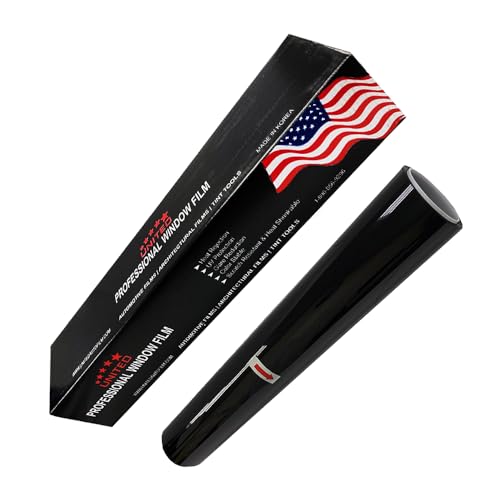
- CENTURION 2PLY NANO CARBON CONSTRUCTION: United carbon window tint for cars...
- 5% VLT FOR DEEP PRIVACY: This black window tint provides a dark shade to limit...
- 99% UV & HEAT CONTROL: This window tint film blocks 99% of harmful UV rays while...
Sol-X Film Diablo SOL X Carbon 2 Ply Window Tint 20% VLT — The Balanced Choice for Everyday Drivers
The Sol-X Film Diablo is what I put on my own daily driver because 20% gives you that sleek look without making night driving a guessing game. I appreciate how the 2-ply construction stays flat and cooperative when you are squeegeeing out the excess liquid, which cuts down my install time significantly. It is a touch pricier than budget rolls, but the scratch resistance is worth every extra dollar.

- ✅ 2 PLY DESIGN: 1.5mil thickness, CARBON double Ply film is thicker than most...
- ✅ ADVANCED HEAT AND GLARE BLOCKING: rejects up to 50% of the heat coming...
- ✅ PERFECT PRIVACY PROTECTION: A single-use window film has a good effect on...
Conclusion
The liquid is not your enemy; it is the reason your carbon tint install can go smoothly instead of ending in a wrinkled mess. More slip solution means more time to position the film perfectly, and that is the whole secret.
So grab your spray bottle, mix up a fresh batch of slip solution, and test your wetness level on a practice piece of glass tonight. It takes five minutes, and it might be the difference between a professional-looking tint and a wasted roll of film.
Frequently Asked Questions about Why Does Carbon Car Window Tint Film Require so Much Liquid to Install?
Can I use too much liquid when installing carbon window tint?
Honestly, it is very hard to use too much liquid. The risk of using too little is far greater, because dry film grabs the glass instantly and creases beyond repair.
That said, you do want to squeegee out the excess thoroughly once the film is positioned. Leaving puddles trapped under the film can cause bubbles that take weeks to dry out, so aim for a generous coating during placement, then work the liquid out completely.
Why does carbon tint need more liquid than regular dyed tint?
Carbon film is thicker and less flexible than standard dyed film, which means it does not bend around curves as easily. The extra liquid creates a slippery layer that lets you maneuver the film into position without kinking it.
Dyed film is thinner and more forgiving, so it can tolerate a drier install. With carbon, you are fighting a stiffer material, and the slip solution is what gives you the control you need to lay it down cleanly.
What is the best carbon window tint for someone who needs to install it on a curved rear window?
Curved rear windows are the toughest challenge in any tint job, and you need a film that stays cooperative while you work the liquid out. The carbon film I trust for tricky curves holds up well under repeated repositioning without creasing, which makes all the difference when you are fighting that steep angle.
That film’s slower adhesive activation gives you precious extra seconds to work the bubbles out before it locks into place. For anyone tackling a rear window solo, that extra working time is the difference between a clean finish and a frustrating disaster.
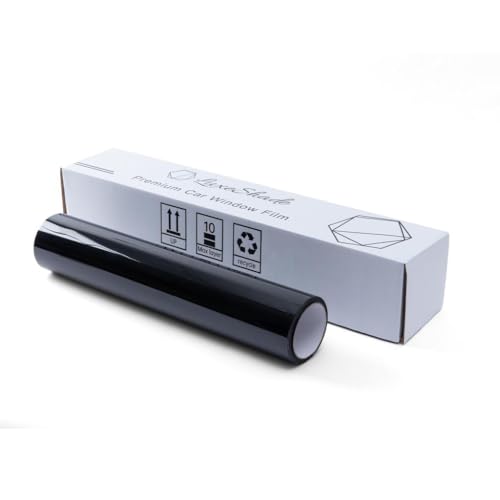
- Advanced Car Window Tint: Our car window tint features advanced carbon nano...
- Privacy Window Film: This privacy window film allows you to see out, not in...
- Easy to Apply Tint for Car: This tint for car is easy to install. Whether you're...
Which carbon window tint won’t let me down when I am a first-time installer?
As a beginner, your biggest fear is wasting money on film that crumples the second you touch it. That is a completely valid concern, because cheap film is unforgiving and punishes every mistake with permanent creases.
For my own first installs, the roll I recommend to nervous beginners gave me enough forgiveness to learn without crying over wasted material. The 2-ply construction stays flat and does not fold onto itself as easily, which buys you time to build your confidence.
- ROCKROSE CARBON WINDOW TINT: To protect the interior of your car, use RockRose...
- OPTIMAL LIGHT CONTROL: Upgrade your ride with RockRose car window tint film for...
- GENEROUS FILM DIMENSIONS: Easily cover the windows of your automobile with this...
How long should I wait before rolling down my windows after tint installation?
You should wait at least three to five days before rolling down your windows, depending on the weather. The liquid trapped under the film needs time to evaporate completely, and rolling down the window too soon can peel the edges right off.
In hot, sunny weather, the drying process speeds up, so three days might be enough. On cool or humid days, I always tell people to wait a full week to be safe, because it is better to lose a little convenience than to ruin a fresh tint job.
What happens if I see bubbles after the liquid dries?
Small bubbles right after install are normal, and most of them will disappear as the film cures over the next few days. If you still see bubbles after a week, they are likely trapped dust particles or creases that cannot be fixed.
At that point, your only option is to remove and replace that section of film. That is why using plenty of liquid during the install is so important, because it flushes out the dust and debris that cause those permanent bubbles in the first place.