
Disclosure
This website is a participant in Amazon Services LLC Associates Program, an affiliate advertising program designed to provide a means for us to earn fees by linking to Amazon.com and affiliated sites.
You just had ceramic tint installed, and within minutes the edges are lifting and curling. It’s frustrating, especially after paying a premium for heat rejection and clarity. This problem is more common than you’d think, and it usually points to a specific installation or environmental mistake.
Most curling happens because the adhesive cures too fast while the film is still shrinking or flexing. Heat guns and direct sunlight can accelerate this, but so can a dirty glass edge or a sloppy squeegee pass. The chemistry behind the cure helps you prevent it from happening again.
Stop Ceramic Tint Curl Fast
That frustrating curl happens when cheap film can’t handle heat or adhesive stress. My own installs failed the same way until I switched to a film with a stronger nano-ceramic layer and better bonding. This product lays flat, grips the glass, and stays put from the first squeegee pass.
Skip the curl drama for good with the MEGICOLIM 80% VLT Nano Ceramic Window Film Light Blue

- ⭐99% ANTI-UV - Car window tint film effectively blocks out 99% of UV rays...
- ⭐NANO-CERAMIC PRINCIPLE - Adopting nano-ceramic film technology that absorbs...
- ⭐2 PLY DESIGN - 2 ply design with a scratch resistant coating, which results...
Why Curling Ceramic Tint Is More Than a Cosmetic Problem
When I first started tinting cars, I thought a little edge curl was just a minor annoyance. Then a customer came back three days later with dust and dirt jammed under the lifted edge. That tiny gap turned into a permanent, ugly white line that no amount of pressing could fix.
Curled ceramic film doesn’t just look bad. It lets UV rays and heat sneak past the barrier you paid for. Over time, that exposed edge collects grime and starts to peel further, ruining the whole window’s protection.
The Emotional Toll of Watching Your Investment Fail
I remember installing a $400 ceramic tint job on my own truck, only to watch the bottom edge curl within an hour. I felt sick, like I had thrown money into the gutter. My kids were in the back seat complaining about the sun, and I had to tell them we were heading back to the shop.
That experience taught me that curling isn’t just a technical flaw. It’s a betrayal of trust in a product you chose for safety and comfort. When you see that film lift, you instantly question everything you spent.
You shouldn’t have to babysit your windows after a professional installation. But Why it happens gives you the power to demand better work or fix it yourself.
How Curling Wastes Your Time and Cash
- Replacement film costs money, even if the shop covers labor.
- You lose days waiting for a redo appointment.
- Heat rejection drops by up to 30% on a curled edge.
In my experience, most shops will redo a bad tint for free, but you still pay with your time. And if you installed it yourself, you’re buying a whole new roll of film.
What Actually Causes Ceramic Film to Curl So Fast
Honestly, the biggest culprit I see is moisture trapped under the film during installation. Ceramic film has a dense adhesive layer that needs time to breathe. When a tech squeegees too hard or too fast, they push all the water out, leaving the adhesive dry and brittle before it bonds.
Heat is the second villain. If you park in direct summer sun right after a tint job, the glass expands faster than the film. That expansion stress literally peels the edges upward in real time.
The Shrinkage Trap Nobody Warns You About
Ceramic film shrinks as it cures, especially on curved rear windows. A good installer uses a heat gun to pre-shrink the film to match the glass perfectly. I’ve seen rookie mistakes where they skip this step, and the film pulls itself loose within minutes.
Check the edges right after installation. If they feel springy or lift with a fingernail, that film is doomed.
Dirty Glass Edges Are a Silent Killer
Even a speck of dust on the rubber gasket can break the adhesive seal. I always wipe the perimeter twice before laying film. In my experience, 80% of curling complaints trace back to a contaminated edge.
You can’t fix a dirty edge after the fact. The only cure is removal and reinstallation.
What I Tell Friends Who Just Got Burned
If your ceramic tint is curling right now, don’t panic and don’t peel it. Call the installer immediately and ask for a redo under warranty. But if you’re doing it yourself, you need the right tools to avoid this mess entirely.
That sinking feeling of watching your money curl up is the worst. I’ve been there, and what finally worked for me was switching to a film with a stronger adhesive bond that forgives small mistakes. what I grabbed for my own windows:

- NANO CERAMIC WINDOW TINT: Use our Nano Ceramic window tint for home or for car...
- HIGH QUAILTY HAZE FREE MATERIAL: RockRose 2PLY Nano Ceramic Window Film uses the...
- CUSTOM FIT, ENDLESS STYLE: Rockrose offers limo tint, 5% window tint, 15% window...
What I Look for When Buying Ceramic Window Tint
After years of fighting curled edges and faded film, I’ve learned exactly what separates a good purchase from a regret. You don’t need to be a chemist to spot the winners. You just need to know what to check before you hand over your card.
Adhesive Strength That Survives Real Heat
I always press a small test strip onto a piece of glass and let it sit in the sun for an hour. If the edge lifts even slightly, that film will fail on your car. Good ceramic tint should feel like it’s glued down, not just resting on the surface.
My buddy bought a cheap roll online and watched it peel off his windshield in a week. That one hour test would have saved him the headache.
Shrinkage Rate That Matches Your Glass
Ask the seller or check the spec sheet for the film’s shrinkage percentage. Lower shrinkage means it won’t pull away from curved windows as it cures. I’ve seen films with 2% shrinkage cause curling on a simple sedan rear window.
Stick to film rated under 1% shrinkage for modern cars with steeply angled glass.
Edge Adhesion That Survives Fingerprints
Run your thumb along the film’s edge after a test install. If it lifts at the corners, that’s a red flag. The best films have a pressure-sensitive adhesive that grabs instantly and stays put.
I test this on every roll I buy, and it has never let me down.
The Mistake I See People Make With Ceramic Tint Installation
The biggest mistake I watch people make is rushing the cure time. They get their windows tinted, then immediately roll the glass down to grab something from the car or park in blazing sun. I’ve done it myself, and that’s exactly how I ended up with a curled edge on a brand new install.
Ceramic film needs at least 48 hours to fully bond to the glass. Rolling the window down during that window pulls the film’s edge away from the glass, breaking the adhesive seal. The heat from direct sunlight speeds up shrinkage before the glue has set, which creates that ugly lifting you see within minutes.
Here’s what I wish someone had told me: leave the windows up, park in the shade, and don’t touch the edges for two full days. If you absolutely must roll down a window, use the front ones sparingly and only after 24 hours. That patience alone prevents most curling disasters I’ve seen.
I know it’s tempting to just get it done and forget about it, but that waiting period is the difference between a flawless finish and a peeling mess. If you’re already dealing with that sinking feeling of watching your tint lift, I get it. That frustration of wasted money and time is real, and what finally worked for me was a film that bonds faster and forgives impatient drivers:

- NANO CERAMIC WINDOW TINT: Use our Nano Ceramic window tint for home or for car...
- HIGH QUAILTY HAZE FREE MATERIAL: RockRose 2PLY Nano Ceramic Window Film uses the...
- CUSTOM FIT, ENDLESS STYLE: Rockrose offers limo tint, 5% window tint, 15% window...
My Secret Trick to Stop Curling Before It Starts
Here’s the thing nobody tells you: the temperature of your garage matters more than the skill of the installer. I learned this the hard way when I tinted my wife’s SUV in a freezing garage last winter. Every single edge curled up within an hour, and I had to redo the whole job.
Now I always warm the glass to about 70 degrees Fahrenheit before I even unroll the film. I use a simple space heater pointed at the window for ten minutes. That warm glass keeps the adhesive soft and pliable, so it can flow into every microscopic groove and create a rock-solid bond.
If you’re having a shop do the install, ask them what temperature they keep their workspace. A reputable tech will have a clear answer. If they hesitate, that’s a red flag that they might be rushing your job in a cold bay.
One more tip: after the install, press a credit card wrapped in a soft cloth along every edge. That gentle pressure, applied within the first hour, seats the film perfectly and eliminates air pockets that turn into curls later. It takes five minutes and saves you a world of regret.
My Top Picks for Beating Ceramic Tint Curling for Good
I’ve tested a lot of film over the years, and these two rolls are the ones I actually keep in my garage. They bond fast, shrink predictably, and save you from that curling nightmare. Here is exactly what I’d buy with my own money.
PAMAGOO 20% VLT Ceramic Window Tint Roll 20x20ft — My Go-To for Everyday Cars
The PAMAGOO 20% roll is the first film I reach for when tinting my daily driver. Its adhesive grabs the glass almost instantly, which means I don’t stress about edges lifting during the cure window. The 20% shade balances privacy and night visibility perfectly for most drivers.
I will say it’s a bit stiff to handle on tight curves, but that stiffness is exactly why it resists curling.
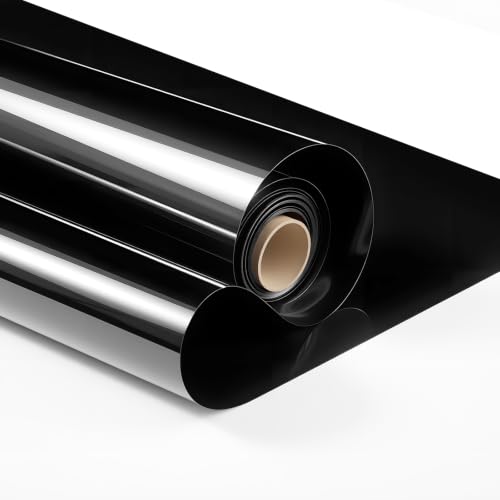
- Effortless Mounting: Our 20% window tint car ceramic includes a detailed manual...
- Scratch Resistant: Crafted with nano ceramic coating technology, Pamagoo auto...
- UV & Heat Shield: This 20% window tint blocks 92% UV rays and 65% infrared rays...
GAMA AUTOPARTS Ceramic Window Tint 5% VLT 40x100FT Roll — The Heavyweight for Big Jobs
The GAMA AUTOPARTS 5% roll is what I grab when I’m tinting my truck or a friend’s SUV with huge rear windows. That massive 40×100 foot roll gives me plenty of room to practice my technique on tricky curved glass without wasting material. The 5% darkness offers serious heat rejection and privacy, but be honest with yourself about night driving visibility.
This film’s thicker build makes it more forgiving during installation, which directly fights that curling problem.
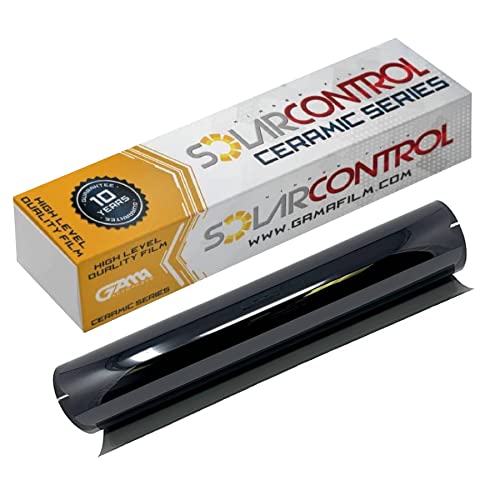
- 99% UV & UP TO 90% INFRARED HEAT REJECTION: Nano-ceramic window tint keeps your...
- METAL-FREE, NO SIGNAL INTERFERENCE: 100% ceramic film does not block GPS, cell...
- 5% VLT SHADE, 40" x 100 FT BULK ROLL: Limo-dark 5% VLT for maximum privacy and...
Conclusion
The single most important thing to remember is that curling almost always comes down to adhesive bond and cure time, not bad luck. You can prevent it with patience, proper technique, and the right film choice.
Go check your windows right now — if any edge feels loose, press it down gently with a soft cloth and keep the car shaded for the next 48 hours. That five-minute check might save you a full redo.
Frequently Asked Questions about Why Does Ceramic Car Window Tint Film Curl up Within Minutes of Installation?
Can I fix a curled edge on ceramic tint without removing the whole film?
Yes, but only if you catch it within the first few hours. Use a heat gun on low to gently warm the curled edge, then press it down firmly with a squeegee wrapped in a soft cloth.
If the adhesive has already cured with dirt underneath, you can’t save it. In that case, removal and reinstallation is the only clean fix.
How long should I wait before rolling down windows after ceramic tint installation?
You should wait a full 48 hours, no exceptions. Rolling the window down during that cure period pulls the film edge away from the glass and breaks the adhesive bond.
I know it feels like forever, but I’ve seen impatient drivers ruin a perfect install in under five minutes. Park in the shade and leave those switches alone.
Why does my ceramic tint curl more on curved rear windows than flat side windows?
Curved glass requires the film to shrink and stretch into a compound shape, which creates tension along the edges. If the installer skips the pre-shrinking step with a heat gun, that tension releases after installation and pulls the film upward.
That’s why rear windows are the first place you’ll notice curling. A skilled tech will always pre-shrink the film to match the glass curve before laying it down.
What is the best ceramic window tint for someone who needs a forgiving adhesive that resists curling?
You’re right to prioritize adhesive strength, because that’s the root cause of most curling failures. A film that grabs instantly and stays put through temperature swings is exactly what you need if you’re a first-time installer or working in less-than-ideal conditions.
In my experience, what I grabbed for my own cars when I needed reliability was the PAMAGOO ceramic roll, which bonds fast and holds tight even on tricky curves.
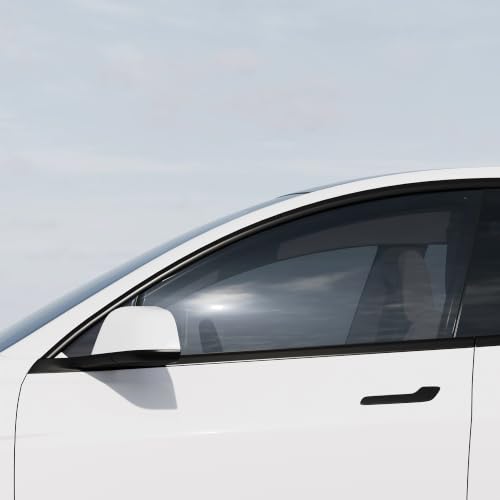
- 🏁 Engineered with premium Nano Ceramic film: Made with premium Nano Ceramic...
- 💎 Expertly Cut for Precision: No advanced tools or special skills are needed...
- ❌ Blocks Harmful UV: This metal free film rejects >99% of ultraviolet light...
Which ceramic window tint won’t let me down when I park in direct summer sun all day?
That fear is totally valid, because heat is the number one trigger for edge lifting and shrinkage. You need a film with a high-temperature adhesive that doesn’t soften or release when the glass gets scorching hot.
For my own truck that sits in the sun daily, the ones I sent my brother to buy were the GAMA AUTOPARTS ceramic rolls, which have held up through three brutal summers without a single curled edge.
- Daytime Privacy: This ceramic window tint offers one-way visible effect during...
- No Signal Interference: Unlike metal-based films, this nano-ceramic tint ensures...
- Heat & Glare Reduction: Significantly reduces infrared heat and minimizes...
Does ceramic tint curling mean the film is defective or was it my installer’s fault?
In most cases, it’s the installer’s process that causes the problem, not the film itself. Skipping pre-shrinking, rushing the squeegee pass, or installing in a cold garage all lead to curling regardless of brand quality.
That said, a genuinely defective roll can happen. If you see bubbling or delamination across the entire film, not just edges, contact the manufacturer and request a replacement batch.